
Mixing different types of Christmas lights on a single tree is a popular way to create a dynamic, layered, and visually rich holiday display. From warm white incandescents to cool blue LEDs and twinkling fairy lights, combining lighting styles can elevate your tree’s aesthetic. But with convenience comes risk—especially when mixing technologies like voltage, wattage, and plug types aren’t properly aligned.
The short answer is: yes, you can mix different types of Christmas lights on the same tree safely—but only if you follow proper electrical guidelines, understand load limits, and use compatible components. Done incorrectly, this practice can lead to circuit overloads, damaged strings, or even fire hazards. This guide breaks down everything you need to know to blend lighting types effectively while keeping safety front and center.
Understanding the Types of Christmas Lights
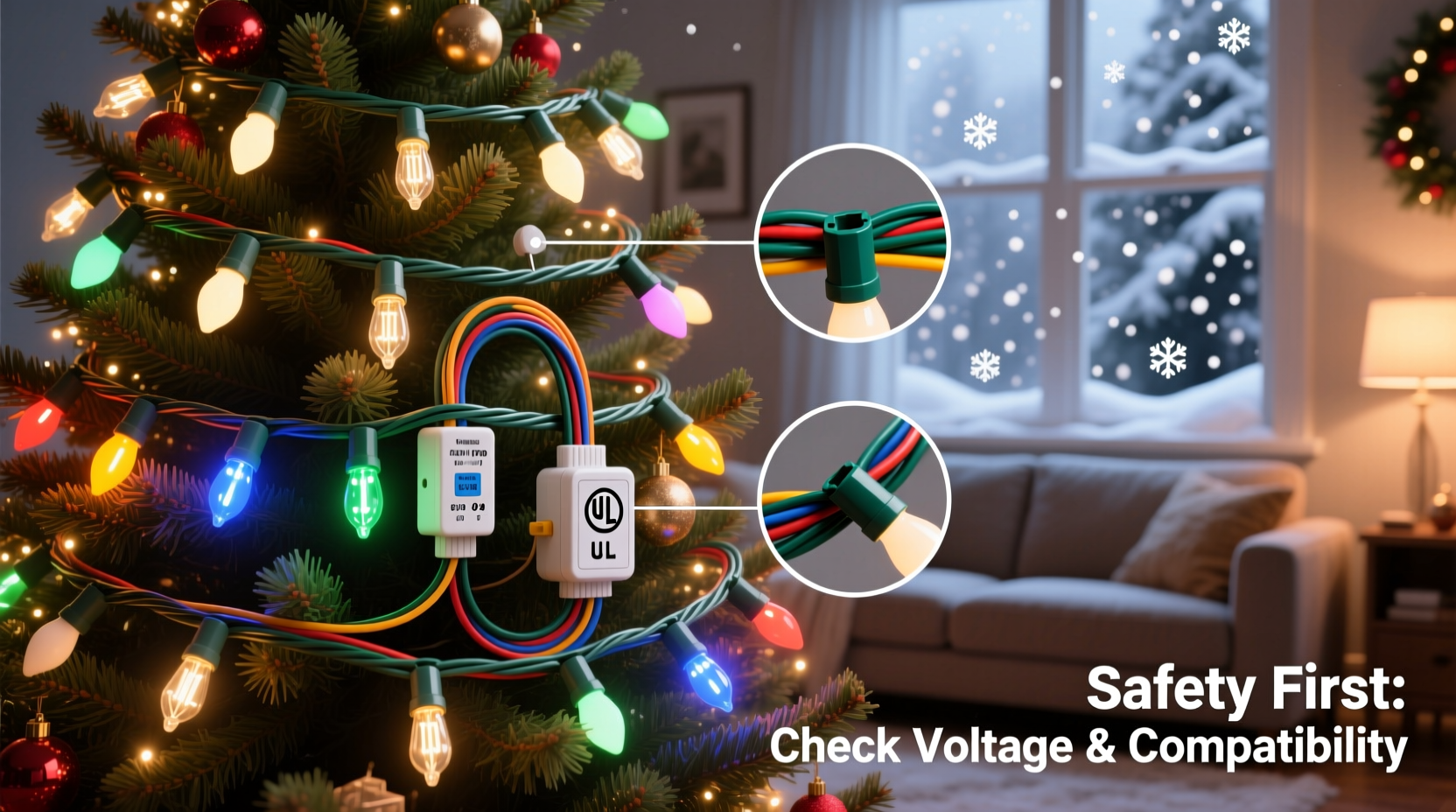
Before connecting any light strands, it’s essential to understand the main categories of Christmas lights available today. Each has distinct characteristics that affect compatibility, energy use, heat output, and lifespan.
- Incandescent Mini Lights: Traditional bulbs that produce a warm glow. They consume more power and generate noticeable heat, making them less efficient but beloved for their nostalgic look.
- LED Mini Lights: Energy-efficient, long-lasting, and cooler to the touch. Available in a wide range of colors and effects (e.g., steady, twinkle, color-changing).
- Rope Lights: Flexible tubing containing small bulbs or LEDs. Often used for outlining but can be wrapped around larger trees.
- Fairy Lights: Ultra-thin wires with tiny bulbs, often battery-powered. Used as accent lighting rather than primary illumination.
- Commercial-Grade Lights: Heavy-duty strands designed for outdoor or extended use. Higher voltage and durability, but not always compatible with consumer-grade sets.
While all these can technically coexist on one tree, their differences in voltage, amperage, and connection standards mean they must be managed carefully.
Key Safety Considerations When Mixing Lights
Safety should never be compromised for aesthetics. The U.S. Consumer Product Safety Commission (CPSC) estimates that each year, thousands of fires and injuries are linked to decorative lighting. Most incidents stem from overloading circuits, using damaged cords, or mixing incompatible systems.
Electrical Load and Circuit Capacity
Every electrical circuit in your home has a maximum load capacity, typically measured in amps or watts. Standard household outlets are usually on a 15-amp circuit, which supports up to 1,800 watts (15A × 120V). However, continuous loads (running over three hours) should not exceed 80% of that—about 1,440 watts.
When mixing lights, add up the total wattage of all connected strands. For example:
| Light Type | Bulbs per Strand | Wattage per Bulb | Total Strand Wattage |
|---|---|---|---|
| Incandescent Mini (20 ct) | 20 | 0.4W | 8W |
| Incandescent Mini (50 ct) | 50 | 0.4W | 20W |
| LED Mini (50 ct) | 50 | 0.06W | 3W |
| LED Rope Light (10 ft) | N/A | N/A | 12W |
If you connect four 50-light incandescent strands and two 10-foot LED rope lights, your total draw is:
(4 × 20W) + (2 × 12W) = 80W + 24W = 104W
This is well within safe limits, but adding more high-wattage strands could quickly escalate the load.
Voltage and Plug Compatibility
Most indoor Christmas lights operate at 120 volts and use standardized male/female plugs. However, some specialty lights (particularly commercial or imported sets) may use different voltages or proprietary connectors. Mixing 120V and low-voltage (e.g., 12V or 24V) lights on the same circuit without proper transformers can damage equipment or create fire risks.
Additionally, LED and incandescent lights often have different current requirements. While both may plug into the same outlet strip, daisy-chaining them directly (plugging one strand into another) can cause flickering, dimming, or failure due to mismatched resistance and power draw.
“Mixing LED and incandescent lights isn’t inherently dangerous, but it requires attention to load management and manufacturer specifications. Never assume compatibility just because the plug fits.” — Robert Langley, Electrical Safety Engineer, National Fire Protection Association (NFPA)
Step-by-Step Guide to Safely Mix Lights on One Tree
To achieve a stunning mixed-light display without compromising safety, follow this practical sequence:
- Plan Your Lighting Layers: Decide which lights will serve as base illumination (e.g., white LEDs), which will add sparkle (twinkling incandescents), and which will provide accent effects (colored fairy lights).
- Check Labels and Ratings: Note the wattage, voltage, and maximum connectable length for each set. Keep manufacturer instructions handy.
- Use a Power Strip with Surge Protection: Instead of daisy-chaining all lights together, plug different types into a multi-outlet surge protector. This prevents overloading a single string and allows independent control.
- Group by Type and Voltage: Connect similar light types together (e.g., all LEDs on one chain, incandescents on another), then plug each group into the power strip.
- Test Before Final Hanging: Turn on each section individually to ensure proper function and check for overheating, flickering, or discoloration.
- Secure Cords and Avoid Pinching: Use twist ties or reusable clips—not nails or staples—to fasten cords. Ensure no wires are pinched by branches or stand legs.
- Set a Timer: Use an outlet timer to limit operation to 6–10 hours per day, reducing heat buildup and energy consumption.
Do’s and Don’ts of Mixing Christmas Lights
| Do | Don’t |
|---|---|
| Use a surge-protected power strip to manage multiple light types | Daisy-chain more than the manufacturer’s recommended number of strands |
| Mix LED and incandescent lights as long as they’re on separate circuits or plug groups | Combine low-voltage lights (e.g., 12V) with standard 120V household circuits without a transformer |
| Label each cord type for easy troubleshooting | Run cords under rugs or furniture where heat can build up |
| Inspect all cords for fraying, cracked sockets, or bent prongs before use | Leave lights on unattended or while sleeping |
| Use timers to automate on/off cycles | Mix indoor and outdoor-rated lights unless all are rated for outdoor use |
Real Example: A Mixed-Light Tree Done Right
Jamie, a homeowner in Vermont, wanted a vintage-meets-modern look for her 7-foot Fraser fir. She planned to use warm incandescent mini lights for depth, cool white LEDs for brightness, and battery-powered fairy lights deep within the branches for subtle shimmer.
Instead of plugging everything into one string, she grouped the lights:
- Two strands of 50-count incandescent warm white lights (20W each) → plugged into one side of a 6-outlet surge protector
- Three strands of 50-count LED cool white lights (3W each) → plugged into a second outlet
- A 10-foot LED rope light (12W) outlining the lower trunk → third outlet
- Battery-powered fairy lights (no plug) → placed manually inside dense foliage
The total plug-in load: 40W + 9W + 12W = 61W — far below the 1,440W safe threshold. By avoiding daisy-chaining and using a central power hub, Jamie achieved her desired look without overloading circuits. She also set a timer to turn off the display at midnight, reducing fire risk during overnight hours.
Expert Tips for Long-Term Safety and Performance
Even with careful setup, ongoing maintenance is crucial. Holiday lights are often stored for months in conditions that degrade insulation and connections.
Before reusing older strands, especially incandescents, perform a quick inspection:
- Look for darkened bulbs, which indicate overheating.
- Check for brittle or cracked insulation on cords.
- Ensure male and female plugs fit snugly without wobbling.
- Replace any set with exposed wires or broken sockets immediately.
Also consider upgrading older incandescent sets to LED equivalents. Modern LED strings can mimic the warm glow of traditional bulbs while using up to 90% less energy and lasting 25 times longer.
Frequently Asked Questions
Can I plug LED and incandescent lights into the same power strip?
Yes, as long as the total wattage stays within the strip’s rating and you don’t exceed the outlet’s circuit capacity. Just avoid daisy-chaining different types together directly.
Is it safe to mix battery-powered lights with plug-in ones on the same tree?
Absolutely. Battery-powered lights operate independently and pose no electrical conflict. They’re ideal for adding sparkle in hard-to-reach areas without extending cords.
Why do my mixed lights flicker when turned on together?
Flickering can result from voltage drops caused by overloading a single circuit or using undersized extension cords. Try redistributing the load across multiple outlets or replacing old cords with heavier-gauge ones.
Final Checklist Before Turning On Your Tree
- ✅ All light strings are rated for indoor use (or outdoor, if applicable)
- ✅ Total wattage is below 80% of circuit capacity
- ✅ No daisy-chaining beyond manufacturer limits
- ✅ Surge-protected power strip is used
- ✅ Cords are free of damage and not pinched
- ✅ Timer is set for automatic shutoff
- ✅ Battery-powered lights have fresh batteries
- ✅ Tree is watered (for real trees) and placed away from heat sources
Conclusion: Beauty Meets Safety
Mixing different types of Christmas lights on the same tree is not only possible—it’s a creative way to personalize your holiday decor. With thoughtful planning, respect for electrical limits, and attention to detail, you can enjoy a dazzling, multilayered display that’s as safe as it is beautiful.
The key is balance: balancing aesthetics with safety, tradition with innovation, and convenience with responsibility. Whether you’re blending warm incandescents with crisp LEDs or adding fairy lights for dimension, every choice should support both visual impact and peace of mind.




 浙公网安备
33010002000092号
浙公网安备
33010002000092号 浙B2-20120091-4
Comments
No comments yet. Why don't you start the discussion?