
There’s a long-standing debate in holiday decorating circles: should ornament finishes be kept uniform, or is it acceptable—dare we say, desirable—to blend textures like matte and glossy on the same Christmas tree? The short answer is yes, you absolutely can mix matte and glossy ornaments—but doing so successfully requires intention, balance, and an eye for visual harmony.
Mixing finishes isn’t just allowed; it’s a powerful design strategy that adds depth, contrast, and dimension to your tree. When done thoughtfully, combining matte and glossy elements transforms a flat display into a dynamic centerpiece that catches light, invites touch, and tells a story. But without careful planning, the result can look chaotic or mismatched. This guide breaks down the principles, practical steps, and insider techniques for blending these two popular finishes with confidence.
Why Texture Matters in Holiday Decor
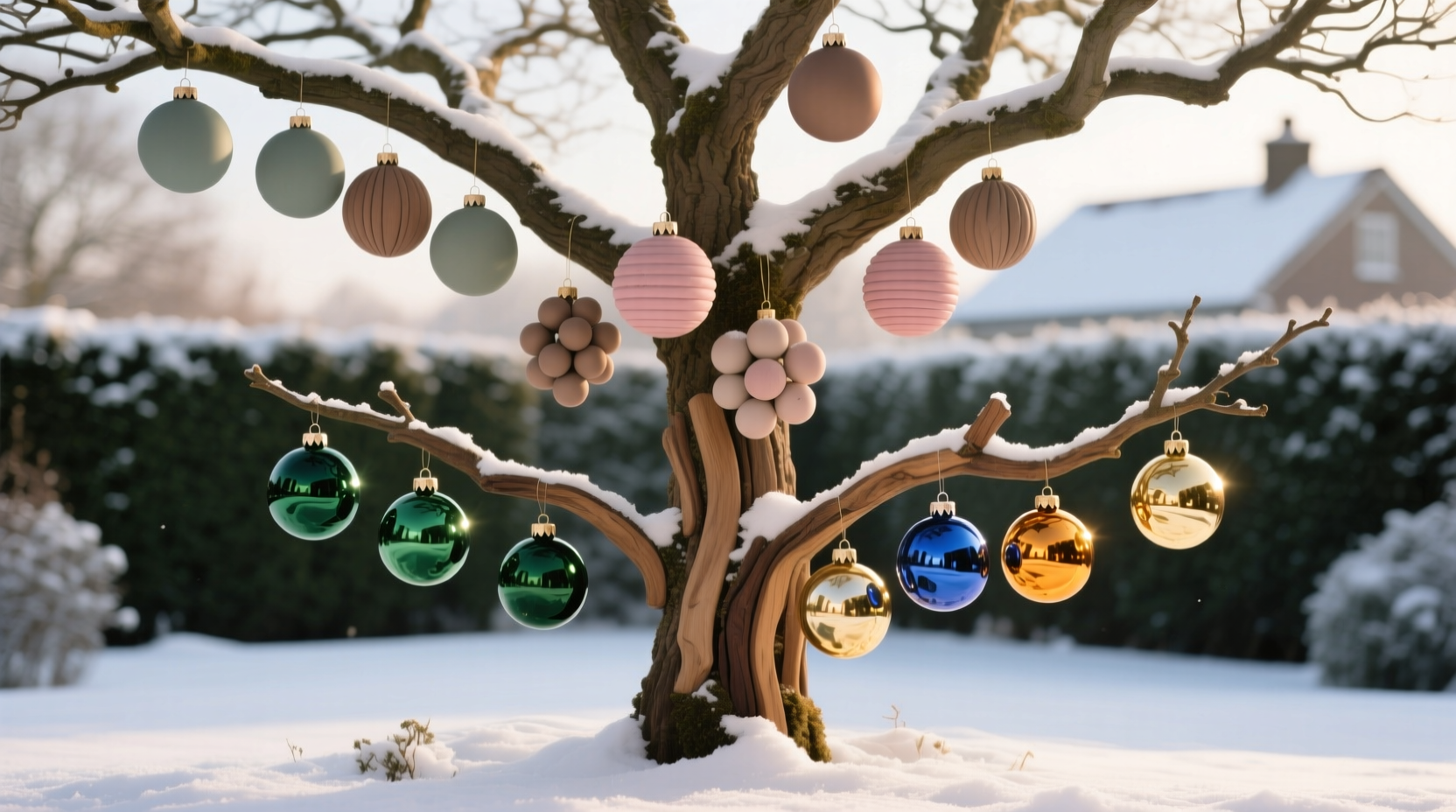
Visual interest in interior design rarely comes from color alone. Texture plays a crucial role in how we perceive space, mood, and style. On a Christmas tree, where every inch is visible and scrutinized during gatherings, texture becomes a silent storyteller. Matte ornaments absorb light, creating softness and warmth, while glossy ones reflect it, adding sparkle and vibrancy.
Using both allows you to play with light dynamics throughout the day. A tree near a window will shimmer differently at noon than it does under evening lamplight. Glossy balls catch sunlight and candle glow, while matte pieces provide grounding and prevent glare overload. Together, they create rhythm—an ebb and flow of shine that keeps the eye moving naturally across the branches.
“Texture is the secret weapon of professional decorators. A tree with varied finishes feels more curated and less ‘store-bought.’” — Lila Monroe, Interior Stylist & Holiday Design Consultant
Design Principles for Mixing Finishes Successfully
To avoid a haphazard look, follow core design principles that govern balance, repetition, and proportion. These aren’t arbitrary rules—they’re time-tested guidelines used by designers to create cohesive compositions.
1. Establish a Dominant Finish
Choose one finish as your base—either matte or glossy—and let it make up about 60–70% of your ornament selection. This creates visual stability. For example, if you prefer a cozy, rustic aesthetic, start with matte glass, felt, or ceramic ornaments as your foundation, then sprinkle in glossy accents for contrast.
2. Distribute Accents Evenly
Glossy ornaments should not cluster on one side of the tree. Instead, place them strategically to draw the eye around the entire tree. Think of them as punctuation marks—commas and exclamation points—that guide attention without overwhelming.
3. Use Color as a Unifying Element
When combining different finishes, keep colors consistent. A matte gold ball and a glossy gold ball may look entirely different in sheen, but their shared hue ties them together. This prevents the mix from appearing random.
4. Layer in Other Textures
Don’t stop at matte and glossy. Introduce additional tactile elements—wooden stars, velvet ribbons, woven garlands, or metallic tinsel—to deepen the sensory experience. These act as bridges between shiny and flat surfaces, softening transitions.
Step-by-Step Guide to Mixing Matte and Glossy Ornaments
Follow this practical sequence to achieve a professionally styled tree with mixed finishes:
- Start with lights and garland. Ensure your lighting is evenly distributed. Warm white lights complement matte finishes; cool whites enhance gloss.
- Add large statement ornaments first. Place oversized matte pieces (like fabric snowmen or ceramic bells) deeper in the branches to anchor the tree.
- Insert medium glossy ornaments next. Space them apart—ideally every 8–12 inches—so they don’t visually compete.
- Fill gaps with smaller matte decorations. These include pinecones, felt animals, or frosted glass balls to add depth without glare.
- Layer in reflective accents. Hang mirrored baubles or holographic icicles sparingly near the outer edges to catch ambient light.
- Step back and assess. View the tree from multiple angles and distances. Adjust any clusters of similar finishes.
- Top it off with a textured tree topper. A matte fabric star wrapped in a glossy ribbon combines both finishes elegantly.
Do’s and Don’ts: A Quick Reference Table
| Do | Don’t |
|---|---|
| Balance matte and glossy in a 70/30 ratio | Use equal amounts without a unifying theme |
| Use color consistency to unify different finishes | Mix too many unrelated colors across finishes |
| Place glossy ornaments where light hits them | Hide shiny pieces deep in shadowed branches |
| Incorporate other textures (fabric, wood, metal) | Limit yourself to only glass ornaments |
| Step back frequently to check visual flow | Work on one side until completion before assessing |
A Real Example: The Modern Farmhouse Tree
Sarah Kim, a lifestyle blogger from Portland, wanted a Christmas tree that felt both nostalgic and contemporary. Her living room features shiplap walls, black steel windows, and warm wood floors—a modern farmhouse aesthetic. She chose a predominantly matte palette: cream felt stockings, handmade paper angels, and frosted white glass balls with a chalky finish.
But she didn’t want the tree to feel flat. To introduce life and movement, she added 12 glossy mercury glass ornaments in antique gold and silver. She placed them at varying heights, ensuring each could catch the glow from her Edison bulb string lights. The result was a tree that looked soft and inviting from afar, yet revealed subtle sparkle upon closer inspection.
“I was nervous at first,” Sarah admitted. “I thought mixing might look cheap. But once I stepped back, I realized the glossy pieces made the matte ones look even better—like they had a purpose.”
Tips for Specific Themes and Styles
The success of mixing matte and glossy depends on your overall theme. Here’s how to adapt the approach for different aesthetics:
- Traditional Red & Green: Use glossy red balls as focal points against a backdrop of matte green glass and natural wood slices. The shine mimics cranberries or holly berries.
- Minimalist Monochrome: In an all-white or gray scheme, glossy ornaments become the main source of interest. Pair matte spheres with high-gloss cubes for geometric contrast.
- Vintage Glamour: Lean into art deco inspiration. Use matte black or deep navy ornaments with gold-rimmed glossy counterparts. Add satin ribbons for extra luster.
- Nordic Rustic: Prioritize matte wool, linen, and wood. Use only a few glossy elements—like small mirrored balls—to evoke ice reflecting moonlight.
- Bold & Eclectic: Embrace chaos with intention. Mix matte neon shapes with ultra-glossy retro ornaments. Anchor with a consistent color pattern (e.g., stripes or polka dots).
Common Pitfalls and How to Avoid Them
Even experienced decorators can misstep when combining finishes. Watch out for these common issues:
Overloading on Gloss
Too many shiny ornaments create visual noise and can cause eye fatigue. They also reflect artificial light harshly, especially under LED strings. Limit glossy items to 30% unless you're aiming for a disco-ball effect (which can work in playful settings).
Ignoring Light Sources
A glossy ornament behind the tree facing the wall does nothing. Position reflective pieces where they interact with natural or ambient light—near windows, lamps, or candles.
Clashing Metallics
Mixing matte brass with glossy chrome can look mismatched unless intentionally styled. Stick to one metallic family (e.g., warm golds or cool silvers) across both finishes for continuity.
Skipping Proportion
Large glossy ornaments dominate quickly. Balance them with clusters of smaller matte decorations. A single 5-inch shiny ball needs at least three matte companions nearby to avoid imbalance.
“The best trees aren’t perfect—they’re layered, personal, and full of surprises. A matte pinecone next to a glossy heirloom bell? That’s storytelling.” — Marcus Reed, Award-Winning Holiday Display Designer
Frequently Asked Questions
Can I mix matte and glossy ornaments on a pre-lit tree?
Yes, and it’s often easier because the built-in lights provide consistent illumination. Just ensure glossy ornaments aren’t placed directly over bulbs to avoid hotspots or glare. Matte finishes help diffuse brightness and create softer zones.
Are there types of trees that suit mixed finishes better?
Denser trees like Fraser firs or full artificial pines offer more branch coverage, making it easier to layer ornaments deeply. Sparse or slim trees require more precision—focus glossy items toward the front and sides where they’ll be seen.
How do I store mixed-finish ornaments to prevent damage?
Store them separately by finish if possible. Glossy ornaments can scratch matte surfaces over time. Use divided storage boxes with soft lining. Wrap delicate matte pieces in tissue paper to preserve their finish.
Checklist: Preparing Your Mixed-Finish Tree
- ☐ Choose a dominant finish (matte or glossy)
- ☐ Finalize a cohesive color palette (max 3 main colors)
- ☐ Test light placement and intensity
- ☐ Sort ornaments by size, color, and texture
- ☐ Begin with lights and garland
- ☐ Place largest ornaments first, alternating finishes
- ☐ Distribute glossy pieces evenly across all sides
- ☐ Fill gaps with smaller matte decorations
- ☐ Step back and adjust spacing
- ☐ Add final touches: ribbon, tree topper, scent (optional)
Conclusion: Embrace Contrast, Create Magic
Mixing matte and glossy ornaments isn’t just acceptable—it’s a hallmark of thoughtful, sophisticated holiday styling. The interplay between light-absorbing and light-reflecting surfaces adds richness that single-finish trees often lack. With a clear vision, balanced distribution, and attention to detail, your tree can become a dynamic celebration of texture and tradition.
Don’t fear contrast. Some of the most memorable designs come from bold pairings—soft with shiny, old with new, simple with ornate. Your Christmas tree is more than decoration; it’s an expression of taste, memory, and joy. Let it shimmer when it wants to, and rest quietly when it needs to. Both finishes have their place.




 浙公网安备
33010002000092号
浙公网安备
33010002000092号 浙B2-20120091-4
Comments
No comments yet. Why don't you start the discussion?