
Painting a Christmas tree might sound like a festive way to add sparkle or create a unique holiday centerpiece, but it’s not as simple as grabbing a can of spray paint and going to work. Real trees are organic, flammable, and delicate — and introducing chemicals like paint can pose serious safety, health, and environmental concerns. While artificial trees can be painted under controlled conditions, doing so with a live or cut natural tree is generally unsafe and ill-advised. This article explores whether painting a Christmas tree is feasible, what risks are involved, and what safer alternatives exist for achieving that custom holiday look.
The Reality of Painting a Natural Christmas Tree
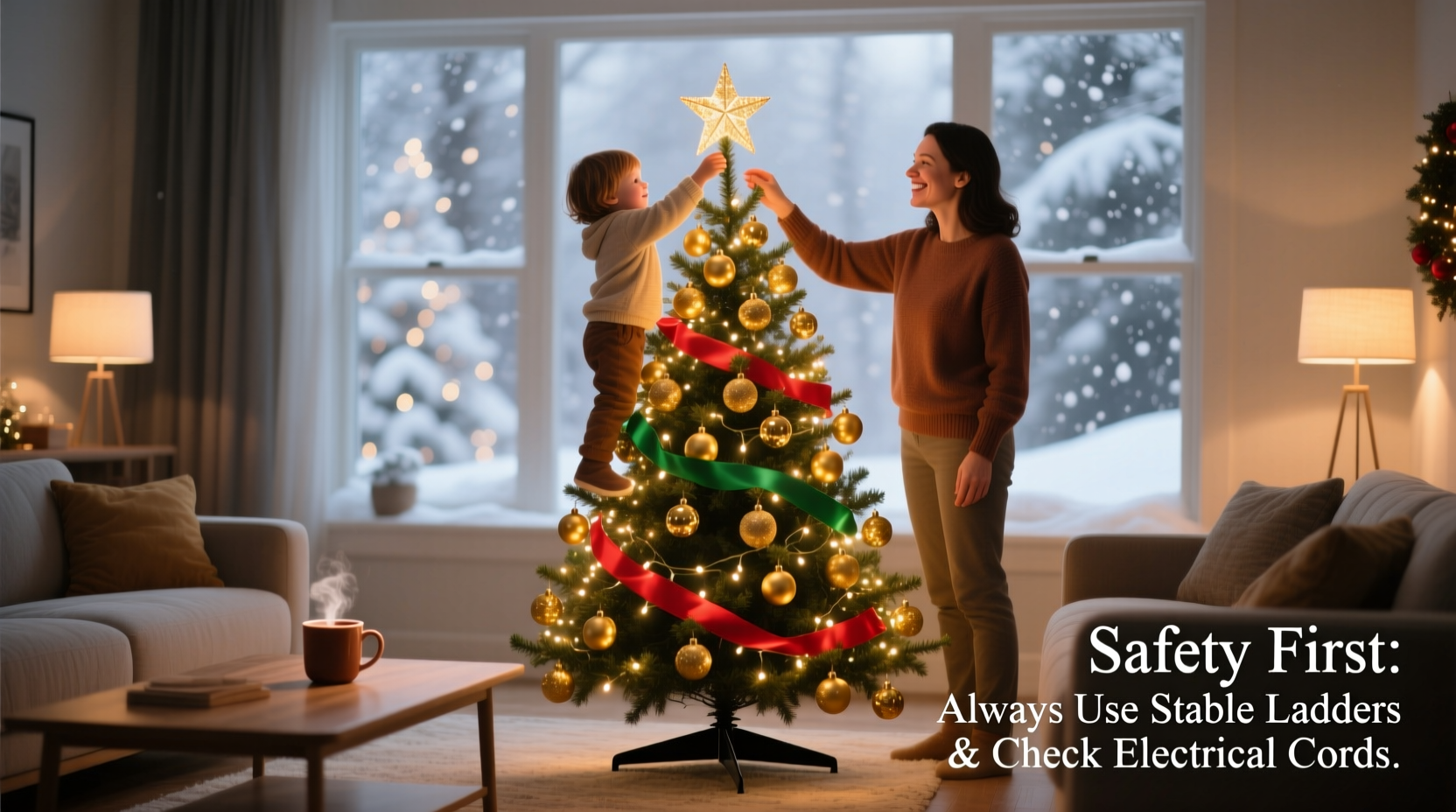
A freshly cut Christmas tree brings fragrance, tradition, and seasonal charm into the home. However, its biological makeup makes it highly unsuitable for painting. The needles, bark, and internal sap system are not designed to withstand chemical coatings. Most paints — especially aerosol sprays — contain volatile organic compounds (VOCs), solvents, and synthetic resins that can damage the tree’s structure, accelerate drying, and increase fire risk.
Even water-based acrylics or craft paints, which may seem harmless, form a film over the surface of the needles. This coating blocks stomata — the microscopic pores through which evergreens exchange gases — essentially suffocating the tree. As a result, the tree dries out faster, becomes brittle, and loses its fresh appearance within days.
Fire Hazard and Flammability Concerns
The most critical issue with painting a real Christmas tree is fire safety. According to the National Fire Protection Association (NFPA), between 2014 and 2018, U.S. fire departments responded to an average of 160 home fires per year that started with Christmas trees. While most were caused by electrical issues or candles, adding flammable materials like paint dramatically increases the danger.
Spray paints often contain propellants such as propane or butane, both of which are highly combustible. Even after drying, painted surfaces can ignite more easily than natural foliage. Once ignited, painted trees burn faster and release toxic fumes, including carbon monoxide and hydrogen chloride, depending on the paint composition.
“Applying any kind of flammable coating to a dry Christmas tree turns it into a potential fire accelerator. We strongly discourage the practice.” — Dr. Linda Harper, Fire Safety Research Institute
Can You Paint an Artificial Tree Instead?
Artificial Christmas trees, typically made from PVC, PE plastic, or metal frames, are more chemically stable than real trees. In theory, they can be painted — but only with caution and proper preparation. The goal is usually aesthetic: turning a green tree silver, gold, or even black for a dramatic modern effect.
However, success depends on the material, paint type, ventilation, and long-term durability. Not all plastics accept paint well, and improper application can lead to cracking, peeling, or discoloration over time. Additionally, many pre-lit artificial trees have wiring embedded in the branches; drilling, sanding, or aggressively handling them during painting could damage insulation and create electrical hazards.
Materials That Accept Paint Best
- PE (Polyethylene) Trees: These high-end artificial trees have molded branch tips that mimic real foliage. They can accept primer and paint better than traditional PVC, but surface cleaning is essential.
- PVC Trees: Less porous and slicker, requiring aggressive priming. Paint adhesion is often poor without proper prep.
- Metal Frames: If painting exposed bases or trunks, use rust-inhibiting metal primer and outdoor-grade enamel.
Step-by-Step Guide: How to Safely Paint an Artificial Tree (If You Must)
If you’re determined to customize your artificial tree, follow this careful process to minimize risk and maximize results. This method assumes you're working with a disassembled, pre-lit-free tree in a well-ventilated area.
- Disassemble the Tree: Take it apart section by section. Work on one segment at a time to ensure even coverage.
- Clean Thoroughly: Wipe down each branch with a damp cloth and mild soap. Remove dust, oils, or factory residues. Let dry completely.
- Sand Lightly (Optional): For smooth plastic, lightly abrade the surface with fine-grit sandpaper (400+ grit) to improve paint adhesion.
- Apply Plastic Primer: Use a spray primer formulated for plastics (e.g., Krylon Fusion for Plastic). Apply in thin, even coats outdoors or in a garage with open doors.
- Wait and Repeat: Allow primer to cure for at least 24 hours. Inspect coverage and reapply if needed.
- Use Appropriate Paint: Choose a flexible, weather-resistant spray paint compatible with plastic. Acrylic-enamel hybrids work best. Avoid oil-based paints unless sealed properly.
- Spray in Thin Layers: Hold the can 10–12 inches away. Apply multiple light coats instead of one heavy coat to prevent drips.
- Dry Completely: Let each section dry for 48 hours in a dust-free environment before reassembly.
- Seal (Optional): For added protection, apply a clear matte or satin sealant designed for plastics.
- Reassemble Carefully: Handle painted branches gently to avoid chipping. Store future decorations separately to prevent scratching.
Do’s and Don’ts of Painting Holiday Trees
| Do | Don't |
|---|---|
| Use plastic-safe primer and paint | Paint a real or live Christmas tree |
| Work in a ventilated, outdoor space | Use flammable spray paint near indoor heat sources |
| Wear protective gear (mask, gloves, goggles) | Paint a pre-lit tree without checking wiring integrity |
| Test on a small area first | Expect perfect coverage on dense foliage |
| Allow full curing time before decorating | Store painted sections where they can rub or chip |
Real Example: A DIYer’s Experience with a Gold-Painted Tree
Jamie R., a craft blogger from Portland, Oregon, attempted to transform an old green artificial tree into a gold metallic centerpiece for her minimalist living room. She followed online tutorials using standard metallic spray paint without plastic primer. After spraying, she noticed immediate drooping of tips and uneven adhesion.
“I thought I could just ‘spray and go,’ but the paint slid right off most branches,” she recalled. “By day two, chunks were flaking onto the floor. I ended up covering most of it with gold garlands to hide the mess.”
After consulting a professional prop artist, Jamie learned she should have used a bonding primer and applied paint in micro-fine layers. She later succeeded with a second attempt using the correct materials — but admitted it took three weekends and nearly $70 in supplies to achieve a decent finish.
Her takeaway: “It’s possible, but not easy. For most people, buying a pre-colored tree or using decorative coverings is smarter and safer.”
Better Alternatives to Painting
Luckily, there are numerous safer, easier, and more effective ways to customize your Christmas tree without resorting to paint.
- Frosted Effects: Use artificial snow spray sparingly on branch tips. These products are designed for temporary holiday decoration and wash off easily.
- Colored Lights: String warm white, blue, rose gold, or multicolor LED lights to change the tree’s ambiance instantly.
- Themed Ornaments: Create a monochromatic look with silver, gold, black, or pastel ornaments. Uniform décor gives the illusion of a “painted” tree.
- Tinsel or Garland: Drape vintage tinsel, ribbon, or bead garlands evenly for reflective, full coverage.
- Spray-On Glitter (Temporary): Use adhesive spray followed by biodegradable glitter — but only on artificial trees and in low-traffic areas to minimize shedding.
- Buy a Pre-Colored Tree: Many retailers now offer ombre, frosted, black, or blush pink trees made with dyed materials, eliminating the need for DIY modifications.
Environmental and Health Considerations
Beyond safety, consider the environmental impact of painting a tree. Aerosol cans contribute to air pollution, and leftover paint is considered hazardous waste in many municipalities. Disposing of a painted artificial tree is also problematic — most recycling centers won’t accept chemically treated plastics.
For real trees, painting prevents composting or mulching after the holidays. A painted tree cannot be sustainably recycled and may leach toxins into soil if buried or burned.
Indoor air quality is another concern. VOCs from fresh paint can linger for days, triggering headaches, dizziness, or respiratory irritation — particularly dangerous for children, pets, and individuals with asthma.
FAQ: Common Questions About Painting Christmas Trees
Can I use chalk paint on an artificial Christmas tree?
Chalk paint is not recommended for flexible plastic branches. It tends to crack and powder off with movement. If used, it must be paired with a strong plastic primer and sealed with a flexible clear coat — and even then, durability is limited.
Is fake snow spray the same as painting?
No. Artificial snow sprays (also called flocking sprays) are temporary adhesives mixed with cellulose or foam particles. They simulate snow and wash off more easily than paint. However, they still carry flammability warnings and should never be used near lights or heaters.
What happens if I paint a live potted Christmas tree?
Painting a living tree will likely kill it. Coating the needles disrupts photosynthesis and gas exchange. Even non-toxic paint forms a barrier that stresses the plant. If you plan to replant the tree after the holidays, avoid any chemical treatments entirely.
Conclusion: Should You Try It at Home?
The short answer: painting a real Christmas tree is unsafe and should never be attempted. The combination of flammability, toxicity, and plant damage makes it a risky idea with no practical benefit. For artificial trees, painting is technically possible but fraught with challenges — poor adhesion, high effort, and potential damage to materials.
In most cases, the time, cost, and risk outweigh the outcome. Safer, reversible alternatives like themed décor, colored lighting, or specialty trees deliver better results with none of the hazards. If you do proceed with modifying an artificial tree, treat it like a serious craft project: research materials, protect your health, and prioritize fire safety at every step.




 浙公网安备
33010002000092号
浙公网安备
33010002000092号 浙B2-20120091-4
Comments
No comments yet. Why don't you start the discussion?