
Cleaning sneakers is a regular necessity for anyone who wears them frequently—whether for running, walking, or fashion. Over time, dirt, sweat, and odor build up, making even the most stylish pair look worn and uninviting. While hand scrubbing works, many people wonder if tossing sneakers into the washing machine is a faster, equally effective solution. The short answer: yes, but with important caveats. Not all sneakers are created equal, and the wrong approach can lead to warped soles, frayed fabric, or glue deterioration. This guide breaks down exactly when it’s safe to machine-wash sneakers, how to do it correctly, and what alternatives exist for delicate models.
Understanding Sneaker Construction: Why It Matters
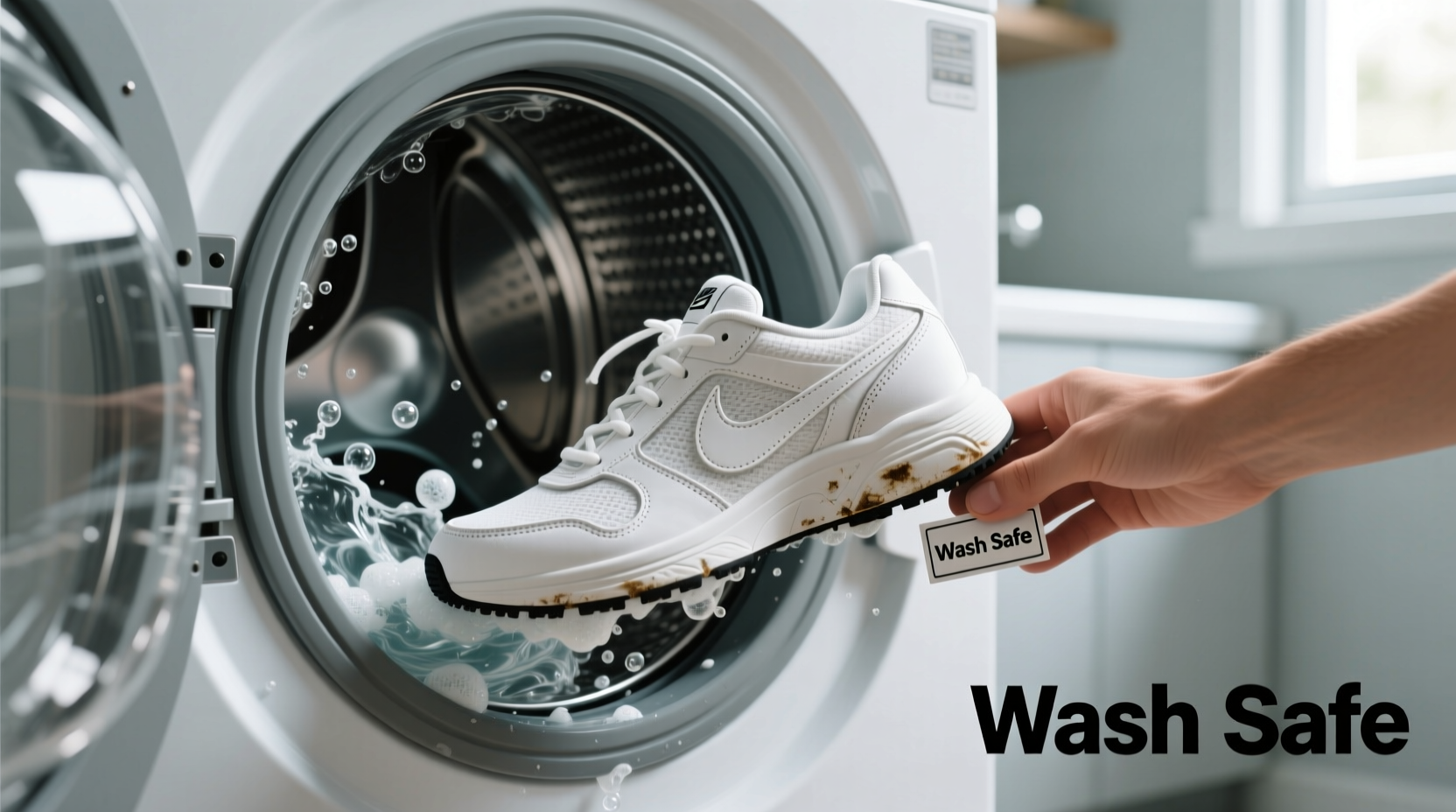
Sneakers are complex assemblies of materials—fabric, rubber, foam, synthetic leather, mesh, and adhesives—each reacting differently to water, agitation, and heat. The midsole cushioning, often made from EVA foam, can degrade when exposed to high spin cycles or hot water. Glue used in construction may weaken under prolonged moisture exposure, leading to sole separation. Meanwhile, knit uppers like those on Nike Flyknit or Adidas Primeknit can stretch or lose shape if not handled carefully.
The key to safely using a washing machine lies in understanding your sneaker’s composition. For example:
- Messy canvas shoes (e.g., classic Converse or Vans) typically handle machine washing better than performance footwear.
- Running shoes with advanced cushioning systems (like Nike Air or Boost) are generally not recommended for machines due to sensitive internal components.
- Leather or suede sneakers should never go in the washer—water causes irreversible damage including cracking and discoloration.
When Machine Washing Is Safe—and When It Isn’t
Not every dirty sneaker deserves a spin cycle. Here’s a breakdown of common sneaker types and their compatibility with washing machines:
| Sneaker Type | Machine Wash Safe? | Notes |
|---|---|---|
| Canvas (Converse, Keds) | ✅ Yes (with precautions) | Remove laces and insoles; use cold water and gentle cycle. |
| Fabric/Mesh (Nike Free, Reebok Classics) | ⚠️ Conditionally | Only if no structural foam degradation; air dry only. |
| Running Shoes (Asics, Brooks) | ❌ No | High risk of damaging cushioning and adhesive bonds. |
| Knit Uppers (Adidas NMD, UltraBoost) | ⚠️ Risky | May stretch; hand wash preferred. |
| Leather/Suede/Chukka Boots | ❌ Never | Water causes warping, staining, and texture loss. |
| Rubber/Croslite (Crocs) | ✅ Yes | Durable material; can withstand machine washing easily. |
The safest candidates for machine washing are low-tech, non-technical sneakers made primarily of cotton canvas or durable synthetics without glued-on midsoles. High-performance athletic shoes, designer collaborations, or anything with electronic components (like self-lacing models) should be excluded entirely.
Step-by-Step Guide to Washing Sneakers in a Machine
If your sneakers pass the safety checklist, follow this detailed process to minimize damage and maximize cleanliness:
- Pre-Clean Manually: Use a soft brush or toothbrush to remove loose dirt, mud, and debris from the outsole and upper. This prevents grime from spreading during the wash.
- Remove Components: Take out the shoelaces and insoles. These can be washed separately—laces in a mesh bag or pillowcase, insoles by hand with mild soap.
- Protect the Shoes: Place each sneaker in a separate pillowcase or laundry bag. This reduces tumbling impact and protects both the machine and the shoe structure.
- Choose the Right Detergent: Use a small amount of mild liquid detergent. Avoid bleach or fabric softeners, which can break down fibers and discolor materials.
- Select Cycle Settings:
- Temperature: Cold water only.
- Cycle: Gentle or delicate mode.
- Spin Speed: Low (under 800 RPM if adjustable).
- Wash Alone or with Similar Items: Run the load solo or with towels to balance the drum. Never mix with heavy jeans or zippers that could scratch surfaces.
- Air Dry Properly: After washing, remove sneakers immediately. Stuff them with crumpled paper towels or clean rags to maintain shape and absorb moisture. Let them dry at room temperature, away from direct sunlight or heaters. Do not use a dryer—heat ruins adhesives and deforms soles.
Real Example: A Runner’s Mistake and Recovery
Jamal, an avid jogger in Portland, once threw his six-month-old Nike Pegasus into the washer after a muddy trail run. He skipped pre-cleaning, used warm water, and left them in the dryer for 20 minutes. Result? The midsole began separating from the upper, and the heel counter warped. He learned the hard way that performance shoes aren’t built for mechanical stress.
After consulting a cobbler, he was advised to switch to manual cleaning: a mix of distilled water, mild dish soap, and a microfiber cloth. He now cleans them every two weeks and reports they’ve lasted nearly twice as long as his previous pairs. His takeaway: convenience isn’t worth sacrificing longevity.
Alternative Cleaning Methods for Delicate or Expensive Sneakers
For sneakers that shouldn’t go near a washing machine, several effective alternatives preserve quality while removing grime.
Spot Cleaning with Household Supplies
A simple solution of warm water and a drop of dish soap applied with a soft-bristled brush works wonders on scuffs and stains. Focus on one area at a time, then wipe with a damp cloth. For white rubber soles, a paste of baking soda and hydrogen peroxide gently lifts yellowing without abrasion.
Dry Cleaning with Absorbents
To tackle odor without moisture, sprinkle cornstarch or baking soda inside the shoe and let sit overnight. These powders draw out moisture and neutralize bacteria. Shake thoroughly before wearing again.
Professional Sneaker Cleaning Services
In urban areas and online, specialized services like Freshness Guaranteed or Snoase offer deep cleaning using pH-balanced solutions and ultrasonic baths. Prices range from $15–$40 per pair, depending on brand and condition. According to industry expert Lena Torres:
“Many customers assume their discolored sneakers are beyond saving. With proper enzymatic cleaners and techniques, we restore over 90% to near-original condition.” — Lena Torres, Founder of SoleRevive Studio
Checklist: Can You Machine-Wash Your Sneakers?
Before loading your sneakers into the washer, run through this quick assessment:
- 🔲 Are they made of canvas or durable synthetic fabric?
- 🔲 Do they lack advanced cushioning (Air, Boost, Zoom, etc.)?
- 🔲 Is there no visible glue separation or prior damage?
- 🔲 Are they free of leather, suede, or nubuck elements?
- 🔲 Have I removed laces and insoles?
- 🔲 Am I using a laundry bag or pillowcase for protection?
- 🔲 Will I air-dry them away from heat and sun?
If you answered “no” to any of the first four, skip the machine. If all boxes are checked, proceed with caution.
FAQ: Common Questions About Washing Sneakers
Can I wash my sneakers with other clothes?
You can, but only if they’re in protective bags and paired with soft items like towels or cotton garments. Avoid washing with rough fabrics (denim, zippers) that could scratch the surface. Ideally, run a dedicated cycle to control variables.
Why do my sneakers smell worse after washing?
Odor worsening usually means trapped moisture. If shoes aren’t dried completely, bacteria thrive in the damp environment. Always stuff with absorbent material and allow 24–48 hours for full drying. Adding vinegar (½ cup) to the rinse cycle can help kill odor-causing microbes.
How often should I clean my sneakers?
For daily wearers, light cleaning every 1–2 weeks and deep cleaning every 1–2 months is ideal. Athletes or outdoor workers may need more frequent attention. Regular maintenance prevents buildup that leads to permanent staining or material fatigue.
Final Thoughts: Balance Convenience with Care
Yes, you can clean certain sneakers in a washing machine—but doing so responsibly separates preservation from destruction. The convenience of automation comes with risks that demand evaluation: material type, construction quality, and drying method all influence the outcome. For basic canvas or rubber shoes, machine washing with safeguards is a viable option. For technical, expensive, or mixed-material footwear, hand cleaning or professional service delivers safer, longer-lasting results.
Maintaining your sneakers isn’t just about appearance; it’s about extending usability, reducing waste, and respecting your investment. Whether you're rotating between casual kicks or protecting limited-edition collectibles, adopting the right cleaning habit makes a measurable difference.




 浙公网安备
33010002000092号
浙公网安备
33010002000092号 浙B2-20120091-4
Comments
No comments yet. Why don't you start the discussion?