
For many cat owners, the idea of walking their feline companion on a leash seems like a fantasy—something reserved for dogs, not independent-minded cats. Yet an increasing number of pet parents are discovering that not only is it possible, but with patience and the right approach, it can become a rewarding part of their cat’s routine. Leash walks offer mental stimulation, safe outdoor enrichment, and a deeper bond between cat and owner. The truth is: yes, you can train a cat to walk on a leash—but success depends on understanding feline behavior, using humane techniques, and respecting your cat’s individual personality.
Why Leash Training Makes Sense for Cats
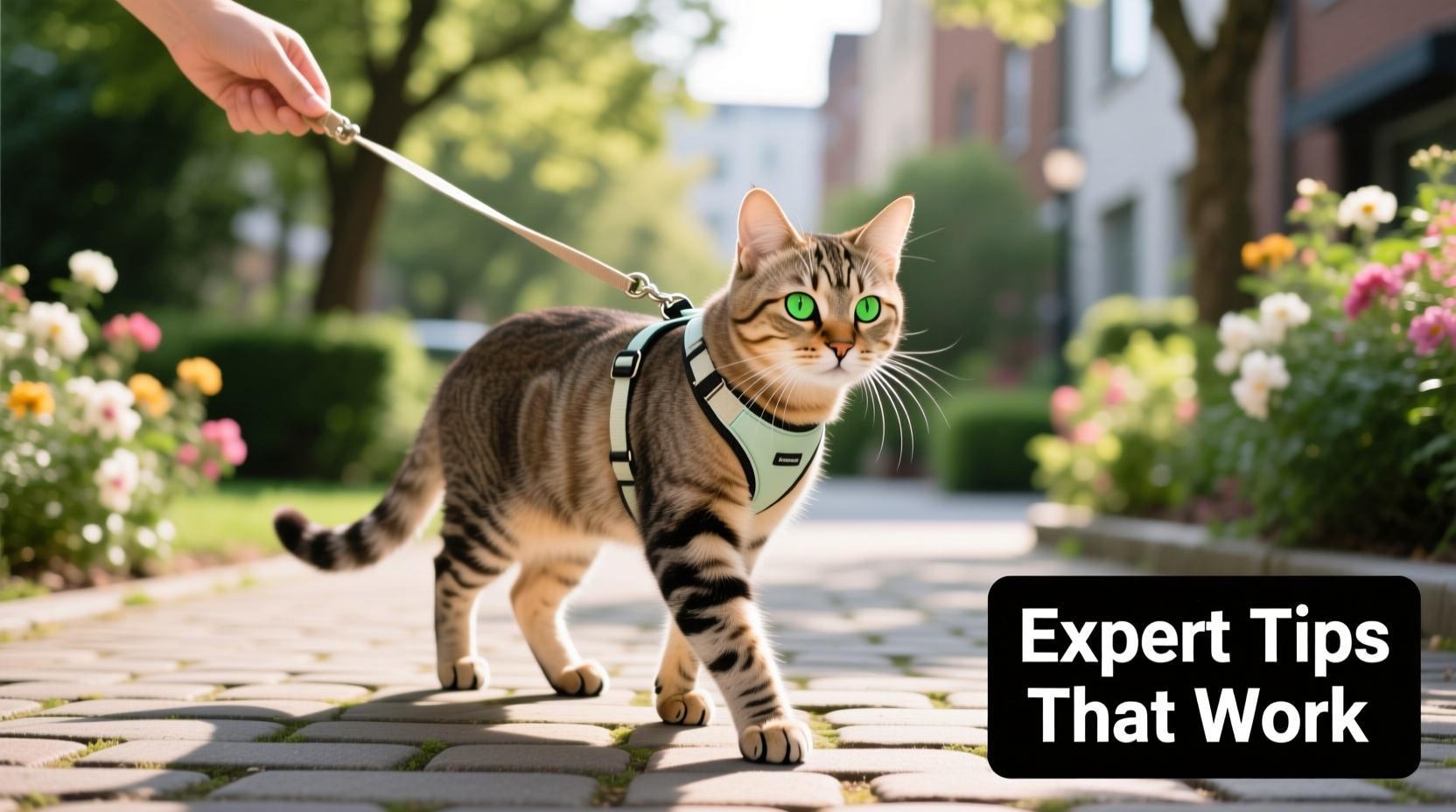
Cats are naturally curious animals. Their instincts drive them to explore, stalk, and survey their environment. Keeping them strictly indoors protects them from traffic, predators, and disease, but it can also lead to boredom, stress, or behavioral issues such as over-grooming or aggression. Controlled outdoor access via a harness and leash provides sensory enrichment without compromising safety.
Veterinarians and animal behaviorists increasingly support supervised outdoor time for indoor cats. Dr. Sarah Ellis, co-author of *The Trainable Cat*, emphasizes: “Environmental complexity is essential for feline well-being. A daily leash walk—even just 10 minutes in a quiet garden—can significantly reduce stress and improve quality of life.”
“Cats aren’t small dogs. They won’t heel or follow commands eagerly. But they can learn to enjoy the outdoors safely through gradual, reward-based training.” — Dr. Karen Overall, Veterinary Behaviorist
The Step-by-Step Guide to Leash Training Your Cat
Training a cat requires more finesse than training a dog. You can't rush the process or force compliance. Instead, build positive associations over time. Here’s a realistic timeline based on successful case studies:
- Week 1: Introduce the harness indoors
Select a secure, adjustable harness (never a collar). Let your cat sniff it, then place treats inside. Reward any interaction. After a day or two, gently drape it over their back without fastening. - Week 2: Fasten and wear briefly
Secure the harness during mealtime or play. Keep sessions under five minutes. Offer treats, praise, or a favorite toy. If your cat freezes or tries to remove it, stay calm—don’t remove it immediately unless they’re distressed. - Week 3: Add the leash indoors
Attach a lightweight leash. Allow your cat to drag it under supervision (remove when unattended). Gently guide them with treats, encouraging movement. Never pull. - Week 4: Practice direction and recall
Use a verbal cue like “let’s go” paired with a treat. Encourage your cat to follow you across the room. Keep sessions short and upbeat. - Week 5–6: First outdoor session
Choose a quiet, enclosed space—like a fenced backyard or patio. Go at your cat’s pace. Let them lead. Stay low to the ground and avoid sudden movements. Limit initial outings to 5–10 minutes. - Ongoing: Build duration and confidence
Gradually extend time and vary locations. Always end on a positive note, preferably with a treat or return to a familiar indoor space.
Choosing the Right Equipment: Harness vs. Collar
One of the most common mistakes new trainers make is using a standard collar and leash. Unlike dogs, cats can slip out of collars or injure their trachea if pulled. A proper harness distributes pressure across the body and prevents escape.
| Feature | Harness | Collar + Leash |
|---|---|---|
| Safety | High – secure fit, no choking risk | Low – cats can slip out or panic |
| Escape Risk | Minimal with proper fit | High – especially under stress |
| Comfort | Good – soft, adjustable straps | Poor – pressure on neck |
| Best For | Leash training, outdoor walks | ID tags only (not for walking) |
Look for a harness designed specifically for cats—such as the Kitty Holster, Purrfect Fit, or Rabbitgoo models. Avoid H-style harnesses, which are harder to adjust. Opt for a vest-style or figure-eight design that clips in the front or back. Always do a snugness check: you should be able to fit two fingers under any strap.
Real-World Example: How Luna Learned to Love the Outdoors
Luna, a three-year-old tabby from Portland, Oregon, was strictly indoor her entire life. Her owner, Mark, noticed she’d press her paws against the window whenever birds flew by. Concerned about her lack of stimulation, he researched leash training and began the process slowly.
He started with a mesh harness, letting Luna wear it for meals and play sessions. At first, she froze and tried to rub it off. But within ten days, she tolerated it for 15 minutes at a time. By week four, she was dragging the leash around the living room with curiosity. Her first outdoor experience was on a screened porch. She sniffed the air, flicked her tail, and eventually sat calmly while watching squirrels.
After six weeks, Luna was ready for short grass walks in the backyard. Now, she goes out three times a week for 20-minute strolls. “She doesn’t run or pull,” Mark says. “But she stops at every leaf, sniffs every flower, and sometimes just sits and stares into the trees. It’s clear she loves it.”
Common Mistakes That Derail Training
Even with good intentions, owners often unknowingly sabotage progress. Awareness of these pitfalls can save weeks of frustration:
- Rushing the process: Forcing a cat to wear a harness too long too soon creates fear. Patience is non-negotiable.
- Pulling on the leash: This triggers panic. Let the cat lead. Your role is to guide, not control.
- Choosing noisy or crowded environments: Busy sidewalks or dog parks overwhelm cats. Start in quiet, predictable spaces.
- Using punishment or coercion: Yelling or picking up a resisting cat breaks trust. Training must be voluntary and positive.
- Ignoring body language: Flattened ears, tail thrashing, or crouching mean your cat is stressed. End the session immediately.
Essential Checklist for Successful Leash Training
Before you begin, ensure you have everything in place. Use this checklist to set yourself—and your cat—up for success:
- ✅ Choose a comfortable, escape-proof cat harness
- ✅ Select a lightweight, 4–6 foot nylon or rope leash
- ✅ Stock up on high-value treats or a favorite toy
- ✅ Pick a quiet indoor area for initial training
- ✅ Schedule training during your cat’s active periods (e.g., morning or evening)
- ✅ Identify a safe, enclosed outdoor space for first outings
- ✅ Commit to consistency—train daily, even if only for 5 minutes
- ✅ Monitor your cat’s body language closely at every stage
FAQ: Your Top Questions Answered
Can all cats be trained to walk on a leash?
Most cats can learn with time, but success varies by temperament. Kittens and young adults tend to adapt more easily than seniors. Shy or highly anxious cats may never enjoy walks, and that’s okay. The goal is enrichment, not forcing an activity they dislike.
How long does it take to train a cat to walk on a leash?
There’s no fixed timeline. Some cats adjust in 3–4 weeks; others take 8–10 weeks or longer. Factors include age, prior handling experience, and how consistently you train. Rushing leads to setbacks—focus on steady progress, not speed.
Is it safe to walk a cat outside on a leash?
Yes, when done correctly. Risks include encounters with aggressive animals, loud noises, or escape attempts. Always supervise closely, avoid busy areas, and never leave your cat unattended. Consider using a double-clip harness for added security.
When Leash Training Isn’t the Right Fit
Not every cat will embrace leash walking—and that doesn’t mean you’ve failed. Some cats prefer alternative forms of environmental enrichment. Consider:
- Window perches with bird feeders outside
- Enclosed outdoor \"catios\"
- Interactive toys and puzzle feeders
- Controlled scent walks (using a blanket rubbed on outdoor plants)
The goal isn’t to turn your cat into a dog substitute. It’s to enhance their quality of life in ways that align with their natural behaviors and comfort level.
Final Thoughts: Patience, Trust, and Small Victories
Walking a cat on a leash isn’t about control or convenience. It’s about offering a curious mind a chance to explore the world safely. The journey demands patience, empathy, and respect for your cat’s boundaries. Celebrate tiny wins: wearing the harness for a full minute, stepping onto grass, following you toward a tree.
Every cat is different. Some will strut confidently down quiet paths; others may only ever tolerate a few minutes in the backyard. Both outcomes are victories. What matters is the connection you build through consistent, gentle guidance.




 浙公网安备
33010002000092号
浙公网安备
33010002000092号 浙B2-20120091-4
Comments
No comments yet. Why don't you start the discussion?