
As public health guidelines continue to evolve, reusable cloth face masks remain a practical and eco-friendly choice for everyday protection. Unlike disposable options, cloth masks can be washed and worn multiple times—provided they are handled correctly. But how safe is reusing them? And what steps ensure they stay effective over time?
The answer lies not just in frequency of use, but in how well you maintain them. A poorly cleaned or damaged mask may offer little protection, regardless of how many layers it has. With thoughtful care, however, a high-quality cloth mask can last dozens of wears while maintaining filtration efficiency and comfort.
This guide breaks down the science and best practices behind safely reusing cloth face masks. From washing techniques to recognizing when it’s time to retire a mask, you’ll learn how to maximize both safety and longevity.
Understanding Reusability: When Is It Safe?
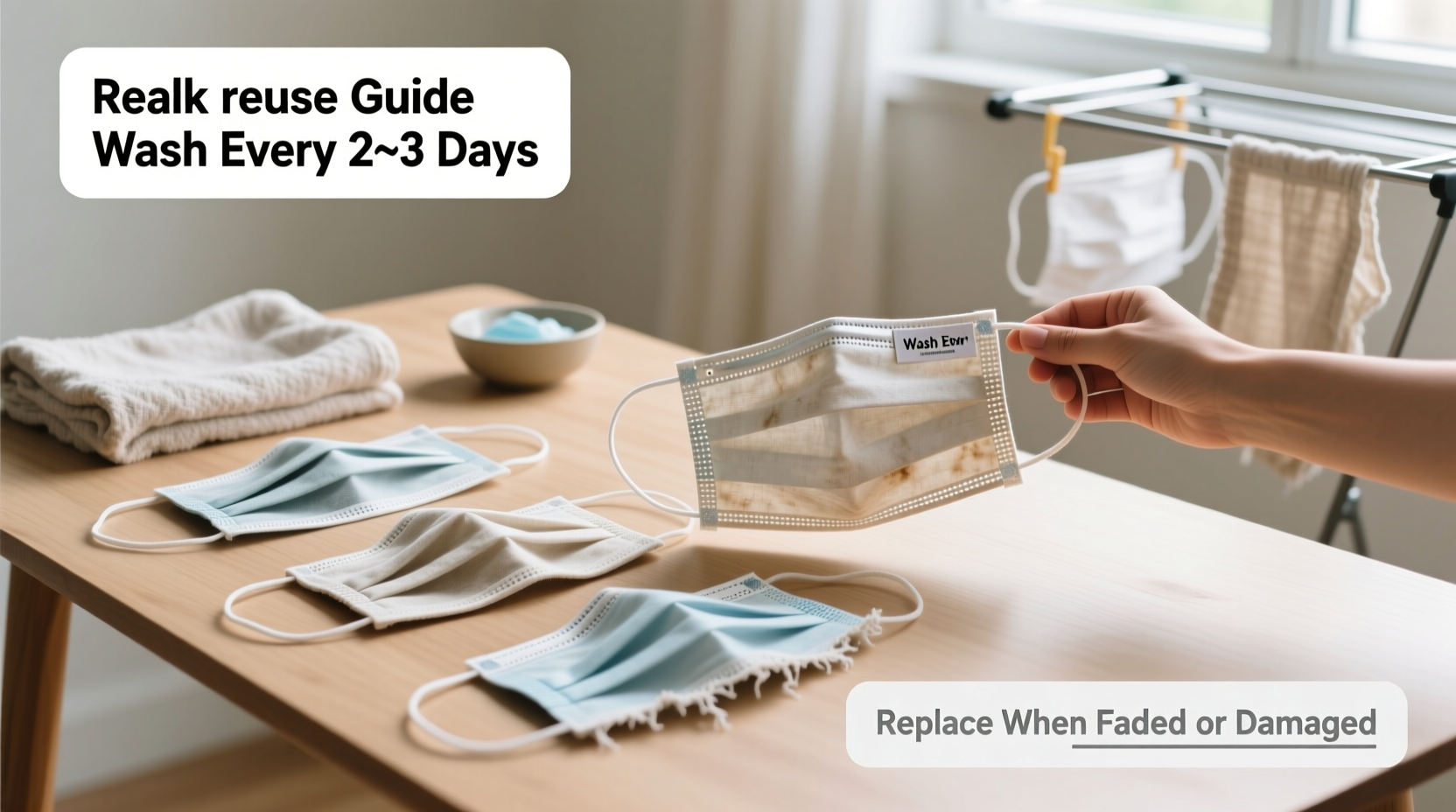
Yes, cloth face masks can be reused—but only if they are properly cleaned between uses and remain in good condition. The Centers for Disease Control and Prevention (CDC) recommends washing reusable masks after each use, especially if worn in crowded indoor spaces or during prolonged exposure.
Reusability hinges on three key factors:
- Cleanliness: Masks accumulate respiratory droplets, oils from skin, and environmental contaminants. Without regular washing, these become breeding grounds for bacteria and reduce breathability.
- Structural Integrity: Elastic bands lose stretch, seams fray, and fabric fibers break down over time. Any visible wear compromises fit and effectiveness.
- Filtration Performance: Multiple washes can degrade fine mesh layers used in filter pockets or tightly woven fabrics. Over time, this reduces particle capture efficiency.
Unlike surgical or N95 masks designed for limited use, cloth masks are built for durability. However, their protective value diminishes without consistent maintenance.
“Cloth masks can be highly effective when cared for like medical-grade textiles—cleaned regularly, stored properly, and replaced when worn.” — Dr. Lena Patel, Infectious Disease Specialist
Step-by-Step Guide to Safe Reuse
To get the most out of your cloth mask while staying protected, follow this daily and weekly routine:
- After Each Use: Remove the mask by the ear loops or ties—never touch the front. Place it directly into a sealed bag or container if immediate washing isn’t possible.
- Wash Promptly: Ideally within a few hours of use. Machine washing is preferred unless the manufacturer specifies hand-washing only.
- Use Hot Water: Wash in water at least 60°C (140°F) with regular detergent. This temperature effectively kills viruses and bacteria.
- Dry Completely: Tumble dry on high heat or air-dry in direct sunlight. Moisture encourages mold and bacterial growth.
- Inspect Before Wearing Again: Check for stains, odors, stretched elastics, or holes. If any issues are present, do not wear it.
- Store Clean Masks Properly: Keep in a clean, breathable container like a paper bag or dedicated drawer—away from dust and humidity.
Following these steps ensures that every reuse starts with a hygienic, functional mask. Skipping even one step—like improper drying—can undermine the entire process.
Do’s and Don’ts of Cloth Mask Maintenance
Mistakes in handling and cleaning are common—even among diligent users. The table below outlines critical behaviors to adopt and avoid.
| Do | Don't |
|---|---|
| Wash after every single use | Wear the same mask for multiple days without washing |
| Use fragrance-free, hypoallergenic detergent | |
| Air-dry in sunlight when possible | Leave damp masks balled up in pockets or bags |
| Replace elastic bands if loose | Sew over stretched elastics instead of replacing them |
| Store clean masks in ventilated containers | Keep clean masks in plastic zip bags long-term |
Avoiding these pitfalls preserves both hygiene and structural performance. For instance, using scented detergents might leave residues that irritate sensitive skin or degrade synthetic fibers faster than unscented alternatives.
Extending the Lifespan: Practical Tips and Upkeep Strategies
With proper care, a well-made cloth mask can last 30–50 washes—sometimes more. The following strategies help stretch its usable life without compromising safety.
Rotate Your Masks
Having at least three to five masks allows for rotation. While one is in use, another is in the wash, and the rest are stored clean. This prevents overuse of a single mask and gives fabric time to fully dry and rest between wears.
Use Replaceable Filters
If your mask has a filter pocket, insert a disposable filter (such as non-woven polypropylene) for added protection during high-risk outings. Change the filter after each use, but keep the outer mask for multiple cycles—reducing overall wear on the main structure.
Hand-Wash Delicate Variants
Masks made from silk, merino wool, or those with decorative elements should be hand-washed gently. Use lukewarm water and mild soap, then lay flat to dry. Avoid wringing, which distorts shape and weakens fibers.
Refresh Between Uses (When Necessary)
If wearing a mask intermittently throughout the day—say, during errands—air it out between uses. Hang it in a well-ventilated area away from surfaces. Never place it on tables, counters, or inside cars where contamination risks are higher.
Repair Minor Damage Early
A loose seam or fraying edge doesn’t mean retirement—yet. Reinforce small tears with a quick stitch. Replace ear loops with soft cord or adjustable toggles. These minor fixes restore fit and extend usability by weeks or even months.
When to Retire a Cloth Mask
No mask lasts forever. Even with meticulous care, materials degrade. Knowing when to stop using a mask is crucial for continued protection.
Retire a cloth mask if you observe any of the following:
- Persistent Odor: Lingering smells after washing suggest microbial buildup deep in fibers.
- Holes or Thin Spots: Light shines through when held up—indicating fiber breakdown.
- Poor Fit: Elastics no longer hold snugly, or nose wires won’t retain shape.
- Discoloration: Yellowing, especially around the mouth, signals oil absorption beyond cleaning capacity.
- Reduced Breathability: Fabric feels stiff or clogged, making it hard to breathe comfortably.
One real-world example illustrates this well: Sarah, a school administrator in Portland, wore the same set of four cotton masks daily for six months. She washed them religiously but began noticing difficulty breathing after washing cycle 40. Upon inspection, she found microscopic pilling and reduced elasticity. Though none were visibly torn, she replaced them—and immediately noticed improved airflow and comfort.
Like shoes or toothbrushes, cloth masks have a shelf life. Using them past their prime offers false security.
Checklist: Maximizing Cloth Mask Longevity
Follow this checklist to ensure your masks remain safe and effective:
- ✅ Wash after every use in hot water (60°C/140°F)
- ✅ Dry completely before storing
- ✅ Inspect for damage before each wear
- ✅ Rotate between multiple masks
- ✅ Store clean masks in breathable containers
- ✅ Replace filters after each high-exposure use
- ✅ Repair minor wear promptly
- ✅ Retire masks showing signs of degradation
Sticking to this list helps maintain consistent protection and gets the most value from each purchase.
Frequently Asked Questions
Can I wear a cloth mask more than once without washing?
Only under very limited circumstances—such as brief outdoor walks with minimal interaction. In general, wash after every use, especially after indoor gatherings, public transit, or close contact. Re-wearing an unwashed mask traps moisture and microbes, increasing contamination risk.
Is it safe to share cloth masks with family members?
No. Cloth masks should not be shared. They conform to individual facial shapes and collect personal biofluids. Sharing increases cross-contamination risk and often leads to poor fit, reducing effectiveness for both users.
How many times can I wash a cloth mask before replacing it?
Most quality masks last 30–50 washes. Signs of wear—like thinning fabric, stretched straps, or odor retention—are better indicators than count alone. Monitor condition closely rather than relying solely on a number.
Conclusion: Smart Care Equals Lasting Protection
Reusing cloth face masks is not only safe—it’s sustainable and cost-effective—when done correctly. The key lies in treating them as essential protective gear, not casual accessories. Regular washing, careful drying, and vigilant inspection preserve their function and extend their service life.
Every time you put on a clean, well-maintained mask, you reinforce a habit of health-conscious living. By rotating your supply, repairing small flaws, and retiring worn-out versions, you ensure that protection never comes at the expense of performance.




 浙公网安备
33010002000092号
浙公网安备
33010002000092号 浙B2-20120091-4
Comments
No comments yet. Why don't you start the discussion?