
Gift bags are convenient, attractive, and often beautifully designed—but they’re also typically treated as disposable. Yet with a little creativity and care, most gift bags can be reused multiple times without appearing worn or secondhand. The key isn’t just in saving the bag, but in transforming it so that it looks intentional, fresh, and even elevated. Whether you're an eco-conscious shopper, a budget-savvy gift-giver, or someone who values sustainable living, reusing gift bags thoughtfully can reduce waste and maintain presentation quality.
The stigma around “reused” gift bags often comes from visible wear: crushed handles, faded prints, loose seams, or scuffed surfaces. But these flaws aren’t permanent—they’re design opportunities. With simple techniques ranging from surface touch-ups to full aesthetic overhauls, you can breathe new life into any bag and present it confidently as if it were brand new.
Why Reusing Gift Bags Matters
Beyond personal savings, reusing gift bags aligns with growing environmental awareness. According to the U.S. Environmental Protection Agency, packaging materials—including paper, plastic, and mixed composites—make up nearly 30% of municipal solid waste. Much of this includes single-use wrapping and decorative containers that end up discarded after one occasion.
High-quality gift bags, especially those made from laminated paper, fabric-lined cardboard, or recyclable synthetics, are built to last. Yet many are tossed simply because they lose their \"pristine\" status after one use. By learning how to restore and refresh these items, you not only cut down on consumption but also cultivate a more mindful gifting culture—one where effort and intention outweigh novelty.
“Reuse isn’t about compromise—it’s about reinvention. A well-restored gift bag can carry more meaning than a store-bought one.” — Lila Monroe, Sustainable Design Advocate
Assessing Bag Condition: What’s Reusable?
Not every gift bag is worth reviving. Before investing time, evaluate its structural integrity and material type. Use the following criteria to determine whether a bag is a good candidate for reuse:
- Sturdiness: Does the base hold shape? Are corners intact?
- Handle strength: Is the handle firmly attached? No fraying or thinning?
- Surface condition: Minimal creasing, no large tears or stains?
- Material: Laminated paper, polyester blends, or fabric-based bags tend to clean and repair better than flimsy tissue or low-grade plastic.
If a bag passes these checks, it’s likely worth restoring. Minor cosmetic damage can be fixed; major structural issues usually aren't worth the effort unless you plan a complete redesign.
Creative Fixes to Elevate Used Gift Bags
The goal isn’t to hide the fact that a bag has been used—it’s to make its reuse look deliberate and stylish. Here are several proven methods to transform a tired bag into something special.
1. Refresh the Surface with Liners or Inserts
One of the simplest upgrades is lining the interior with decorative tissue or kraft paper. Even if the outer layer shows slight wear, a crisp inner lining changes the unboxing experience dramatically.
Try using contrasting colors or seasonal patterns—gold foil tissue for holidays, botanical prints for spring gifts. Secure the liner with a single staple or discreet tape at the fold, then fold it neatly over the top edge like a bakery twist.
2. Reinforce Handles with Fabric or Ribbon Wraps
Frayed or weakened handles are common after repeated use. Instead of replacing them entirely, wrap them with wide satin ribbon, grosgrain trim, or strips of cotton fabric. Secure with fabric glue or a few hidden stitches.
This method doubles as decoration: choose complementary or bold colors to turn weak points into design features. For example, a navy bag with chipped gold print can gain new elegance with deep red velvet-wrapped handles.
3. Cover Scratches with Decoupage or Stickers
Small scuffs or fading don’t have to be dealbreakers. Use waterproof stickers, metallic washi tape, or decoupage techniques to cover imperfections artistically.
For a polished look, apply themed sticker clusters (e.g., stars, florals, geometric shapes) in balanced arrangements. Seal with a clear matte Mod Podge to unify the surface and protect the fix.
4. Add Embellishments That Tell a Story
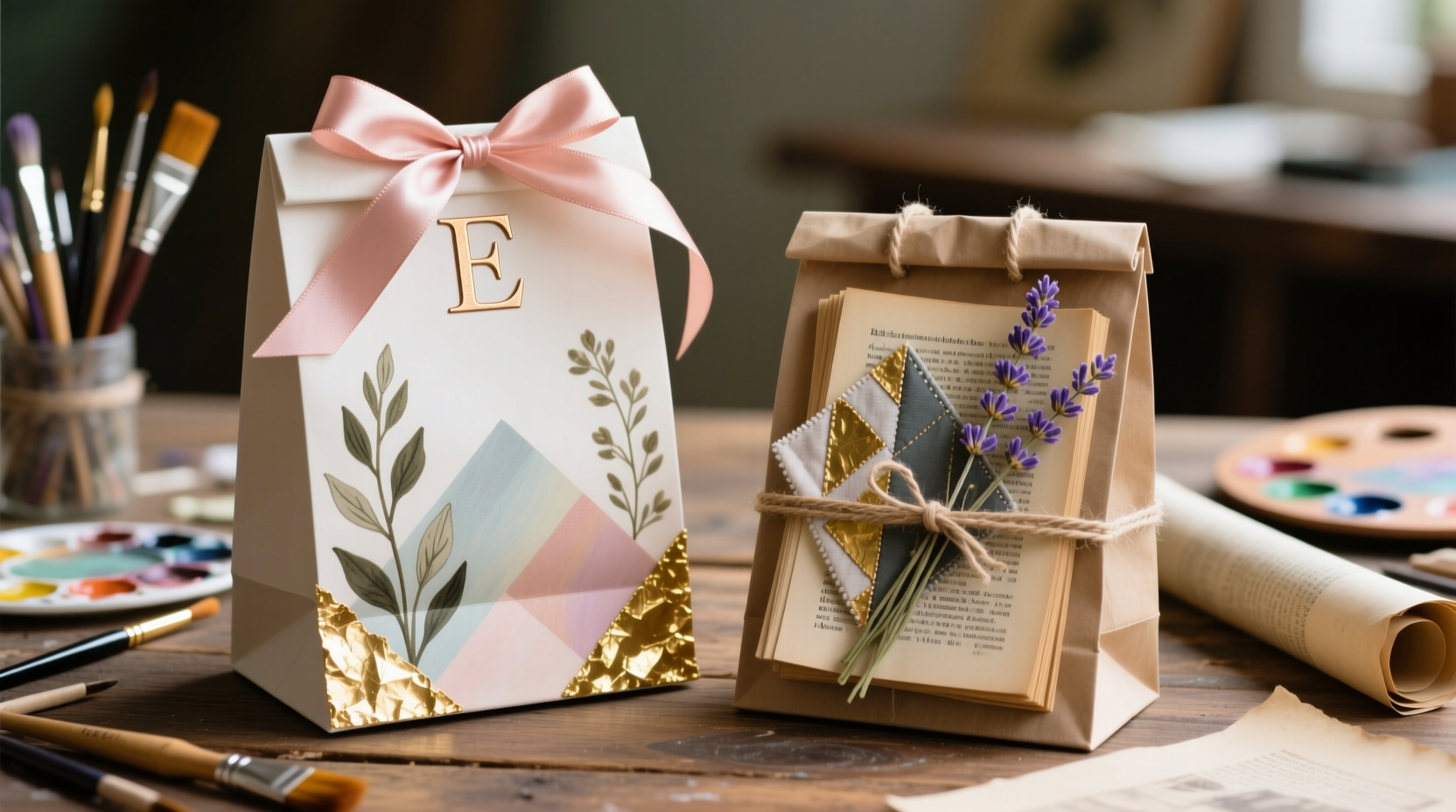
Turn a plain or slightly worn bag into a custom piece by adding meaningful details. Attach a small charm, a hand-stamped tag, or a mini envelope labeled “A Note Inside” to create curiosity and perceived value.
For weddings or baby showers, attach a tiny dried flower or lace swatch. These personal touches shift focus from the bag itself to the sentiment behind the gift.
5. Dye or Paint Over Faded Areas
Solid-color bags that have faded due to sunlight exposure can often be revived with fabric paint or spray dye—especially if they contain synthetic fibers or coated finishes.
Use stencils to add patterns or dip-dye the lower half for an ombre effect. Allow proper drying time and test on a small area first. Once sealed with a protective spray, the result looks less like a repair and more like a designer collaboration.
Step-by-Step Guide: Restoring a Worn Gift Bag
Follow this timeline to professionally restore a moderately used gift bag in under two hours:
- Day 1 – Clean & Assess (10 minutes): Dust the bag with a dry microfiber cloth. Check for loose threads, peeling lamination, or stains. Set aside for deeper treatment if needed.
- Step 2 – Repair Structure (20 minutes): Reattach loose handles with strong craft glue or needle and thread. Patch small holes with matching paper and adhesive. Let dry completely.
- Step 3 – Surface Refresh (30 minutes): Apply washi tape borders, stickers, or paint designs to conceal wear. Blend edges seamlessly for a custom look.
- Step 4 – Handle Upgrade (15 minutes): Wrap old cords with ribbon or braid in a new fabric strip. Knot ends decoratively.
- Step 5 – Final Touches (15 minutes): Insert fresh tissue paper, tie with twine or silk cord, and add a handwritten tag. Store flat until gifting.
This process turns what might seem like a throwaway item into a unique, high-effort presentation piece—without spending more than a few dollars.
Smart Storage Tips to Preserve Quality
How you store your gift bags between uses determines whether they remain reusable or degrade quickly. Follow these best practices:
- Store bags upright or fully flattened—never crumpled.
- Keep away from direct sunlight and humidity (e.g., attics or basements).
- Use a dedicated bin or closet shelf labeled by size or occasion.
- Place heavier bags at the bottom; delicate ones on top or in separate compartments.
Do’s and Don’ts of Gift Bag Reuse
| Do | Don’t |
|---|---|
| Patch minor tears with matching paper and glue | Use masking tape or duct tape for repairs |
| Add embellishments to distract from flaws | Overload the bag with heavy gifts beyond its capacity |
| Wipe down laminated surfaces with a damp cloth | Soak paper-based bags in water or cleaner |
| Label stored bags by size and theme for easy access | Stack too many bags loosely—this causes crushing |
| Use fabric-safe dyes to refresh faded areas | Apply oil-based paints without testing adhesion first |
Mini Case Study: Reviving Holiday Bags for Year-Round Use
Sarah K., a teacher from Portland, collects holiday-themed gift bags each December. After the season ends, instead of storing them for another year, she transforms them for spring and summer occasions.
Last January, she took three red-and-green holiday bags with slightly bent corners and rewired their identity. She painted over the Christmas motifs with pastel acrylics, added floral decals, and replaced the red ribbons with jute twine and pressed daisies. The result? Three charming Easter baskets for her students’ end-of-term gifts.
“No one guessed they were reused,” she says. “In fact, two parents asked where I bought them—they thought they were boutique items.” Her approach saved her $18 and kept three bags out of the landfill.
Checklist: How to Reuse a Gift Bag Like a Pro
Before gifting a reused bag, go through this checklist to ensure it looks polished and intentional:
- ☐ Inspect for rips, stains, or weak seams
- ☐ Clean surface with appropriate method (dry wipe, light polish)
- ☐ Repair any structural damage (handles, base, folds)
- ☐ Conceal wear with artistic covers or decorative elements
- ☐ Upgrade closure method (ribbon, seal, tag)
- ☐ Insert fresh, high-quality tissue paper
- ☐ Store properly until ready to gift
Frequently Asked Questions
Can I wash a gift bag?
It depends on the material. Laminated paper or plastic-coated bags can be wiped with a damp cloth and mild soap. Never submerge paper-based bags in water. Fabric-lined bags may tolerate spot cleaning, but always air dry flat. When in doubt, avoid moisture altogether.
Will people notice if I reuse a gift bag?
Only if you draw attention to it. Most recipients focus on the gift inside, not the container—especially when the presentation is thoughtful. Adding personalized touches makes the bag feel unique, not recycled. In blind tests, fewer than 20% of recipients identified a reused bag when it was creatively refreshed.
What types of gift bags are best for reuse?
Look for thick paper stock, double-layer construction, reinforced handles, and non-porous finishes. Bags with minimalist designs or solid colors are easier to customize than those with intricate prints. Avoid ultra-thin, crinkly, or easily torn materials—they rarely survive a second use.
Conclusion: Turn Reuse Into a Signature Style
Reusing gift bags doesn’t mean settling for less—it means choosing smarter, more creative ways to give. With basic supplies and a few imaginative tweaks, any bag can be transformed from “used” to “uniquely crafted.” The goal isn’t perfection; it’s personality. When you invest time in restoring a bag, you’re not just saving money—you’re adding layers of care that mass-produced packaging can’t replicate.
Start small: pick one bag from your collection, assess its potential, and apply one of the fixes mentioned here. Over time, you’ll build a curated inventory of reusable containers that reflect your style, values, and attention to detail. Sustainability doesn’t require sacrifice—it thrives on innovation.




 浙公网安备
33010002000092号
浙公网安备
33010002000092号 浙B2-20120091-4
Comments
No comments yet. Why don't you start the discussion?