
Sheet masks have become a staple in modern skincare routines, offering a convenient and luxurious way to deliver concentrated ingredients directly to the skin. With their popularity comes a common question: can you reuse a sheet mask to stretch its value or enhance results? While the idea of reusing a mask may seem economical or eco-conscious, it raises concerns about hygiene, efficacy, and skin safety. Understanding the science behind sheet masks, proper usage techniques, and smart strategies for maximizing benefits is essential for anyone looking to optimize their skincare regimen without compromising health.
The Science Behind Sheet Masks
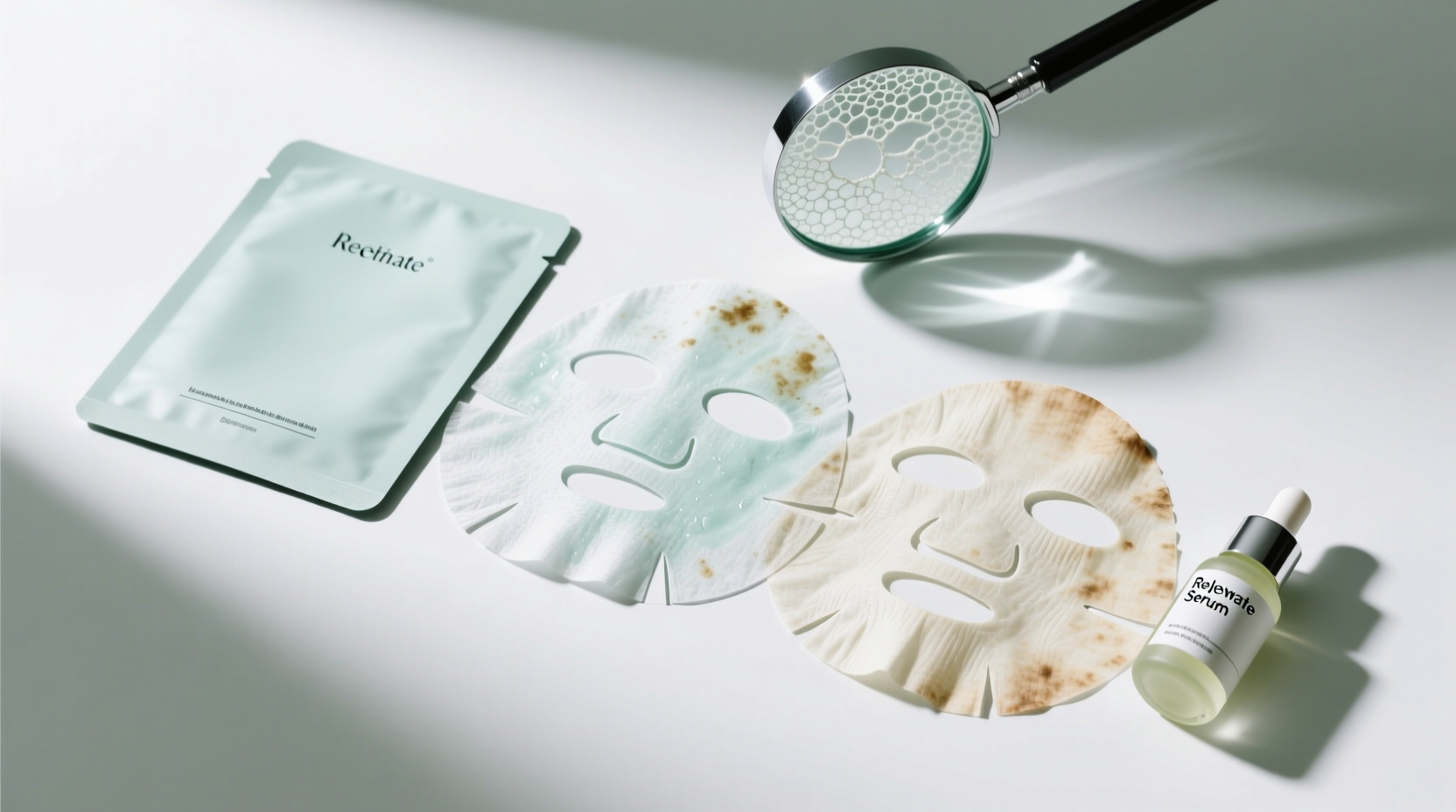
Sheet masks are thin, fabric-based sheets soaked in serums containing active ingredients like hyaluronic acid, niacinamide, vitamin C, peptides, and botanical extracts. The material—typically made from cellulose, cotton, hydrogel, or bio-cellulose—acts as a physical barrier that prevents evaporation, allowing the skin to absorb more nutrients over time. When applied correctly, the occlusive effect enhances penetration and hydration, making them more effective than applying serum alone.
However, once a sheet mask is removed from its packaging and placed on the face, it becomes exposed to environmental bacteria, dead skin cells, and sebum. This contamination begins immediately. Even if stored in a refrigerator afterward, the risk of microbial growth increases significantly after the first use. Dermatologists emphasize that the sterile environment of the original sealed pouch is critical to the product’s safety and performance.
“Once a sheet mask touches your skin, it picks up bacteria and oils. Reapplying it later—even minutes after removal—can introduce pathogens back into pores, increasing the risk of breakouts or irritation.” — Dr. Lena Park, Board-Certified Dermatologist
Why Reusing a Sheet Mask Is Not Recommended
Despite anecdotal claims online about doubling up on masking sessions, reusing a single-use sheet mask poses several risks:
- Hygiene concerns: Your skin sheds thousands of cells daily, and pores release oil and sweat. These substances transfer to the mask upon contact, creating a breeding ground for bacteria when stored.
- Reduced effectiveness: Most of the serum is absorbed during the first 15–20 minutes of application. What remains is minimal and often oxidized or contaminated.
- Potential irritation: Preservatives in the serum are designed for single exposure. Extended storage breaks down these agents, increasing the chance of allergic reactions or sensitization.
- Material degradation: Fabric fibers lose integrity after stretching across facial contours, reducing their ability to adhere properly in subsequent uses.
Smart Ways to Maximize Each Sheet Mask
If the goal is to get the most value from each mask—not by reusing it, but by optimizing its effects—there are proven methods to enhance absorption and prolong benefits. The key lies in preparation, timing, and follow-up care.
Step-by-Step Guide: How to Use a Sheet Mask Effectively
- Cleanse thoroughly: Start with a clean face using a gentle cleanser to remove makeup, sunscreen, and impurities. This allows better penetration of active ingredients.
- Exfoliate (1–2 times per week): Light chemical exfoliation with AHAs or BHAs removes dead skin cells that block absorption. Avoid physical scrubs right before masking to prevent micro-tears.
- Apply a toner or essence: Pre-hydrate the skin with a hydrating toner or lightweight essence to prime the surface for deeper nutrient uptake.
- Unfold and position carefully: Align the mask precisely with your eyes, nose, and mouth. Smooth out air pockets so the fabric adheres fully to all areas.
- Relax for 15–20 minutes: Do not exceed 20 minutes, as prolonged wear can cause reverse osmosis—where the drying mask pulls moisture back from the skin.
- Massage residual serum: After removing the mask, gently pat the leftover serum into the skin until absorbed. Don’t rinse unless specified.
- Seal with moisturizer: Lock in hydration with a nourishing cream or balm, especially around the cheeks and jawline where dryness often occurs.
- Use at night: Apply masks in the evening when skin regeneration peaks. Pair with other nighttime treatments like retinoids (after waiting 15 minutes) for layered benefits.
Extend Benefits Beyond the Face
The leftover serum in the packet is still potent. Instead of discarding it, repurpose it for other areas:
- Apply to the neck and décolletage, which show aging signs early.
- Soak cotton pads and place them on elbows, knees, or cuticles for targeted hydration.
- Use on the backs of hands—often neglected but highly visible.
Choosing the Right Mask for Your Skin Type
Not all sheet masks are created equal. Selecting the correct formulation based on your skin type ensures maximum benefit without irritation. Here’s a quick reference guide:
| Skin Type | Recommended Ingredients | Masks to Avoid |
|---|---|---|
| Dry | Hyaluronic acid, ceramides, squalane, glycerin | Alcohol-heavy formulas, clay-infused masks |
| Oily/Acne-Prone | Niacinamide, tea tree extract, centella asiatica, salicylic acid | Heavy oils, occlusive silicones, fragranced variants |
| Sensitive | Allantoin, panthenol, chamomile, oat extract | Fragrance, essential oils, high concentrations of acids |
| Combination | Balanced blends with light hydration and mild brighteners | Overly drying or overly greasy textures |
| Mature | Peptides, collagen, adenosine, antioxidants (vitamin C, E) | Irritating actives like strong acids or alcohol denat. |
Using the right mask consistently—1 to 3 times per week depending on formulation—leads to cumulative improvements in texture, tone, and resilience. Overuse, however, can overwhelm the skin barrier, especially with potent ingredients like acids or retinol derivatives.
Real Example: Sarah’s Skincare Optimization Journey
Sarah, a 34-year-old marketing executive, used sheet masks twice weekly but noticed inconsistent results. Her skin felt tight after use, and she occasionally experienced redness. Upon reviewing her routine with a licensed esthetician, she discovered several issues: she was leaving masks on for 30 minutes, skipping moisturizer afterward, and using brightening masks formulated for oily skin despite having dry, sensitive cheeks.
After adjusting her approach—shortening wear time to 18 minutes, switching to hydrating bio-cellulose masks with ceramides, and sealing with a rich night cream—she saw visible improvement within three weeks. Her complexion appeared plumper, calmer, and more even-toned. She also began using the leftover serum on her hands and neck, which colleagues complimented.
This case illustrates that technique and product selection matter more than frequency or cost. Thoughtful usage yields better outcomes than aggressive or habitual application.
Checklist: Get the Most Out of Every Sheet Mask
- ✅ Cleanse and prep skin before masking
- ✅ Exfoliate gently 1–2 times per week (not every session)
- ✅ Use within 15–20 minutes; never sleep with a sheet mask on
- ✅ Pat in remaining serum—don’t wipe it off
- ✅ Follow with moisturizer or facial oil to lock in hydration
- ✅ Repurpose leftover serum for neck, hands, or cuticles
- ✅ Store unused masks in a cool, dark place (not the bathroom)
- ✅ Discard the mask after one use—no exceptions
Frequently Asked Questions
Can I refrigerate a used sheet mask and reuse it tomorrow?
No. Refrigeration slows bacterial growth but does not eliminate it. Once a mask contacts your skin, it becomes contaminated. Reapplying it introduces microbes back into your pores, increasing the risk of acne or infection.
How long should I leave a sheet mask on?
Most dermatologists recommend 15 to 20 minutes. Leaving it on longer causes the fabric to dry out and pull moisture from your skin, leading to dehydration. Always follow the instructions on the packaging.
Are there reusable sheet masks available?
Yes—some brands offer washable silicone or fabric masks designed to be paired with your own serums. These are hygienic and eco-friendly alternatives to disposable versions. However, they do not contain pre-soaked精华 and require separate product investment.
Final Thoughts: Quality Over Quantity
Sheet masks are not meant to be reused—but they don’t need to be. Their true value lies in how you use them, not how many times. By treating each mask as a targeted treatment rather than a passive ritual, you unlock superior hydration, clarity, and radiance. Focus on consistency, proper layering, and skin-specific choices instead of chasing shortcuts like reuse.
Skincare is both science and self-care. When done right, a single 20-minute masking session can deliver visible rejuvenation while offering a moment of mindfulness in a busy day. Respect the product, honor your skin’s needs, and let results speak for themselves.




 浙公网安备
33010002000092号
浙公网安备
33010002000092号 浙B2-20120091-4
Comments
No comments yet. Why don't you start the discussion?