
Ziplock bags are a staple in kitchens across the world—convenient, affordable, and versatile for storing snacks, leftovers, and meal prep. But as environmental awareness grows and sustainability becomes a priority, many people are asking: can these plastic bags be reused safely? The answer is yes—but only if done correctly. Improper reuse can lead to bacterial contamination, lingering odors, or compromised seals. This guide walks through the science, safety standards, and best practices for washing, drying, and reusing Ziplock bags without risking your health or diminishing their functionality.
Understanding the Safety of Reusing Ziplock Bags
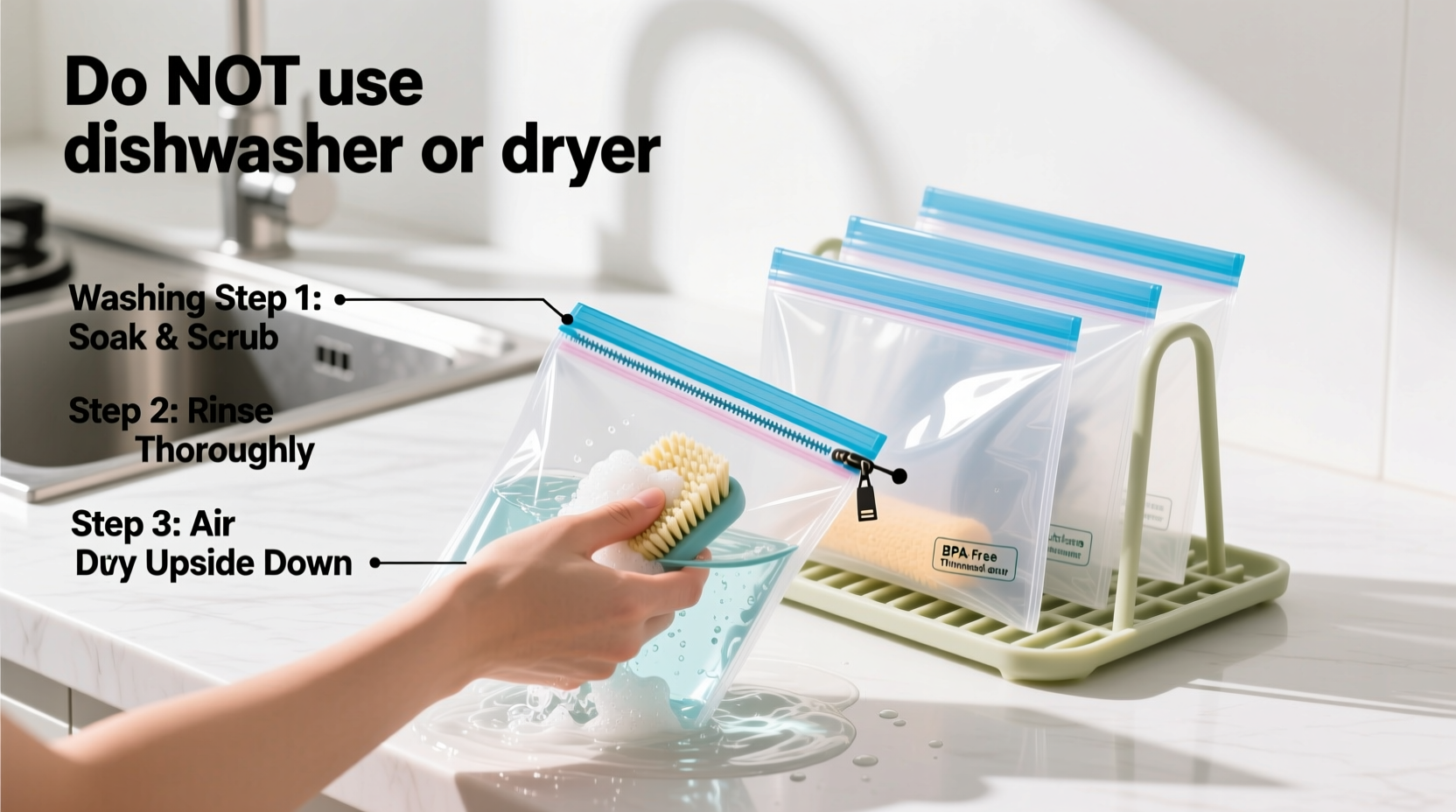
Manufacturers like Ziploc state that their bags are designed for single use, primarily due to food safety concerns. However, with careful handling, many reusable applications are possible—especially when storing dry goods, non-perishable items, or foods not prone to bacterial growth. The key lies in understanding what makes a bag unsafe and how to prevent those risks.
The primary dangers of reusing Ziplock bags stem from:
- Bacterial buildup: Residual moisture and food particles create ideal conditions for bacteria like E. coli or Salmonella.
- Fat and oil residue: Greasy foods leave behind films that are hard to clean and can degrade plastic over time.
- Physical damage: Cracks, tears, or worn seals compromise the bag’s ability to lock in freshness and keep contaminants out.
- Cross-contamination: Using the same bag for raw meat and then vegetables increases the risk of foodborne illness.
According to the U.S. Department of Agriculture (USDA), plastic storage containers and bags should be thoroughly cleaned after each use if they’re to be reused. While Ziplock bags aren’t marketed as reusable, treating them with the same care as Tupperware significantly reduces risk.
“Plastic zipper bags can be reused safely if washed promptly, dried completely, and reserved for appropriate food types.” — Dr. Linda Harris, Food Safety Specialist, UC Davis
Step-by-Step Guide: How to Wash Ziplock Bags Properly
Reusing a Ziplock bag isn’t as simple as rinsing it under water. To ensure cleanliness and longevity, follow this detailed cleaning process.
- Empty and rinse immediately: After use, empty any remaining contents and rinse the bag with lukewarm water. Do this as soon as possible to prevent food from drying and sticking.
- Turn inside out (optional but recommended): For better access to corners and crevices, gently turn the bag inside out using a spoon handle or chopstick. This exposes trapped debris along the seams.
- Wash with mild dish soap: Fill the sink with warm water and a few drops of fragrance-free dish soap. Submerge the bag and scrub the interior with a soft sponge or bottle brush. Avoid abrasive pads that can scratch the plastic.
- Focus on the zipper track: The seal area often traps food. Use an old toothbrush to gently scrub both sides of the zipper to remove buildup.
- Rinse thoroughly: Turn the bag right-side out and rinse under running water until no suds remain. Any soap residue can affect taste and encourage microbial growth.
- Sanitize (for high-risk uses): If the bag held raw meat, eggs, or dairy, consider sanitizing by soaking in a solution of 1 tablespoon white vinegar or bleach per quart of water for 5 minutes. Rinse again afterward.
Drying Techniques That Prevent Mold and Odor
One of the most overlooked steps in reusing Ziplock bags is drying. Trapped moisture promotes mold, mildew, and unpleasant smells—even after thorough washing.
Here are effective drying methods:
- Air-dry upside down: Prop the bag open over a bottle neck or hang it with a clothespin so the opening faces downward. Gravity helps drain water and speeds evaporation.
- Use a drying rack: Place cleaned bags on a dish rack with the zipper side up to allow airflow. Avoid stacking wet bags.
- Pat dry with paper towels: Gently blot the interior with a clean towel before air-drying to reduce drying time.
- Avoid towel drying with fabric: Cloth towels may transfer lint or bacteria; paper towels are safer for initial blotting.
Drying can take 6–12 hours depending on humidity. Never store a damp bag—it defeats the purpose of cleaning and invites microbial growth.
When Air-Drying Isn't Enough: Accelerated Methods
In humid climates or busy households, passive drying may not suffice. Consider these alternatives:
- Fan-assisted drying: Place bags near a fan to increase airflow.
- Dehumidifier room: Dry bags in a room with low humidity to prevent condensation.
- Reusable drying clips: Specialty plastic clips hold the bag open vertically, maximizing exposure to air.
Do’s and Don’ts of Reusing Ziplock Bags
| Do’s | Don’ts |
|---|---|
| Reuse bags that held fruits, vegetables, bread, or dry snacks | Reuse bags that contained raw meat, poultry, or fish (unless sanitized and used only for same category) |
| Wash bags immediately after use | Leave food residue in the bag overnight |
| Dry bags completely before reuse | Store wet or damp bags in drawers or cabinets |
| Inspect seals regularly for wear | Use bags with cracks, cloudiness, or warped zippers |
| Designate specific bags for specific uses (e.g., snacks, sandwiches) | Mix uses between raw and ready-to-eat foods |
Real Example: A Busy Parent’s Reusable Bag System
Sarah, a mother of three in Portland, Oregon, reduced her household’s plastic waste by 30% simply by reusing Ziplock bags. She keeps a bin under the sink labeled “Used Bags” where all clean-but-wet bags go after dinner. Each morning, she transfers them to a drying rack near the window. By evening, they’re dry and ready to be folded and stored in a drawer.
She assigns colors: green bags for veggies, blue for sandwiches, clear for dry snacks. When a bag starts to look cloudy or doesn’t seal well, she retires it for non-food uses—like holding craft supplies or hardware screws. Her kids now help identify which bags are safe to reuse, turning it into a family habit rooted in responsibility and practicality.
This system works because Sarah prioritizes prompt cleaning, consistent drying, and clear labeling—proving that even small changes can scale into meaningful impact.
How Many Times Can You Safely Reuse a Ziplock Bag?
There’s no universal number, but most experts agree that with proper care, a Ziplock bag can be reused 3 to 10 times depending on usage. Factors include:
- Type of food stored (dry vs. greasy vs. acidic)
- Frequency and method of cleaning
- Exposure to heat or sharp objects
- Quality of the original bag (thicker freezer bags last longer)
Freezer-grade Ziplock bags are thicker and more durable than sandwich bags, making them better candidates for reuse. Sandwich bags, while convenient, tend to wear out faster due to thin material and weaker seals.
Retire a bag when you notice any of the following:
- Cloudy or hazy appearance (sign of micro-scratches trapping bacteria)
- Faded color or stiffness
- Zipped seal no longer clicks shut
- Unpleasant odor that persists after washing
- Visible cracks or pinholes
“The lifespan of a reusable plastic bag depends less on how many times you use it and more on how well you treat it between uses.” — Dr. Mark Edwards, Environmental Health Researcher, Johns Hopkins University
Checklist: Safe Reuse Protocol for Ziplock Bags
Follow this checklist every time you plan to reuse a Ziplock bag:
- ☐ Was the bag used for a safe food type? (Avoid raw meat, oily foods, or highly acidic items.)
- ☐ Was it rinsed immediately after use?
- ☐ Was it washed with soap and a brush, including the zipper track?
- ☐ Was it sanitized (if needed) with vinegar or diluted bleach?
- ☐ Was it rinsed thoroughly to remove all soap or sanitizer?
- ☐ Was it dried completely, inside and out, before storage?
- ☐ Does the seal still close tightly and make a snapping sound?
- ☐ Is there no discoloration, odor, or physical damage?
If you answered “no” to any of the above, retire the bag. It’s not worth the risk.
FAQ: Common Questions About Reusing Ziplock Bags
Can I put Ziplock bags in the dishwasher?
Yes, but with caution. Place bags upside down on the top rack so water drains out, and avoid high-heat drying cycles. The intense heat can warp plastic and weaken seals. Even then, hand-washing is more reliable for ensuring the zipper is fully cleaned.
Are reusable silicone bags a better alternative?
For frequent reuse, yes. Silicone bags (like Stasher or ZipTop) are designed for repeated use, tolerate boiling and freezing, and resist odor absorption. They’re more expensive upfront but cost-effective over time and eliminate the guesswork of reusing disposable plastics.
Can I freeze food in a reused Ziplock bag?
Only if the bag is undamaged, originally rated for freezing, and has been properly cleaned and dried. Freezing amplifies weaknesses—any tiny puncture or degraded seal can lead to freezer burn or contamination. When in doubt, use a new bag for frozen storage.
Conclusion: Smart Reuse Starts with Responsibility
Reusing Ziplock bags isn’t just about saving money—it’s about reducing plastic waste and making mindful choices in everyday routines. With proper washing, thorough drying, and vigilant inspection, many bags can be safely reused multiple times. The key is consistency and attention to detail. Treat each bag like a reusable container, not a throwaway item, and you’ll extend its life while protecting your health.
Start small: pick one type of food storage to transition into a reusable system. Whether it’s packing school lunches or organizing pantry items, every clean, dry, well-maintained bag kept in rotation is one less piece of plastic heading to landfills. Make hygiene a habit, share these practices with others, and turn convenience into sustainability—one zipper at a time.




 浙公网安备
33010002000092号
浙公网安备
33010002000092号 浙B2-20120091-4
Comments
No comments yet. Why don't you start the discussion?