
Gift cards are convenient, popular, and widely used—but they come with hidden risks. Unlike credit or debit cards, most gift cards lack robust consumer protections. Once lost or stolen, the money is often gone for good. A critical question arises: can you track a gift card? The answer isn’t straightforward and depends on the type of card, where it was purchased, and whether it was registered. Understanding the limitations and risks around gift card tracking, privacy, and security is essential for protecting your funds.
How Gift Cards Work: The Basics
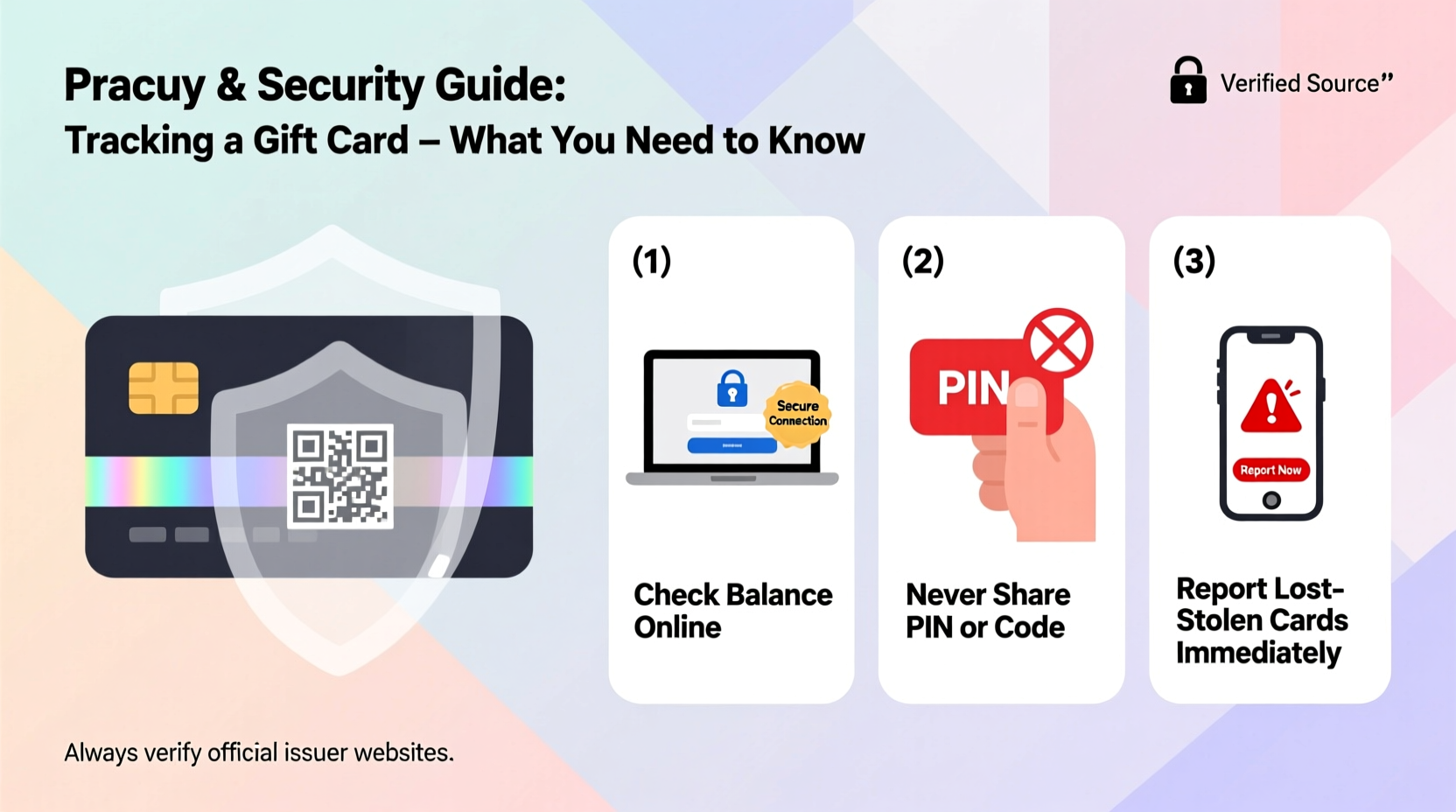
Gift cards operate as prepaid stored-value cards. They’re loaded with a set amount of money and can be used until the balance is depleted. There are two main types: open-loop and closed-loop.
- Open-loop cards: Issued by major payment networks (e.g., Visa, Mastercard). These can be used anywhere that accepts the network, offering more flexibility.
- Closed-loop cards: Tied to a specific retailer (e.g., Amazon, Walmart, Starbucks). Use is limited to that brand or its affiliates.
Neither type typically requires personal identification at purchase—this is both a convenience and a vulnerability. Because no ID is needed, there’s no automatic link between the buyer and the card, making tracking difficult unless the card has been registered.
Can You Track a Gift Card?
The short answer: usually not—unless the card has been registered or is part of a digital wallet system.
Physical gift cards bought with cash at retail stores are largely untraceable. The transaction is anonymous, and the card number alone doesn’t tie back to an individual. If someone steals the card or accesses the code online, they can spend the balance without detection.
Digital gift cards sent via email or through apps (like Apple Wallet or Google Pay) offer slightly better tracking. These are often linked to accounts, allowing the sender or recipient to view usage history. However, once the code is accessed or forwarded, control may be lost.
Some retailers allow users to register their gift cards online. Registration creates a record tied to an email address, enabling balance checks and, in rare cases, recovery if the card is lost or compromised. But this feature is optional and underused.
“Most gift cards are treated like cash. If you lose them, we can’t replace them.” — Retail Customer Service Representative, Major U.S. Department Store
Privacy and Security Risks
Because gift cards lack federal protections like those for credit cards (such as Regulation Z), consumers bear the full risk of loss. Scammers exploit this through several methods:
- Card skimming: Thieves copy card numbers and PINs from physical cards on store racks, then wait for someone to activate them before draining the balance.
- Email phishing: Fraudsters send fake messages claiming to be from retailers, tricking recipients into revealing gift card codes.
- Reshipping scams: In online marketplaces, scammers request gift cards as “payment” for non-existent goods.
A 2022 report from the Federal Trade Commission (FTC) found that gift cards were the second-most common payment method used in imposter scams, with losses exceeding $148 million that year alone.
What Happens When a Gift Card Is Stolen?
If a gift card is stolen before activation, nothing happens—the balance remains zero. But once activated or loaded, the funds are vulnerable. Most retailers will not refund or replace a stolen card unless it was registered and the theft is reported quickly.
In some cases, if suspicious activity is detected shortly after activation, customer service may freeze the remaining balance while investigating. But success varies widely by company policy and timing.
Step-by-Step Guide to Protecting Your Gift Card
While tracking capabilities are limited, proactive steps can reduce risk and improve the chances of monitoring or recovering value.
- Register the card immediately: Visit the issuer’s website and enter the card number and PIN to create an account link.
- Check the balance regularly: Monitor usage, especially after gifting or storing the card.
- Keep records: Save the receipt, card number, and PIN separately (not together).
- Avoid public sharing: Never post photos of gift cards on social media—barcodes and codes can be scanned.
- Use digital wallets when possible: Apple, Google, and retailer-specific apps provide better oversight than paper cards.
- Report issues promptly: Contact customer service at the first sign of unauthorized use.
Do’s and Don’ts of Gift Card Safety
| Do | Don't |
|---|---|
| Register your card online | Leave gift cards visible in public |
| Store receipts and card info separately | Share card codes on social media |
| Monitor balance weekly | Assume lost cards can be replaced |
| Use strong passwords for associated accounts | Buy gift cards from third-party sellers online |
| Report suspicious activity immediately | Give gift card numbers to callers claiming to be from tech support or government agencies |
Real Example: How One Family Lost $300 in Minutes
Sarah received a $300 home improvement gift card for her birthday. She placed it on the kitchen counter while deciding where to use it. Two days later, she checked the balance online—$0.
She contacted the retailer, who confirmed the entire amount had been spent in a single online transaction. Surveillance showed no unusual login attempts on her account, but the card had never been registered. Without proof of ownership beyond the original receipt, the company declined to reimburse her.
An investigation revealed that a family guest had taken a photo of the card “for fun” and later shared it in a group chat. Someone else used the code. This case highlights how easily unregistered cards can be exploited—even within trusted circles.
Frequently Asked Questions
Can police track a gift card?
No, law enforcement cannot track a gift card like a bank account. Without registration or a linked identity, there is no trail to follow. Police generally won’t investigate small-dollar gift card theft unless it's part of a larger fraud scheme.
What should I do if my gift card was hacked?
Contact the issuer immediately. Provide the card number, PIN, and any purchase receipts. Ask if they can review recent transactions or flag the card. While recovery is unlikely, reporting helps prevent further misuse and contributes to fraud pattern analysis.
Are digital gift cards safer than physical ones?
Yes, generally. Digital cards delivered through secure platforms (e.g., official apps or encrypted email) reduce the risk of physical theft or tampering. They also often include usage alerts and easier balance tracking. However, they’re still vulnerable to phishing and account hacking.
Conclusion: Stay Informed, Stay Protected
Can you track a gift card? Only under specific conditions—registration, digital delivery, or timely reporting. For most people, the reality is that gift cards offer little recourse once compromised. Privacy is minimal, and security rests almost entirely on the user.
The best defense is awareness and action. Register every eligible card, monitor balances, and never treat gift cards as disposable. As fraud evolves, so must our habits. By treating gift cards with the same caution as cash, you can enjoy their convenience without falling victim to preventable losses.




 浙公网安备
33010002000092号
浙公网安备
33010002000092号 浙B2-20120091-4
Comments
No comments yet. Why don't you start the discussion?