
Many cat owners assume that training an older cat is futile—especially when it comes to changing ingrained behaviors like scratching furniture. But age doesn’t eliminate a cat’s capacity to learn. With the right approach, patience, and consistency, even a 10-year-old feline can be guided toward using a scratching post instead of your sofa. The key lies in understanding feline instincts, addressing environmental triggers, and applying humane, reward-based techniques. This guide outlines proven methods backed by animal behaviorists and real-world success stories to help you redirect your senior cat’s scratching habits.
Why Cats Scratch—and Why Age Doesn’t Stop It
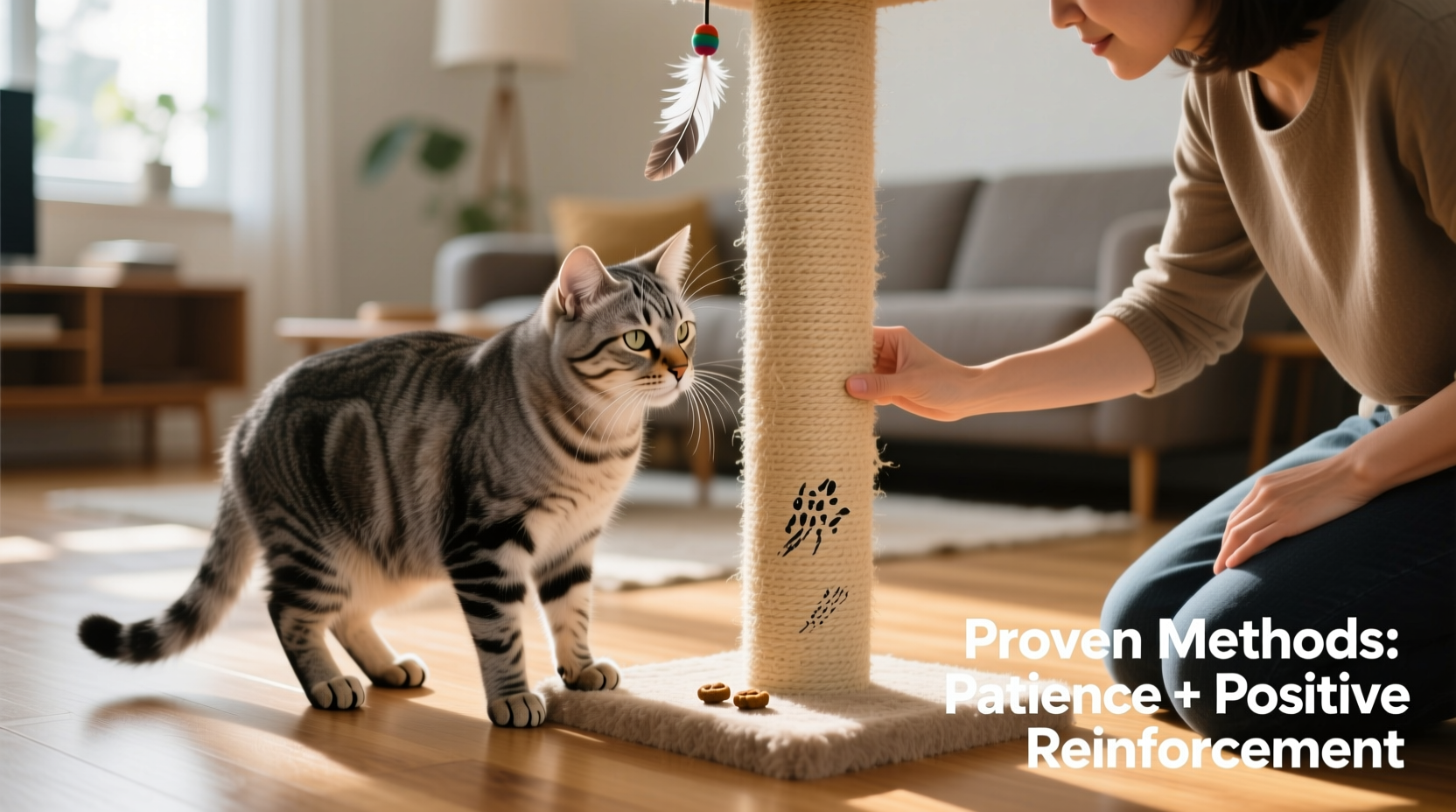
Scratching is a natural, instinctive behavior for cats at every life stage. It serves multiple purposes: marking territory via scent glands in their paws, stretching muscles, shedding old claw sheaths, and relieving stress. While kittens may scratch out of curiosity, adult and senior cats do so as part of their daily routine. Older cats often intensify scratching due to arthritis-related stiffness—they stretch more frequently to stay limber. Punishing this behavior or assuming it will fade with age leads to frustration for both pet and owner.
According to Dr. Sarah Carter, a certified feline behavior consultant, “Cats don’t ‘grow out’ of scratching. They grow into better routines—if we give them the right tools.” Suppressing scratching without offering alternatives increases anxiety and can lead to other behavioral issues, such as inappropriate elimination or aggression.
“Scratching isn’t destructive behavior—it’s functional. Our job is to redirect it, not eliminate it.” — Dr. Sarah Carter, DVM, Feline Behavior Specialist
Step-by-Step Guide to Training an Older Cat
Training an older cat requires a structured, empathetic process. Unlike kittens, senior cats are less adaptable but more predictable in their habits. Use this six-phase timeline to transition your cat from furniture to a designated scratching post.
- Assess Current Behavior (Days 1–3): Observe when, where, and why your cat scratches. Note preferred surfaces (carpet, wood, fabric) and locations (near windows, after naps).
- Select the Right Scratching Post (Day 4): Choose a post that matches your cat’s preferences. Tall vertical posts (at least 30 inches) suit stretchers; horizontal or angled boards work for cats that prefer side-scratching.
- Strategic Placement (Day 5): Position the post directly in front of or beside the furniture they currently scratch. Gradually shift it later if needed.
- Positive Reinforcement (Ongoing): Reward your cat immediately after they use the post. Use treats, verbal praise, or a favorite toy.
- Scent and Visual Cues (Days 6–14): Rub the post with catnip or silver vine. Attach a feather toy or dangle a string to encourage interaction.
- Phase Out Old Habits (Weeks 3–6): Cover scratched furniture with double-sided tape, aluminum foil, or a tightly fitted slipcover. Never use sprays that cause fear.
Choosing the Right Scratching Post: What Works for Older Cats
Not all scratching posts are created equal—especially for aging cats with mobility or joint issues. A poorly designed post can discourage use regardless of training effort. Consider these factors when selecting one:
- Stability: The post must not wobble. Older cats avoid unstable objects due to balance concerns.
- Height: At least shoulder-height when standing on hind legs. Some seniors benefit from low-angle scratchers near resting areas.
- Material: Sisal rope is ideal—durable and satisfying to shred. Avoid plush carpet covers, which many cats find unappealing.
- Base Weight: A heavy base or wall-mounted option prevents tipping.
| Scratcher Type | Best For | Avoid If… |
|---|---|---|
| Tall Vertical Sisal Post | Cats who stretch fully after sleeping | Your cat has hip dysplasia or avoids jumping |
| Horizontal Cardboard Scratcher | Sedentary or arthritic cats | They prefer vertical surfaces |
| Angled Sisal Board | Cats who scratch couch arms | No wall space available |
| Multi-Level Tower with Scratching | Active seniors needing stimulation | Space is limited |
Place multiple scratchers around the home—especially near sleeping areas, windows, and entry points. Older cats appreciate convenience and may avoid traveling far to scratch.
Real Example: Re-training Bella, a 12-Year-Old Tabby
Bella had been scratching the same armchair for nine years. Her owner, Mark, tried deterrents like citrus spray and foil, but Bella returned once they were removed. At 12, he assumed her habit was permanent. After consulting a veterinary behaviorist, Mark followed a revised plan:
- Bought a 32-inch sisal post with a wide base.
- Placed it directly in front of the chair.
- Rubbed it with dried silver vine and attached a dangling mouse toy.
- Each time Bella approached the chair, he gently redirected her to the post and rewarded her with a freeze-dried chicken treat.
- After two weeks, he moved the post three inches away from the chair weekly until it stood independently in a sunlit corner.
Within six weeks, Bella used the post exclusively. The old chair was uncovered and remained untouched. “I didn’t think she could change,” Mark said. “But she just needed a better option—and a little encouragement.”
Common Mistakes That Derail Training
Even well-intentioned efforts fail when common errors are made. Avoid these pitfalls:
- Punishment: Hissing, spraying water, or tapping the nose creates fear and erodes trust. The cat learns to scratch when you’re not around—not to stop.
- Wrong Location: Placing the post in a quiet basement corner won’t work. Cats scratch in high-traffic or rest zones.
- Inconsistent Rewards: Reward only the first few uses, then stop. Cats need ongoing positive reinforcement to solidify new habits.
- Low-Quality Scratcher: Flimsy, short, or carpet-covered posts are ignored. Invest in durability.
- Impatience: Expecting change in days sets unrealistic expectations. Senior cats may take 4–8 weeks to adapt.
Proven Techniques Backed by Experts
Veterinary behaviorists emphasize environmental enrichment and operant conditioning. Here are the most effective strategies:
Clicker Training for Target Behavior
Use a clicker to mark the exact moment your cat touches or scratches the post. Follow with a high-value treat (e.g., tuna flakes or chicken). Repeat daily for 5–10 minutes. Over time, the cat associates the sound with reward and repeats the action.
Scent Attraction
Catnip works for about 50–70% of cats. For non-responders, try silver vine or valerian root—both are highly attractive to older cats. Sprinkle loose herb on the post or use a compressed block.
Environmental Pairing
Place the scratching post where your cat naturally stretches—often beside their bed or favorite window perch. You're aligning the desired behavior with existing routines.
Gentle Redirection
If you catch your cat mid-scratch on furniture, calmly lift them and place their paws on the post. Gently mimic scratching motions with their claws. Immediately reward any engagement.
“Older cats respond best to subtle guidance, not force. Think of it as coaching, not commanding.” — Dr. Lena Patel, Veterinary Ethologist
FAQ: Common Questions About Training Older Cats
Can a 15-year-old cat learn to use a scratching post?
Yes. While learning speed slows with age, cognitive function in healthy senior cats remains intact. Motivation, consistency, and comfort are more important than age.
What if my cat hasn’t scratched in months—should I still provide a post?
Absolutely. Even reduced scratching doesn’t mean the need is gone. Arthritic cats may scratch less but still benefit from stretching. A post supports joint health and mental well-being.
Are there health issues that affect scratching behavior?
Yes. Painful conditions like osteoarthritis or dental disease can make stretching uncomfortable, reducing scratching. If your cat suddenly stops, consult a vet. Conversely, over-grooming or excessive scratching may signal anxiety or skin issues.
Checklist: How to Successfully Train Your Older Cat
Follow this actionable checklist to ensure your training plan is comprehensive and effective:
- ✅ Observe your cat’s current scratching patterns for 3 days
- ✅ Purchase a sturdy, appropriately sized scratching post
- ✅ Place the post in a high-use area, ideally blocking access to furniture
- ✅ Apply catnip, silver vine, or a dangling toy to attract attention
- ✅ Reward every correct use with treats or affection
- ✅ Discourage furniture scratching with humane deterrents (e.g., double-sided tape)
- ✅ Be patient—allow 4 to 8 weeks for full transition
- ✅ Schedule regular vet checkups to rule out pain-related causes
Conclusion: Patience and Consistency Yield Results
Training an older cat to use a scratching post isn’t about rewriting their personality—it’s about offering a better solution to a natural need. Proven methods focus on empathy, environment, and positive reinforcement, not punishment or force. Thousands of owners have successfully redirected senior cats using the strategies outlined here. Your cat may be set in their ways, but they’re also capable of adapting when shown a safer, more rewarding path.




 浙公网安备
33010002000092号
浙公网安备
33010002000092号 浙B2-20120091-4
Comments
No comments yet. Why don't you start the discussion?