
Modern homes often feature a blend of flooring types—hardwood in the living room, low-pile carpet in bedrooms, and tile in the kitchen. This mix presents a challenge for cleaning, especially when relying on automated solutions like robot vacuums. Many homeowners wonder: Can a single robot vacuum effectively transition between carpet and hardwood without manual intervention? The answer is yes—but with important caveats. Today’s advanced models are engineered to handle multiple surfaces, but success depends on choosing the right device, understanding its capabilities, and optimizing usage.
Seamless cleaning across carpet and hardwood isn’t just about physical navigation; it involves suction control, brush behavior, sensor intelligence, and maintenance routines. When used correctly, a robot vacuum can maintain consistent cleanliness throughout your home, reducing the need for spot-cleaning or supplemental sweeping. However, not all models perform equally across surfaces, and some require careful setup to avoid issues like scattered debris or over-cleaning.
How Robot Vacuums Detect Floor Types
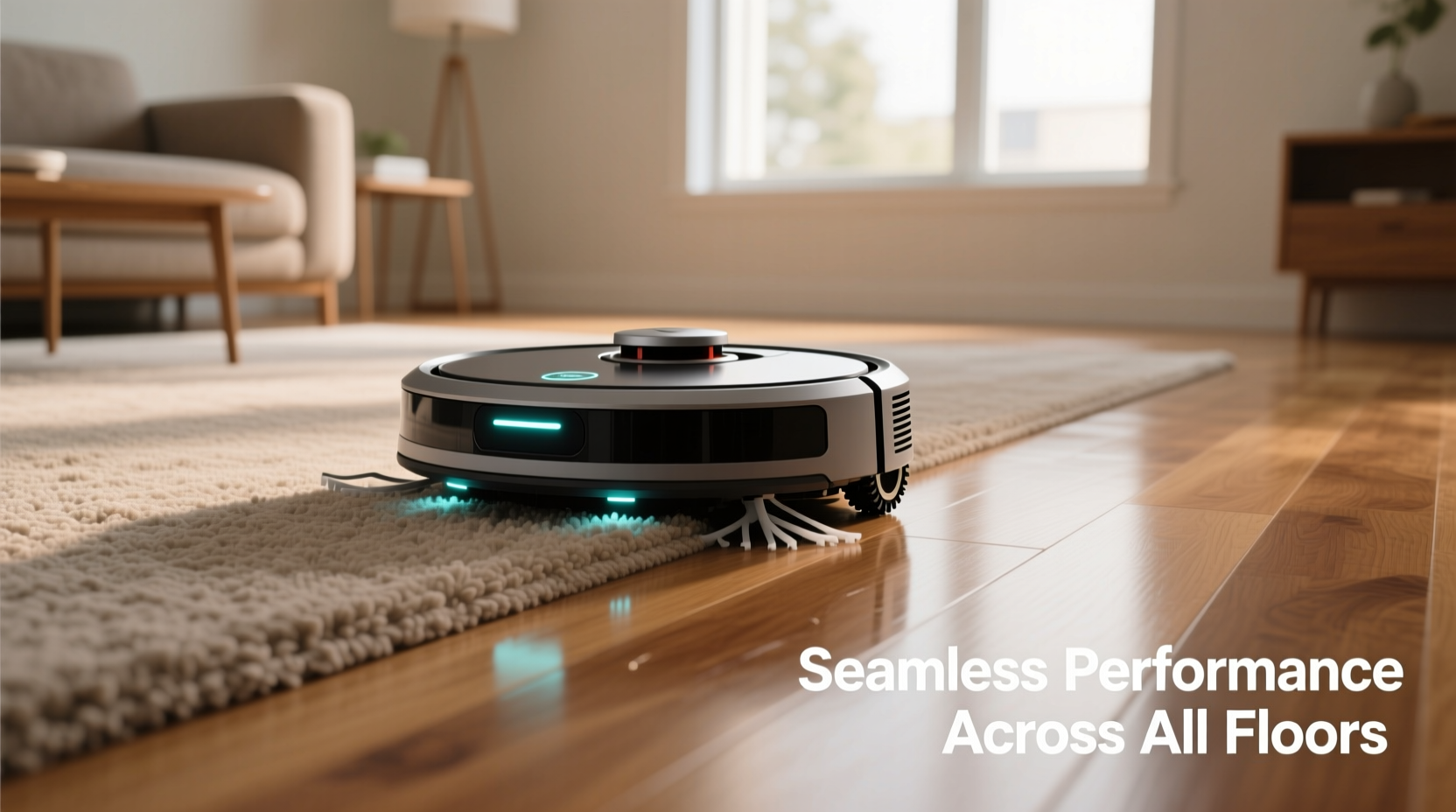
One of the key features enabling seamless transitions between carpet and hardwood is floor detection technology. High-end robot vacuums use a combination of sensors—including infrared, optical flow, and pressure-based systems—to identify changes in surface type. When the device detects a carpeted area, it automatically increases suction power to lift embedded dust and pet hair. On hardwood, it may reduce suction slightly to conserve battery and prevent unnecessary noise.
For example, brands like iRobot (Roomba), Roborock, and Ecovacs employ intelligent carpet boost modes. These systems work by measuring resistance as the wheels roll or analyzing data from cliff sensors to determine if the floor has changed. Once detected, the vacuum adjusts in real time, ensuring optimal performance without user input.
“Modern robot vacuums are no longer one-trick tools. Their ability to sense and adapt to different floor types makes them viable for multi-surface homes.” — Dr. Alan Park, Robotics Engineer at HomeTech Labs
However, budget models may lack this sophistication. They either run at a fixed suction level or rely on basic algorithms that don’t always respond accurately. As a result, they might underperform on thick carpets or scatter fine debris on smooth hardwood.
Performance Comparison: Carpet vs. Hardwood
To understand how well robot vacuums handle mixed flooring, it's essential to examine their behavior on each surface type.
| Surface Type | Cleaning Strengths | Common Challenges | Recommended Features |
|---|---|---|---|
| Hardwood | Efficient pickup of dust, crumbs, pet dander | Scattering debris, missing edges, static buildup | Sidewall brushes, anti-static bristles, edge-cleaning mode |
| Low-Pile Carpet | Good suction penetration, effective for daily maintenance | Dust trapped deep in fibers, occasional tangles | Carpet boost, tangle-free rollers, auto-adjusting height |
| High-Pile/Plush Carpet | Limited unless specifically designed | Getting stuck, reduced suction efficiency, motor strain | Height adjustment, strong motors, specialized carpet mode |
The table highlights a critical point: while most robot vacuums manage low-pile carpets and hardwood well, plush or shaggy carpets remain problematic. Even high-end models may struggle if the pile exceeds 0.5 inches. In such cases, manual vacuuming may still be necessary for deep cleaning every few weeks.
Key Features for Seamless Multi-Surface Cleaning
Not all robot vacuums are created equal when it comes to handling mixed flooring. To achieve truly seamless operation, look for these essential features:
- Automatic Carpet Detection: Ensures the vacuum boosts suction only when needed, preserving battery life and improving efficiency.
- Adjustable Brush Rollers: Some models retract or stop spinning on hardwood to prevent scattering debris, while engaging fully on carpet.
- Smart Mapping & Room Recognition: Advanced LiDAR or camera-based navigation allows the vacuum to remember which rooms have which flooring and adjust settings accordingly.
- App-Based Customization: Lets users set specific suction levels or cleaning modes per room, giving full control over performance.
- Power-Lifting Suction (2000+ Pa): Higher suction ensures effective pickup on both surfaces, especially for pet owners or allergy sufferers.
Brands like Roborock S8 Pro Ultra and iRobot Roomba j9+ excel in this area. They combine precise mapping with adaptive cleaning logic, learning household patterns over time. For instance, if the robot notices more pet hair in the bedroom (carpet), it may increase cleaning frequency there while maintaining lighter passes on the dining room hardwood.
Real-World Example: The Martinez Family
The Martinez family lives in a 1,800-square-foot home with oak hardwood in the main areas and medium-pile carpet in three bedrooms. Before investing in a robot vacuum, they spent nearly two hours weekly switching between upright and handheld models. After researching options, they purchased a Roborock Q5+, which offered automatic carpet detection and dual rubber brushes.
Within days, the vacuum learned the layout. It increased suction on carpeted zones and switched to soft rolling mode on hardwood to avoid pushing around cereal crumbs. Over six months, dust accumulation decreased noticeably, and their toddler’s allergy symptoms improved. The only manual intervention required was emptying the dustbin weekly and occasionally wiping the sensors.
This case illustrates how the right robot vacuum can integrate smoothly into a mixed-flooring environment, delivering consistent results with minimal effort.
Optimizing Your Robot Vacuum for Mixed Floors
Purchasing a capable model is only half the battle. Proper setup and maintenance are crucial for long-term success.
- Clear the Path: Remove cords, small furniture, and clutter that could trap the robot or confuse its sensors. Especially on the border between carpet and hardwood, ensure smooth transitions without raised thresholds.
- Define Zones via App: Use virtual boundaries to restrict access to delicate rugs or areas with loose cables. You can also designate high-traffic zones for extra cleaning passes.
- Set Surface-Specific Modes: In compatible apps, assign “Carpet Mode” to bedrooms and “Hardwood Mode” to living areas. This prevents over-aggressive brushing on sensitive finishes.
- Maintain the Brushes: Hair and fibers often wrap around roller brushes, especially when transitioning between surfaces. Clean them weekly to maintain performance.
- Monitor Dustbin Levels: Carpets tend to release more dust than hardwood. Check the bin more frequently during initial use to avoid overflow.
Common Pitfalls and How to Avoid Them
Even with advanced technology, users often encounter issues due to misunderstanding or improper setup. Here are frequent problems and their solutions:
- Debris Scattering on Hardwood: Caused by aggressive brush rolls. Solution: Enable edge-cleaning mode or switch to a rubberized brush if available.
- Missing Edges Near Baseboards: Some models don’t navigate tight corners well. Solution: Choose a D-shaped design (like many Roombas) for better wall contact.
- Getting Stuck on Rugs: Thick or fringed rugs can trap wheels. Solution: Use boundary strips or manually remove problematic rugs.
- Inconsistent Carpet Cleaning: May result from weak suction or clogged filters. Solution: Regularly clean filters and check for firmware updates that improve carpet detection.
Checklist: Preparing Your Home for Seamless Robot Vacuum Use
- ✅ Identify all floor types and transitions in your home
- ✅ Choose a robot vacuum with automatic carpet detection
- ✅ Install the companion app and connect to Wi-Fi
- ✅ Perform a full-home mapping run during low-traffic hours
- ✅ Set up room-specific cleaning preferences in the app
- ✅ Remove tripping hazards and secure loose cords
- ✅ Schedule daily or alternate-day cleaning cycles
- ✅ Establish a monthly maintenance routine (brush cleaning, filter replacement)
Frequently Asked Questions
Can robot vacuums damage hardwood floors?
No, most modern robot vacuums are safe for hardwood. They use soft side brushes and non-marking wheels. However, debris like gravel or pet nails caught in the wheels could cause micro-scratches over time. Regular inspection and cleaning minimize this risk.
Do robot vacuums work on area rugs?
Yes, but effectiveness depends on rug thickness and backing. Low-to-medium pile rugs with non-slip pads are ideal. Very thick, shaggy, or loosely woven rugs may cause navigation issues or get sucked into the brush roll.
Should I choose a robot vacuum with a mopping function for hardwood?
If you want both vacuuming and mopping, ensure the model has a smart mopping system that lifts the mop pad on carpets. Otherwise, moisture can damage carpet fibers or create slipping hazards. Models like the Roborock S8 series offer auto-lift mops for true seamless cleaning.
Conclusion: Achieving True Cleaning Harmony
Yes, you can use a robot vacuum on carpet and hardwood seamlessly—but only if you select the right model and set it up properly. Today’s best devices are not just convenient; they’re intelligent, adaptive, and capable of delivering consistent results across diverse flooring. With features like automatic carpet detection, app-based customization, and self-emptying bins, high-end models offer near-effortless maintenance for modern households.
The key is matching the robot’s capabilities to your home’s layout and flooring profile. Don’t assume all robot vacuums are equal. Invest in one designed for multi-surface performance, take the time to map and configure your space, and commit to simple upkeep. Over time, you’ll gain back hours of cleaning time and enjoy a cleaner, healthier living environment.




 浙公网安备
33010002000092号
浙公网安备
33010002000092号 浙B2-20120091-4
Comments
No comments yet. Why don't you start the discussion?