
Hardwood floors bring warmth, elegance, and timeless appeal to any home. But their beauty comes with responsibility—especially when it comes to cleaning. One of the most common questions homeowners ask is whether steam mops are safe for hardwood surfaces. After all, steam cleaning promises deep sanitization with minimal effort. However, introducing moisture near wood raises legitimate concerns about warping, cupping, and long-term damage. The answer isn’t a simple yes or no—it depends on the type of hardwood, finish, maintenance history, and how the steam mop is used.
This guide dives into the science behind wood and moisture, examines manufacturer guidelines, and offers practical advice from flooring experts. Whether you have solid hardwood, engineered planks, or a decades-old maple floor, understanding the risks and proper techniques will help you maintain your investment safely and effectively.
The Science Behind Wood and Moisture
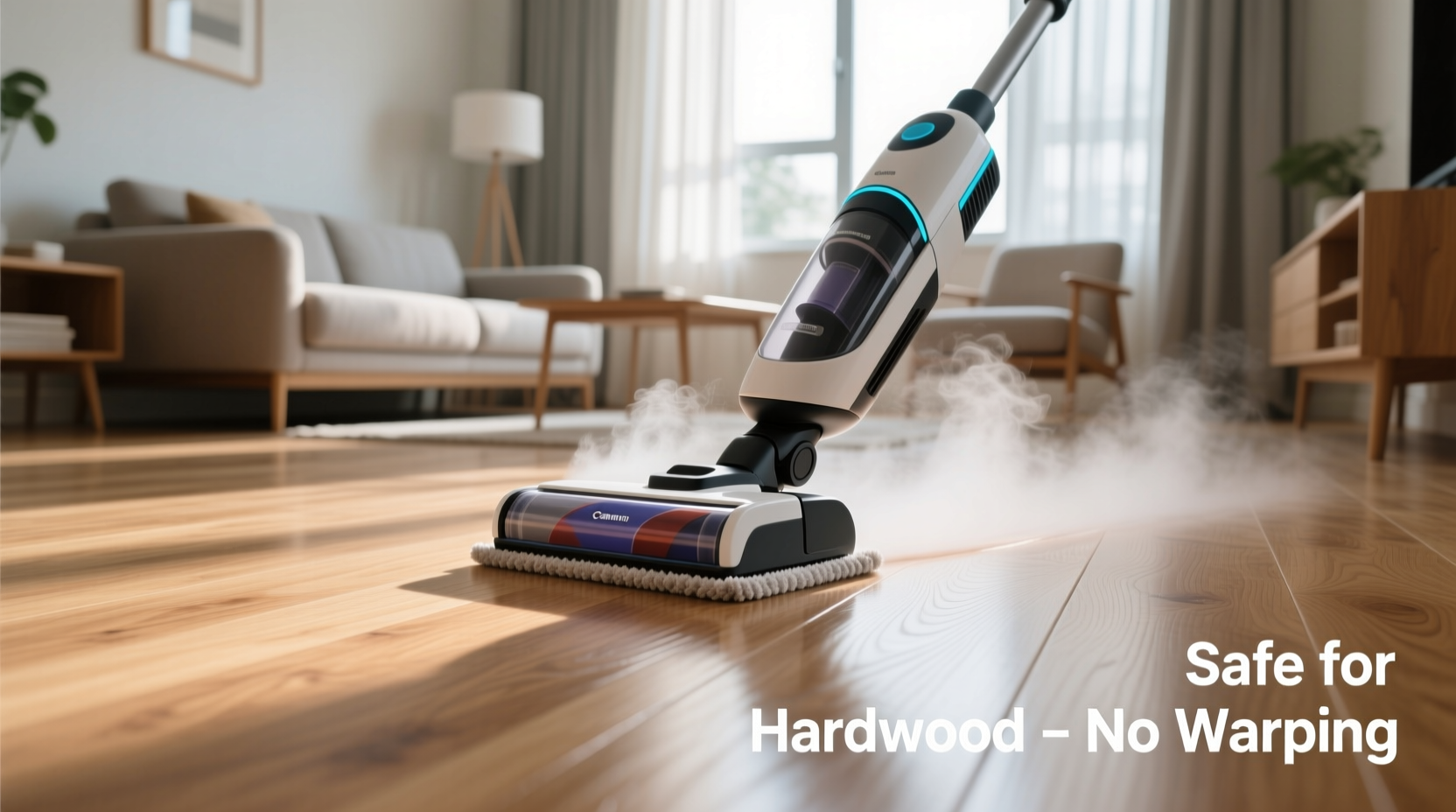
Wood is a hygroscopic material, meaning it naturally absorbs and releases moisture in response to changes in humidity. When exposed to excess water or prolonged dampness, hardwood planks swell. As they dry, they may shrink unevenly, leading to gaps, cracks, or permanent distortion known as warping. Cupping (edges raised, center dips) and crowning (center raised) are telltale signs of moisture imbalance.
Steam mops generate hot vapor—typically between 150°F and 300°F—that loosens dirt and kills bacteria. While the visible steam appears light, it carries significant moisture. On sealed tile or vinyl, this poses little risk. But on porous hardwood, even small amounts of residual water can seep into seams and edges, especially if the floor’s protective finish has worn down.
Engineered hardwood, which consists of a real wood veneer over plywood layers, is more stable than solid wood but still vulnerable to excessive moisture. The adhesive between layers can weaken, and the top layer can delaminate if exposed to repeated wet conditions.
“Steam introduces moisture at high temperatures, which can bypass surface finishes and penetrate deeper into wood fibers. Even ‘low-moisture’ steam settings carry risk on unfinished or older hardwoods.” — Dr. Alan Pierce, Materials Scientist & Flooring Consultant
Manufacturer Guidelines: What the Experts Say
Most major hardwood flooring manufacturers explicitly advise against using steam mops. Brands like Bruce, Armstrong, and Shaw state that steam cleaning voids warranties due to the unpredictable nature of moisture exposure. Their reasoning centers on two key issues:
- Lack of control over moisture dispersion: Steam mops release vapor inconsistently, often leaving localized wet spots.
- Heat stress on finishes: Repeated high heat can degrade polyurethane, aluminum oxide, or oil-based sealants over time.
Some engineered hardwood producers, such as Kahrs and Pergo, offer limited approval for “dry” or “low-moisture” steam models—but only under strict conditions: pre-sweeping, immediate drying, and avoiding lingering over one area.
When Steam Mopping Might Be Acceptable
Under very specific circumstances, limited steam use may be possible—particularly on newer, well-sealed engineered hardwood with advanced moisture-resistant coatings. However, success depends on strict adherence to safety protocols.
Consider the following criteria before attempting steam cleaning:
- The floor must have a factory-applied, water-resistant finish (e.g., aluminum oxide or UV-cured urethane).
- No visible scratches, dents, or worn areas where moisture could penetrate.
- The steam mop must have adjustable settings, including a “dry” or “hardwood-safe” mode.
- You commit to quick, continuous motion—never letting the mop head linger.
- You follow up immediately with a dry microfiber cloth.
Even then, many professionals recommend treating steam as an occasional spot-treatment tool rather than a routine cleaning method. For example, a brief pass over a sticky spill after initial wiping might be acceptable, but full-room steaming is not advised.
Step-by-Step Guide: Safer Alternatives to Steam Mopping
If you’re seeking effective, non-damaging ways to clean hardwood floors, consider this proven cleaning sequence that avoids excess moisture while maintaining hygiene.
- Sweep or vacuum daily: Use a soft-bristle broom or a vacuum with a hardwood setting (no beater bar). This removes grit that can scratch the surface during mopping.
- Dry dust mopping: A microfiber flat mop lifts fine particles and pet hair without abrasion.
- Prepare a safe cleaning solution: Mix 1/4 cup of white vinegar with 1 gallon of lukewarm water, or use a pH-neutral hardwood cleaner. Avoid ammonia, bleach, or steam.
- Damp mop with controlled moisture: Wring your mop until it’s nearly dry—think “damp,” not wet. Work in small sections, moving with the grain.
- Dry immediately: Follow behind with a clean, absorbent towel to prevent standing moisture.
- Maintain regularly: Clean spills instantly and reapply polish or wax as recommended by the manufacturer.
Do’s and Don’ts of Hardwood Floor Care
| Do’s | Don’ts |
|---|---|
| Use felt pads under furniture legs | Use steam mops on unsealed or older hardwood |
| Clean spills within minutes | Wet-mop with excessive water |
| Place rugs in high-traffic zones | Use abrasive scrubbers or steel wool |
| Control indoor humidity (30–50%) | Allow pets’ nails to go untrimmed |
| Vacuum weekly with a hardwood-safe attachment | Use vinegar excessively—it can degrade finishes over time |
Mini Case Study: The Consequences of Steam Overuse
In a suburban home outside Portland, Oregon, a family installed premium white oak engineered flooring in 2020. Eager to keep it pristine, they adopted a weekly cleaning routine involving a popular brand of steam mop labeled “safe for hard floors.” Within 18 months, they noticed subtle buckling near the kitchen entrance. A flooring inspector found widespread cupping caused by repeated steam exposure degrading the edge seals between planks. Although the floor was technically “engineered,” the cumulative moisture had compromised the core layers.
Repair required partial replacement at a cost exceeding $2,200—twice the price of professional cleaning over five years. The installer noted: “They followed the mop’s instructions, but ignored the flooring warranty. Compatibility goes both ways.”
This case underscores a critical point: just because a tool claims to be safe doesn’t mean it’s compatible with your specific floor. Always prioritize the flooring manufacturer’s guidance over appliance marketing.
Checklist: Is Your Hardwood Ready for Any Steam Use?
Before considering even minimal steam exposure, verify the following:
- ✅ Floor is engineered hardwood with a factory-applied, water-resistant finish
- ✅ Surface shows no signs of wear, scratches, or finish degradation
- ✅ Steam mop has a dedicated hardwood or low-moisture setting
- ✅ You can move quickly and avoid overlapping passes
- ✅ You will dry the floor immediately with a microfiber cloth
- ❌ If any item is unchecked, avoid steam entirely
Frequently Asked Questions
Can I use a steam mop on sealed hardwood floors?
Sealing helps, but it’s not foolproof. Most finishes resist surface water but can’t prevent vapor penetration under heat and pressure. Even sealed floors can suffer damage from repeated steam exposure. Manufacturer approval is essential—and rarely given.
What’s the safest way to sanitize hardwood floors?
Use a microfiber mop with a hospital-grade, pH-neutral disinfectant approved for wood, such as those containing hydrogen peroxide or benzalkonium chloride. Alternatively, a diluted vinegar solution (1 part vinegar to 10 parts water) can reduce microbes when used sparingly and dried immediately.
Are there any steam mops designed for hardwood?
A few brands, like Bissell PowerFresh or Shark Steam Pocket, advertise “gentle steam” modes for hard surfaces. However, these still emit moisture. While less aggressive than standard settings, they aren’t universally endorsed by flooring experts. Proceed with caution and always patch-test.
Expert Insight: Why Caution Prevails
Industry professionals consistently emphasize prevention over correction. Once warping occurs, repairs are costly and often incomplete. Refinishing may hide minor damage, but structural compromise requires board replacement.
“The biggest mistake people make is assuming ‘a little steam won’t hurt.’ Wood doesn’t forgive mistakes. One overzealous cleaning session can undo decades of care.” — Linda Tran, Certified Floor Inspector & Restoration Specialist
Tran recommends annual inspections to assess finish integrity. If light scuffing reveals bare wood, the floor is no longer adequately protected—even if it looks intact. At that stage, steam becomes extremely risky.
Conclusion: Protect Your Investment with Smarter Cleaning
While steam mops offer convenience and deep cleaning on resilient surfaces, they pose a genuine threat to hardwood floors. The potential for warping, finish damage, and costly repairs far outweighs the benefits for most homes. Instead of relying on high-heat vapor, adopt a gentle, moisture-controlled cleaning routine that respects the natural properties of wood.
Your hardwood floors are a long-term investment. With proper care—regular sweeping, prompt spill cleanup, and careful damp mopping—they can remain beautiful for generations. Skip the steam, follow manufacturer guidelines, and prioritize preservation over shortcuts.




 浙公网安备
33010002000092号
浙公网安备
33010002000092号 浙B2-20120091-4
Comments
No comments yet. Why don't you start the discussion?