
Induction cooking has transformed modern kitchens with its speed, efficiency, and precision. But when you own a beloved collection of cast iron cookware—seasoned skillets that have seen decades of use—it’s natural to wonder: Can you safely use cast iron on induction stoves? And more importantly, will those heavy, rugged pans scratch or damage the sleek glass surface?
The short answer is yes—you can absolutely use cast iron on induction stoves. In fact, cast iron is one of the most compatible materials for induction cooking due to its ferromagnetic properties. However, the risk of scratching the cooktop is real, especially if proper care isn’t taken. The key lies in understanding how induction works, choosing the right type of cast iron, and adopting safe handling practices.
How Induction Cooking Works
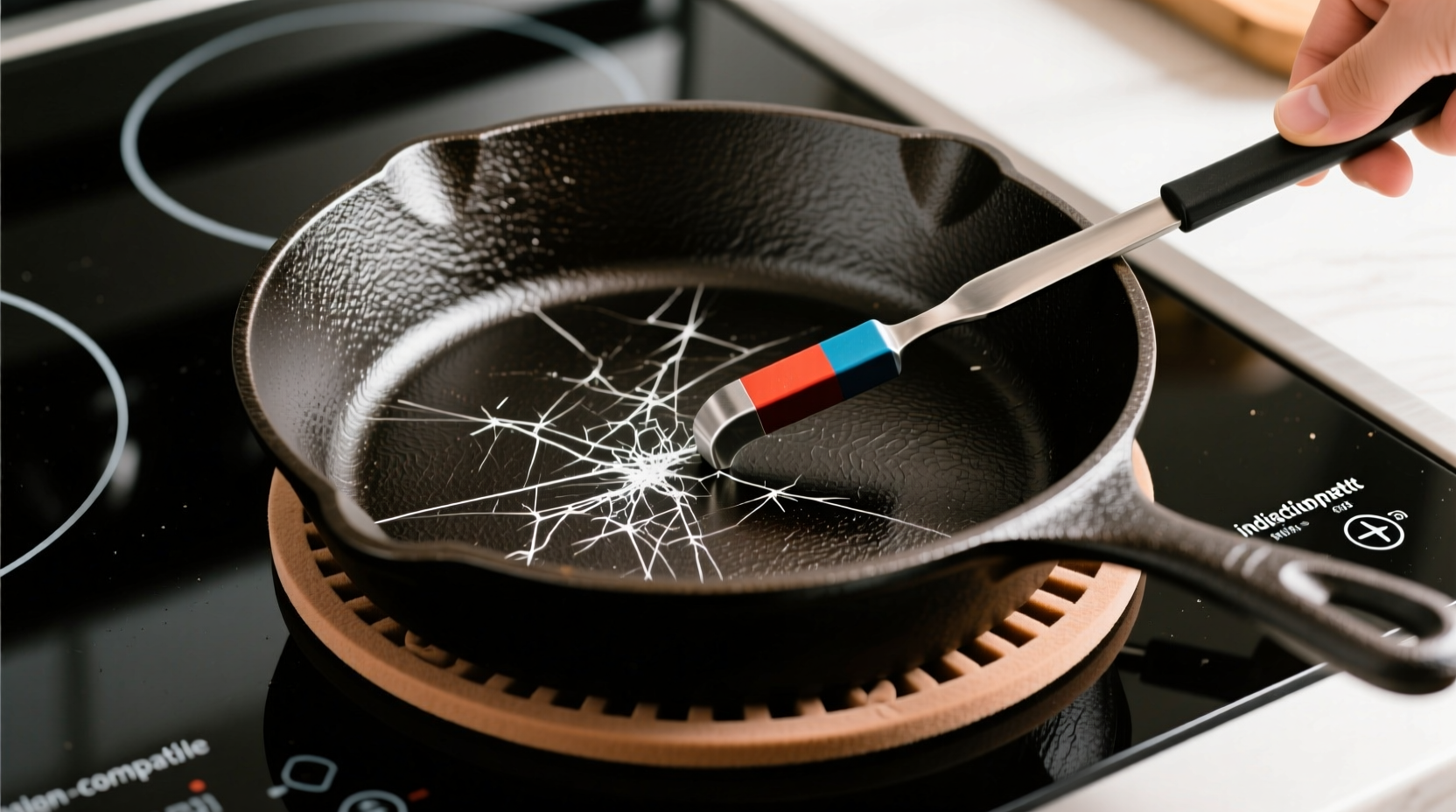
Unlike gas or electric stoves that heat through conduction or radiation, induction cooktops generate heat directly in the cookware using magnetic fields. Beneath the smooth glass surface lies a copper coil. When an alternating current passes through it, it creates a fluctuating magnetic field. If the pan above is made of a ferromagnetic material—like cast iron or magnetic stainless steel—the magnetic field induces electrical currents (eddy currents) in the pan, generating heat within the metal itself.
This process means only compatible cookware will work. Aluminum, copper, and non-magnetic stainless steel won’t heat up unless they have a magnetized base layer. Cast iron, being highly magnetic and thermally conductive, is ideal for induction cooking. It heats quickly, retains heat well, and responds efficiently to temperature changes.
“Cast iron is among the top-performing materials on induction cooktops because of its excellent magnetic response and thermal mass.” — Dr. Alan Kim, Materials Scientist & Kitchen Appliance Consultant
Why Cast Iron Might Scratch Your Induction Stove
Despite its compatibility, cast iron poses a legitimate risk to the glass-ceramic surface of induction cooktops. The issue isn’t the material’s magnetism but its physical characteristics:
- Rough exterior texture: Many cast iron skillets, especially older or vintage models, have a gritty, uneven surface from the sand-casting process. This roughness can act like sandpaper when dragged across glass.
- Weight: A typical 12-inch cast iron skillet weighs 7–9 pounds. Moving such a heavy object without lifting it increases friction and the chance of micro-scratches.
- Debris on the base: Food residue, hardened oil, or mineral deposits trapped under the pan can grind into the surface during movement.
- Sliding instead of lifting: Twisting or sliding the pan while cooking—a common motion when searing or flipping—creates lateral force that can scratch the surface over time.
Even high-end induction cooktops marketed as “scratch-resistant” are not immune to damage from abrasive materials. Scratches may start small but accumulate, affecting aesthetics and potentially weakening the glass over years of use.
Selecting the Right Cast Iron for Induction Use
Not all cast iron is created equal when it comes to induction safety. Some brands and models are smoother and better suited for glass-top stoves. Here’s what to look for:
Smooth-Bottom Skillets
Newer models from reputable brands like Lodge, Le Creuset, and Victoria often feature ground or polished bases designed specifically for flat-top stoves. These have a much lower risk of scratching compared to vintage or artisanal pieces with rough casting seams.
Avoid Older or Unfinished Pieces
Vintage cast iron, while charming and durable, frequently has burrs, sharp edges, or uneven surfaces from outdated manufacturing techniques. Unless you’ve sanded the bottom yourself, these should be used cautiously—or reserved for gas or oven use.
Enameled vs. Bare Cast Iron
Enameled cast iron (such as Le Creuset or Staub) typically has a smoother, glass-like finish on both interior and exterior. This makes it less likely to scratch the cooktop, provided the enamel remains intact. Chipped enamel, however, exposes raw cast iron underneath, which can still cause abrasion.
“We recommend enameled cast iron for induction users who want maximum protection for their cooktops.” — Sarah Lin, Lead Product Tester at Modern Kitchen Labs
Do’s and Don’ts: Protecting Your Induction Surface
To enjoy the benefits of cast iron without compromising your stove, follow these practical guidelines.
| Do’s | Don’ts |
|---|---|
| Lift pans instead of sliding them | Drag or twist pans on the surface |
| Clean the pan base before each use | Place dirty or gritty pans on the cooktop |
| Use trivets or silicone mats for extra protection | Drop pans onto the surface |
| Inspect for burrs or rough spots regularly | Use damaged or chipped enameled cookware |
| Wipe the cooktop before and after cooking | Allow spills to bake onto the surface |
Step-by-Step: How to Safely Use Cast Iron on Induction
Follow this sequence to maximize safety and longevity for both your cookware and cooktop:
- Clean the pan base: Before placing the skillet on the stove, wipe the bottom with a damp cloth. Remove any stuck-on food, carbon deposits, or grit.
- Inspect for imperfections: Run your hand along the underside. If you feel ridges or rough patches, consider lightly sanding them with fine-grit sandpaper (200–400 grit).
- Center the pan gently: Align the skillet with the induction zone and place it down carefully—never drop or slam it.
- Use moderate heat settings: Cast iron retains heat exceptionally well. Start at medium heat; high power is rarely needed and increases thermal stress on the glass.
- Lift, don’t slide: When adjusting position or removing the pan, always lift it straight up.
- Cool before cleaning: Allow the pan to cool completely before washing. Sudden temperature changes can crack glass cooktops if pans are placed back while hot.
- Wipe the cooktop: After use, clean the surface with a dedicated ceramic cooktop cleaner and a soft cloth to remove any residue.
Real-World Example: A Home Cook’s Experience
Jamie Rivera, a home chef from Portland, upgraded to an induction range two years ago and was initially hesitant to use her heirloom cast iron skillet—passed down from her grandmother. “I loved the skillet, but I didn’t want to ruin my new stove,” she said.
After reading about potential scratching risks, Jamie began inspecting the skillet’s base and discovered several rough casting marks. She sanded them down with 300-grit paper and now lifts the pan every time she moves it. She also wipes both the skillet and cooktop before each use.
“It’s been over 18 months, and my cooktop still looks brand new. The skillet performs better than ever—sears faster, heats evenly. I just had to adjust my habits a little.”
Her experience underscores that with minor preparation and mindful handling, cast iron and induction can coexist beautifully.
Can You Prevent Scratches Completely?
While no method offers 100% protection against all possible scratches, you can drastically reduce the risk by combining several strategies:
- Silicone trivets or induction disks: These thin, heat-resistant pads create a buffer between the pan and glass. Choose ones rated for high temperatures (up to 500°F/260°C).
- Regular maintenance: Clean both the cooktop and pan base weekly. Buildup accelerates wear.
- Storage: Store cast iron with a paper towel or cloth liner between pans to prevent surface abrasion that could transfer to the cooktop later.
- Re-smoothing old pans: For vintage skillets, lightly sanding the base with progressively finer grits can make them safer for induction use.
Some users report success with applying a tiny amount of cooking oil to the pan base before use, reducing friction. However, this is controversial—excess oil can smoke and create residue on the cooktop. Proceed with caution and clean thoroughly afterward.
Frequently Asked Questions
Will enameled cast iron scratch induction cooktops?
Enameled cast iron is generally safer than bare cast iron because of its smooth, glassy finish. However, if the enamel is chipped or cracked, the exposed cast iron underneath can cause scratches. Inspect your cookware regularly and retire pieces with significant damage.
Can I use a cast iron Dutch oven on induction?
Yes. Most modern cast iron Dutch ovens are induction-compatible and perform excellently. Just ensure the base is smooth and clean, and always lift the pot rather than dragging it. Their weight makes careful handling even more critical.
What if my induction cooktop already has scratches?
Minor scratches are mostly cosmetic and don’t affect performance. Deep gouges, however, may compromise the structural integrity of the glass. Contact the manufacturer if you notice cracks or spider-webbing. To minimize visibility, keep the surface clean and avoid abrasive cleaners that deepen existing marks.
Final Checklist for Safe Cast Iron Use on Induction
- ✅ Confirm your cast iron has a smooth, flat base
- ✅ Clean the pan bottom before each use
- ✅ Lift the pan—never slide or twist it on the surface
- ✅ Avoid using damaged, warped, or heavily pitted skillets
- ✅ Consider using a silicone induction mat for added protection
- ✅ Regularly inspect both cooktop and cookware for wear
- ✅ Use appropriate heat levels—cast iron doesn’t need maximum power
Conclusion: Embrace Cast Iron with Confidence
Using cast iron on induction stoves isn’t just possible—it’s highly effective. With superior heat retention, even cooking, and excellent magnetic responsiveness, cast iron remains one of the best choices for induction cooking. The concern about scratching is valid, but entirely manageable with smart habits and attention to detail.
You don’t have to sacrifice performance for protection. By selecting smoother-bottomed pans, maintaining cleanliness, and lifting instead of sliding, you can preserve your cooktop’s pristine surface for years. Whether you’re searing a steak, baking cornbread, or simmering a stew, your cast iron can deliver restaurant-quality results—safely and efficiently.




 浙公网安备
33010002000092号
浙公网安备
33010002000092号 浙B2-20120091-4
Comments
No comments yet. Why don't you start the discussion?