
Working from home has reshaped how we think about workspace design. Beyond ergonomic chairs and noise-canceling headphones, subtle environmental factors—like lighting—play a surprisingly powerful role in focus, energy, and emotional well-being. One unconventional yet increasingly popular idea is using Christmas lights not just for seasonal cheer, but as a functional tool to improve concentration and motivation during remote work. While it may sound whimsical, there’s real science behind how ambient light influences brain function. The question isn’t whether Christmas lights are festive—it’s whether they can be functional.
The short answer: yes, under the right conditions. When used strategically, Christmas lights can support productivity by enhancing mood, reducing eye strain, and creating a psychologically comforting environment. But not all setups are equal. Understanding color temperature, brightness, placement, and circadian rhythm impact is key to turning twinkling bulbs into a legitimate productivity aid.
The Science of Light and Cognitive Performance
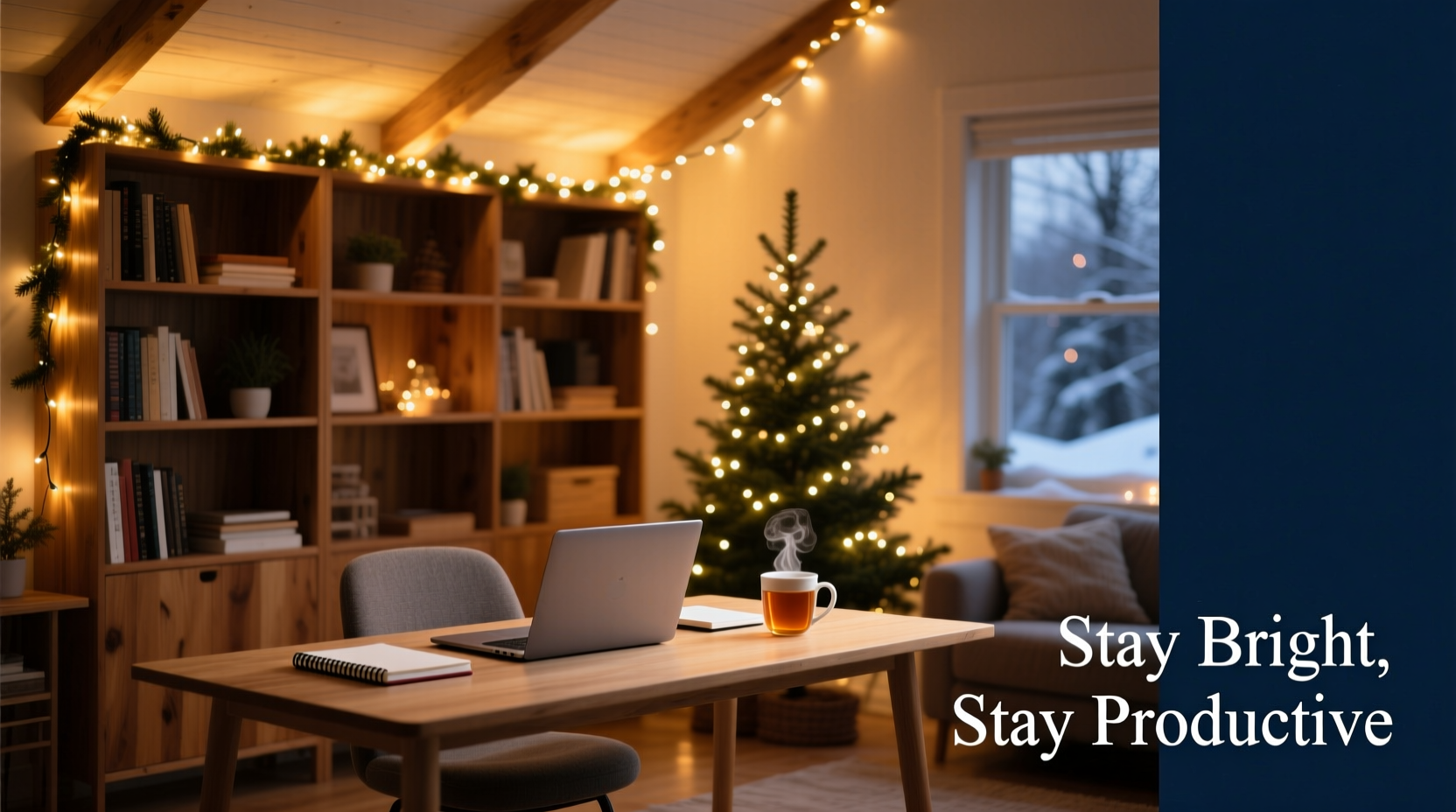
Light doesn’t just illuminate—it communicates with your brain. Photoreceptors in the eyes send signals directly to the hypothalamus, which regulates alertness, sleep cycles, and hormone production. This means that the quality and timing of light exposure can significantly affect mental clarity, attention span, and even emotional resilience.
Natural daylight, rich in blue wavelengths, promotes wakefulness by suppressing melatonin, the hormone responsible for sleep. In contrast, warm, dim lighting in the evening encourages relaxation. Artificial lighting that mimics these natural patterns supports cognitive performance during work hours and recovery afterward.
Christmas lights, particularly warm-white or soft-yellow LED varieties, emit a low-intensity glow that avoids the harsh glare of overhead fluorescents. This makes them ideal for supplementing primary lighting without overstimulating the visual cortex. Studies have shown that environments with layered lighting—combining task lighting with ambient sources—lead to higher reported comfort levels and reduced fatigue among remote workers.
“Lighting is one of the most underutilized tools in home office design. Subtle shifts in ambiance can influence everything from mood to decision-making speed.” — Dr. Lena Torres, Environmental Psychologist, University of Michigan
How Christmas Lights Influence Mood and Focus
Mood and productivity are deeply intertwined. A space that feels cold, sterile, or monotonous can drain motivation, while one that feels inviting and personalized encourages engagement. Christmas lights tap into both physiological and psychological mechanisms:
- Emotional resonance: For many, fairy lights evoke feelings of warmth, nostalgia, and safety—emotions that reduce stress and promote openness to creative thinking.
- Reduced visual fatigue: Unlike bright overhead lights, soft-glow LEDs minimize screen glare and create a balanced luminance across the room.
- Visual rhythm: The gentle flicker or steady shimmer of lights can have a mild meditative effect, helping regulate attention and prevent mental burnout.
A 2021 study published in the *Journal of Environmental Psychology* found that participants working in softly lit environments with decorative lighting reported 23% higher satisfaction with their workspace and demonstrated improved sustained attention during repetitive tasks compared to those under standard fluorescent lighting.
Choosing the Right Type of Lights for Productivity
Not all Christmas lights are created equal. Some can actually hinder productivity due to excessive brightness, flickering, or inappropriate color temperatures. Below is a comparison of common types and their suitability for a work-from-home setup.
| Type | Color Temp | Brightness Level | Best For | Avoid If |
|---|---|---|---|---|
| Warm White LEDs | 2700K–3000K | Low to medium | Background ambiance, evening work | You need high visual precision |
| Cool White LEDs | 4000K–5000K | Medium to high | Morning focus, task areas | Sensitive to blue light or prone to eye strain |
| Multicolor (RGB) | Variable | Medium | Mood boosting, creative sessions | Seeking minimal distractions |
| Flicker-free Steady Glow | Any (consistent) | Adjustable | All-day use, focus-intensive work | Lights pulse or strobe |
| Twinkling/Chasing Modes | Any | Variable | Short breaks, inspiration moments | Prone to distraction or ADHD |
For sustained productivity, prioritize steady-glow, warm-toned lights placed outside direct line of sight. Avoid flashing or rotating modes during deep work sessions, as they can fragment attention. Instead, reserve dynamic lighting effects for transition periods—like switching between tasks or taking a five-minute reset break.
Step-by-Step: Setting Up a Productive Christmas Light Workspace
Integrating Christmas lights into your home office isn’t about draping every surface in tinsel. It’s about intentional design that supports focus, comfort, and long-term usability. Follow this timeline to optimize your setup:
- Week 1: Assess Your Current Lighting
Identify where shadows fall, where glare occurs on screens, and when you feel mentally fatigued. Note times of day when energy dips—often linked to poor ambient light. - Week 2: Choose the Right Lights
Purchase warm-white, low-lumen LED string lights with a steady glow. Look for options labeled “flicker-free” and “dim-to-warm” for maximum flexibility. - Week 3: Install Strategically
Mount lights behind your monitor (to reduce screen contrast), along the top edge of shelves, or around window frames. Avoid placing them directly in front of your face or reflecting off glass surfaces. - Week 4: Test and Adjust
Use the lights during different work phases—deep focus, creative brainstorming, administrative tasks. Adjust brightness or turn them off during video calls if they cause backlighting issues. - Ongoing: Rotate Seasonally
Keep the same fixtures year-round but swap out bulbs or colors subtly—amber in winter, soft white in summer—to maintain novelty without clutter.
“I started using fairy lights behind my desk after struggling with afternoon crashes. Within days, I noticed I wasn’t reaching for coffee as often. It’s like my brain finally had a ‘soft on-ramp’ to focus.” — Maya R., freelance graphic designer
Real-World Example: A Remote Developer’s Lighting Transformation
Jamal, a software engineer based in Portland, spent months battling low energy and frequent headaches while working from his basement office. The space had only a single ceiling fixture, casting harsh shadows and creating screen glare. After reading about biophilic design, he experimented with adding layers of light.
He installed two strands of warm-white Christmas lights: one behind his dual monitors and another along the baseboard to create indirect floor lighting. He paired this with a dimmable desk lamp for task work. Within a week, Jamal reported fewer migraines, improved mood, and a measurable increase in uninterrupted coding sessions—from averaging 60 minutes to sustaining focus for up to 100 minutes before needing a break.
The change wasn’t dramatic, but cumulative. “It didn’t feel like a fix,” he said. “It felt like the room finally stopped fighting me.” His team even noticed a shift in his communication tone during stand-ups—less irritable, more engaged.
Common Mistakes to Avoid
Even well-intentioned lighting upgrades can backfire if implemented poorly. Watch out for these pitfalls:
- Overloading outlets: Daisychaining multiple light strings can trip circuits or create fire hazards. Use surge protectors and check wattage limits.
- Using lights as primary illumination: Christmas lights should complement, not replace, functional task lighting. Relying solely on them can lead to eye strain.
- Ignoring blue light at night: Cool-toned or multicolor RGB lights used late in the day may disrupt melatonin production, affecting sleep quality.
- Creating visual clutter: Too many colors or blinking patterns can overwhelm the brain, especially for neurodivergent individuals.
Checklist: Optimizing Christmas Lights for Work-From-Home Success
Before flipping the switch, run through this checklist to ensure your setup enhances—not hinders—productivity:
- ✅ Choose warm-white or dimmable LEDs (2700K–3000K)
- ✅ Ensure lights are flicker-free and UL-certified
- ✅ Position lights indirectly (behind monitor, above eye level)
- ✅ Avoid flashing, chasing, or rainbow modes during focused work
- ✅ Pair with task lighting (e.g., adjustable desk lamp)
- ✅ Limit usage to daytime or early evening hours
- ✅ Use timers or smart controls for consistency
- ✅ Keep cords organized and away from foot traffic
Frequently Asked Questions
Can Christmas lights really help with concentration?
Yes—but conditionally. Warm, steady-glow lights can reduce eye strain and create a calming backdrop that supports sustained attention. However, overly bright or dynamic lights may distract rather than assist. The key is subtlety and alignment with your personal sensory preferences.
Are LED Christmas lights safe for all-day use?
Most modern LED Christmas lights are energy-efficient, cool-burning, and safe for extended use. Always check manufacturer ratings, avoid covering them with fabric, and unplug them when leaving the house or sleeping—especially if used near flammable materials.
Should I use colored lights for productivity?
Color impacts mood, but not always predictably. Blue can boost alertness but may interfere with relaxation later. Red and amber promote calmness but aren’t ideal for high-energy tasks. For consistent productivity, stick to neutral whites unless using color intentionally for short bursts—like red for urgency or green for creativity.
Conclusion: Light as a Tool, Not Just a Decoration
Productivity isn’t just about willpower or time management. It’s shaped by the spaces we inhabit. Christmas lights, often dismissed as temporary decor, can become a lasting part of an intentional, human-centered workspace. When selected and placed with care, they do more than sparkle—they stabilize mood, soften digital fatigue, and make the act of working from home feel less isolating.
The goal isn’t to turn your office into a holiday display. It’s to recognize that small sensory enhancements—like the gentle hum of warm light—can compound into meaningful gains in focus, comfort, and joy. You don’t need a full redesign. Start with one strand, placed thoughtfully, and observe how it shifts your experience.




 浙公网安备
33010002000092号
浙公网安备
33010002000092号 浙B2-20120091-4
Comments
No comments yet. Why don't you start the discussion?