
During the colder months, dry skin becomes a common concern—not just on the face, but especially on the hands. Frequent handwashing, cold winds, and indoor heating strip natural moisture from the skin, leading to cracking, flaking, and discomfort. Many people turn to their skincare stash in search of relief, wondering: can you use face moisturizer on your hands during winter? The short answer is yes—but with important caveats. While facial creams may offer temporary hydration, they are not always formulated to meet the unique needs of hand skin. Understanding the differences between facial and hand moisturizers, and knowing when substitution makes sense, can help you maintain soft, healthy hands without compromising skin health.
Understanding Skin Differences: Face vs. Hands
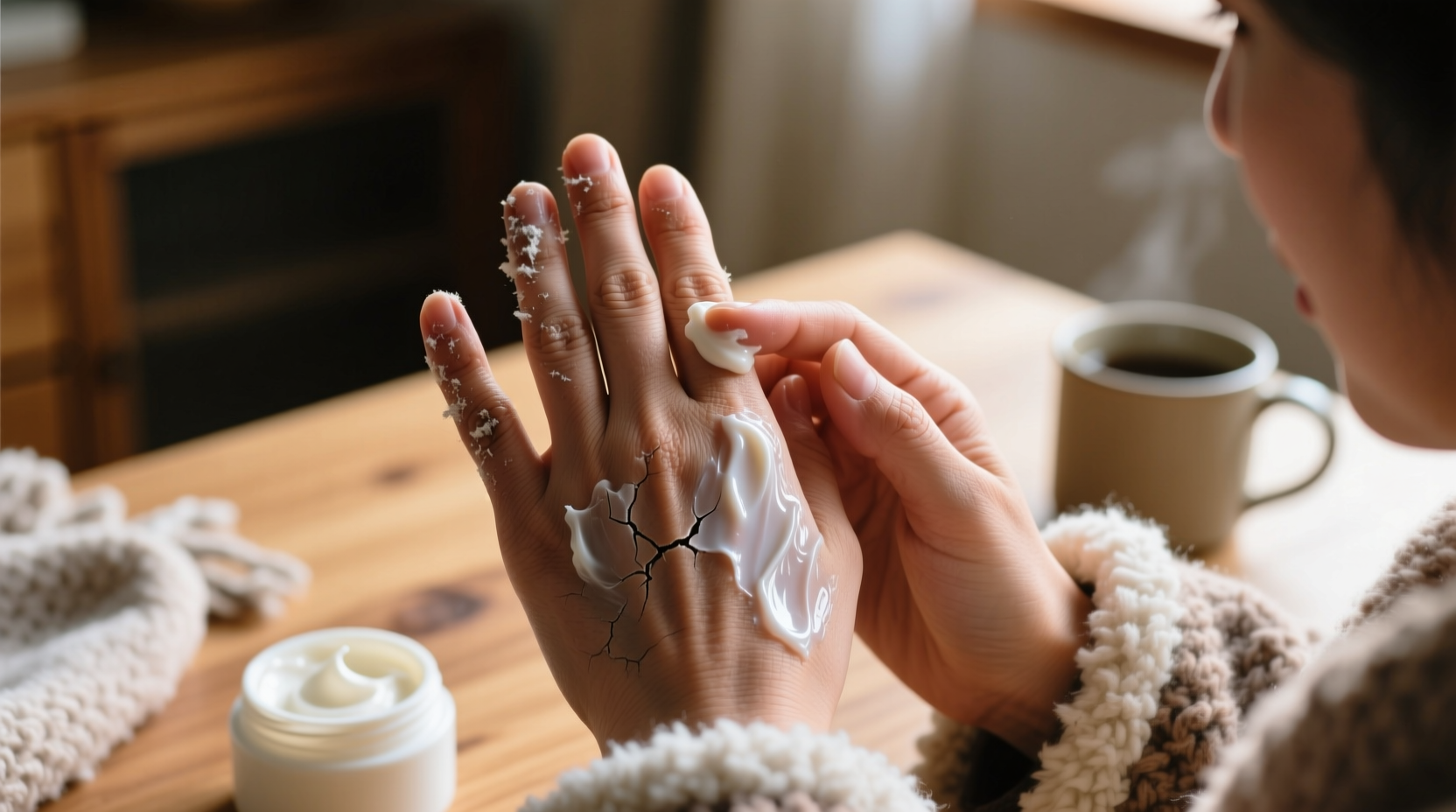
The skin on your face and hands differs significantly in thickness, oil production, and exposure levels. Facial skin is thinner and contains more sebaceous (oil) glands, which help retain moisture naturally. In contrast, the skin on the back of the hands is thinner than most body areas but lacks sufficient oil glands, making it prone to dryness. Additionally, hands are exposed to environmental stressors far more frequently—cold air, water, soaps, detergents, and UV radiation—all of which accelerate moisture loss.
Facial moisturizers are typically designed to be lightweight, fast-absorbing, and non-comedogenic (won’t clog pores), as facial skin is more sensitive and acne-prone. They often contain active ingredients like hyaluronic acid, niacinamide, or peptides aimed at anti-aging or clarity. Hand creams, on the other hand, are formulated to be richer, more occlusive, and protective. They commonly include heavier emollients such as shea butter, petrolatum, glycerin, or dimethicone to create a barrier against moisture loss.
Using a face moisturizer on your hands won’t harm your skin, but it may not provide long-lasting relief during harsh winter conditions. The lighter formulation may absorb too quickly, leaving hands vulnerable to re-drying within an hour or two—especially after washing.
When It’s Acceptable to Use Face Moisturizer on Hands
There are specific scenarios where using a facial moisturizer on your hands is both safe and beneficial:
- Nighttime treatment: At night, when hands are less active and not being washed frequently, a nutrient-rich facial cream can penetrate deeply. Consider applying your facial moisturizer before bed and wearing thin cotton gloves to lock in moisture.
- Layering strategy: Combine products by applying a facial hydrator first (e.g., one with hyaluronic acid), then sealing it with a thicker hand cream or ointment. This “sandwich method” maximizes hydration.
- Sensitive skin reactions: If your hands become irritated by fragranced or heavily preserved hand creams, a gentle, fragrance-free facial moisturizer may serve as a hypoallergenic alternative.
- On-the-go touch-ups: If you're traveling and only have access to your facial moisturizer, a quick application is better than none—especially if followed up with proper hand protection like gloves.
However, relying solely on facial moisturizers throughout the day, particularly after handwashing, is not ideal. Their formulations are not built to withstand repeated exposure to water and cleansing agents.
“While facial moisturizers can temporarily soothe dry hands, they lack the occlusive strength needed for true barrier repair in winter. For lasting results, hands need ingredients that seal in moisture, not just deliver it.” — Dr. Lena Patel, Dermatologist & Skincare Researcher
Key Ingredients to Look For in Winter Hand Care
Whether choosing a dedicated hand cream or evaluating whether your facial moisturizer contains suitable components, focus on these proven ingredients:
| Ingredient | Function | Common In |
|---|---|---|
| Hyaluronic Acid | Attracts and holds water in the skin | Facial serums, some hand creams |
| Glycerin | Humectant that draws moisture into the skin | Most moisturizers, including facial and hand |
| Shea Butter | Emollient that softens and repairs skin barrier | Rich hand creams, balms |
| Petrolatum (Vaseline) | Occlusive agent that prevents moisture loss | Ointments, intensive repair creams |
| Ceramides | Reinforce the skin’s natural lipid barrier | Medical-grade moisturizers, some facial creams |
| Dimethicone | Silicone-based protector that smooths and shields | Water-resistant hand creams |
If your facial moisturizer contains several of these—particularly glycerin, hyaluronic acid, and ceramides—it may offer moderate benefits for hand hydration. However, if it lacks occlusives like petrolatum or shea butter, it will not prevent transepidermal water loss effectively in cold weather.
Step-by-Step Guide to Effective Winter Hand Care
To keep your hands soft, supple, and protected all winter, follow this daily routine:
- Wash with lukewarm water and a gentle cleanser. Avoid hot water and harsh soaps that strip natural oils.
- Pat hands dry—don’t rub. Leave a slight dampness to help lock in moisture during the next step.
- Apply a humectant-based product first. Use a facial serum or moisturizer containing hyaluronic acid or glycerin while skin is still damp.
- Follow with a thick hand cream or ointment. Choose one rich in shea butter, lanolin, or petrolatum to seal in hydration.
- Wear gloves indoors and outdoors. Cotton gloves at night boost absorption; insulated gloves outdoors protect against wind and cold.
- Reapply every 2–3 hours during the day, especially after washing hands or coming in from the cold.
- Use sunscreen on the backs of hands during daylight hours. UV exposure contributes to premature aging and worsens dryness.
This layered approach ensures deep hydration and long-term protection. Using a facial moisturizer as part of this sequence—as step three—is smart and effective. But skipping the final occlusive layer leaves your efforts incomplete.
Mini Case Study: Office Worker with Chronically Dry Hands
Sarah, a 34-year-old administrative assistant in Chicago, struggled with cracked, painful hands every winter. She washed her hands frequently due to office hygiene protocols and noticed her expensive facial moisturizer did little to help. After consulting a dermatologist, she learned she was using the wrong type of product at the wrong time.
The solution?
- She began applying her hyaluronic acid facial serum immediately after handwashing.
- While her hands were still slightly damp, she layered a thick, unscented hand cream containing shea butter and petrolatum.
- Each night, she applied a pea-sized amount of her facial moisturizer, put on cotton gloves, and slept with them on.
- She also started using a humidifier at her desk to counteract dry office air.
Within two weeks, Sarah reported significant improvement. Her skin healed, itching subsided, and she no longer avoided handshakes during meetings. The key wasn’t abandoning her facial products—but integrating them wisely into a broader hand care strategy.
Checklist: Optimize Your Winter Hand Routine
Ensure your hand care regimen meets winter demands with this actionable checklist:
- ✅ Wash hands with mild, fragrance-free soap
- ✅ Use lukewarm—not hot—water
- ✅ Pat dry gently, leave skin slightly damp
- ✅ Apply a hydrating serum or facial moisturizer first
- ✅ Seal with a thick, occlusive hand cream
- ✅ Reapply after every handwash
- ✅ Wear gloves when outdoors
- ✅ Use cotton gloves overnight for deep treatment
- ✅ Apply SPF 30+ to hands each morning
- ✅ Carry travel-sized hand cream in your bag
Failing to complete even one of these steps can reduce the effectiveness of your entire routine. Consistency and layering are essential.
Frequently Asked Questions
Can using face moisturizer on my hands cause breakouts?
It’s unlikely but possible. The skin on the back of the hands doesn’t have pores like the face, so acne is rare. However, if you apply facial moisturizer near the knuckles or fingers where sweat accumulates, and the product is comedogenic, you might experience clogged follicles or irritation—especially if wearing gloves. Stick to non-comedogenic formulas if using facial products on hands.
Is it wasteful to use facial moisturizer on hands?
Yes, in most cases. Facial moisturizers are often more expensive per ounce than hand creams and contain targeted actives (like antioxidants or anti-aging compounds) that don’t deliver proportional benefits on hand skin. Using them on hands can be cost-ineffective unless you’re repurposing a nearly empty jar or using it strategically in a layered routine.
What’s the best affordable hand cream for winter?
Look for drugstore options with simple, effective ingredients. Top picks include:
- Eucerin Advanced Repair Cream (contains ceramides and petrolatum)
- CeraVe Healing Ointment (barrier-repairing with three essential ceramides)
- Aveeno Daily Moisturizing Hand Cream (oat-infused, fragrance-free)
- Vanicream Moisturizing Cream (ideal for sensitive skin)
Conclusion: Smart Substitution, Not Replacement
You can use face moisturizer on your hands during winter months—but only as part of a thoughtful, layered skincare strategy. Relying on it alone will likely leave your hands dry, tight, and vulnerable to cracking. The structural and functional differences between facial and hand skin demand tailored solutions. A facial moisturizer excels at delivering hydration, especially when applied to damp skin, but it cannot replace the occlusive power of a well-formulated hand cream.
The winter season tests the resilience of your skin. By understanding ingredient functions, timing applications correctly, and protecting your hands proactively, you can maintain comfort and prevent long-term damage. Don’t discard your facial moisturizer—repurpose it wisely. Let it play a supporting role in a comprehensive routine that prioritizes barrier integrity, moisture retention, and daily consistency.




 浙公网安备
33010002000092号
浙公网安备
33010002000092号 浙B2-20120091-4
Comments
No comments yet. Why don't you start the discussion?