
For years, people with oily skin have been told to avoid oils at all costs—stick to oil-free moisturizers, skip anything greasy, and above all, never apply oil directly to your face. But as skincare science evolves, that advice is being challenged. In fact, many dermatologists and estheticians now recommend certain facial oils even for those prone to shine and acne. The key lies not in avoiding oil altogether, but in understanding your skin’s needs and choosing the right kind of oil.
Oily skin doesn’t mean your skin is well-hydrated. Often, it means your sebaceous glands are overcompensating for a lack of moisture, producing excess sebum in response to harsh cleansers, dehydration, or environmental stressors. Introducing the correct facial oils can actually help regulate oil production, strengthen the skin barrier, and reduce breakouts. So yes—you can use face oil if you have oily skin, but only if you do it wisely.
Why Oily Skin Isn’t Necessarily Over-Moisturized
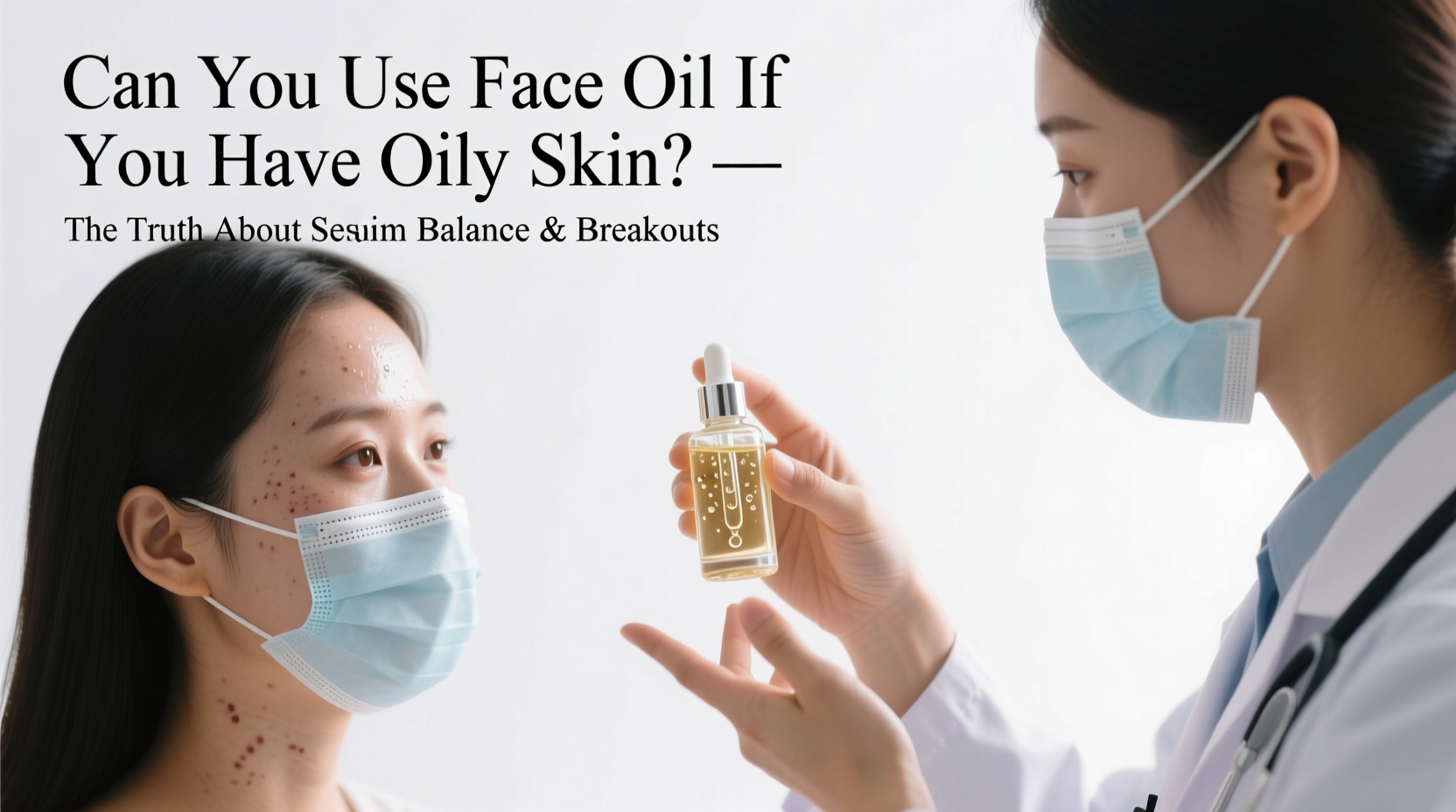
A common misconception is that oily skin equals hydrated skin. In reality, oil (sebum) and hydration (water content) are two different things. You can have very oily skin that’s still dehydrated. When your skin lacks water, it signals your sebaceous glands to produce more oil to compensate. This creates a cycle: dryness triggers oiliness, which leads to clogged pores and breakouts.
Facial oils work by reinforcing the skin’s lipid barrier, which helps lock in moisture and prevent transepidermal water loss. A strong barrier reduces the need for your skin to overproduce sebum. Non-comedogenic oils—those that don’t clog pores—can be especially beneficial in this balancing act.
“Using the right facial oil can signal to the skin that it doesn’t need to overproduce sebum. It’s about balance, not elimination.” — Dr. Lena Torres, Board-Certified Dermatologist
The Science Behind Facial Oils and Oil Regulation
Facial oils aren’t one-size-fits-all. Their impact on oily skin depends on their molecular structure, comedogenic rating, and how they interact with your skin’s natural chemistry.
Comedogenic scale is a 0–5 rating system that measures how likely an oil is to clog pores. For oily or acne-prone skin, oils rated 0–2 are ideal. Higher-rated oils (3–5) tend to be heavier and more occlusive, increasing the risk of congestion.
Some oils, like jojoba oil, are technically liquid waxes that closely resemble human sebum. When applied, they trick the skin into thinking it has produced enough oil, signaling sebaceous glands to slow down production. Others, like grapeseed oil or squalane, offer antioxidant protection and anti-inflammatory benefits without heaviness.
Additionally, many plant-based oils contain linoleic acid—a fatty acid often deficient in acne-prone skin. Studies show that people with acne tend to have lower levels of linoleic acid in their sebum, making their skin more prone to clogged pores. Oils rich in linoleic acid (like rosehip, hemp seed, and sunflower) can help restore balance.
Best Oils for Oily Skin: What to Use and Avoid
| Oil Type | Comedogenic Rating | Key Benefits | Best For |
|---|---|---|---|
| Squalane (plant-derived) | 0–1 | Lightweight, non-greasy, mimics skin’s natural oils | All skin types, especially oily/acne-prone |
| Jojoba Oil | 2 | Regulates sebum, anti-inflammatory | Oily, combination, acne-prone |
| Grapeseed Oil | 1–2 | Rich in linoleic acid, astringent properties | Oily, congested skin |
| Rosehip Oil | 1–2 | High in omega-3/6, promotes cell turnover | Oily with texture or post-acne marks |
| Hemp Seed Oil | 0 | Balances oil, reduces redness | Sensitive, acne-prone |
| Coconut Oil | 4 | Moisturizing but highly comedogenic | Generally not recommended for face |
| Wheat Germ Oil | 5 | Heavy, nutrient-rich but pore-clogging | Not suitable for oily skin |
How to Use Face Oil Safely with Oily Skin
Even the best oil can cause issues if used incorrectly. The goal is to enhance your routine—not disrupt it. Follow these steps to incorporate facial oil without triggering breakouts.
- Cleanse gently: Use a mild, non-stripping cleanser. Harsh soaps strip natural oils, prompting rebound oiliness.
- Hydrate first: Apply a water-based hydrator or serum (like hyaluronic acid) to damp skin. Oils seal in moisture—they don’t provide it.
- Use 2–3 drops max: A little goes a long way. Warm the oil between fingers before pressing onto face.
- Apply at night initially: Start with evening use to monitor how your skin reacts overnight.
- Layer correctly: Oil should be the last step in your routine, locking in previous products.
- Monitor for 2–3 weeks: Track changes in shine, breakouts, and texture before continuing or adjusting.
Common Mistakes That Cause Breakouts
- Using too much product: Excess oil sits on the surface, attracting dirt and bacteria.
- Skipping patch testing: Always test new oils behind the ear or on the jawline for 48 hours.
- Combining with heavy creams: Layering oil over thick moisturizers increases clogging risk.
- Using low-quality or fragranced oils: Synthetic additives can irritate and inflame sensitive, oily skin.
- Applying to dry skin: Without a hydrating base, oil just sits on top instead of absorbing properly.
Real Example: How One Woman Balanced Her Oily Skin with Face Oil
Maria, a 28-year-old graphic designer, struggled with shiny T-zones and frequent breakouts despite using only “oil-free” products. She avoided moisturizers entirely, fearing they’d make her skin worse. After months of tightness followed by midday grease, she consulted a dermatologist who suggested her routine was too stripping.
She started using two drops of squalane oil every night after cleansing and applying a hyaluronic acid serum. Within two weeks, her morning shine decreased. By week four, her skin felt calmer, and new breakouts were less frequent. “I thought I was doing everything right by avoiding oil,” Maria said. “But my skin was rebelling because it was dehydrated. Now I use oil daily—and ironically, I’m less oily than ever.”
Expert-Recommended Routine for Oily Skin Using Face Oil
Here’s a simple, effective routine designed for oily or acne-prone skin that includes facial oil:
Morning
- Gentle foaming or gel cleanser
- Toner (optional, alcohol-free)
- Hyaluronic acid serum on damp skin
- Lightweight, non-comedogenic moisturizer
- Sunscreen (non-comedogenic, SPF 30+)
Night
- Double cleanse (oil-based cleanser first, then water-based)
- Hyaluronic acid or niacinamide serum
- 2–3 drops of jojoba or squalane oil, pressed into skin
- Spot treatment (if needed, e.g., salicylic acid or benzoyl peroxide)
“Oil cleansing at night helps dissolve makeup and sunscreen without stripping the skin. Then, a light facial oil reinforces the barrier while you sleep.” — Rachel Kim, Licensed Esthetician
Frequently Asked Questions
Will face oil make my skin greasier?
Not if you choose the right oil and use it correctly. Lightweight, non-comedogenic oils like squalane or jojoba can actually reduce greasiness over time by regulating sebum production. However, using too much or picking a heavy, pore-clogging oil may increase shine and lead to breakouts.
Can I use face oil if I have acne?
Yes, but be selective. Oils high in linoleic acid—such as rosehip, grapeseed, and hemp seed—have been shown to support acne-prone skin by improving barrier function and reducing inflammation. Avoid coconut oil and mineral oil, which are highly comedogenic and may worsen breakouts.
How often should I use face oil with oily skin?
Start with every other night to assess tolerance. If your skin responds well, you can use it nightly. Some people prefer using it only during drier seasons or when stressed, as both can trigger imbalanced oil production. Listen to your skin—adjust frequency based on how it looks and feels.
Final Checklist: Using Face Oil Safely on Oily Skin
- ✅ Choose oils with a comedogenic rating of 2 or lower
- ✅ Patch test before full-face application
- ✅ Use only 2–3 drops per application
- ✅ Apply to damp skin after hydrating serums
- ✅ Avoid combining with heavy creams or pore-clogging ingredients
- ✅ Monitor skin for 2–3 weeks for changes in breakouts or shine
- ✅ Opt for cold-pressed, unrefined, fragrance-free options when possible
Conclusion: Embrace Oil the Right Way
Oily skin doesn’t have to mean a life without facial oils. In fact, excluding them entirely may be doing more harm than good. By understanding your skin’s true needs—hydration, balance, and protection—you can use facial oils as a tool to achieve a clearer, more resilient complexion.
The secret isn’t avoidance—it’s selection and application. With the right oil, the right amount, and the right technique, you can transform your skin from overly shiny to healthily radiant. Don’t fear oil; learn to work with it. Your skin might just thank you with fewer breakouts and less midday shine.




 浙公网安备
33010002000092号
浙公网安备
33010002000092号 浙B2-20120091-4
Comments
No comments yet. Why don't you start the discussion?