
Tattoo aftercare is a critical phase that determines how well your new ink heals, how vibrant it remains, and whether complications like infection or scarring occur. One common question that arises during this delicate period is whether everyday products—like regular lip balm—can be used to soothe dry, peeling skin around a healing tattoo. At first glance, it may seem harmless. After all, lip balms are designed to moisturize sensitive skin. But applying them to a fresh tattoo introduces risks that many people overlook. The truth is, using standard lip balm on a healing tattoo can do more harm than good.
This article breaks down the science behind tattoo healing, analyzes the ingredients in typical lip balms, and explains why even “natural” or “gentle” formulations may compromise your tattoo’s recovery. You’ll also find expert-backed recommendations, a step-by-step aftercare guide, and safer alternatives that support optimal healing without risking fading, irritation, or infection.
Why Tattoo Healing Requires Special Care
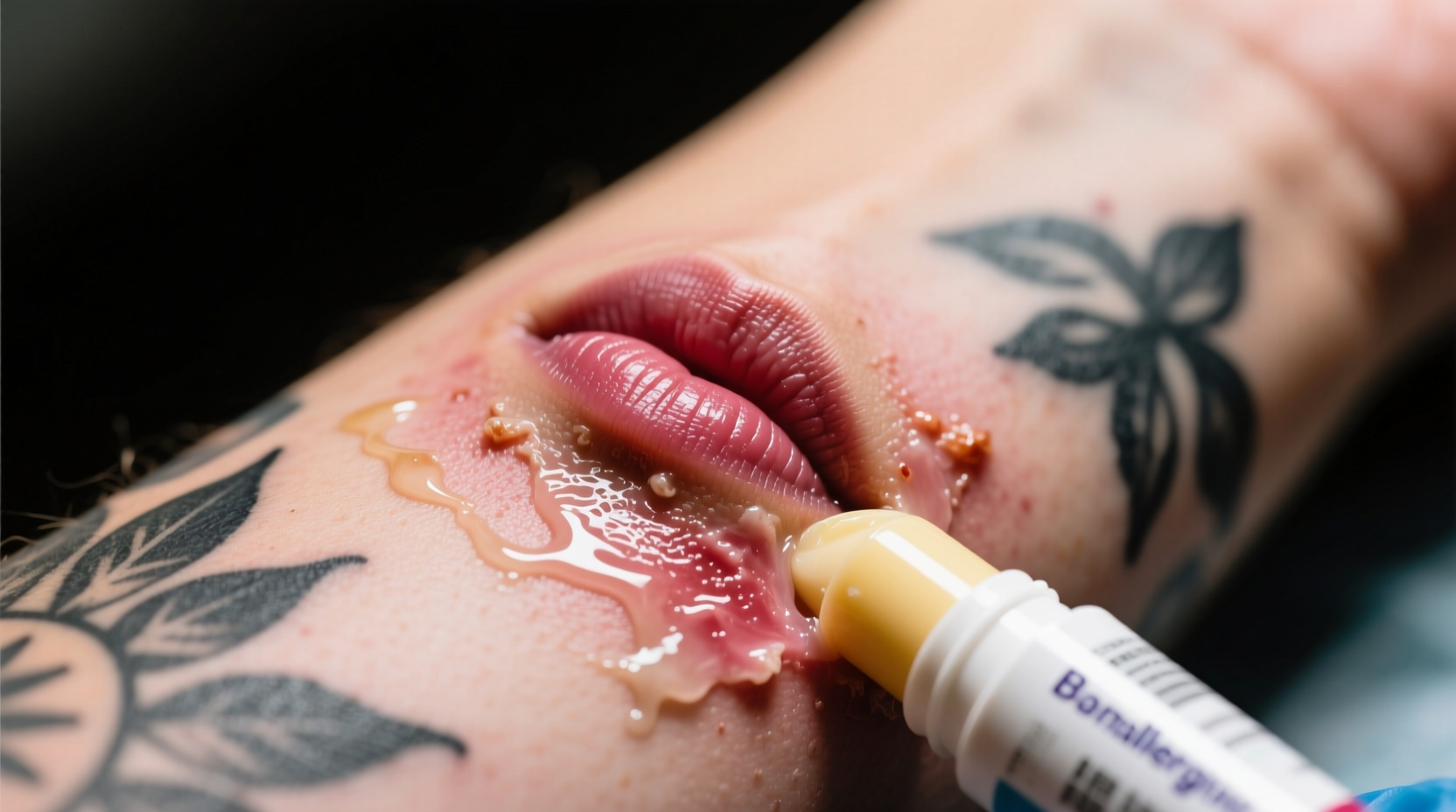
A tattoo is essentially a controlled wound. The needle punctures the epidermis and deposits ink into the dermis, triggering the body’s natural inflammatory response. Over the next two to four weeks, your skin goes through several phases: inflammation, proliferation, and maturation. During this time, the top layers scab, peel, and regenerate.
Maintaining a clean, moist environment is essential to prevent cracking, excessive scabbing, and infection. However, not all moisturizers are created equal. Products applied during healing must be non-comedogenic (won’t clog pores), fragrance-free, hypoallergenic, and free of irritants. This is where most off-the-shelf lip balms fall short.
What’s in Regular Lip Balm—and Why It’s Risky for Tattoos
Lip balms are formulated for the lips, which have different characteristics than the rest of the skin. They’re thinner, lack oil glands, and are frequently exposed to environmental stressors. As a result, lip balms often contain occlusive agents, emollients, and additives that lock in moisture—but these same ingredients can interfere with tattoo healing.
Here’s a breakdown of common ingredients found in regular lip balm and their potential impact on a healing tattoo:
| Ingredient | Purpose in Lip Balm | Risk for Healing Tattoos |
|---|---|---|
| Petroleum Jelly (e.g., Vaseline) | Occlusive barrier to prevent moisture loss | Traps bacteria, prevents oxygen flow, increases infection risk |
| Beeswax | Thickening agent, adds texture | Can clog pores, hinder breathability |
| Fragrances & Essential Oils | Added scent or flavor | Highly irritating; may cause allergic reactions or inflammation |
| Phenol or Menthol | Creates cooling sensation | Over-drying; damages sensitive healing tissue |
| Vitamin E Oil | Antioxidant, moisturizing | Linked to contact dermatitis in healing wounds |
Even products labeled “natural” or “organic” aren’t automatically safe. For example, coconut oil—a popular DIY remedy—is comedogenic and may clog pores around the tattoo site, leading to breakouts or delayed healing.
“Using non-sterile or improperly formulated products on a healing tattoo is like putting a bandage on a dirty wound. You might seal in moisture, but you're also sealing in risk.” — Dr. Lena Torres, Dermatologist & Wound Care Specialist
Safe Alternatives: What to Use Instead of Lip Balm
The ideal tattoo aftercare product is light, non-greasy, sterile, and specifically designed for post-ink care. These products are tested to ensure they don’t react with ink pigments or disrupt the healing process.
Recommended options include:
- Fragrance-free tattoo aftercare ointments – Brands like After Inked, Hustle Butter, and Aquaphor (used sparingly in early stages) are formulated to hydrate without clogging pores.
- Petroleum-free moisturizers – Look for water-based lotions with simple ingredient lists (e.g., glycerin, shea butter, and chamomile extract).
- Hydrating sprays – Some brands offer saline-based mists that refresh the area without rubbing or introducing contaminants.
In the first few days, when the tattoo is still weeping plasma, a thin layer of aftercare ointment helps prevent scabbing. After about 5–7 days, as peeling begins, switch to a lighter, fragrance-free lotion to avoid buildup.
Step-by-Step Tattoo Aftercare Timeline
Healing a tattoo properly requires consistency and attention to detail. Follow this timeline to minimize complications and preserve your ink’s quality:
- Days 1–3: Initial Healing
Wash hands before touching the tattoo. Gently cleanse with lukewarm water and fragrance-free antibacterial soap (e.g., Dial Gold or Cetaphil). Pat dry with a clean paper towel. Apply a pea-sized amount of aftercare ointment. Avoid re-bandaging unless advised by your artist. - Days 4–7: Scabbing and Early Peeling
Continue washing 2–3 times daily. Transition from ointment to a light, unscented lotion if the skin isn’t weeping. Do not pick at scabs or flakes. Keep the area out of direct sunlight. - Weeks 2–3: Flaking and Itching
Moisturize once or twice daily with a gentle lotion. Itching is normal—resist scratching. Wear loose clothing to reduce friction. - Week 4+: Final Healing
Skin should appear mostly healed, though deeper layers continue repairing. Resume normal skincare (excluding exfoliants or retinoids near the tattoo). Begin using SPF 30+ when exposed to sun to protect color vibrancy.
Throughout this process, monitor for signs of infection: increasing redness, pus, heat, or fever. If any develop, consult a healthcare provider immediately.
Real Example: A Cautionary Tale
Mark, a 28-year-old graphic designer, got his first tattoo—a detailed sleeve piece—on a Friday afternoon. By Sunday, the area felt tight and dry. Remembering he had a tube of medicated lip balm in his bag, he applied it to relieve the discomfort. Within 48 hours, the tattoo became inflamed, developed raised bumps, and began oozing yellow fluid.
He visited his tattoo artist, who immediately recognized an allergic reaction compounded by bacterial contamination from the non-sterile balm. Mark was prescribed a topical antibiotic and told to discontinue all non-approved products. While the tattoo eventually healed, the affected area lost some pigment and required a touch-up session.
His mistake? Assuming that because a product is safe for lips, it’s safe for open skin. His experience underscores the importance of using only recommended aftercare products—even if it means making an extra trip to the store.
Do’s and Don’ts of Tattoo Aftercare
To help you navigate the healing process confidently, here’s a clear checklist of actions to take—and those to avoid.
| Do’s ✅ | Don’ts ❌ |
|---|---|
| Wash with mild, fragrance-free soap | Use scented soaps or body washes |
| Moisturize with tattoo-specific lotion | Apply lip balm, petroleum jelly, or coconut oil |
| Keep the tattoo out of direct sun | Go tanning or spend long hours outdoors unprotected |
| Wear loose, breathable clothing | Wear tight fabrics that rub against the tattoo |
| Let the tattoo air out between washings | Wrap it in plastic or leave it covered for days |
| Consult your artist if concerned | Self-treat infections or rashes with home remedies |
Frequently Asked Questions
Can I use Vaseline on my tattoo if it’s peeling?
No. Vaseline creates an occlusive barrier that traps moisture and bacteria, increasing the risk of infection. It’s especially dangerous once the tattoo starts peeling, as dead skin cells and oils can build up underneath. Use a light, non-petroleum moisturizer instead.
Is it okay to use unscented ChapStick on a tattoo?
No. Even unscented ChapStick contains waxes, preservatives, and emollients not meant for open wounds. Its formulation isn’t sterile and may introduce contaminants. Stick to products specifically made for tattoo aftercare.
What happens if I accidentally used lip balm on my tattoo?
If you applied a small amount once and haven’t noticed redness, swelling, or irritation, you may be fine. Stop using it immediately, gently wash the area with mild soap, and switch to proper aftercare. Monitor closely for signs of reaction over the next 48 hours.
Conclusion: Protect Your Ink with Smart Choices
Your tattoo is a permanent investment in self-expression, and how you care for it in the first few weeks directly impacts its longevity and appearance. While it might be tempting to reach for a familiar product like lip balm when your skin feels dry or itchy, doing so risks compromising the healing process, introducing infection, or dulling your ink.
Instead, commit to using only tattoo-safe, fragrance-free, and non-comedogenic products. Follow a consistent cleaning and moisturizing routine, listen to your body, and consult your artist or a medical professional if anything seems off. With the right care, your tattoo will heal smoothly, retain its vibrancy, and remain something you’re proud to show off for years to come.




 浙公网安备
33010002000092号
浙公网安备
33010002000092号 浙B2-20120091-4
Comments
No comments yet. Why don't you start the discussion?