
Sneezing is a natural reflex designed to clear irritants from the nasal passages. But when it becomes relentless—triggered by dust, pollen, or even bright light—it shifts from protective mechanism to disruptive nuisance. Persistent sneezing can interfere with sleep, concentration, and daily activities. Understanding the root causes and knowing how to respond effectively makes all the difference. This guide explores the science behind uncontrollable sneezing, identifies common and lesser-known triggers, and provides practical, evidence-based solutions to restore comfort.
What Causes Uncontrollable Sneezing?
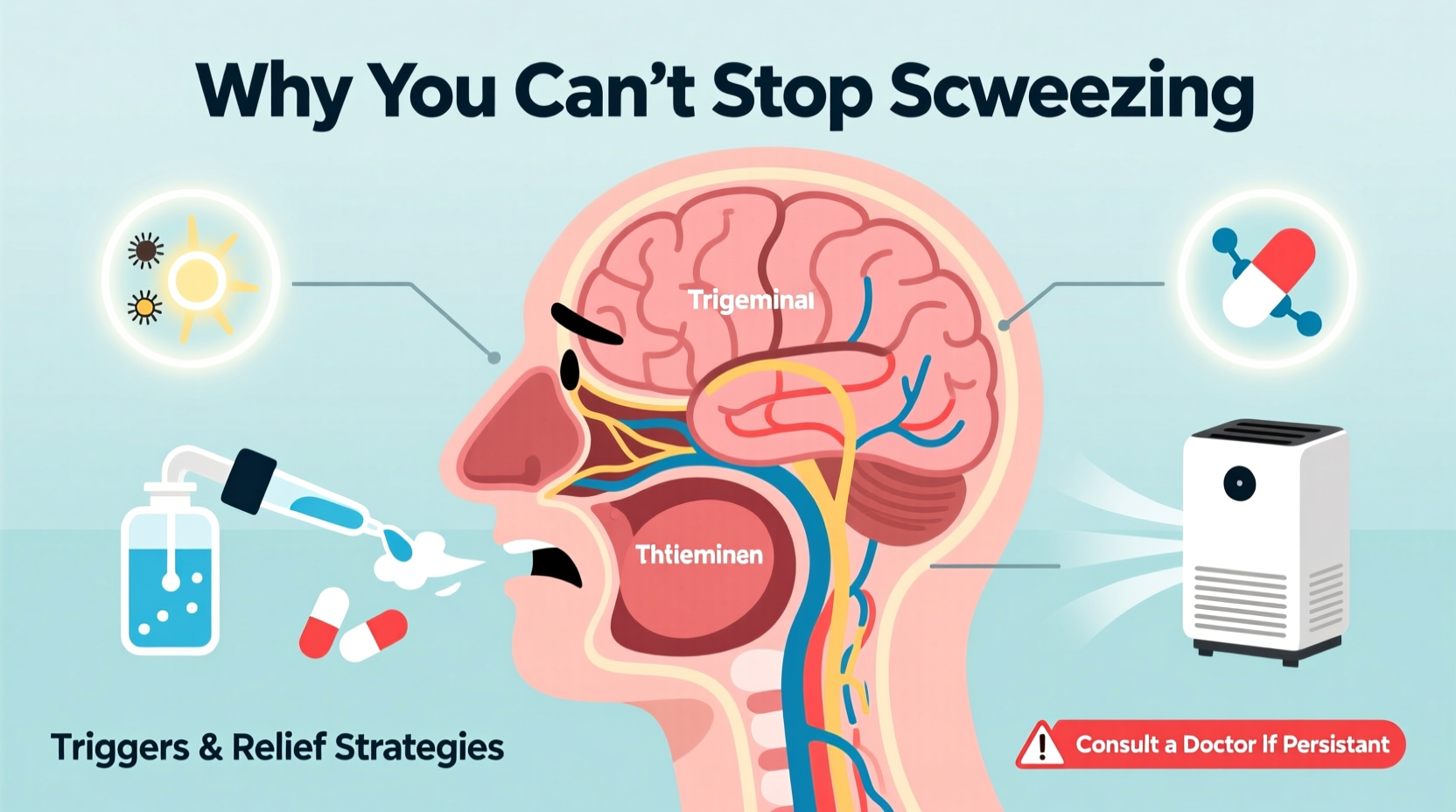
The sneeze reflex begins when sensory nerves in the nose detect an irritant. This signal travels to the brainstem, which activates muscles in the chest, throat, and face to expel air at speeds up to 100 miles per hour. While occasional sneezing is normal, repeated episodes suggest an ongoing trigger or underlying condition.
- Allergic rhinitis: The most common cause of persistent sneezing. Pollen, mold, pet dander, and dust mites prompt an immune overreaction, leading to inflammation and frequent sneezing.
- Non-allergic rhinitis: Irritants like strong perfumes, smoke, cleaning chemicals, or changes in temperature or humidity can provoke sneezing without involving the immune system.
- Postnasal drip: Mucus draining down the back of the throat can stimulate nerve endings, triggering sneezing fits, especially upon waking.
- Vasomotor rhinitis: A condition where blood vessels in the nose overreact to environmental stimuli such as wind, odors, or spicy food.
- Medications: Some drugs, including beta-blockers, NSAIDs, and certain antidepressants, list rhinitis or nasal irritation as side effects.
- Physical triggers: The photic sneeze reflex affects 18–35% of people, causing them to sneeze when exposed to bright light after being in the dark—a phenomenon known as ACHOO syndrome (Autosomal Dominant Compelling Helio-Ophthalmic Outburst).
Medical Conditions Linked to Chronic Sneezing
While allergies dominate the conversation, several medical conditions contribute to prolonged sneezing episodes:
- Nasal polyps: Soft, noncancerous growths in the nasal passages or sinuses can obstruct airflow and increase sensitivity, leading to frequent sneezing.
- Sinus infections: Bacterial or viral sinusitis causes mucus buildup and inflammation, irritating nasal nerves.
- Hormonal changes: Pregnancy, menstruation, or thyroid imbalances can alter nasal blood flow and mucosal sensitivity, increasing sneeze frequency.
- Structural issues: A deviated septum or enlarged turbinates may trap irritants, prolonging exposure and reflex responses.
- Neurological factors: Rarely, conditions like trigeminal neuralgia or autonomic dysfunction can heighten nasal nerve sensitivity.
“Chronic sneezing isn’t just annoying—it can be a clue to underlying inflammation or immune dysregulation. Don’t dismiss it if it lasts more than two weeks.” — Dr. Lena Patel, Board-Certified Allergist & Immunologist
Effective Relief Strategies and Treatments
Relief depends on identifying and addressing the root cause. Here’s a tiered approach based on severity and origin:
Immediate At-Home Relief
- Rinse nasal passages with saline spray or a neti pot to flush out allergens and soothe irritated tissues.
- Use a humidifier in dry environments to prevent nasal dryness, a common irritant.
- Avoid known triggers—close windows during high pollen counts, switch to fragrance-free detergents, and keep pets out of bedrooms.
- Apply a cool compress to the bridge of the nose to reduce nerve stimulation.
Over-the-Counter (OTC) Options
| Treatment Type | How It Works | Best For | Potential Side Effects |
|---|---|---|---|
| Antihistamines (e.g., loratadine, cetirizine) | Block histamine release from allergens | Allergic rhinitis, seasonal allergies | Drowsiness (especially with diphenhydramine) |
| Decongestants (e.g., pseudoephedrine, oxymetazoline spray) | Shrink swollen nasal tissues | Short-term congestion relief | Rebound congestion (with sprays), increased blood pressure |
| Nasal corticosteroids (e.g., fluticasone) | Reduce inflammation in nasal lining | Chronic allergic and non-allergic rhinitis | Nasal irritation, mild bleeding |
Prescription Interventions
For cases unresponsive to OTC treatments, a healthcare provider may recommend:
- Leukotriene inhibitors (e.g., montelukast) for allergy-related inflammation.
- Immunotherapy (allergy shots or sublingual tablets) to desensitize the immune system over time.
- Endoscopic procedures for nasal polyps or structural abnormalities.
Step-by-Step Guide to Managing Persistent Sneezing
Follow this five-step process to identify and resolve the issue:
- Track your symptoms: Keep a journal noting when sneezing occurs, duration, and potential triggers (e.g., after vacuuming, entering a new environment).
- Eliminate obvious irritants: Remove scented candles, clean HVAC filters, wash bedding in hot water weekly, and use HEPA air purifiers.
- Try OTC remedies: Begin with a non-drowsy antihistamine and saline rinses for 5–7 days.
- Evaluate response: If symptoms improve, continue treatment and maintain preventive habits. If not, consider non-allergic causes.
- Consult a specialist: See an allergist or ENT doctor for skin testing, imaging, or advanced diagnostics if sneezing persists beyond two weeks.
Real-Life Example: Overcoming Workplace Sneezing Triggers
Mark, a 34-year-old office worker, began sneezing uncontrollably every Monday morning. The fits lasted hours and were accompanied by itchy eyes. After tracking his environment, he noticed the pattern coincided with the building’s weekly deep cleaning. Investigation revealed that the janitorial staff used a citrus-scented disinfectant known to trigger vasomotor rhinitis. Mark switched to working remotely on cleaning days and requested unscented products be used near his workspace. Within three weeks, his sneezing stopped completely. His case highlights how subtle environmental factors—often overlooked—can drive chronic symptoms.
Prevention Checklist
Stay ahead of sneezing episodes with this proactive checklist:
- ✅ Change HVAC filters every 60–90 days
- ✅ Wash pillowcases and sheets weekly in water above 130°F
- ✅ Keep windows closed during peak pollen times (5–10 a.m.)
- ✅ Shower before bed to remove allergens from hair and skin
- ✅ Avoid touching your face, especially after handling pets or dusty items
- ✅ Carry saline wipes or a travel-sized nasal spray for on-the-go relief
- ✅ Monitor local pollen and air quality reports via apps like Pollen.com or AirNow
Frequently Asked Questions
Why do I sneeze multiple times in a row?
Multiple sneezes occur because the first attempt didn’t fully clear the irritant. The nervous system continues firing until the stimulus is removed. In sensitive individuals, even residual inflammation can prompt follow-up sneezes.
Can stress cause sneezing?
Stress doesn’t directly cause sneezing, but it can weaken the immune system and increase inflammation, making you more reactive to allergens. Additionally, anxiety may heighten awareness of bodily sensations, amplifying perceived discomfort.
Is it harmful to hold in a sneeze?
Suppressing a sneeze can force pressure backward into the Eustachian tubes or sinuses, potentially causing ear pain, sinus injury, or in rare cases, ruptured blood vessels. It’s safer to sneeze freely into a tissue or elbow.
Take Control of Your Comfort
Uncontrollable sneezing is more than a minor inconvenience—it’s a signal from your body that something needs attention. Whether it’s pollen, perfume, or a physiological quirk like the photic sneeze reflex, identifying the trigger is the first step toward lasting relief. With consistent environmental control, proper treatment, and timely medical consultation, most cases can be managed effectively. Don’t wait for symptoms to worsen. Start implementing these strategies today and reclaim your breath—and peace of mind.




 浙公网安备
33010002000092号
浙公网安备
33010002000092号 浙B2-20120091-4
Comments
No comments yet. Why don't you start the discussion?