
Choosing the right everyday carry bag isn't just about style—it's about function, longevity, and how well it fits your daily routine. Two of the most common materials in this space are canvas and nylon. Both have loyal followings, but when it comes to practicality, the answer isn’t always straightforward. The best choice depends on your lifestyle, climate, usage patterns, and maintenance habits. This guide breaks down the real-world differences between canvas and nylon bags, backed by material science, user experience, and expert insights, so you can make an informed decision.
Durability: How Long Will It Last?
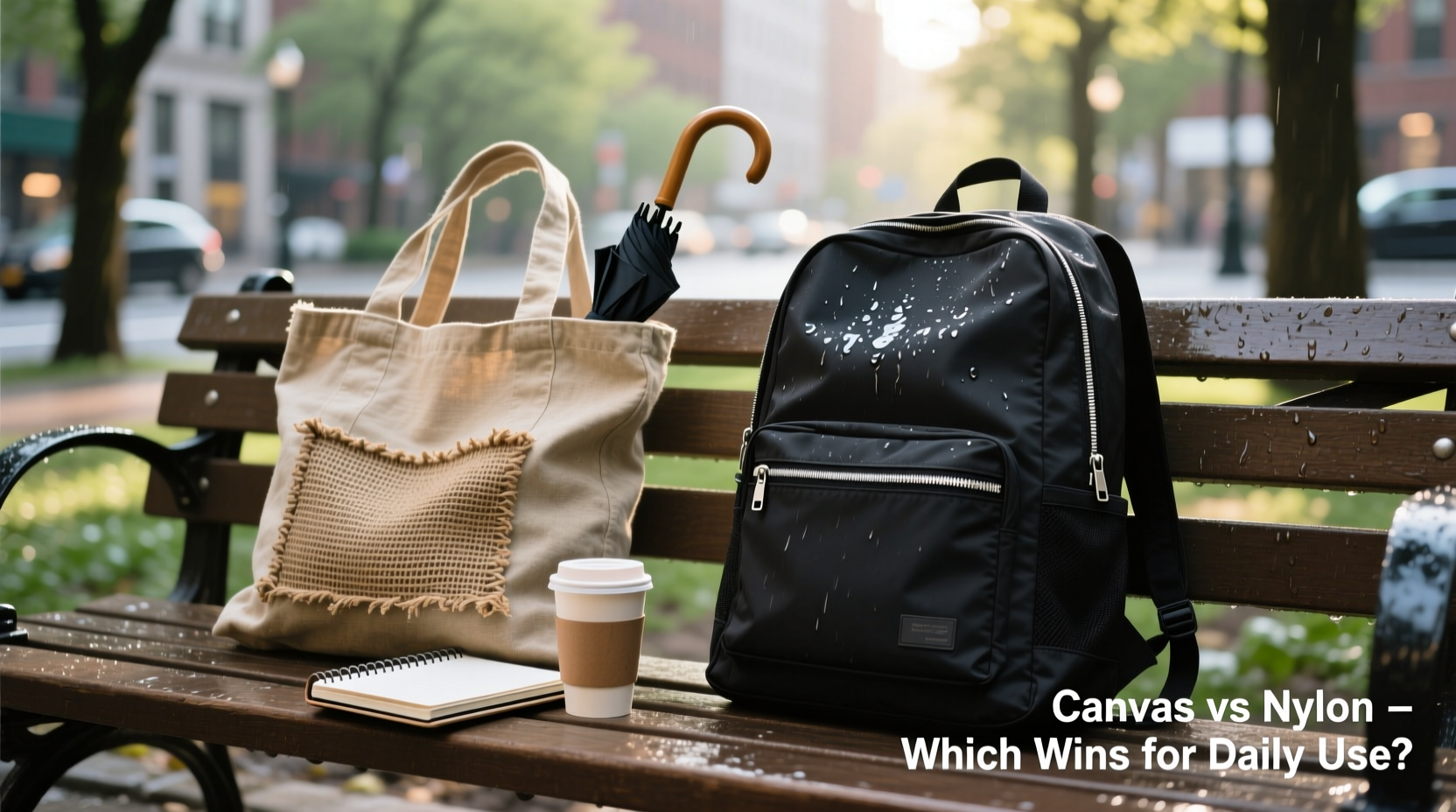
Durability is often the top concern when selecting a daily-use bag. Canvas, typically made from cotton or cotton-blend fabric, is known for its rugged texture and natural strength. High-quality canvas—especially waxed or tightly woven variants—can withstand years of regular use. However, repeated stress on seams and corners may lead to fraying over time, particularly if the bag is consistently overloaded.
Nylon, on the other hand, is a synthetic fiber engineered for resilience. Most nylon used in bags is either 600D or 1000D (denoting denier, a measure of thread thickness), with higher numbers indicating greater toughness. Nylon resists abrasion far better than canvas and maintains integrity even under heavy loads. Military-grade and tactical gear often use nylon for this reason.
“Nylon outperforms canvas in tensile strength and abrasion resistance. If you're carrying laptops, gym clothes, or tools daily, nylon will endure longer.” — Marcus Lin, Materials Engineer at Urban Gear Labs
That said, canvas has a unique advantage: it ages gracefully. While nylon may develop unsightly scuffs or lose color due to UV exposure, canvas develops a patina that many users appreciate. But if pure longevity under strain is your goal, nylon wins.
Weight and Comfort: What Feels Better to Carry?
One of the most overlooked aspects of bag practicality is weight. A lighter bag reduces fatigue during commutes, especially when walking or biking. Here’s where nylon shines again.
A typical 600D nylon tote weighs around 300–400 grams, while a comparable canvas bag can weigh 500–700 grams due to the denser, heavier weave of cotton fibers. That difference becomes noticeable over time, particularly when the bag is full. For commuters, students, or urban professionals who carry their bags daily, every ounce counts.
Nylon also allows for more ergonomic designs. Its flexibility enables manufacturers to integrate padded straps, breathable back panels, and contoured shapes without adding bulk. Canvas tends to be stiffer, which can limit design versatility and reduce comfort during extended wear.
Water Resistance and Weather Performance
Weather readiness is critical for any everyday bag. Spills, rain, and humidity can ruin electronics, documents, or clothing stored inside.
Canvas, being a natural fiber, absorbs moisture. Unless treated with a wax or polymer coating, standard canvas is not water-resistant. Wet canvas becomes heavy, takes hours to dry, and can develop mildew if stored damp. Even waxed canvas requires periodic re-treatment to maintain its protective layer.
Nylon is inherently hydrophobic. It repels water rather than absorbing it, making it ideal for rainy climates or unpredictable weather. Many nylon bags feature sealed seams and water-resistant zippers, offering near-splashproof protection. Some models even qualify as “weather-resistant” or “light-rain ready” without additional coatings.
In a real-world test conducted across three cities with high rainfall (Seattle, London, and Vancouver), nylon bags retained internal dryness in light rain for up to 30 minutes, while untreated canvas bags showed moisture penetration within 10 minutes.
Water Resistance Comparison
| Feature | Canvas | Nylon |
|---|---|---|
| Natural Water Resistance | Low | High |
| Drying Time After Rain | 4–6 hours | 1–2 hours |
| Mildew Risk | Medium to High | Low |
| Coating Required? | Yes, for protection | No, but enhances performance |
Maintenance and Care Requirements
Practicality isn’t just about performance—it’s also about how much effort you need to put into upkeep. Canvas bags require more attention than many users realize. They should not be machine-washed unless specified, as this can damage the weave or cause shrinkage. Spot cleaning with mild soap and air drying is recommended. Waxed canvas needs re-waxing every 6–12 months to maintain water resistance.
Nylon is significantly easier to maintain. Most nylon bags can be wiped down with a damp cloth, and some are even machine-washable on gentle cycles. Mild detergents won’t degrade the fibers, and the material dries quickly. This low-maintenance profile makes nylon ideal for people with busy schedules or those who frequently use their bags in dirty or sweaty environments (e.g., gym-goers, cyclists).
Real-Life Example: Commuter’s Choice in New York City
Take Sarah, a graphic designer living in Brooklyn who commutes 45 minutes each way via subway and walks the last mile to her office. She previously used a premium canvas tote, which she loved for its classic look. However, after six months, the bottom wore thin from being placed on wet subway floors, and a spilled coffee seeped through, staining the interior lining. She switched to a 1000D nylon backpack with a padded laptop sleeve and water-resistant base.
Within weeks, she noticed less shoulder fatigue and no worry during rainstorms. The nylon bag survived a full subway spill test—liquid rolled off the surface, and a quick wipe restored it. After a year, it still looks nearly new, despite daily use. Her verdict: “I didn’t realize how much mental load came from worrying about my bag until I switched to nylon.”
When Canvas Might Still Be the Better Choice
Despite nylon’s advantages, canvas remains a strong contender in specific scenarios. If aesthetics are a priority, canvas offers a timeless, earthy appeal that nylon often lacks. It pairs well with casual or vintage-inspired outfits and fits naturally into creative or academic environments.
Additionally, canvas is more eco-friendly in terms of biodegradability. While nylon is recyclable, it’s derived from petroleum and can take hundreds of years to decompose. For environmentally conscious users, organic or recycled canvas may align better with their values—even if it demands more care.
Canvas also provides better structure. It holds its shape well, making it ideal for tote-style bags where you want items visible and accessible. Nylon, being more flexible, can slump when not fully packed, which some find less organized.
Checklist: Choosing Between Canvas and Nylon
- ✅ Do you commute in rainy or humid conditions? → Lean toward nylon.
- ✅ Do you carry heavy items daily (laptop, books, gym gear)? → Nylon offers better support and lighter weight.
- ✅ Is low maintenance important? → Nylon wins for easy cleaning.
- ✅ Do you value classic style and natural materials? → Canvas may suit your taste.
- ✅ Are you environmentally focused and willing to maintain your bag? → Consider organic canvas.
- ✅ Do you walk long distances with your bag? → Prioritize lightweight nylon.
Frequently Asked Questions
Can canvas bags be made water-resistant?
Yes, waxed canvas is treated with paraffin or beeswax to repel water. However, this protection diminishes over time and must be reapplied periodically. Even then, it’s only effective against light rain, not prolonged exposure.
Is nylon bad for the environment?
Nylon is a synthetic plastic and not biodegradable. However, many brands now use recycled nylon (like ECONYL®) made from fishing nets and industrial waste. Look for certified sustainable options if environmental impact is a concern.
Which material is better for carrying electronics?
Nylon is superior for protecting electronics due to its water resistance, shock absorption (when padded), and consistent performance in varying conditions. Most laptop sleeves and tech-focused bags use nylon or polyester blends for these reasons.
Final Recommendation
For most people seeking a truly practical, everyday bag, nylon is the more sensible choice. It’s lighter, tougher, weather-resistant, and easier to clean—qualities that directly translate to convenience and longevity. Canvas has charm and character, but it demands more care and performs poorly in wet or high-wear environments.
If you live in a city, commute regularly, or face unpredictable weather, nylon will serve you better over the long term. Reserve canvas for seasonal, style-driven, or low-intensity use—like weekend outings or campus strolls in dry climates.




 浙公网安备
33010002000092号
浙公网安备
33010002000092号 浙B2-20120091-4
Comments
No comments yet. Why don't you start the discussion?