
Choosing the right crossbody bag isn’t just about aesthetics—it’s about function, longevity, and how well it fits into your daily routine. Two of the most common materials used in everyday crossbody bags are canvas and nylon. Both have loyal followings, but they serve different needs and lifestyles. Whether you're commuting, traveling, or navigating a busy urban schedule, understanding the strengths and weaknesses of each material can help you make a smarter, more durable choice.
Durability and Longevity: How They Hold Up Over Time
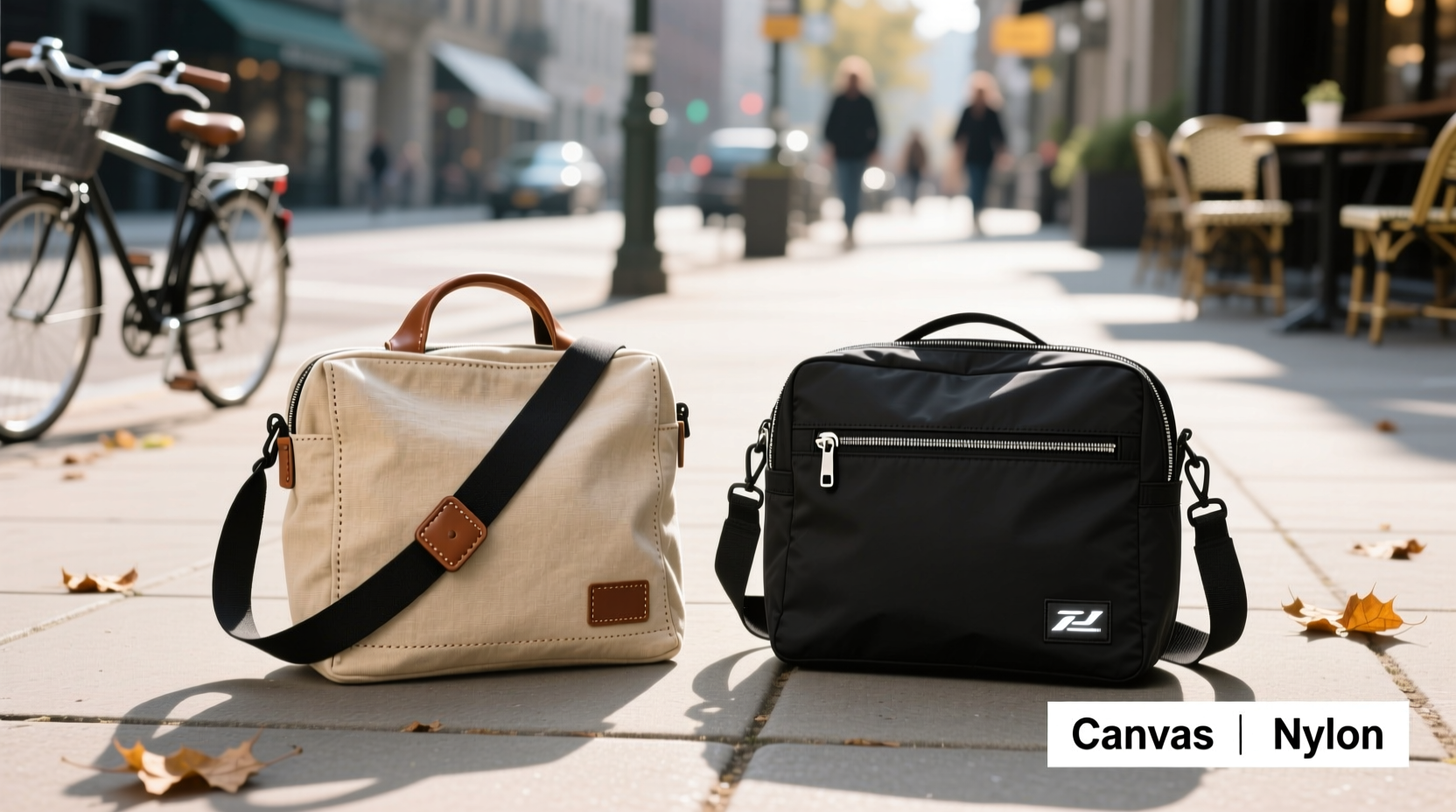
Durability is often the deciding factor when selecting a bag for daily wear. Canvas and nylon differ significantly in their resistance to wear, water, and abrasion.
Canvas, typically made from cotton or a cotton-blend weave, offers a classic, rugged look. It’s naturally breathable and firm, giving structure to the bag. However, pure cotton canvas is prone to fraying, especially along stress points like straps and seams. While heavier canvas (like duck canvas) can withstand moderate abuse, it tends to absorb moisture, which can lead to mildew if not dried properly after exposure to rain.
Nylon, on the other hand, is a synthetic fiber engineered for resilience. Originally developed for military and outdoor gear, nylon excels in tensile strength and resistance to tearing. It’s inherently water-resistant—some versions are even fully waterproof—and doesn’t degrade easily under UV exposure. High-denier nylon (400D and above) is commonly used in premium travel and tactical bags because it resists scuffs and abrasions far better than most canvas fabrics.
“Nylon outperforms canvas in environments with high moisture or physical strain. For commuters in rainy cities or travelers on the move, it’s the logical long-term investment.” — Marcus Lin, Product Designer at Urban Gear Co.
Weight, Comfort, and Wearability
A crossbody bag should enhance your day, not weigh it down. Weight plays a crucial role in comfort, especially when worn for extended periods.
Canvas tends to be heavier than nylon, particularly when damp. A large canvas tote-style crossbody can feel bulky after a few hours, especially if packed with essentials like a tablet, wallet, and keys. The fabric also lacks stretch, so overloading can strain stitching and lead to premature failure.
Nylon is notably lighter. Even when constructed with reinforced panels and multiple compartments, nylon bags maintain a featherlight profile. This makes them ideal for active users—cyclists, hikers, or city dwellers who walk several miles a day. The material also has a slight flexibility that conforms gently to the body, reducing pressure points on the shoulder and back.
| Feature | Canvas | Nylon |
|---|---|---|
| Weight (average) | Medium to Heavy | Light to Medium |
| Water Resistance | Low (unless treated) | High |
| Tear Strength | Moderate | High |
| Breathability | High | Low |
| Eco-Friendliness | Biodegradable (cotton-based) | Petroleum-based, less biodegradable |
Style, Aesthetic Appeal, and Versatility
While function matters, style influences how confident and put-together you feel. Canvas bags are often associated with vintage charm, minimalist design, and artisanal appeal. Think of the classic French workwear bag or the timeless university satchel—canvas carries cultural weight and aesthetic warmth.
Nylon, historically linked to sportswear and utilitarian fashion, has evolved. Modern nylon crossbodies come in sleek silhouettes with muted tones, bold colors, and even textured weaves that mimic fabric. Brands like Bellroy, Aer, and Fjällräven have elevated nylon into the realm of minimalist urban elegance.
That said, canvas wins in casual and semi-formal settings where natural textures are appreciated. Nylon shines in professional, travel, or outdoor contexts where practicality takes precedence. If you switch between office work and weekend adventures, nylon offers greater versatility across environments.
Real-World Example: The Commuter’s Dilemma
Sophie, a graphic designer in Seattle, used a beige canvas crossbody for six months before replacing it. Despite loving the look, she found it stained easily from coffee spills and rain. After two downpours, the lining mildewed. She switched to a matte black 600D nylon crossbody with a hidden RFID pocket. Now, two years later, it shows only minor scuffing near the base. “It’s survived bus rides, bike commutes, and even a kayaking trip,” she says. “I wish I’d gone nylon sooner.”
Care and Maintenance Requirements
How much effort you’re willing to invest in upkeep should influence your decision.
Canvas requires regular brushing to remove surface dirt and occasional spot cleaning with mild soap. Machine washing is risky—it can shrink or distort the shape. For best results, clean by hand and air dry away from direct heat. Waxed canvas needs reproofing every 6–12 months to maintain water resistance.
Nylon is low-maintenance. Most spills wipe off with a damp cloth. For deeper cleaning, a soft brush and soapy water suffice. It dries quickly and won’t retain odors. However, prolonged sun exposure can fade darker colors, so storing it away from windows is wise.
Step-by-Step: Weekly Bag Maintenance Routine
- Empty completely: Remove all contents and shake out crumbs or debris.
- Inspect for stains: Check interior pockets and exterior surfaces.
- Wipe down: Use a microfiber cloth dampened with water (add mild detergent if needed).
- Check hardware: Ensure zippers glide smoothly and strap attachments are secure.
- Air dry: Leave open in a ventilated area, away from direct sunlight.
- Store properly: Place on a shelf or hook—never crumpled in a closet.
Environmental Impact and Ethical Considerations
As sustainability becomes central to consumer choices, the environmental footprint of your bag matters.
Canvas, especially organic cotton canvas, is biodegradable and renewable. It requires less energy to produce than synthetic fibers. However, conventional cotton farming uses significant water and pesticides. Opt for GOTS-certified or recycled canvas when possible.
Nylon is derived from petroleum, making it non-renewable and slow to decompose. That said, many brands now use recycled nylon (like ECONYL®), which repurposes fishing nets and industrial waste. These innovations reduce ocean plastic and lower carbon emissions by up to 50% compared to virgin nylon.
If eco-consciousness is a priority, consider longevity as part of sustainability. A durable nylon bag that lasts 5+ years may have a lower lifetime impact than a canvas bag replaced every 12–18 months.
FAQ: Common Questions About Canvas vs. Nylon Crossbody Bags
Can I wash a canvas crossbody bag in the washing machine?
Not recommended. Machine washing can cause shrinkage, color bleeding, and structural damage. Always clean canvas by hand and air dry flat.
Is nylon safe to use in hot weather?
Yes, but prolonged exposure to extreme heat (like leaving it in a car) can warp plastic components or degrade adhesive layers. Store in shaded areas when possible.
Which material resists odors better?
Nylon generally resists odor buildup due to its non-porous nature. Canvas, being more absorbent, can trap smells—especially if used for gym clothes or food items.
Final Recommendation: Which Should You Choose?
The answer depends on your lifestyle. If you value tradition, texture, and a relaxed aesthetic, and don’t mind extra care, canvas is a solid pick—especially in waxed or blended forms. But for most people seeking a reliable, all-weather, low-maintenance companion, nylon is the superior choice for everyday use.
Its lightweight strength, resistance to the elements, and modern versatility make it ideal for urban living, travel, and active routines. Advances in recycled materials also mean choosing nylon doesn’t have to come at an environmental cost.




 浙公网安备
33010002000092号
浙公网安备
33010002000092号 浙B2-20120091-4
Comments
No comments yet. Why don't you start the discussion?