
For millions of commuters, a reliable bag is more than an accessory—it’s a daily necessity. Whether you're carrying a laptop, lunch, gym clothes, or a mix of essentials, the right bag can make your routine smoother. But over time, wear and tear take their toll. Two popular options dominate the urban commute: the canvas tote and the nylon backpack. While both serve well in different ways, one question remains critical—which holds up better over months or even years of daily use?
The answer isn’t just about material strength; it involves construction, load distribution, exposure to weather, maintenance habits, and how the bag is used. This article dives deep into the long-term durability of canvas totes versus nylon backpacks, helping you choose not just what looks good today, but what will still be functional two years from now.
Durability Showdown: Material Science Behind Canvas and Nylon
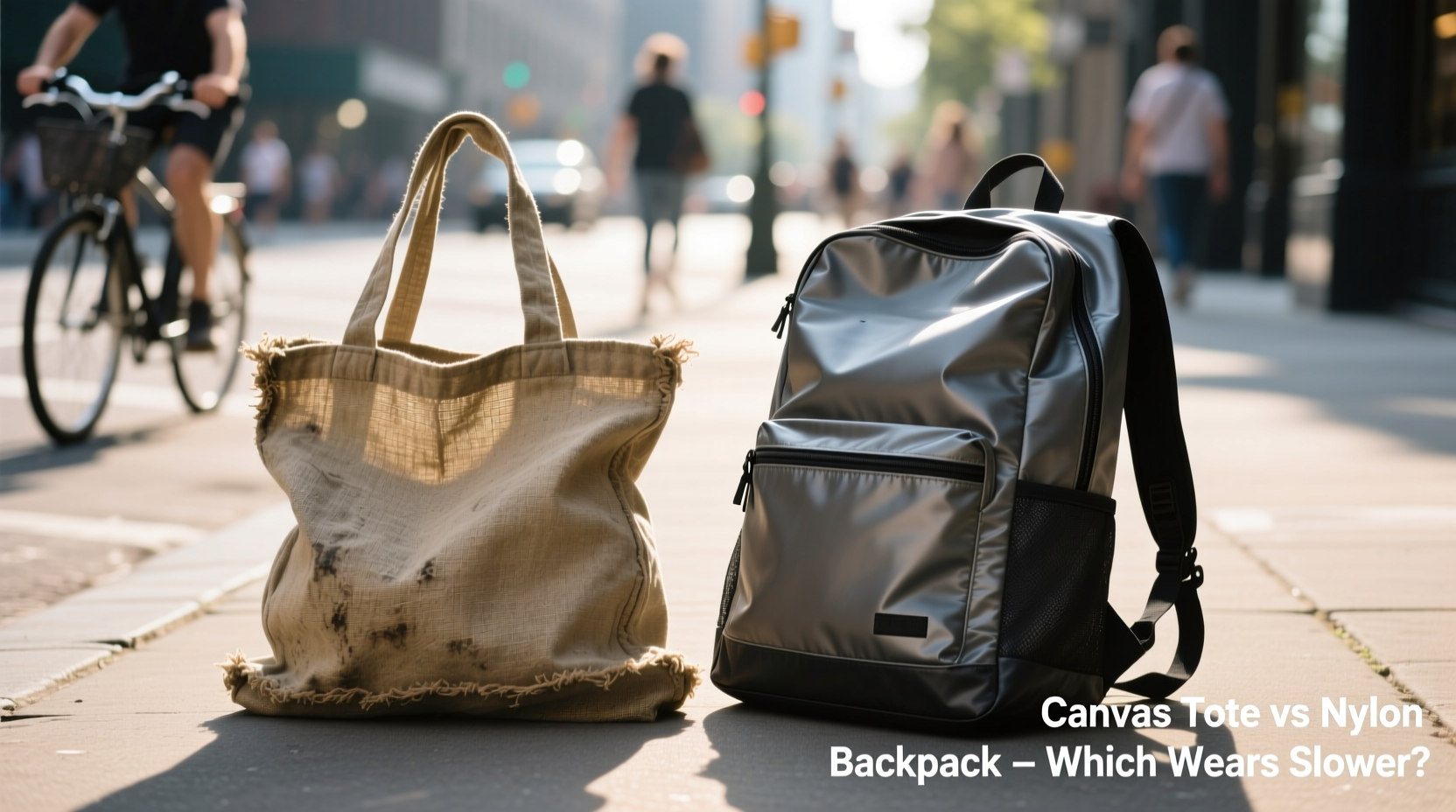
The core difference between a canvas tote and a nylon backpack lies in the fabric. Understanding the properties of each helps explain how they age under stress.
Canvas is typically made from cotton or a cotton-polyester blend. It’s a tightly woven plain-weave textile known for its stiffness and natural texture. High-quality canvas (especially 10-ounce or heavier) can resist abrasion and tearing reasonably well when new. However, it lacks inherent water resistance and tends to absorb moisture, which weakens fibers over time. When exposed to rain or humidity repeatedly, canvas can mildew, fade, or develop weak spots at stress points like handles or seams.
In contrast, nylon—particularly high-denier varieties like 600D or 1000D—is engineered for resilience. Originally developed for military and outdoor gear, nylon is lightweight, water-resistant, and highly resistant to abrasion. Its synthetic fibers don’t degrade easily from moisture, UV exposure, or frequent friction. When properly constructed with reinforced stitching and durable hardware, nylon backpacks are built to endure rough handling, packed subway rides, and sudden downpours without structural compromise.
From a material science perspective, nylon wins on tensile strength, elasticity, and environmental resistance. Canvas may feel sturdier initially due to its weight and rigidity, but that doesn’t translate to longevity under repeated stress.
Structural Integrity: How Design Impacts Longevity
Beyond fabric, the design and construction of a bag play a crucial role in how long it lasts. A poorly made nylon backpack with flimsy zippers will fail faster than a well-constructed canvas tote. But generally, backpacks have a structural advantage over totes.
Backpacks distribute weight across both shoulders and often include padded straps, sternum straps, and back panels that reduce strain on any single point. This balanced load minimizes stress on seams and attachment points. Most nylon backpacks also feature double-stitched seams, bar-tacking at high-tension areas (like strap junctions), and molded or rubberized zippers that resist corrosion.
Canvas totes, especially simple open-top designs, rely heavily on handle strength. Handles are typically sewn directly into the top edge of the bag, creating a concentrated stress zone. Over time, especially when overloaded, the stitching can loosen or the fabric around the attachment point can tear. Even with reinforced webbing or leather trim, most totes lack ergonomic support, leading users to carry them awkwardly—often by one hand or draped over a shoulder—which accelerates wear.
Additionally, backpacks usually close securely with zippers or magnetic buckles, protecting contents and reducing snag risks. Totes, being open, expose interiors to dirt, spills, and sharp objects that can damage lining or outer fabric.
“Load distribution is everything. A backpack spreads force; a tote concentrates it. That’s why totes fail at the handles first.” — Jordan Lee, Industrial Bag Designer
Real-World Wear: A Commuter’s Perspective
To understand how these bags perform outside lab conditions, consider a real-world scenario.
Mini Case Study: One Year, Two Bags
Alex, a graphic designer in Seattle, uses public transit daily. His work requires carrying a 15-inch laptop, sketchbook, charger, and sometimes a light jacket. For one year, he alternated between a heavy-duty canvas tote (12 oz cotton duck) and a 600D nylon backpack with padded compartments.
- After 3 months: The canvas tote showed fraying at the base corners from dragging on wet pavement. The cotton handles began softening and stretching slightly.
- After 6 months: The tote’s interior lining was stained from a spilled coffee. One handle seam started separating after being caught in a train door.
- After 9 months: The tote required hand-stitching to repair a split near the top gusset. Water spots had dulled the fabric’s finish.
- At 12 months: The tote was still usable but visibly worn. The backpack, meanwhile, looked nearly new—minor scuff marks on the bottom panel were the only signs of use. Zippers operated smoothly, straps remained taut, and no seams had loosened.
Alex ultimately retired the tote for weekend errands and kept the backpack as his primary commuter. “I loved the look of the canvas,” he said, “but I stopped trusting it with my gear. The backpack just feels indestructible.”
Comparison Table: Key Durability Factors
| Factor | Canvas Tote | Nylon Backpack |
|---|---|---|
| Tensile Strength | Moderate – degrades with moisture | High – maintains integrity when wet |
| Water Resistance | Poor (unless waxed or coated) | Good to excellent |
| UV Resistance | Fades quickly in sunlight | Resists fading and fiber breakdown |
| Weight Distribution | Poor – single or dual handles concentrate stress | Excellent – dual straps with padding |
| Seam & Stitch Longevity | Prone to splitting at high-stress points | Reinforced stitching resists unraveling |
| Maintenance Needs | Hand-wash recommended; air dry only | Wipe clean; machine washable in some cases |
| Lifespan (Daily Use) | 1–2 years (with care) | 3–5+ years |
Maintenance Habits That Extend Lifespan
No bag lasts forever, but proper care significantly extends its usable life. Both canvas and nylon benefit from consistent maintenance, though their needs differ.
Canvas requires gentle cleaning. Spot-clean stains with mild soap and a damp cloth. Never machine-wash unless specified—agitation can break down fibers and cause shrinkage. After cleaning, dry flat away from direct heat. Storing canvas in a breathable cotton bag prevents dust buildup while allowing airflow.
Nylon is far more forgiving. Most spills and dirt can be wiped off with a damp sponge. Some models tolerate machine washing on gentle cycles, but always remove inserts and hang to dry. Avoid ironing or high-heat drying, which can melt fibers or weaken coatings.
Action Checklist: Maximizing Bag Longevity
- Inspect stitching and hardware weekly for early signs of wear.
- Rotate bags if possible—giving each one a rest reduces cumulative stress.
- Never exceed the manufacturer’s weight limit.
- Use protective covers in rain or snow, even for “water-resistant” bags.
- Store in a cool, dry place away from direct sunlight.
- Clean regularly using appropriate methods for the material.
- Avoid placing bags on dirty or wet floors—use hooks or shelves.
“Rotating your bags is like rotating your shoes. It gives materials time to recover and prevents fatigue.” — Lena Patel, Sustainable Lifestyle Consultant
When a Canvas Tote Makes Sense
Despite nylon’s durability edge, canvas totes aren’t obsolete. They shine in specific contexts:
- Low-intensity use: Ideal for grocery runs, library trips, or casual outings where weight and weather exposure are minimal.
- Eco-conscious choices: Natural canvas is biodegradable and often produced with fewer petrochemicals than nylon.
- Style and versatility: Many prefer the minimalist, fashion-forward look of canvas. Brands like Cuyana or Baggu offer modern designs that pair well with professional or casual attire.
- Customization: Canvas accepts screen printing and embroidery better than nylon, making it popular for promotional or personalized bags.
However, for daily commuting involving heavy loads, variable weather, or crowded transit, canvas is inherently less resilient. Even premium versions struggle to match the endurance of a purpose-built nylon backpack.
FAQ: Common Questions About Bag Longevity
Can a canvas tote last as long as a nylon backpack?
Rarely, under normal commuting conditions. While a high-quality canvas tote with leather reinforcements might approach 2 years of daily use, most nylon backpacks exceed 3–5 years with less visible wear. The material limitations of cotton-based fabrics make long-term parity unlikely.
Does waterproofing help canvas last longer?
Yes, but with caveats. Applying a silicone- or wax-based protector can improve water resistance and reduce staining. However, these treatments need reapplication every few months and may alter the fabric’s breathability or texture. They don’t prevent UV degradation or mechanical wear from dragging or overloading.
Are expensive canvas totes worth it for commuting?
Only if aesthetics outweigh practicality. Premium brands charge more for design, branding, or ethical sourcing—not necessarily durability. You’re paying for style, not lifespan. For rugged daily use, that investment often makes more sense in a functional nylon backpack.
Final Verdict: Nylon Backpack Wins on Wear Resistance
When evaluating which item wears slower under daily commuting conditions, the evidence strongly favors the nylon backpack. Its superior material strength, intelligent weight distribution, weather resistance, and low-maintenance nature allow it to endure years of hard use with minimal degradation. While canvas totes offer charm and eco-appeal, they simply can’t match the structural resilience required for consistent, demanding routines.
This doesn’t mean canvas has no place. It remains a solid choice for occasional use, light loads, or style-driven applications. But if your priority is longevity, protection of valuables, and reliability in unpredictable conditions, a well-constructed nylon backpack is the smarter long-term investment.
Durability isn’t just about surviving a single trip—it’s about thriving through hundreds. Choose the bag that supports your lifestyle not just today, but every day for years to come.




 浙公网安备
33010002000092号
浙公网安备
33010002000092号 浙B2-20120091-4
Comments
No comments yet. Why don't you start the discussion?