
A cluttered closet doesn’t just make mornings stressful—it reflects a deeper disconnect between what you own and how you live. The capsule wardrobe movement isn’t about minimalism for the sake of it; it’s about intentionality. By curating a small collection of high-quality, versatile clothing, you eliminate decision fatigue, reduce waste, and dress with confidence every day. But building a functional capsule isn’t as simple as tossing out half your clothes and calling it done. It requires strategy, self-awareness, and a clear understanding of what truly serves your lifestyle.
This guide breaks down the foundational elements of a successful capsule wardrobe—what to keep, what to let go, and how to build a system that lasts beyond seasonal trends. Whether you're starting from scratch or refining an existing closet, these practical steps will help you create a streamlined, stress-free wardrobe that works for you—not against you.
Why a Capsule Wardrobe Solves Real Problems
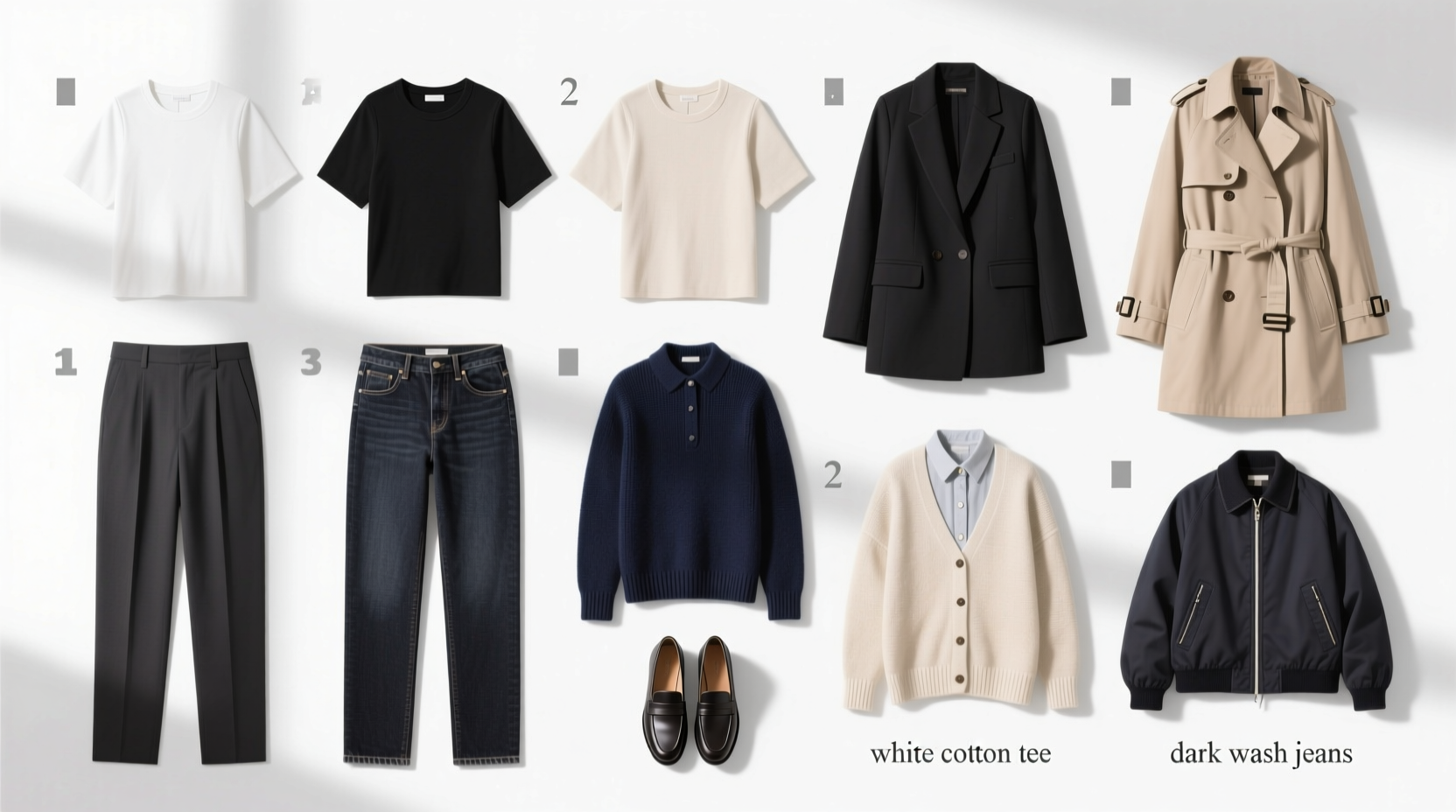
The average person spends three years of their life deciding what to wear. That’s time lost to indecision, mismatched outfits, and unworn items hanging in the back of the closet. A capsule wardrobe addresses this by focusing on utility, cohesion, and personal alignment. When every piece complements the others and fits your daily routine, getting dressed becomes effortless.
More than convenience, a well-built capsule supports sustainability. Fast fashion encourages overconsumption, but a curated wardrobe reduces the urge to buy impulsively. According to the Environmental Protection Agency, over 11 million tons of textiles end up in landfills each year in the U.S. alone. By investing in fewer, better-made garments, you contribute to a slower, more thoughtful fashion cycle.
“Clothing should serve your life, not complicate it. A capsule wardrobe is less about restriction and more about liberation.” — Sarah Thornton, Sociologist & Author of *The Sociology of Fashion*
Step-by-Step: Building Your Capsule Wardrobe
Creating a capsule isn’t a one-day purge. It’s a process of evaluation, selection, and refinement. Follow this timeline to build a wardrobe that aligns with your real-life needs.
- Pause all non-essential purchases for 30 days. This creates space to assess your current habits without interference from new acquisitions.
- Empty your closet completely. Yes, everything. Lay it out where you can see it—on your bed, floor, or chairs. This visual audit reveals patterns: duplicates, neglected items, and emotional attachments.
- Categorize by type: tops, bottoms, dresses, outerwear, shoes, accessories. Sort further by season if needed.
- Try everything on. Fit changes. Styles evolve. Wear each item and ask: Does it fit well? Is it comfortable? Would I buy this today?
- Use the 6-month rule: If you haven’t worn it in the past six months (excluding special occasion items), consider letting it go.
- Select core pieces first: Start with 5–7 essentials that form the foundation—neutral tops, classic trousers, a tailored blazer, etc.
- Add complementary items: Choose 3–5 statement or seasonal pieces that coordinate with your base layer.
- Limits matter: Aim for 30–40 total items, including shoes and outerwear. Adjust based on climate and lifestyle, but keep the number intentional.
- Store off-season items separately to avoid visual clutter and maintain focus.
- Reassess every 8–12 weeks to adapt to weather, work demands, or personal shifts.
Essential Pieces Every Capsule Needs
A strong capsule relies on versatility. Each item should mix and match seamlessly with at least three others. Prioritize fabric quality, timeless cuts, and colors that harmonize across your palette.
| Category | Must-Have Items | Notes |
|---|---|---|
| Tops | White button-down, black turtleneck, striped tee, neutral blouse | Choose natural fibers like cotton, silk, or merino wool for breathability and durability |
| Bottoms | Dark wash jeans, black trousers, midi skirt, tailored shorts | Slim or straight cuts work best for cross-styling |
| Dresses | Little black dress, shirt dress, wrap dress | Pick styles that can be dressed up or down with accessories |
| Outerwear | Trench coat, wool coat, denim jacket, blazer | Invest in weather-appropriate layers with clean lines |
| Shoes | Nude flats, ankle boots, white sneakers, black heels | Comfort and color neutrality are key for maximum pairing options |
| Accessories | Silk scarf, leather belt, minimalist jewelry, tote bag | These personalize outfits without adding bulk |
Color Palette Strategy
Stick to a cohesive color scheme—usually 1–2 neutrals (black, navy, beige, gray) and 1–2 accent tones (burgundy, olive, camel). This ensures everything coordinates effortlessly. Avoid trendy colors unless they genuinely suit your skin tone and lifestyle.
Real-Life Example: From Overwhelmed to Organized
Marina, a 34-year-old project manager in Portland, had 87 tops in her closet but felt she “had nothing to wear” three days a week. After attending a capsule workshop, she followed the step-by-step method outlined above. She started by removing everything and sorting by frequency of use. She discovered 43 tops hadn’t been worn in over a year—many were ill-fitting or outdated.
She built a 36-item capsule centered around navy, cream, and charcoal. Her core included a silk shell, cropped chinos, a double-breasted coat, and loafers. Within two weeks, her morning routine shortened by 15 minutes. Over six months, she saved $280 by avoiding impulse buys and donated over 60 items to a local shelter. More importantly, she reported feeling more confident and put-together at work.
“I used to think more choices meant more freedom,” she said. “Now I know clarity does.”
Common Mistakes to Avoid
- Starting too big: Don’t aim for perfection in version one. Begin with a smaller capsule and refine it.
- Ignoring your actual lifestyle: If you work from home, skip the pencil skirts. If you hike weekly, include performance layers.
- Forgetting comfort: A beautiful sweater isn’t worth keeping if it itches or restricts movement.
- Over-prioritizing trends: Statement pieces should enhance, not dominate, your wardrobe.
- Not editing regularly: Bodies change. Jobs shift. Seasons turn. Revisit your capsule quarterly.
“The best wardrobe is the one you actually wear.” — Matilda Kahl, Founder of the Power Suit Project
Checklist: Building Your Capsule Wardrobe
Use this actionable checklist to stay on track during your capsule creation process:
- ☐ Clear your closet and lay out all clothing items
- ☐ Try on every piece and assess fit, condition, and relevance
- ☐ Remove anything unworn in the last 6 months (except formalwear)
- ☐ Define your primary activities (work, errands, exercise, social)
- ☐ Choose a neutral-based color palette (max 3 main colors)
- ☐ Select 5–7 foundational tops and bottoms
- ☐ Add 1–2 outerwear options suitable for current season
- ☐ Pick 3 pairs of versatile shoes
- ☐ Include 2–3 accessories that elevate multiple outfits
- ☐ Limit total items to 30–40 (adjust slightly for climate)
- ☐ Store off-season clothes out of sight
- ☐ Label or photograph your capsule for reference
- ☐ Schedule a review every 3 months
Frequently Asked Questions
Can I have more than one capsule?
Absolutely. Many people maintain separate capsules for work, casual weekends, or travel. Others rotate seasonal capsules—summer vs. winter—while keeping a consistent core. The key is maintaining cohesion within each set.
What if my job requires different attire each day?
Focus on modular dressing. Build around a few high-quality staples—like a navy blazer or gray dress—and pair them with varied shirts, scarves, or jewelry to create distinct looks. Stick to a unified color story so transitions feel natural.
How do I handle special events or holidays?
Keep 1–2 flexible pieces outside your capsule for occasional wear—like a cocktail dress or festive sweater. Alternatively, consider renting or borrowing for rare occasions instead of owning underused items.
Final Thoughts: Less Isn’t Lacking—It’s Liberating
A capsule wardrobe isn’t about deprivation. It’s about elevation. When you remove the excess, you make room for clarity, consistency, and confidence. You stop chasing trends and start expressing who you are—without the noise.
The clothes you keep should reflect your present life, not past impulses or future aspirations. By applying these principles—intentional selection, seasonal adaptation, and regular editing—you create a closet that supports you, not stresses you.




 浙公网安备
33010002000092号
浙公网安备
33010002000092号 浙B2-20120091-4
Comments
No comments yet. Why don't you start the discussion?