
A capsule wardrobe isn’t just a trend—it’s a philosophy of intentional living through fashion. At its core, it's about curating a small collection of high-quality, versatile clothing items that work seamlessly together. The goal is simplicity, functionality, and style without excess. For those seeking a minimalist look, the capsule wardrobe offers freedom from decision fatigue, reduces environmental impact, and streamlines daily routines. But building one requires more than just tossing out half your closet. It demands strategy, clarity, and an understanding of what truly belongs in a minimalist wardrobe.
What Is a Capsule Wardrobe (And Why It Works)
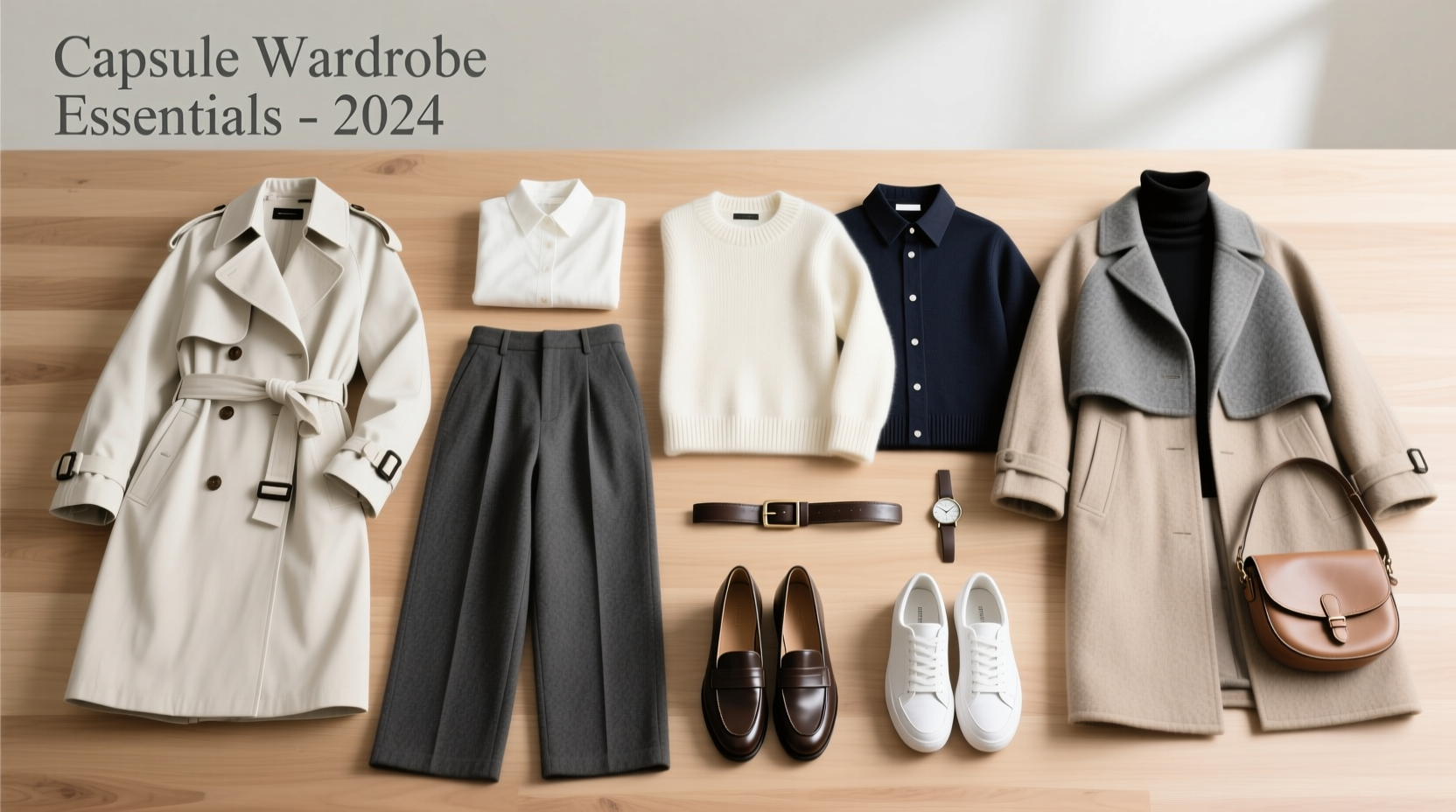
The term \"capsule wardrobe\" was coined in the 1970s by London boutique owner Susie Faux, but it gained widespread popularity through designer Donna Karan’s “Seven Easy Pieces” collection. Today, it refers to a carefully edited selection of around 30–50 clothing items—excluding sleepwear, activewear, and undergarments—that can be mixed and matched across a season or year.
Unlike fast fashion cycles that promote constant consumption, a capsule wardrobe emphasizes longevity, sustainability, and personal expression. Each piece earns its place because it fits well, flatters your body type, aligns with your lifestyle, and pairs effortlessly with other items.
“Minimalism in fashion isn’t about deprivation—it’s about liberation. When you wear clothes that reflect who you are, getting dressed becomes effortless.” — Sarah Johnson, Sustainable Style Consultant
The power of this approach lies in curation. By limiting choices, you increase satisfaction. Studies in behavioral psychology suggest that too many options lead to decision paralysis and post-choice regret. A capsule wardrobe eliminates noise, leaving only what matters.
Essential Clothing Categories in a Minimalist Capsule
Building a functional capsule starts with identifying foundational categories. These aren’t dictated by trends but by real-life needs: your climate, profession, social habits, and personal aesthetic. While no two wardrobes will be identical, most minimalist capsules include these seven core types:
- Base Layers – Simple tops like crewneck tees, camisoles, and long-sleeve knits in neutral tones.
- Mid-Layer Staples – Lightweight sweaters, cardigans, or button-down shirts for temperature regulation.
- Outerwear – One or two well-made jackets (e.g., trench coat, wool blazer, denim jacket).
- Bottoms – Two to three pairs of pants/skirts (e.g., dark jeans, tailored trousers, midi skirt).
- Dresses – 1–3 versatile dresses suitable for multiple occasions.
- Shoes – Three to four pairs: flats, boots, sneakers, and optionally heels.
- Accessories – Scarves, belts, and minimal jewelry to elevate outfits subtly.
Capsule Wardrobe Checklist: What You Actually Need
Before purchasing anything new, assess what you already own. Then use this practical checklist to determine which pieces qualify for inclusion in your capsule:
- ✔ Fits well and feels comfortable after wearing for several hours
- ✔ Complements at least three other items in your wardrobe
- ✔ Made from durable, natural fabrics (cotton, wool, linen, silk)
- ✔ Free of stains, pilling, or structural damage
- ✔ Appropriate for your current lifestyle (e.g., remote worker vs. office professional)
- ✔ Worn at least once in the past six months
- ✔ Reflects your authentic style—not kept out of guilt or nostalgia
If an item fails more than one criterion, consider donating or repurposing it. Remember: a capsule is not about hoarding “almost right” clothes. It’s about surrounding yourself only with what serves you.
Do’s and Don’ts: Building a Functional Capsule
To avoid common pitfalls, refer to the table below outlining key do’s and don’ts when assembling your minimalist wardrobe.
| Do | Don't |
|---|---|
| Invest in quality over quantity | Buy cheap items “just in case” |
| Choose timeless silhouettes (e.g., straight-leg pants, A-line skirts) | Chase fleeting trends |
| Limit colors to a harmonious palette | Add bright or clashing colors without coordination |
| Tailor pieces for perfect fit | Keep ill-fitting clothes hoping to alter them later |
| Store off-season items separately | Let unused clothes clutter your daily space |
One of the most overlooked aspects of capsule success is maintenance. Rotate seasonal items thoughtfully. For example, store winter knits in breathable cotton bags during summer, and bring lightweight linens forward in spring. This keeps your active wardrobe manageable and visually coherent.
Real-Life Example: How Emma Streamlined Her Wardrobe
Emma, a 34-year-old graphic designer from Portland, used to spend 20 minutes every morning choosing an outfit. Her closet held over 120 items—many unworn, some never even tagged removed. After reading about capsule wardrobes, she decided to downsize.
She began by removing everything from her closet and laying each piece on the bed. Using the checklist above, she sorted items into three piles: keep, donate, and reconsider. She discovered that 60% of her clothes hadn’t been worn in over a year. Many were impulse buys or gifts she felt obligated to keep.
From the remaining 40%, she selected 38 pieces that formed a cohesive system: 8 tops, 5 bottoms, 3 dresses, 2 jackets, and 4 pairs of shoes. All shared a muted earth-tone palette. Within a week, Emma noticed a shift—not just in time saved, but in confidence. She stopped questioning whether things “matched” and started enjoying how they looked together.
Six months later, she reports spending 70% less on clothing and receiving more compliments than ever before. “It turns out,” she says, “when you wear things you genuinely love, people notice.”
Step-by-Step Guide to Building Your Capsule
Follow this six-step process to create a capsule wardrobe that works for your life:
- Define Your Lifestyle Needs – Are you mostly working from home? Attending meetings? Exercising daily? List your top five weekly activities to guide clothing choices.
- Choose a Color Palette – Pick 3–5 base colors and 1–2 accent shades. Ensure all colors coordinate so any top can pair with any bottom.
- Declutter Ruthlessly – Remove everything from your closet. Try on each item. Keep only what fits, functions, and flatters.
- Select Core Pieces First – Start with neutrals: a white button-down, black trousers, navy blazer, beige trench, etc. Build outward from there.
- Fill Gaps Strategically – Identify missing combinations (e.g., no warm-weather dress) and purchase one high-quality item at a time.
- Maintain Seasonally – Reassess every 3–4 months. Swap in seasonal layers, retire worn items, and adjust based on changing routines.
Frequently Asked Questions
Can I have more than one capsule wardrobe?
Yes. Many people maintain separate capsules for work, weekends, or travel. Others rotate seasonal capsules (spring/summer vs. fall/winter). The key is consistency within each system, not rigid adherence to a single number.
What if my job requires different dress codes?
Adapt your capsule accordingly. For example, include a few elevated pieces (blazer, silk blouse, polished loafers) for formal days, while keeping casual staples for relaxed settings. Aim for versatility—fabrics like ponte knit or stretch twill transition easily between environments.
Isn’t minimalism boring or repetitive?
Only if it’s poorly executed. A strong capsule uses texture, layering, and accessories to create variety. A linen shirt tucked into wide-leg trousers feels different than the same shirt tied over a tank with jeans. Minimalism isn’t monotony—it’s mastery of subtlety.
Final Thoughts: Less Isn’t Lack—It’s Focus
A minimalist wardrobe isn’t about having the fewest clothes possible. It’s about having the right ones. When you strip away excess, you make room for clarity, intention, and self-expression. The capsule wardrobe checklist isn’t a restriction—it’s a filter that helps you keep only what adds value.
Start small. Begin with one category—say, tops—and build from there. Track how often you wear each piece. Notice how you feel when you get dressed. Over time, you’ll develop a deeper relationship with your clothes, one rooted in appreciation rather than accumulation.




 浙公网安备
33010002000092号
浙公网安备
33010002000092号 浙B2-20120091-4
Comments
No comments yet. Why don't you start the discussion?