
Working from home has redefined professional dressing. No longer bound by office dress codes, many now prioritize comfort—but not at the expense of looking put together. The rise of video calls means your top half still needs to make an impression. A well-curated capsule wardrobe for work from home strikes the perfect balance: it’s functional, minimalist, and effortlessly stylish. By focusing on high-quality basics and mastering the art of mixing them, you can look polished without sacrificing comfort.
The key isn’t having dozens of outfits—it’s knowing how to combine a few essential pieces in fresh, intentional ways. This approach reduces decision fatigue, saves time, and keeps your closet clutter-free. Whether you're logging into back-to-back Zoom meetings or balancing childcare with client emails, a thoughtfully designed capsule wardrobe supports both your productivity and personal style.
Why a Work-from-Home Capsule Wardrobe Makes Sense
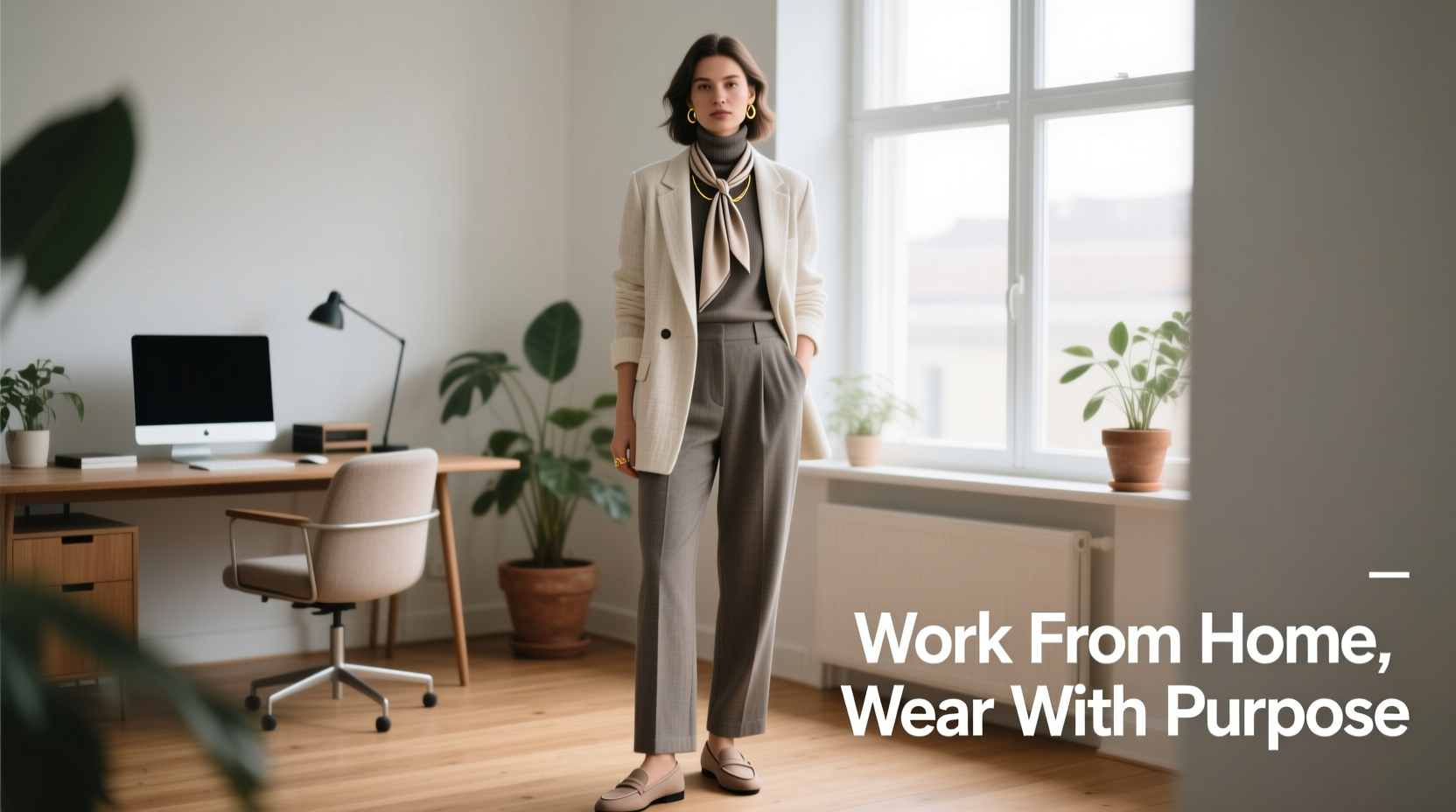
A traditional office wardrobe often includes structured blazers, tailored trousers, and heels—items that may feel excessive when your commute is from bedroom to desk. But abandoning professionalism entirely can affect mindset and perceived credibility during virtual interactions. A capsule wardrobe bridges this gap by offering a streamlined collection of clothing that transitions seamlessly between tasks, moods, and camera appearances.
According to organizational psychologist Dr. Laura Chang, “Clothing influences cognitive performance. When we dress with intention—even at home—we signal to our brain that it’s time to focus.” This psychological benefit is amplified when your clothes are comfortable yet presentable, reducing distractions while maintaining a sense of routine.
A minimalist capsule also aligns with sustainable fashion principles. Fewer items mean less consumption, lower environmental impact, and greater investment in quality over quantity. Instead of chasing trends, you build a cohesive system where every piece complements the others.
“Dressing well at home isn’t about formality—it’s about self-respect and presence.” — Marcus Reed, Style Consultant
Core Principles of Stylish Basic Mixing
Mixing basics effectively requires more than just owning neutral-colored tees and cardigans. It demands attention to fit, fabric, color harmony, and layering strategy. Here are the foundational principles:
- Stick to a cohesive color palette: Choose 3–5 core colors that work across all seasons. Neutrals like charcoal, navy, beige, and white are ideal starting points. Add one accent shade (e.g., rust, olive, or soft pink) for visual interest. <
- Prioritize fabric consistency: Blend textures thoughtfully. Pair a cashmere-blend sweater with a cotton poplin shirt, not a heavy wool turtleneck. Avoid clashing weights or sheens.
- Favor clean lines and tailored fits: Even loungewear should have structure. Opt for tapered joggers instead of baggy sweatpants, and V-necks over oversized crewnecks for a slimming effect.
- Use layers to elevate simplicity: A simple T-shirt gains sophistication when layered under a longline vest or open button-down. Layers add depth and versatility without complexity.
- Invest in transitional pieces: Items like a structured knit blazer or a silk-trimmed cardigan function equally well in meetings and casual moments.
Building Your 15-Piece Work-from-Home Capsule
A functional work-from-home capsule typically includes 10–15 versatile pieces. Below is a practical checklist to guide your selection:
✅ Capsule Wardrobe Checklist
- 2–3 Neutral-toned tops (e.g., crewneck and V-neck T-shirts)
- 2 Button-down shirts (one classic white, one colored or patterned)
- 1 Turtleneck or mock neck (ideal for cooler days and formal calls)
- 2 Knit sweaters or cardigans (lightweight merino or cotton blend)
- 1 Structured knit blazer or shacket
- 2 Bottoms (chinos, tailored joggers, or dark jeans)
- 1 Midi skirt or ponte pants (for variety)
- 1 Versatile dress (shirt dress or wrap style)
- 1 Outerwear piece (longline duster coat or utility jacket)
- 1–2 Accessories (scarves, statement earrings, or a silk headband)
Each item should be able to pair with at least three others. For example, a navy V-neck T-shirt should work with chinos, a blazer, and a patterned shirt worn open over it. This interconnectedness maximizes combinations while minimizing clutter.
Recommended Fabric Guide
| Garment Type | Best Fabrics | Avoid |
|---|---|---|
| Tops | Pima cotton, modal, silk-cotton blends | Thin polyester, wrinkled linen |
| Sweaters | Merino wool, cotton knits, cashmere blends | Acrylic-heavy blends, pilling fabrics |
| Bottoms | Stretch twill, ponte knit, recycled elastane blends | Stiff denim, non-stretch materials |
| Outerwear | Wool blends, boiled cotton, technical gabardine | Overly bulky parkas, shiny nylon |
Quality trumps quantity. Spend more on fewer pieces that retain shape, resist pilling, and wash well. A $70 organic cotton T-shirt that lasts two years outperforms five fast-fashion alternatives.
Real-Life Example: Sarah’s WFH Style Transformation
Sarah, a 34-year-old project manager based in Portland, used to wear pajamas until her 10 a.m. stand-up meeting. After receiving feedback that she looked “distracted” on camera, she decided to revamp her routine. She built a 12-piece capsule focused on earth tones—taupe, olive, and slate gray—with an emphasis on texture variation.
Her go-to outfit became a heather-gray turtleneck paired with a camel-colored cardigan and dark olive chinos. On higher-stakes days, she added a structured blazer and gold hoop earrings. Within weeks, colleagues commented on her increased confidence. “I didn’t change my job,” she said, “but I felt more capable because I wasn’t scrambling to find something decent to wear.”
By rotating just four tops and three bottoms, Sarah created nine distinct looks. She saved time, reduced laundry frequency, and even started enjoying getting dressed again—all without stepping outside her home.
Step-by-Step: Creating Your Mix-and-Match System
Follow this timeline to build and implement your capsule wardrobe over seven days:
- Day 1: Audit your current wardrobe. Pull out everything you wear for remote work. Separate pieces into categories: keep, donate, repair. Discard anything stained, stretched, or unflattering on camera.
- Day 2: Define your color story. Choose a base palette of 3 neutrals and 1–2 accent colors. Use a digital color picker tool or physical swatches to ensure harmony.
- Day 3: Identify gaps. Based on your checklist, note missing essentials. Prioritize tops and layers first—they’re most visible on camera.
- Day 4: Shop mindfully. Purchase only what fills gaps. Try items virtually if shopping online. Check return policies.
- Day 5: Test combinations. Lay out 5 complete outfits. Wear each for 15 minutes on camera to assess lighting, fit, and polish.
- Day 6: Organize your space. Store capsule items together. Use drawer dividers or labeled bins to maintain order.
- Day 7: Launch your system. Commit to wearing only capsule pieces for one week. Track comfort, feedback, and ease of use.
Common Mistakes to Avoid
Even with good intentions, people often undermine their capsule wardrobes through small missteps:
- Over-accessorizing: Too many necklaces or loud prints distract on camera. Stick to one focal point per outfit.
- Ignoring background contrast: Wearing white against a white wall creates a floating-head effect. Add contrast with darker layers or scarves.
- Skipping fit checks: Baggy sleeves or off-the-shoulder cuts can shift during movement. Ensure shoulders and cuffs sit cleanly.
- Duplication without differentiation: Having three nearly identical gray sweaters limits creativity. Vary necklines or textures instead.
- Neglecting footwear: While unseen on calls, wearing slippers all day can reinforce a lazy mindset. Try leather loafers or sleek slides to stay grounded in a professional rhythm.
Frequently Asked Questions
Can I include loungewear in a professional capsule?
Yes—if it’s elevated. Look for lounge pieces with tailoring details: flat-front joggers, ribbed knit sets with collars, or cropped pants with belt loops. Avoid logos, drawstrings, or overly soft fabrics that wrinkle easily.
How do I keep my look fresh without buying new clothes?
Rotate accessories strategically. A patterned silk scarf, tinted reading glasses, or a new hairstyle can transform a familiar outfit. Also, reverse layering—wearing a button-down under a sweater instead of over it—creates a new silhouette.
What if my company culture is very casual?
Even in relaxed environments, slight elevation matters. Swap graphic tees for solid-color henleys, and replace hoodies with quarter-zip pullovers. Subtle upgrades communicate engagement without over-dressing.
Final Thoughts: Dress for the Professional You Are
A capsule wardrobe for work from home isn’t about rigid rules or sacrificing comfort. It’s about making deliberate choices that reflect your identity as a capable, composed professional—even when no one sees your shoes. By curating a tight edit of high-performing basics and learning to mix them with intention, you gain freedom: freedom from daily styling stress, from clutter, and from feeling underdressed when the camera turns on.
Style isn’t reserved for offices or events. It’s a daily practice of self-expression and respect—for yourself and those you interact with. Start small. Build thoughtfully. Wear your choices with confidence.




 浙公网安备
33010002000092号
浙公网安备
33010002000092号 浙B2-20120091-4
Comments
No comments yet. Why don't you start the discussion?