
A well-curated capsule wardrobe simplifies morning decisions, reduces clutter, and elevates your professional presence. But too often, the idea of minimalism gets mistaken for monotony. The truth? A capsule wardrobe doesn’t mean wearing the same gray blazer every day. It means building a cohesive, intentional collection of clothing that reflects your style, fits your lifestyle, and adapts seamlessly across seasons and occasions.
For professionals navigating office environments, client meetings, and hybrid schedules, a smart capsule wardrobe is not just convenient—it’s empowering. When you eliminate fashion fatigue and decision overload, you free up mental energy for what matters: your work, your confidence, and your impact.
Why a Work Capsule Wardrobe Shouldn’t Be Boring
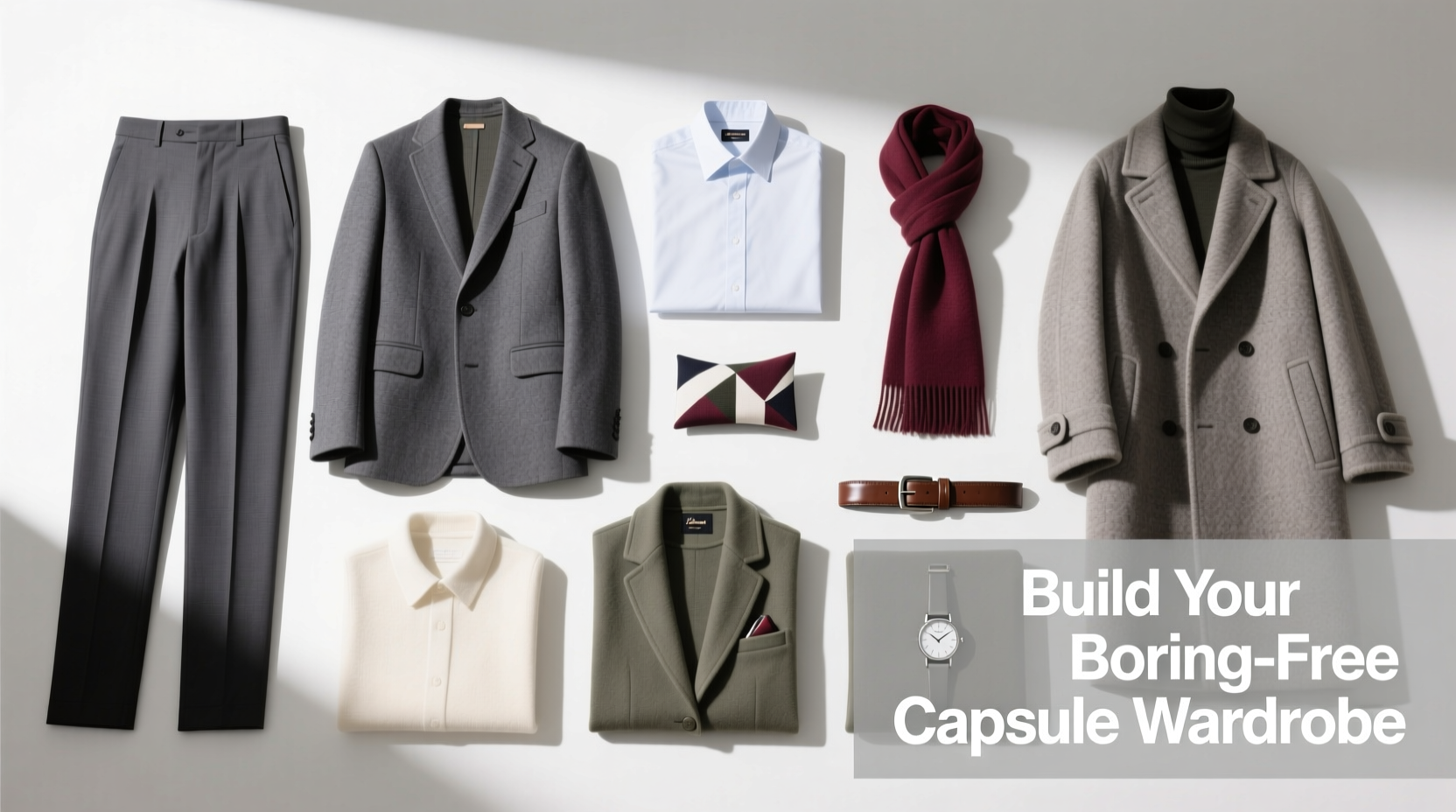
The misconception that minimalism equals dullness stems from outdated ideas about uniform dressing. In reality, a capsule wardrobe is a canvas for personal expression. It’s not about limiting yourself; it’s about curating with purpose. By focusing on high-quality, versatile pieces in complementary colors and silhouettes, you create infinite combinations that feel fresh and intentional.
Boredom happens when clothes are rigid, ill-fitting, or disconnected from your identity. A successful capsule avoids this by prioritizing three elements: versatility, fit, and individuality. When each piece can be styled multiple ways, fits impeccably, and aligns with your aesthetic, repetition becomes reinvention.
Step-by-Step Guide to Building Your Capsule
Building a dynamic work capsule takes planning, but the process pays dividends in time saved and confidence gained. Follow these six steps to create a wardrobe that works as hard as you do.
- Assess Your Work Environment
Start by understanding your dress code. Is it business formal, smart casual, or creative professional? Observe colleagues and note acceptable styles. This ensures your capsule aligns with workplace norms while allowing room for subtle distinction. - Define Your Personal Style
Ask: What makes me feel confident? Do I prefer clean lines, soft textures, or bold patterns? Collect inspiration from Pinterest, magazines, or street style photos. Identify recurring themes—this becomes your style foundation. - Declutter Ruthlessly
Remove everything from your closet. Try on each work-appropriate item. Keep only pieces that fit well, make you feel good, and are in good condition. Donate or repurpose anything that no longer serves you. - Select a Cohesive Color Palette
Choose 3–5 core colors that complement your skin tone and can mix effortlessly. A typical palette includes neutrals (navy, charcoal, beige) plus 1–2 accent shades (burgundy, emerald, rust). This creates harmony while enabling variety. - Pick Your Core Pieces
Build around timeless staples: tailored trousers, a well-cut blazer, a sheath dress, button-down shirts, and a pencil skirt. These form the backbone of your capsule. Aim for 10–15 mix-and-match items depending on your schedule. - Add Personality Through Layers & Accessories
This is where boredom dies. Incorporate texture (tweed, silk, knit), pattern (subtle pinstripes, geometric prints), and accessories (statement earrings, patterned scarves) to refresh combinations daily.
Do’s and Don’ts of Capsule Styling
| Do’s | Don’ts |
|---|---|
| Mix textures like wool, cotton, and silk to add depth to monochrome outfits. | Wear all flat, matte fabrics together—it flattens the silhouette. |
| Use accessories strategically: a patterned blouse under a neutral blazer keeps things interesting. | Rely solely on clothing color—accessories are your secret weapon. |
| Rotate shoes and bags weekly to change the vibe of familiar outfits. | Stick to one handbag and two pairs of shoes—it limits styling options. |
| Invest in one “hero” piece per season, like a cobalt coat or printed midi dress. | Buy trendy items that don’t align with your core palette or values. |
| Layer with vests, cardigans, or open shirts to transform a look. | Dress identically every day—even small changes matter. |
Real Example: How Sarah Reinvented Her 9-to-5 Style
Sarah, a project manager at a mid-sized tech firm, used to dread her closet. She owned 30+ work tops but felt like she wore the same three. After attending a styling workshop, she built a 12-piece capsule centered on navy, cream, and deep plum.
Her core included: two pairs of trousers (one straight-leg, one wide-leg), a wrap dress, a tailored blazer, three blouses (white silk, striped cotton, plum crepe), a turtleneck, and a midi skirt. She added variety with a leopard-print scarf, gold hoops, and two shoe styles: almond-toe pumps and white leather loafers.
Within a week, colleagues began complimenting her “new look.” The truth? She was wearing fewer items—but styling them differently. On Monday, she paired the blazer with the striped blouse and loafers for a relaxed start. By Thursday, the same blazer went over the wrap dress with heels and statement earrings for a client presentation.
“I thought minimal meant boring,” Sarah said. “But now I feel more put together than ever—and I spend five minutes getting dressed instead of twenty.”
Expert Insight: The Psychology of Repetition and Reinvention
“The most stylish people aren’t those with the most clothes, but those who master the art of repetition with variation. A capsule wardrobe isn’t restrictive—it’s liberating. It forces creativity within constraints, which is where true personal style emerges.” — Dr. Lena Torres, Fashion Psychologist and Author of *Dressed to Express*
Torres emphasizes that humans are wired to appreciate consistency with surprise. We find comfort in routine but crave novelty. A capsule wardrobe satisfies both: the structure of reliable pieces provides stability, while strategic tweaks—like swapping a belt or changing footwear—trigger the brain’s reward system, making us feel engaged and expressive.
Checklist: Build Your Non-Boring Capsule in 7 Actions
- ☐ Audit your current wardrobe—keep only what fits, flatters, and feels like you.
- ☐ Define your work environment’s dress code and cultural norms.
- ☐ Choose a 4-color palette (2 neutrals + 2 accents) that suits your coloring.
- ☐ Select 5 foundational bottoms (pants, skirts, dresses).
- ☐ Pick 6–7 tops that layer well and reflect your personality.
- ☐ Add 1–2 outerwear pieces (blazer, coat, cardigan).
- ☐ Invest in 3–4 accessories (scarves, jewelry, bags, shoes) that transform outfits.
How to Refresh Your Capsule Without Buying New Clothes
One of the greatest strengths of a capsule wardrobe is its sustainability. But even the best-curated collections can feel stale after months of wear. Instead of shopping, try these refresh strategies:
- Re-layer: Wear your button-down under a sweater instead of over a camisole. Try reversing your cardigan (worn open in the back, tied at the front).
- Change your shoe game: Swap pointed-toe flats for chunky ankle boots or mules. Footwear dramatically alters an outfit’s mood.
- Play with proportions: Tuck a long blouse asymmetrically, or knot a shirt at the side. Small adjustments signal intentionality.
- Switch up accessories: Replace silver jewelry with gold, or trade a structured tote for a crossbody bag.
- Reverse roles: Wear a dress as a tunic over slim pants, or use a blazer as a dress layer.
These techniques cost nothing but yield maximum visual impact. They also train your eye to see possibilities in what you already own—turning your capsule into a dynamic toolkit rather than a static set.
FAQ: Common Questions About Work Capsules
Can I include patterns in a capsule wardrobe?
Absolutely. Patterns work best when they incorporate colors from your core palette. A pinstripe blouse in navy and white fits seamlessly into a neutral-based capsule. Limit bold prints to 1–2 pieces so they remain special, not overwhelming.
How many outfits should my capsule create?
Aim for 15–20 unique combinations from 10–15 core pieces. With strategic accessorizing and layering, this is easily achievable. For example: 5 bottoms × 5 tops = 25 pairings, before adding jackets, dresses, or accessories.
What if my workplace has varied dress codes (e.g., casual Fridays, presentations)?
Design your capsule around your most frequent scenario (e.g., business casual), then add 1–2 elevated pieces (a silk blouse, tailored coat) for formal days, and 1 relaxed item (dark denim, knit sweater) for casual ones. This maintains cohesion while offering flexibility.
Conclusion: Elevate Your Routine, Not Your Closet Size
A capsule wardrobe for work isn’t about restriction—it’s about refinement. When you strip away excess and focus on quality, fit, and cohesion, you gain freedom. Freedom from indecision, from laundry overload, from the pressure to constantly “update” your look.
The most compelling professional style isn’t loud; it’s consistent, considered, and quietly confident. By building a capsule that welcomes creativity through texture, proportion, and accessories, you avoid boredom without compromising simplicity.




 浙公网安备
33010002000092号
浙公网安备
33010002000092号 浙B2-20120091-4
Comments
No comments yet. Why don't you start the discussion?