
It’s common—almost automatic—for people to attach their car key fob and house keys to the same keychain. It feels convenient, keeps everything in one place, and reduces the chance of forgetting something important. But this everyday habit may be setting you up for a serious security risk. When both sets of keys are linked, losing one means losing access to both your vehicle and your home. In some cases, that single loss can spiral into identity theft, burglary, or even insurance complications.
The reality is that combining your car and house keys isn’t just about convenience—it’s a calculated trade-off between accessibility and vulnerability. Understanding the risks, recognizing real-world scenarios, and adopting smarter habits can help you avoid becoming the next cautionary tale.
The Hidden Risks of Merging Car and House Keys
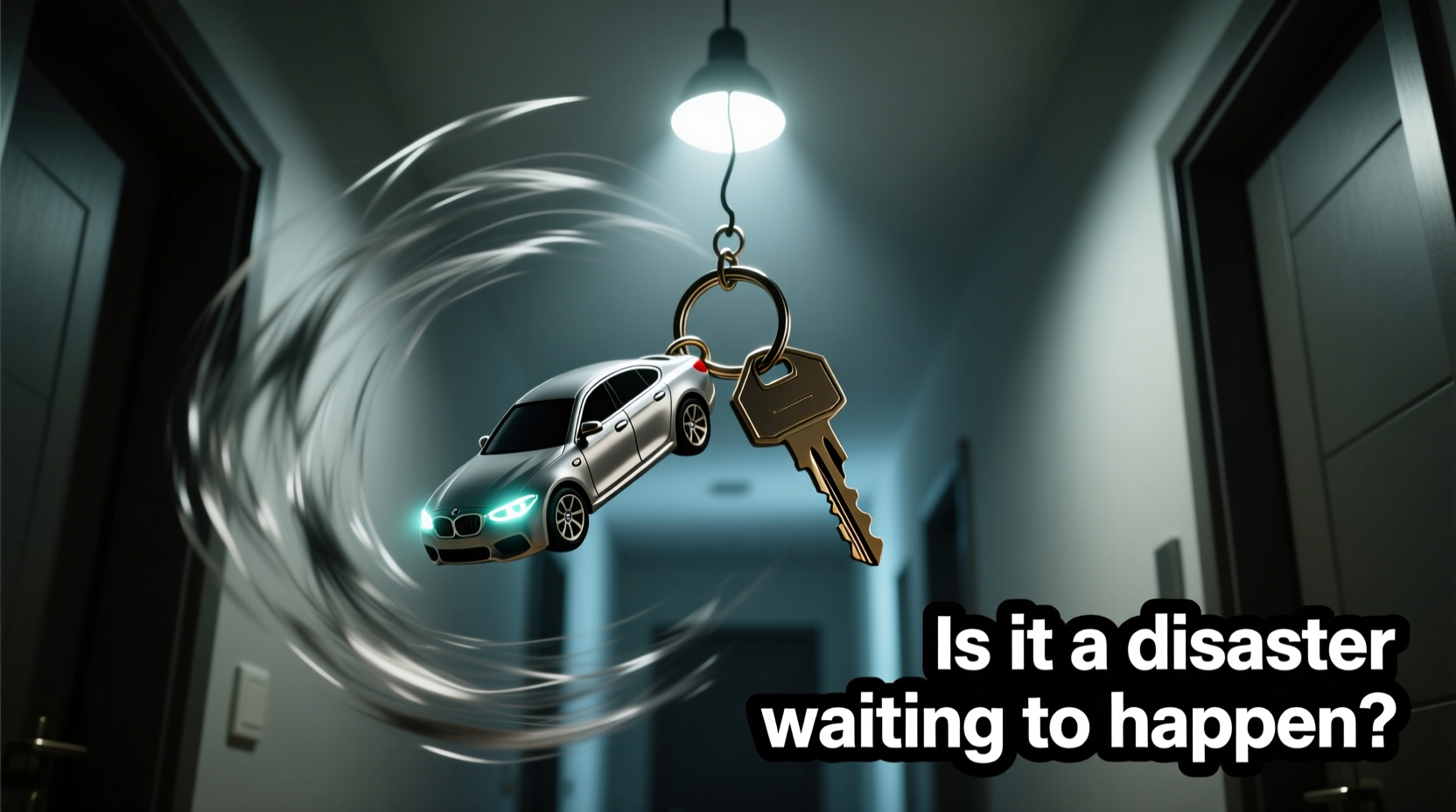
At first glance, attaching your car remote and house keys seems harmless. But consider what happens when that keychain slips out of your pocket, gets left behind at a restaurant, or is stolen from an unattended bag. Suddenly, someone has physical access to two of your most secure spaces: your vehicle and your home.
Cars, especially modern ones with keyless entry systems, often contain personal information—registration documents, garage door openers, toll transponders with payment data, and even GPS history. If paired with house keys, a thief doesn’t need to choose between targets; they can exploit both.
Security experts warn that this combination increases exposure significantly. “People underestimate how much information a lost keychain can reveal,” says Marcus Tran, a former law enforcement officer specializing in property crime prevention. “A set of combined keys isn’t just metal—it’s a roadmap to your daily life.”
Why Convenience Can Be Costly
- Single point of failure: Lose one keyring, lose access to both car and home.
- Increased burglary risk: A thief who finds your keys can return later, potentially using the car as a staging ground before breaking into your house.
- Garage door opener access: Many homeowners keep garage openers on the same keychain. That gives intruders direct entry into the home, bypassing doors and windows.
- Vehicle theft escalation: Stolen cars can be used in other crimes, traced back to you, or stripped for parts—all while your house keys remain inside.
Real-Life Scenario: One Lost Keychain, Two Break-Ins
In 2022, a homeowner in Austin, Texas, left her purse unattended during a grocery run. Inside was her keychain—featuring her car fob, house keys, and garage opener. The purse was stolen from her cart. Within 48 hours, surveillance footage showed a suspect driving her SUV through a residential neighborhood. Later that night, the same individual used the garage remote to enter her home while she was away on vacation.
By the time she returned, electronics, jewelry, and personal documents were gone. Her insurance covered some losses, but the emotional toll—and the cost of replacing locks, garage systems, and car immobilizers—exceeded $3,500.
This case highlights a growing trend: criminals are increasingly targeting keychains not just for immediate theft, but for long-term exploitation. When car and house keys are combined, the window for damage widens dramatically.
“Once a criminal has both sets of keys, they don’t need to act immediately. They can surveil the home, wait for the right moment, and strike with precision.” — Detective Lena Reyes, Cybercrime & Property Division, Austin PD
Smart Alternatives: How to Separate Risk
You don’t have to give up convenience entirely. With a few strategic changes, you can maintain easy access while minimizing exposure. The goal is separation—not elimination—of risk.
Step-by-Step Guide to Safer Key Management
- Split your keys into two sets: Keep car keys on one ring and house keys on another. Use different colors or textures (e.g., red leather tag for home, black metal for car) to distinguish them instantly.
- Use a secondary location for backup house keys: Leave a spare with a trusted neighbor or family member instead of keeping it in your car.
- Remove unnecessary items from your keychain: Garage openers, USB drives, or ID tags increase the value of your keys to thieves.
- Carry only what you need: If you’re going out briefly, take just your car key. Leave house keys at home unless necessary.
- Invest in smart locks: Use keypad or app-based entry for your home so you don’t need physical keys every day.
Checklist: Secure Your Keys Today
- ✅ Separate car and house keys onto different rings
- ✅ Remove your address from key tags
- ✅ Store a spare house key securely offsite
- ✅ Install a smart lock or keypad entry system
- ✅ Register your car with a tracking service (e.g., OnStar, Apple Find My)
- ✅ Review home and auto insurance policies for key-loss coverage
Comparison: Combined vs. Separated Key Strategy
| Factor | Combined Keys | Separated Keys |
|---|---|---|
| Convenience | High – everything in one place | Moderate – requires minor planning |
| Security Risk | Very High – total access if lost | Low to Moderate – limited exposure |
| Recovery Difficulty | High – must replace all locks and fobs | Lower – only affected set needs replacement |
| Cost of Loss | $1,000–$4,000+ (locks, fobs, insurance) | $300–$1,200 (single system replacement) |
| Peace of Mind | Low – constant worry after loss | High – controlled risk management |
Frequently Asked Questions
What should I do if I lose a keychain with both car and house keys?
Act immediately. Contact your car manufacturer or dealership to deactivate the key fob remotely if possible. Change your home locks as soon as feasible. File a police report and notify your insurance provider. If your garage opener was on the chain, consider replacing it or reprogramming it to prevent unauthorized access.
Can a thief clone my car key from the keychain?
Yes, especially with older key fobs that use rolling codes without strong encryption. Thieves can use signal amplifiers or code grabbers to capture signals if the fob is near doors or windows. Modern vehicles have improved protections, but vulnerabilities still exist. Storing fobs in Faraday pouches can prevent signal theft.
Isn’t it safer to keep house keys in the car in case I get locked out?
No. This is a dangerous misconception. Vehicles are frequent targets for break-ins, and a spare house key in the glove compartment or under a seat makes your home an easy follow-up target. Always store spare house keys with a trusted person or in a secure lockbox away from your car.
Final Thoughts: Small Changes, Big Protection
The habit of linking car and house keys is deeply ingrained, but it’s one worth reevaluating. While it may seem like a minor detail, the consequences of a single loss can ripple across your financial, emotional, and physical safety. By simply separating your keys, removing identifying labels, and adopting smart home technology, you dramatically reduce your vulnerability.
Security doesn’t have to mean inconvenience. It means being proactive rather than reactive. You wouldn’t carry your wallet, phone, and house keys in a transparent bag—why treat your keychain with less caution?




 浙公网安备
33010002000092号
浙公网安备
33010002000092号 浙B2-20120091-4
Comments
No comments yet. Why don't you start the discussion?