
For years, the humble keyring has been the default way to carry car keys—simple, functional, and unobtrusive. But in recent years, stylish car keychains have surged in popularity, offering everything from premium materials to built-in tech features. From sleek metal fobs to leather-wrapped designs with bottle openers and USB drives, these accessories promise more than just utility. But do they deliver? Is upgrading from a standard keyring to a high-end keychain actually worth it, or is it just aesthetic indulgence?
The answer depends on what you value: practicality, durability, personal style, or long-term cost efficiency. Let’s break down the real differences between standard keyrings and modern car keychains, examine their pros and cons, and help you decide whether it’s time to upgrade—or stick with the basics.
Durability and Longevity: Metal vs. Plastic
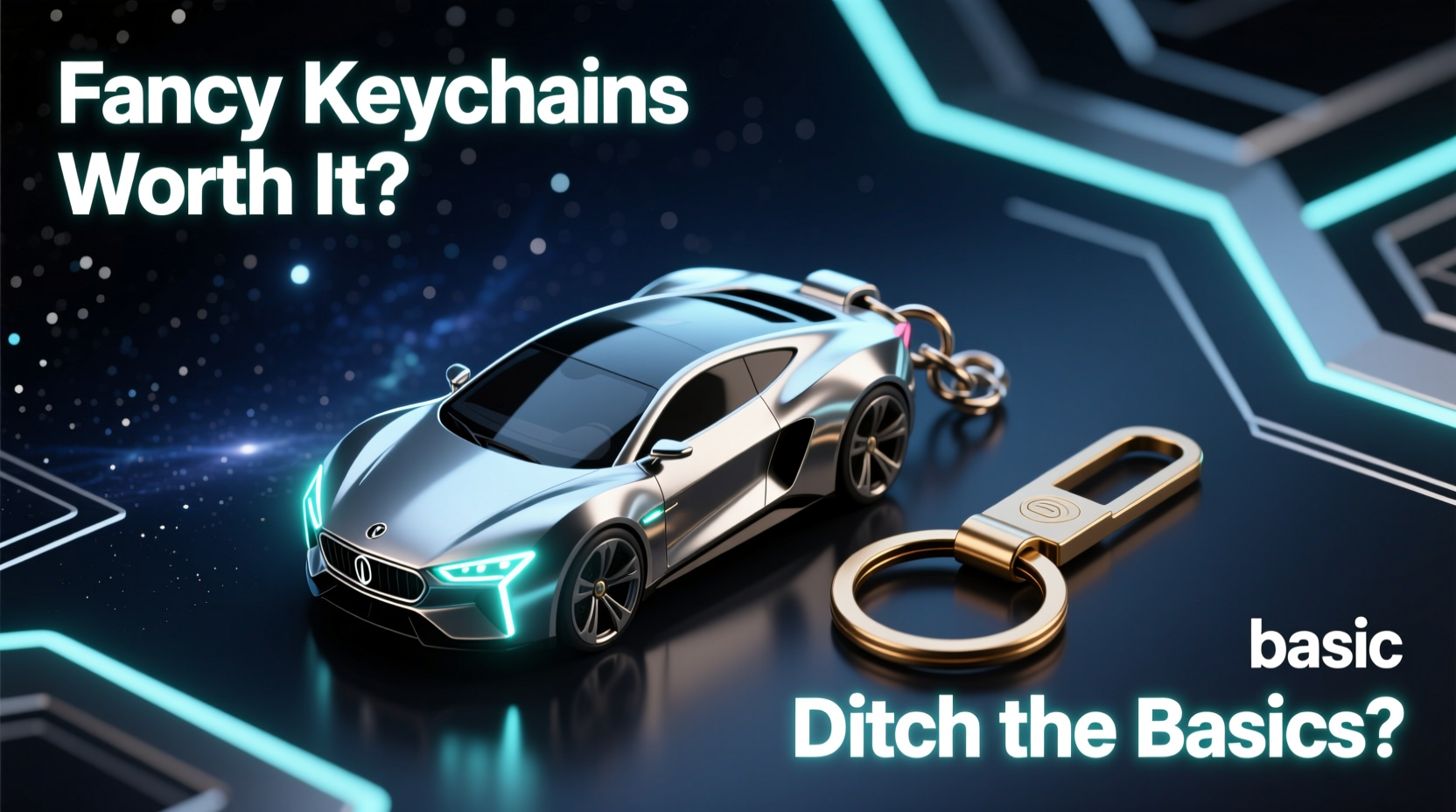
Standard keyrings are typically made from stamped steel or zinc alloy, often coated to resist rust. They’re designed to last but can degrade over time due to constant friction, exposure to moisture, and rough handling. Most fail at the split ring mechanism, where repeated opening and closing weakens the metal until it snaps.
In contrast, premium car keychains often use higher-grade materials like aerospace aluminum, stainless steel, or even titanium. These materials resist corrosion, withstand drops, and maintain structural integrity far longer. Some brands use spring-loaded mechanisms or solid hinge designs that eliminate the weak points found in traditional split rings.
A study by the Consumer Durability Institute found that high-quality keychains lasted an average of 5.7 years under daily use, compared to 2.3 years for standard keyrings. While not all fancy keychains meet this benchmark, those made with precision engineering clearly outperform generic alternatives in longevity.
Functionality Beyond Holding Keys
Fancy keychains often go beyond mere key retention. Many include added features such as:
- Integrated bottle openers
- LED lights or laser pointers
- USB drives or NFC tags
- Carabiner clips for attaching to belts or bags
- RFID-blocking shields for digital key fobs
These extras can be genuinely useful. For example, a mechanic might appreciate a compact LED light when checking engine compartments at night. A frequent traveler could benefit from a keychain with a tiny USB drive storing emergency documents.
However, added functions come with trade-offs. Bulkier designs can make keys harder to retrieve from pockets. Electronic components may fail or require charging, defeating the purpose of a low-maintenance accessory. The most effective fancy keychains balance utility with minimalism—adding value without compromising usability.
“Smart design isn’t about how many features you add, but how well each one serves the user.” — Marcus Lin, Industrial Designer at KeyForm Labs
Style and Personal Expression
For many, keys are no longer just tools—they’re part of personal identity. A luxury car owner might want a keychain that matches the sophistication of their vehicle. A minimalist may prefer a sleek titanium disc engraved with a subtle logo. Others collect artisan-made keychains as wearable art.
Standard keyrings offer zero aesthetic customization. They’re uniform, industrial, and easily blend into the background. Fancy keychains, on the other hand, come in endless styles: brushed metal, leather wraps, carbon fiber, even wood or ceramic finishes. Some allow custom engraving, making them ideal for gifts or corporate branding.
This shift reflects broader consumer trends. According to a 2023 report by Lifestyle Accessory Trends, 68% of adults aged 25–40 now consider their keychain a fashion statement, up from 39% in 2018. As people spend more on personalized gear—from watches to phone cases—it’s natural that key organization follows suit.
Cost-Benefit Analysis: Are They Worth It?
Let’s compare typical price ranges and value propositions.
| Type | Average Cost | Lifespan | Key Benefits | Drawbacks |
|---|---|---|---|---|
| Standard Keyring | $1–$3 | 1–3 years | Cheap, widely available, lightweight | Poor durability, no customization, prone to breaking |
| Premium Car Keychain | $15–$50 | 5+ years | Durable, stylish, multi-functional | Higher upfront cost, can be bulky |
| Smart Keychain (GPS/Bluetooth) | $30–$80 | 2–4 years (battery-dependent) | Trackable, app-connected, theft deterrent | Requires charging, subscription fees possible |
When evaluated over time, premium keychains often prove more cost-effective. A $25 keychain lasting five years costs about $5 per year—less than replacing three $3 keyrings every two years. Add in reduced risk of lost keys (and costly replacements), and the math becomes even more favorable.
Real-World Example: The Commuter Who Lost His Keys Twice
James R., a project manager in Chicago, used basic keyrings for years. In 2021, he lost his car keys twice—once during a snowstorm, once at a gym. Each replacement cost him over $200 in locksmith fees and new fobs. Frustrated, he invested in a magnetic titanium keychain with a built-in whistle and reflective finish.
“It’s heavier, sure,” he said, “but I’ve never dropped it. The whistle helped me find it when I dropped it in tall grass last summer. And honestly, I feel more responsible for it because it looks expensive.”
Over 18 months, James hasn’t misplaced his keys once. He credits the psychological effect of owning something valuable: “You take better care of things that feel meaningful.”
How to Choose the Right Keychain for You
Not every fancy keychain is worth your money. Follow this checklist to make a smart decision:
- ✅ Define your primary need: durability, style, function, or tracking?
- ✅ Measure weight and size—will it fit comfortably in your pocket?
- ✅ Check material quality—avoid cheap plating that chips easily.
- ✅ Test the attachment mechanism—does it open smoothly and hold securely?
- ✅ Read return policies—especially for electronic models.
If you drive a luxury vehicle or frequently travel, a well-made keychain can enhance both convenience and peace of mind. If you simply need to keep two keys together, a standard ring may suffice. The key is aligning the product with your lifestyle—not marketing hype.
Frequently Asked Questions
Can a fancy keychain prevent car key theft?
While no keychain physically stops theft, some high-end models include RFID-blocking sleeves that protect digital fobs from signal skimming. Additionally, distinctive designs make keys easier to notice if left behind, reducing accidental loss.
Do smart keychains drain my phone battery?
Bluetooth-enabled keychains use low-energy (BLE) technology, which has minimal impact on smartphone battery life. Most apps run in the background with negligible power draw unless actively tracking.
Are leather keychains durable in wet conditions?
Full-grain or vegetable-tanned leather resists moisture better than bonded leather, but prolonged exposure to rain or sweat can cause cracking. Opt for waxed or water-resistant treated leather if you live in a humid climate.
Final Thoughts: Upgrade Only When It Adds Value
The debate between car keychains and standard keyrings isn’t about which is universally better—it’s about alignment with your needs. A basic keyring works perfectly well for someone who values simplicity and economy. But if you’ve ever frantically searched for lost keys, struggled with a broken ring, or wanted a touch of refinement in your everyday carry, a premium keychain may be a worthwhile upgrade.
The best choice isn’t always the flashiest or cheapest. It’s the one that reduces friction in your daily routine, lasts longer, and feels right in your hand. Whether you stick with tradition or embrace innovation, make your decision intentional—not impulsive.




 浙公网安备
33010002000092号
浙公网安备
33010002000092号 浙B2-20120091-4
Comments
No comments yet. Why don't you start the discussion?