
Engine overheating is more than just an inconvenience—it’s a warning sign that something in your vehicle’s cooling system isn’t functioning properly. Left unattended, even a brief episode of overheating can lead to warped cylinder heads, blown gaskets, or complete engine failure. Whether you're stuck on the highway during summer traffic or navigating mountain roads, knowing why cars overheat and how to respond can save you thousands in repairs. This guide breaks down the most frequent causes, immediate actions to take, and preventive steps to keep your engine running cool.
Common Causes of Engine Overheating
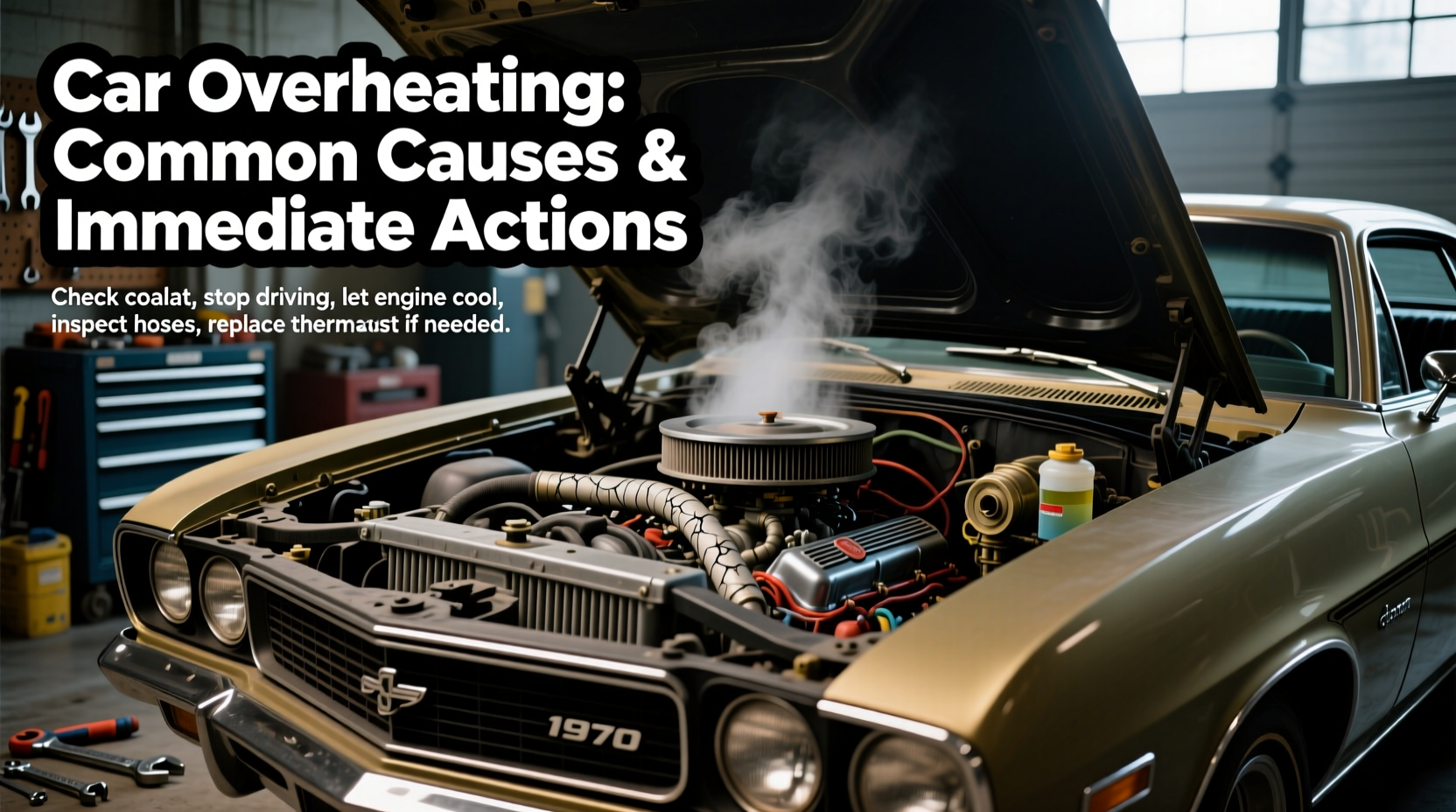
Modern engines are designed to operate within a narrow temperature range. When heat builds up beyond this threshold, the cooling system should intervene. But when components fail or conditions overwhelm the system, overheating occurs. The following are among the most prevalent culprits:
- Coolant leaks: A breach in the radiator, hoses, water pump, or heater core can cause coolant loss, reducing the system’s ability to absorb and dissipate heat.
- Faulty thermostat: If the thermostat sticks closed, coolant cannot circulate through the engine, leading to rapid temperature spikes.
- Radiator issues: Clogs from debris or internal corrosion restrict coolant flow. Damaged fins reduce airflow efficiency, especially at low speeds.
- Water pump failure: The pump circulates coolant; if its impeller wears out or the bearing fails, circulation stops.
- Blown head gasket: Allows combustion gases to enter the cooling system, creating air pockets and disrupting coolant flow while raising pressure.
- Low coolant level: Often due to evaporation, undetected leaks, or improper maintenance, low fluid reduces thermal capacity.
- Malfunctioning electric fan: Electric cooling fans kick in at idle or low speed. If the motor, relay, or sensor fails, airflow drops dramatically.
- Blocked radiator cap: A weak or faulty cap can’t maintain proper system pressure, lowering the boiling point of coolant.
What to Do When Your Car Starts Overheating
If your temperature gauge climbs into the red zone or the warning light illuminates, act immediately. Delay increases the risk of permanent damage. Follow this step-by-step response protocol:
- Turn off the air conditioner. The AC compressor adds load to the engine, increasing heat output.
- Turn on the heater and set it to maximum. This may seem counterintuitive, but it helps pull heat away from the engine and into the cabin.
- Shift to neutral and rev the engine slightly (if safe). At a stoplight or in slow traffic, gently increasing RPM improves coolant and fan circulation.
- Pull over safely and turn off the engine. Continuing to drive risks catastrophic engine damage.
- Do not open the radiator cap immediately. Pressure and extreme heat can cause boiling coolant to erupt, causing serious burns.
- Wait 15–30 minutes for the engine to cool. Use this time to inspect for visible leaks or broken belts.
- Check coolant level once cooled. If low, add a 50/50 mix of coolant and distilled water only if the system is no longer under pressure.
- Seek professional help. Even if the car starts again, internal damage may have occurred. Have the cooling system inspected.
“Overheating for as little as five minutes can warp aluminum components. Immediate shutdown is critical.” — Carlos Mendez, ASE-Certified Master Technician
Preventive Maintenance Checklist
Many overheating incidents are preventable with routine care. Use this checklist to stay ahead of potential failures:
- Inspect coolant level monthly
- Flush and replace coolant every 30,000–50,000 miles (or per manufacturer schedule)
- Check radiator hoses for cracks, bulges, or soft spots
- Verify radiator cap holds proper pressure (test with a cap tester)
- Listen for unusual noises from the water pump (whining or grinding)
- Ensure electric cooling fans activate when engine reaches operating temperature
- Look for white exhaust smoke or sweet-smelling vapor—signs of coolant burning (possible head gasket leak)
- Keep the radiator surface clean and free of bugs, leaves, and road grime
Real-World Scenario: Highway Breakdown Avoided
Mark, a delivery driver in Arizona, noticed his van’s temperature gauge creeping upward during midday traffic. He turned off the AC, cranked the heater, and pulled into a gas station after two minutes. With the engine off, he waited 20 minutes before checking the coolant reservoir—it was empty. A quick visual inspection revealed a small puddle under the front passenger side. He added a premixed coolant solution from the store and drove slowly to a nearby mechanic. Diagnosis: a cracked lower radiator hose. Replacement cost: $180. By acting quickly, Mark avoided a $3,000+ engine rebuild. His takeaway? “I never checked hoses before. Now I inspect them every oil change.”
Do’s and Don’ts During Overheating
| Do’s | Don’ts |
|---|---|
| Turn off AC and use heater to draw heat away | Continue driving with the temp in the red zone |
| Pull over and shut off engine promptly | Open the radiator cap while hot |
| Wait for engine to cool before inspecting | Add cold water to a scorching engine (thermal shock risk) |
| Add coolant slowly after cooling down | Ignore recurring overheating—assume it's \"just hot weather\" |
| Have the system pressure-tested by a pro | Drive long distances after an overheating incident without inspection |
Frequently Asked Questions
Can I drive my car after it overheats?
You should avoid driving until the cause is diagnosed. Even short drives after overheating can compound internal damage. If the car restarts, drive only to the nearest repair shop—and do so slowly, monitoring the temperature closely.
Why did my car overheat even though the coolant level is full?
A full coolant level doesn’t guarantee proper circulation. The issue could be a stuck thermostat, failed water pump, air pocket in the system, or a malfunctioning fan. A pressure test and diagnostic scan are needed to pinpoint the problem.
Is it safe to use water instead of coolant in an emergency?
In an emergency, distilled water is better than nothing—but only as a temporary measure. Coolant contains corrosion inhibitors and raises the boiling point. Never use tap water long-term; minerals can cause scaling and deposits in the cooling system.
Conclusion: Stay Calm, Act Fast, Prevent Future Issues
Overheating is a serious condition, but panic makes it worse. Knowing the signs, responding correctly, and understanding the root causes empower you to protect your vehicle and your safety. Regular maintenance—not waiting for symptoms—is the best defense. Simple habits like checking coolant levels, inspecting hoses, and servicing the cooling system on schedule can prevent most overheating events. Don’t dismiss early warnings. Address issues before they escalate. Your engine’s longevity depends on it.




 浙公网安备
33010002000092号
浙公网安备
33010002000092号 浙B2-20120091-4
Comments
No comments yet. Why don't you start the discussion?