
In a world where personalization is king, small accessories like keychains and car pendants have evolved from simple utility items into expressions of identity, belief, and style. At first glance, a dangling charm on your rearview mirror might look no different than the one jingling on your keyring—both are decorative, often symbolic, and easily swapped out. But scratch beneath the surface, and it becomes clear: car pendants and keychains serve distinct roles, carry different meanings, and are designed for unique environments. While they may share materials and aesthetics, equating them as “the same thing with extra steps” overlooks deeper functional, cultural, and psychological distinctions.
Defining the Basics: What’s the Difference?
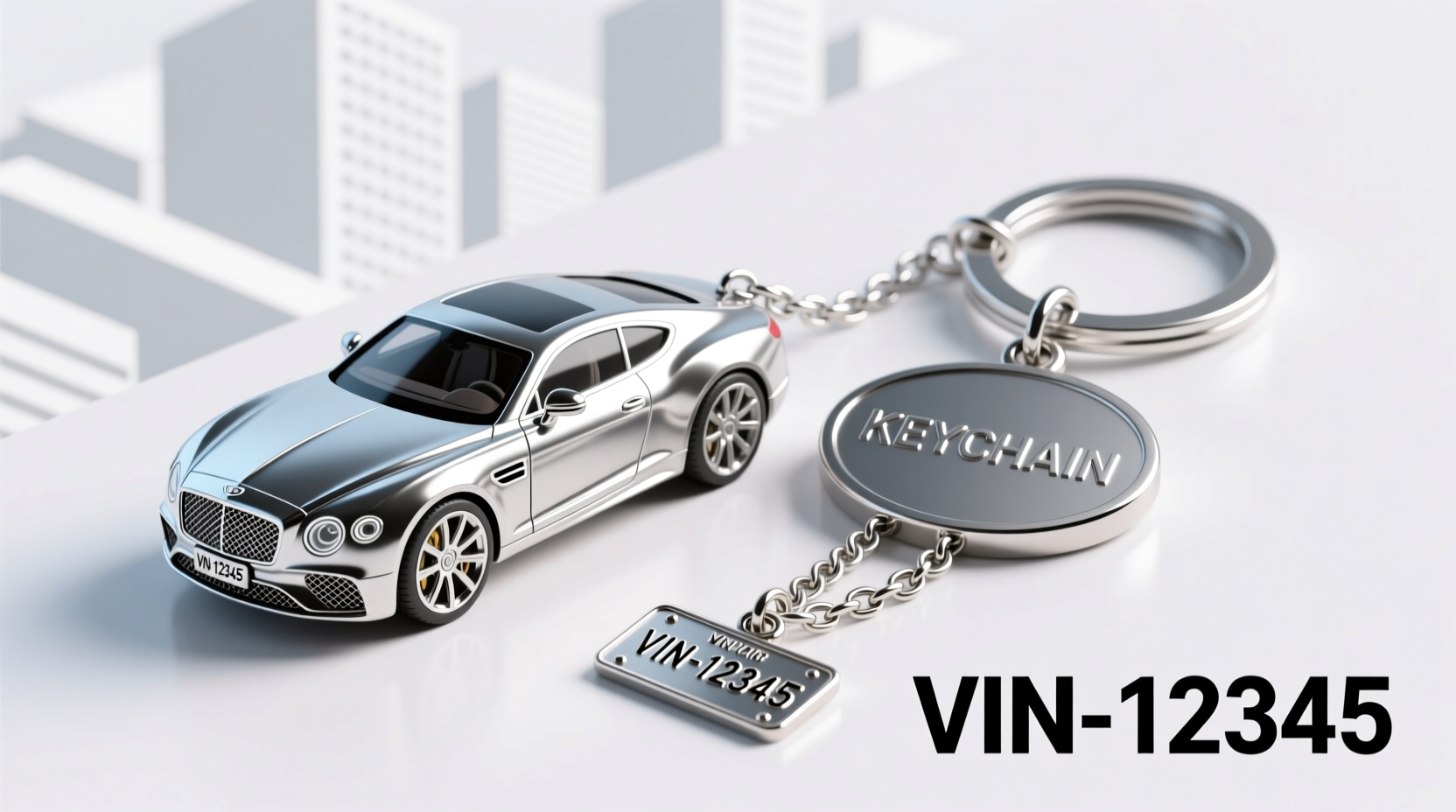
A **keychain** is primarily a functional tool designed to hold keys together and make them easier to manage. Over time, it has become a canvas for self-expression—featuring logos, slogans, or sentimental trinkets. It stays close to the body, usually in a pocket or bag, and moves with the user throughout the day.
A **car pendant**, also known as a car charm or dashboard ornament, is typically suspended from the rearview mirror or placed on the dashboard. While some serve aesthetic purposes, many are rooted in tradition, superstition, or spiritual symbolism. Unlike keychains, they remain inside the vehicle and are part of the car’s interior environment.
The confusion arises because both can feature similar designs—crystals, religious symbols, animals, or branded logos—and are often made from the same materials like metal, leather, or resin. However, their placement, purpose, and cultural weight set them apart.
Cultural and Symbolic Significance of Car Pendants
Car pendants are rarely just decorative. Across cultures, they are imbued with protective, spiritual, or auspicious meanings. In countries like China, Thailand, and Brazil, it’s common to see drivers hanging intricate ornaments believed to ward off accidents, bring good fortune, or honor deities.
For example, in Thai culture, a takrut (a rolled amulet) hung in the car is thought to offer protection through Buddhist blessings. In China, red envelopes or jade pendants symbolize prosperity and safety. Even in Western markets, rosaries, evil eye charms, or Hamsa hands appear frequently—not necessarily for religious reasons, but as talismans against misfortune.
Keychains, by contrast, tend to reflect personal taste or affiliations—band merch, company swag, or souvenirs from travels. While sentimental value exists, the symbolism is usually less ritualistic and more nostalgic or humorous.
“Car pendants function as modern-day amulets. They represent a blend of tradition and psychology—a way for drivers to feel a sense of control in an unpredictable environment.” — Dr. Lena Tran, Cultural Anthropologist specializing in urban mobility rituals
Functional Differences You Can’t Ignore
Beyond symbolism, there are practical distinctions shaped by environment and use:
- Exposure to Elements: Car pendants endure higher temperatures, UV exposure, and vibration. Materials must withstand fading, warping, or melting—unlike keychains, which face milder conditions.
- Safety Regulations: In many regions, large or dangling pendants that obstruct the driver’s view can result in fines. Keychains face no such legal scrutiny.
- Mobility: Keychains travel with individuals; car pendants are tied to a specific vehicle, making them less interchangeable.
- Attachment Method: Keychains use split rings or carabiners; car pendants require hooks, suction cups, or specialized clips for secure mounting.
Comparison Table: Car Pendant vs Keychain
| Feature | Car Pendant | Keychain |
|---|---|---|
| Primary Purpose | Decoration, protection, symbolism | Utility, identification, expression |
| Location | Rearview mirror, dashboard | Pocket, bag, belt loop |
| Environmental Exposure | High heat, sunlight, motion | Low to moderate wear |
| Legal Restrictions | Possible obstruction laws | None |
| Cultural Weight | Often high (spiritual/protective) | Usually low to moderate |
| Lifespan | Shorter due to harsh conditions | Longer with proper care |
When the Lines Blur: Hybrid Trends
Modern design has begun to blur the line between these two categories. Some brands now sell “dual-purpose” charms—small pendants that can be clipped to keys or hung in cars. These hybrids appeal to minimalists who want versatility without sacrificing meaning.
For instance, a polished wooden Buddha figure might come with a detachable hook and a keyring adapter. This allows the owner to carry it daily and transfer it to a new car if needed. Similarly, luxury automakers like Lexus or BMW offer branded accessories that double as key fob covers and dashboard accents.
However, this convergence doesn’t erase the core differences. A hybrid item still functions differently depending on its placement. As one automotive lifestyle blogger noted: “Putting your lucky charm on the mirror turns it into a guardian of space. On your keys, it’s more like a personal companion.”
Mini Case Study: Maria’s Lucky Cat Journey
Maria, a rideshare driver in Los Angeles, bought a small ceramic Maneki-neko (beckoning cat) after a friend suggested it would bring safe rides and better fares. She initially attached it to her keychain, but noticed passengers commenting on it every time she started the car. One day, she moved it to her rearview mirror. Within weeks, she felt more confident driving at night and received unusually positive reviews. Whether coincidence or placebo, the act of relocating the charm changed her perception of control and safety. Today, she keeps a dedicated pendant in each vehicle—something she’d never do with a regular keychain.
How to Choose the Right One: A Practical Checklist
Before buying or installing any accessory, ask yourself the following:
- ✅ Do I want this item for personal connection or environmental influence?
- ✅ Will it be exposed to direct sunlight or extreme temperatures?
- ✅ Could it obstruct my view or violate local traffic laws?
- ✅ Am I seeking protection, luck, or simply decoration?
- ✅ Is the material durable enough for constant vibration and UV exposure?
- ✅ Does it reflect something meaningful about me or my intentions while driving?
FAQ: Common Questions About Car Pendants and Keychains
Can I use a keychain as a car pendant?
You can, but it’s not ideal. Most keychains aren’t designed to hang vertically for long periods or withstand heat buildup inside a parked car. Adhesives may fail, plastics may warp, and metal parts could damage the mirror mechanism.
Are car pendants dangerous?
If too large or improperly secured, yes. A dangling object near the windshield can become a projectile in sudden stops and may obstruct vision. Experts recommend keeping pendants under 3 inches in length and ensuring they don’t swing into the driver’s line of sight.
Do car pendants really bring good luck?
There’s no scientific proof, but psychology supports the idea that symbolic objects can reduce anxiety and increase confidence. If a charm makes you feel safer, it can indirectly improve focus and reaction time behind the wheel.
Final Thoughts: More Than Just Extra Steps
To dismiss car pendants as “keychains with extra steps” is to misunderstand their role entirely. They are not redundant accessories, nor are they merely decorative indulgences. Car pendants occupy a unique intersection of culture, emotion, and environment—one that transforms a mechanical space into a personal sanctuary. While keychains express identity on the go, car pendants create intention within a confined, high-stakes setting: the driver’s seat.
Their design considerations, symbolic depth, and situational importance elevate them beyond mere duplication. Whether chosen for faith, fashion, or peace of mind, car pendants serve a purpose that keychains simply cannot replicate.




 浙公网安备
33010002000092号
浙公网安备
33010002000092号 浙B2-20120091-4
Comments
No comments yet. Why don't you start the discussion?