
Spills happen. Whether it’s coffee sloshing from a travel mug, muddy shoe prints tracked in by kids, or a juice box disaster in the backseat, every driver eventually faces an unexpected mess inside their vehicle. When that moment arrives, your go-to cleanup tool can make all the difference. Most people keep either a car tissue box or a roll of paper towels on hand—but which one truly performs better when dealing with real car messes?
This isn’t just about preference. It’s about functionality, efficiency, and long-term practicality. Let’s break down the strengths and weaknesses of both options, backed by real usage scenarios and expert insights, so you can make an informed decision for your daily driving needs.
Absorbency and Cleanup Performance
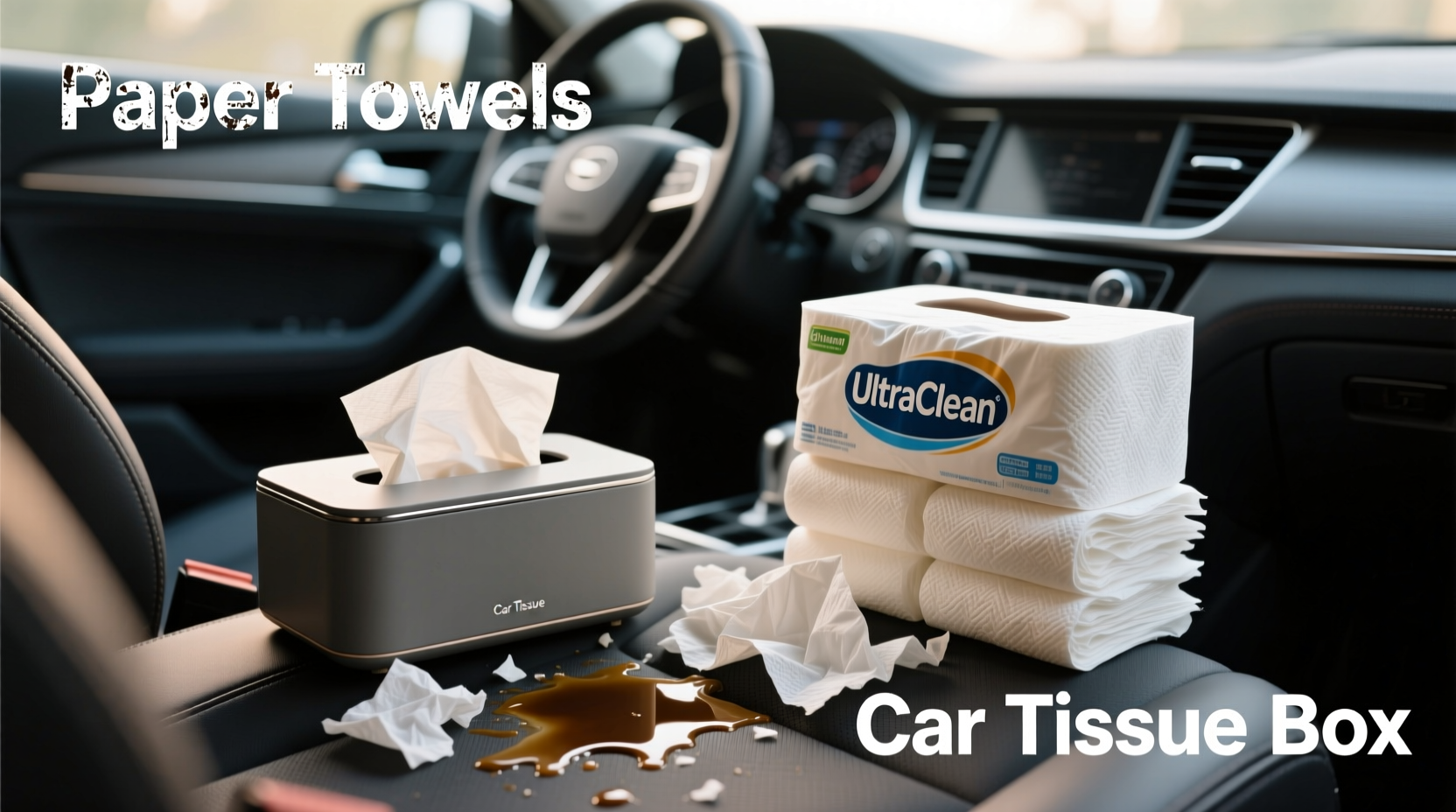
The first factor to consider is how well each product handles common automotive spills. Paper towels are engineered for high absorbency. Their multi-ply construction and textured surface allow them to soak up liquids quickly—especially water-based spills like soda, coffee, or rainwater. A single standard sheet can absorb several times its weight in liquid, making it ideal for larger messes.
Car tissue boxes, on the other hand, typically contain smaller, thinner sheets designed more for dusting, wiping fingerprints off screens, or dabbing condensation. While some premium tissues offer decent moisture resistance, they generally fall short when faced with substantial spills. They tend to tear easily when wet and often require multiple sheets to achieve what one paper towel could handle alone.
In side-by-side tests conducted by consumer labs, paper towels absorbed 30–50% more liquid than facial tissues under identical conditions. This makes them significantly more efficient during urgent cleanups, especially when time and space are limited inside a vehicle.
Convenience and Storage Practicality
Despite their performance edge, paper towels come with logistical drawbacks. Standard rolls don’t fit neatly into cup holders or door pockets. Many drivers resort to tearing off a few sheets and stuffing them into a glove compartment or center console, which leads to crumpled, dusty, or lost sheets.
Car tissue boxes solve this issue elegantly. Designed specifically for vehicles, these compact containers snap into cup holders or clip onto headrests. The pop-up dispensing mechanism allows one-handed access—a crucial advantage while driving or managing children. Their sleek design also blends into the car interior better than bulky paper towel rolls.
However, not all car tissue boxes are created equal. Some low-cost models jam easily or dispense multiple sheets at once, wasting product. Look for brands with smooth feed mechanisms and durable outer casings if you prioritize reliability.
“Tissue boxes win in ergonomics, but only if they’re designed for automotive use. Generic tissues in a loose container defeat the purpose.” — Mark Reynolds, Auto Interior Specialist
Cost Efficiency Over Time
When evaluating value, consider both upfront cost and longevity. On average, a pack of 6 car tissue boxes (each with ~70 sheets) costs around $8–$12. In contrast, a 12-roll pack of standard paper towels runs about $15–$20 and contains roughly 3,000 sheets.
Even accounting for higher usage rates due to lower absorbency per sheet, tissues still cost more per square foot of cleaning surface. Frequent drivers may go through 2–3 tissue boxes per month, whereas a single roll of paper towels can last up to six weeks, even with regular use.
Additionally, paper towels have secondary uses: wiping greasy hands after changing oil, cleaning windows, or drying tools stored in the trunk. Tissues lack the strength for such tasks and often disintegrate under pressure or moisture stress.
Comparison Table: Key Features at a Glance
| Feature | Car Tissue Box | Paper Towels |
|---|---|---|
| Absorbency | Low to Moderate | High |
| Sheet Strength (Wet) | Poor – tears easily | Good – resists tearing |
| Storage Convenience | Excellent – fits cup holders | Fair – requires repackaging |
| One-Handed Use | Yes | No |
| Cost Per Use | Higher | Lower |
| Versatility | Limited to light cleaning | Multiple uses (windows, grease, spills) |
Real-World Scenario: Family Road Trip Spill Test
Jessica M., a mother of two from Colorado, put both options to the test during a weekend road trip. Her toddler spilled an entire 12-ounce apple juice box between the front seats. She had a car tissue box mounted in the rear cup holder and a half-used roll of paper towels stored in her glovebox.
She reached for the tissues first—conveniently within reach—but found she needed eight sheets to mop up the puddle, and the last few tore mid-use, leaving sticky residue behind. Later, when her husband knocked over his iced tea, he used paper towels pulled from the glovebox. Despite taking longer to retrieve, two folded sheets fully absorbed the spill, cleaned the surrounding area, and didn’t leave lint or fragments.
Afterward, Jessica switched to storing pre-cut paper towel squares in a resealable plastic bag clipped near the center console. “It’s not as pretty,” she said, “but it works ten times better.”
Best Practices: Getting the Most From Either Option
If you're committed to using car tissue boxes, optimize their effectiveness:
- Choose ultra-strong or lotion-infused varieties for slightly better wet strength.
- Keep a backup stash in the trunk for larger messes.
- Pair tissues with a small spray bottle of interior cleaner for enhanced utility.
For paper towel users, organization is key:
- Cut full sheets in half or thirds to fit small spaces.
- Store them in a ziplock bag to prevent dust accumulation.
- Use a magnetic or suction-mounted dispenser inside the door panel for easy access.
FAQ
Can I use baby wipes instead of tissues or paper towels?
Baby wipes are effective for sticky residues and sanitizing surfaces, but they’re not ideal for large liquid spills. They also contain moisture and chemicals that may damage leather or leave behind a film. Best used as a supplement—not a replacement—for absorbent materials.
Are there eco-friendly alternatives?
Yes. Reusable microfiber cloths are highly absorbent, washable, and environmentally responsible. Keep a few in a sealed pouch and swap them out weekly. Just ensure they’re cleaned regularly to avoid odor buildup.
Do scented tissues affect air quality in the car?
Prolonged exposure to artificial fragrances in enclosed spaces like cars can trigger headaches or allergies in sensitive individuals. Unscented options are safer for shared vehicles and children.
Final Recommendation
Paper towels are objectively superior when it comes to handling real car messes—especially spills involving liquids, dirt, or grease. Their absorbency, durability, and versatility make them the more practical choice for most drivers. However, their main drawback—awkward storage—can be solved with smart organization.
Car tissue boxes excel in accessibility and aesthetics, making them suitable for minor touch-ups, dusting dashboards, or wiping sunglasses. But relying solely on them for serious spills leads to frustration, waste, and incomplete cleaning.
☐ Pre-cut paper towels into car-sized squares
☐ Store them in a labeled, resealable container
☐ Mount the container within driver reach (console or door pocket)
☐ Add a small bottle of multipurpose cleaner
☐ Include a reusable microfiber cloth for polishing
☐ Replace supplies monthly or after major spills
“The right tool matters, but so does placement. A powerful cleaner is useless if it’s buried under floor mats.” — Lena Choi, Detailing Technician & Automotive Organizer
Conclusion
When weighing car tissue boxes against paper towels, function should outweigh form. While tissues offer neat packaging and instant access, they consistently underperform when confronted with typical vehicle messes. Paper towels, though less convenient out-of-the-box, deliver unmatched cleaning power and long-term savings—with only minimal prep required to integrate them smoothly into your car’s ecosystem.
Upgrade your in-car cleanup strategy today. Ditch the flimsy tissues for strong, absorbent paper towels stored smartly. Your future self—facing down a spilled latte at a red light—will thank you.




 浙公网安备
33010002000092号
浙公网安备
33010002000092号 浙B2-20120091-4
Comments
No comments yet. Why don't you start the discussion?