
When it comes to keeping your vehicle’s trunk functional and clutter-free, a trunk organizer can make all the difference. But one of the most debated choices in this category is whether to go for a model with a lid or stick with an open-top design. Both have their strengths, and the best choice depends on how you use your car, what you carry, and your personal preferences for accessibility and cleanliness. Understanding the practical differences helps ensure you invest in a solution that truly enhances your driving experience.
Lid vs. Open: Core Design Differences
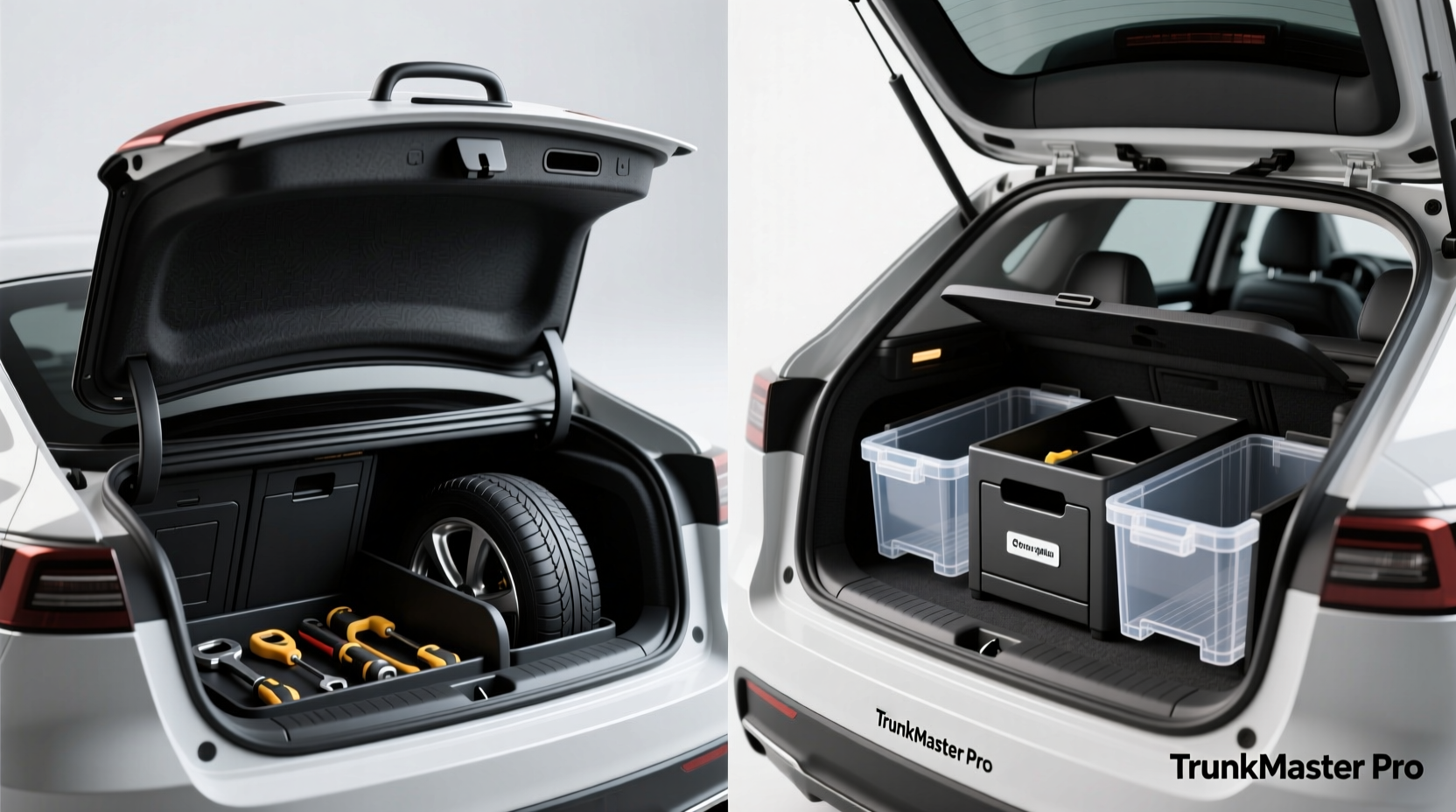
The fundamental distinction between lidded and open trunk organizers lies in structure and containment. A lidded organizer features a hinged or removable top that fully encloses the contents. This design prioritizes security, cleanliness, and protection from movement. In contrast, open organizers are essentially structured bins without a cover—offering immediate visibility and access but less control over spills, odors, or shifting items during transit.
Lidded models often resemble portable storage containers with handles and locking mechanisms, while open ones resemble large baskets or segmented crates. The build materials vary—from durable plastics and reinforced fabrics to collapsible mesh—but the presence or absence of a lid dramatically affects functionality.
Advantages of a Lidded Trunk Organizer
A trunk organizer with a lid offers several compelling benefits, particularly for drivers who value order and cleanliness. First and foremost, it contains messes. Spilled liquids, muddy shoes, or loose sand won’t scatter across the trunk floor. This is especially valuable for families, pet owners, or those who use their vehicles for outdoor activities.
Lidded designs also enhance security. When parked, a closed container hides the contents of your trunk from view, reducing the temptation for theft. Additionally, items inside stay securely in place during sharp turns or sudden stops. This stability is crucial when transporting fragile or heavy objects like tools, electronics, or glass bottles.
Many lidded organizers come with added features such as carrying handles, built-in wheels, or modular compartments. These upgrades support portability—ideal for quickly moving gear from car to campsite or tailgate. Some even double as emergency kits or cooler hybrids, expanding their utility beyond simple storage.
“Enclosed organizers significantly reduce cross-contamination of items in the trunk, especially important when switching between groceries and sports equipment.” — Marcus Tran, Automotive Lifestyle Consultant
Benefits of an Open Trunk Organizer
On the other hand, open-top organizers excel in accessibility and flexibility. With no lid to lift or latch, you gain instant access to your belongings. This speed matters when you’re rushing to grab a jacket, umbrella, or roadside emergency kit. For frequent users—like delivery drivers, tradespeople, or parents managing kids’ sports gear—every second counts.
Open designs also allow for easier loading of bulky or oddly shaped items. Since there’s no height restriction imposed by a lid, you can stack or compress contents more freely. Many open organizers feature foldable sides or expandable sections, adapting to fluctuating storage demands.
Ventilation is another underrated advantage. Open bins allow airflow, which helps prevent mildew and musty smells—especially if you store damp towels, rain-soaked gear, or sweaty workout clothes. Unlike sealed containers, they don’t trap moisture, making them a smarter pick in humid climates or for seasonal use.
Comparison Table: Lidded vs. Open Organizers
| Feature | Lidded Organizer | Open Organizer |
|---|---|---|
| Mess Containment | Excellent – prevents spills and odors | Poor – items exposed |
| Accessibility | Moderate – requires opening lid | Excellent – immediate access |
| Safety & Security | High – hides contents, reduces theft risk | Low – visible from outside |
| Versatility | Moderate – fixed capacity | High – easier to adjust for bulk |
| Portability | Often high – includes handles/wheels | Variable – depends on design |
| Ventilation | Poor – traps moisture if not aired | Good – allows air circulation |
Real-World Use Case: Family Road Trip vs. Daily Commute
Consider two scenarios. The Johnson family plans a weekend camping trip. Their SUV trunk holds coolers, sleeping bags, a first-aid kit, snacks, and muddy boots. A lidded organizer keeps wet shoes separate from food, prevents crushed granola bars, and hides valuables when parked at trailheads. After returning, they simply wipe down the container—no scrubbing spilled juice from carpeting.
In contrast, David commutes daily and uses his sedan trunk for work tools, a laptop bag, and gym clothes. He opens the trunk multiple times a day. An open organizer lets him grab his briefcase and water bottle in seconds without fumbling with latches. Since he removes sensitive items nightly, security isn’t a concern. The breathability also keeps his gym duffel from developing a stale odor.
These examples highlight that context determines value. Neither design is universally superior—it’s about matching form to function.
Step-by-Step Guide: Choosing the Right Type for You
- Assess Your Usage: Do you carry perishables, pets, or messy items? If yes, lean toward lidded.
- Evaluate Access Frequency: How often do you need quick entry? High frequency favors open designs.
- Check Trunk Size: Measure available space. Lidded units may require more clearance for opening.
- Consider Security Needs: Park in public areas? A closed container reduces break-in appeal.
- Test Ventilation Requirements: Regularly store damp items? Open bins manage moisture better.
- Determine Portability Needs: Will you carry the organizer out of the car? Look for handles and durability.
Frequently Asked Questions
Can I use a lidded organizer in a small trunk?
Yes, but choose compact, low-profile models. Ensure there’s enough room to open the lid without hitting the rear seats or hatch. Some fold flat when not in use, maximizing flexibility.
Are open organizers harder to clean?
Not necessarily. While spills may spread, open bins are easier to wipe down entirely. Most can be lifted out and rinsed. Just avoid leaving wet items inside for long periods to prevent mildew.
Do lidded organizers fit all car models?
Most are designed to be universal, but always check dimensions. Some premium models are vehicle-specific for a custom fit. Measure your trunk’s width, depth, and height before purchasing.
Final Checklist Before Buying
- ✅ Measure your trunk space
- ✅ Decide on priority: access speed vs. containment
- ✅ Choose material: water-resistant fabric, hard plastic, or collapsible mesh
- ✅ Check for extra features (handles, dividers, wheels)
- ✅ Read reviews focused on real-world durability
- ✅ Consider dual-use options (e.g., organizer + cooler)
Conclusion
The decision between a lidded and open car trunk organizer isn’t about which is objectively better—it’s about aligning the design with your lifestyle. If containment, cleanliness, and security matter most, a lidded model delivers peace of mind. If speed, adaptability, and ventilation are priorities, an open organizer likely serves you better. Many drivers find value in owning both, switching based on the trip or season. The key is intentionality: choose not just for convenience today, but for consistency and ease over time.




 浙公网安备
33010002000092号
浙公网安备
33010002000092号 浙B2-20120091-4
Comments
No comments yet. Why don't you start the discussion?