
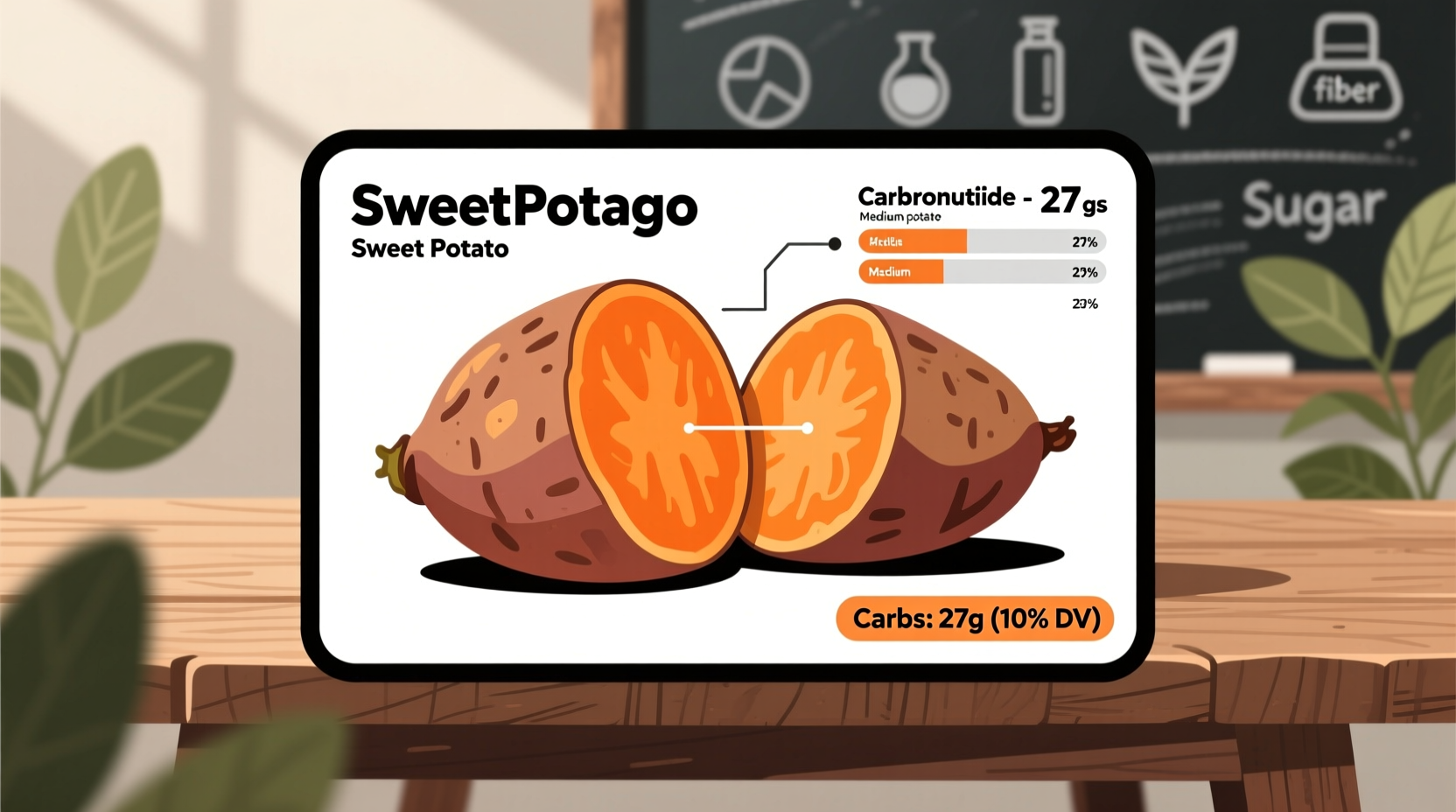
Understanding the carbohydrate content of whole foods is essential for managing energy intake, supporting metabolic health, and planning balanced meals—especially for individuals monitoring blood sugar or following structured eating patterns. Among root vegetables, the sweet potato stands out for its nutrient density, natural sweetness, and complex carbohydrate profile. A medium sweet potato contains approximately 27 grams of carbohydrates, but this number alone doesn’t tell the full story. The quality, composition, and context of those carbs significantly influence their effect on the body. This article provides a detailed, science-informed analysis of the carbohydrate content in a medium sweet potato, breaking down total carbs, fiber, sugars, and net carbs, while also exploring culinary applications, glycemic response, and how it compares to other starchy vegetables.
Definition & Overview
The sweet potato (*Ipomoea batatas*) is a dicotyledonous plant belonging to the morning glory family, Convolvulaceae. Unlike the common white potato (*Solanum tuberosum*), which is a nightshade, sweet potatoes are not botanically related but serve a similar culinary role as a starchy staple. Native to Central and South America, they have been cultivated for over 5,000 years and are now grown worldwide for their edible, nutrient-rich tubers.
Sweet potatoes vary widely in color, ranging from pale yellow to deep orange and even purple flesh, each type offering slightly different phytonutrient profiles. The most commonly consumed variety in North America is the orange-fleshed type, prized for its beta-carotene content—a precursor to vitamin A. In culinary terms, sweet potatoes are classified as complex carbohydrates due to their starch structure and high fiber content, making them a slower-digesting energy source compared to simple sugars.
A \"medium\" sweet potato is standardized by the U.S. Department of Agriculture (USDA) as weighing approximately 130 grams (about 4.6 ounces) when raw and unpeeled. This size is typically around 5 inches long and 2 inches in diameter—commonly found in grocery stores and used as a reference in nutrition labeling and dietary guidelines.
Key Characteristics
Beyond carbohydrates, the sweet potato’s value lies in its holistic nutritional composition. Below are the defining characteristics of a medium (130g) raw sweet potato:
| Characteristic | Description |
|---|---|
| Flavor Profile | Naturally sweet with earthy, malty undertones; intensity increases when roasted. |
| Aroma | Mildly vegetal when raw; develops caramelized, nutty notes when cooked. |
| Color/Form | Tapered tuber with thin skin (copper, beige, or purple); flesh ranges from white to deep orange. |
| Heat Level | None—non-pungent and suitable for all palates. |
| Culinary Function | Starchy base, natural sweetener, binding agent in vegan recipes, side dish, or main component. |
| Shelf Life | 3–5 weeks in a cool, dark, dry place; avoid refrigeration before cooking. |
| Texture (Cooked) | Soft, creamy, and moist—especially when baked or steamed. |
Carbohydrate Breakdown: What’s in 1 Medium Sweet Potato?
The total carbohydrate content of a medium (130g) sweet potato is **26.8 grams**, according to USDA FoodData Central. However, this figure includes multiple components that affect how the body processes the carbs. Understanding the breakdown is crucial for accurate meal planning.
- Total Carbohydrates: 26.8 g
- Dietary Fiber: 4.0 g (14% of Daily Value)
- Sugars: 7.4 g (naturally occurring, primarily sucrose, glucose, fructose)
- Net Carbohydrates: 22.8 g (Total Carbs – Fiber)
- Starch: ~15.4 g (resistant and digestible forms)
Fiber makes up about 15% of the total carbs, which slows digestion and moderates blood glucose response. The presence of resistant starch—particularly when cooled after cooking—adds prebiotic benefits, feeding beneficial gut bacteria. The natural sugars contribute to its appealing sweetness without requiring added sugars in most preparations.
Pro Tip: To maximize fiber and resistant starch, cook sweet potatoes and let them cool slightly before eating (e.g., in salads). Reheating does not eliminate these benefits and can enhance satiety.
Practical Usage: How to Use Sweet Potatoes in Balanced Meals
Sweet potatoes are incredibly versatile in both home and professional kitchens. Their mild sweetness pairs well with savory, spicy, acidic, and umami-rich ingredients, allowing them to function across cuisines—from Southern American casseroles to Thai curries and Mediterranean grain bowls.
Home Cooking Applications
- Baked Sweet Potato: Pierce skin, bake at 400°F (200°C) for 45–60 minutes until tender. Top with black beans, salsa, Greek yogurt, and cilantro for a complete meal under 500 calories.
- Roasted Cubes: Toss 1-inch cubes with olive oil, smoked paprika, garlic powder, salt, and rosemary. Roast at 425°F (220°C) for 25–30 minutes for a crisp-edged side dish.
- Mashed Sweet Potatoes: Boil chunks until soft, drain, then mash with a touch of cinnamon, nutmeg, and unsalted butter or coconut milk. Avoid excessive sugar—its natural sweetness suffices.
- Breakfast Bowls: Add sliced roasted sweet potato to oatmeal or grain bowls with almond butter, chia seeds, and banana for sustained morning energy.
- Vegan Baking: Substitute up to half the flour in muffins or pancakes with mashed sweet potato for moisture, sweetness, and nutrients.
Professional & Restaurant-Style Uses
- Purees and Sauces: Chefs use smooth sweet potato purée as a base for soups or as a colorful plating element under proteins like seared duck or grilled salmon.
- Appetizers: Crispy sweet potato rounds topped with goat cheese, honey, and walnuts appear frequently on upscale menus.
- Grain-Free Options: In gluten-free or paleo-focused kitchens, sweet potato slices replace tortillas in “tacos” or pizza crusts.
- Infused Oils and Stocks: Roasted peels and trimmings are simmered into vegetable stocks to add depth and subtle sweetness.
Pairing Suggestions and Ratios
For balanced macronutrient distribution, pair one medium sweet potato (27g carbs) with:
- 3–4 oz lean protein (chicken breast, tofu, tempeh, fish)
- 1–2 cups non-starchy vegetables (kale, broccoli, Brussels sprouts)
- 1 tsp healthy fat (olive oil, avocado, tahini)
This combination stabilizes blood sugar, enhances satiety, and supports muscle maintenance. For low-carb adaptations, reduce portion size to half a sweet potato (≈13.5g carbs) and increase fibrous vegetables.
Variants & Types
Sweet potatoes come in several varieties, each with distinct carbohydrate profiles and culinary uses. While differences are subtle, choosing the right type can optimize flavor, texture, and nutritional goals.
| Type | Carbohydrates (per 130g) | Fiber | Best Uses |
|---|---|---|---|
| Orange-Fleshed (Beauregard) | 26.8 g | 4.0 g | Baking, mashing, roasting—ideal for general use. |
| White/Yellow-Fleshed (Hannah) | 28.5 g | 3.2 g | Less sweet; better for savory dishes like gratins. |
| Purple-Fleshed (Okinawan) | 25.3 g | 3.8 g | Steaming, stir-frying—adds vibrant color and antioxidants. |
| Canned Sweet Potatoes | 30.1 g | 2.9 g | Convenient but often higher in sugars; check labels. |
Note: Canned versions may contain added syrups, increasing total and net carbs. Always opt for “unsweetened” or “in juice” versions if available.
Comparison with Similar Ingredients
Sweet potatoes are often compared to white potatoes and yams, though true yams (Dioscorea spp.) are rarely sold in mainstream U.S. markets. Many “yams” labeled in grocery stores are actually sweet potatoes. Here’s how they compare nutritionally (per 130g medium serving):
| Vegetable | Total Carbs | Fiber | Glycemic Index (GI) | Notable Nutrients |
|---|---|---|---|---|
| Sweet Potato (orange) | 26.8 g | 4.0 g | ~63 (Medium) | Beta-carotene, vitamin A, potassium |
| White Potato (Russet) | 29.6 g | 2.1 g | ~72–85 (High) | Vitamin C, potassium, resistant starch (when cooled) |
| True Yam (boiled) | 31.5 g | 3.6 g | ~50–60 (Low-Medium) | Diosgenin (phytochemical), moderate fiber |
| Butternut Squash (1 cup cubed) | 16.0 g | 3.0 g | ~50–55 (Low-Medium) | Beta-carotene, vitamin C, lower carb alternative |
The sweet potato has a lower glycemic index than white potatoes, meaning it raises blood sugar more gradually. Its higher fiber and beta-carotene content give it an edge in micronutrient density. However, white potatoes offer more potassium and vitamin C. Butternut squash is a lower-carb alternative for those restricting intake.
“The sweet potato’s combination of complex starch, fiber, and phytonutrients makes it one of the most metabolically friendly starchy vegetables we can recommend—even for people managing insulin sensitivity.” — Dr. Elena Torres, Registered Dietitian and Culinary Nutrition Specialist
Practical Tips & FAQs
Does cooking method affect carbohydrate content?
No—cooking does not change the total carbohydrate count, but it alters the glycemic response. Boiling results in the lowest GI, followed by steaming, baking, and frying. Roasting enhances flavor through caramelization but may slightly increase glycemic impact.
Are sweet potatoes keto-friendly?
Not in standard ketogenic diets, which typically limit carbs to 20–50g per day. One medium sweet potato contains 22.8g of net carbs, leaving little room for other foods. However, smaller portions (¼ to ½) can fit into liberal low-carb plans.
How should I store sweet potatoes?
Keep them in a cool, dark, dry place (55–60°F / 13–15°C) with good ventilation. Do not refrigerate—cold temperatures cause hard centers and off-flavors. Use within 3–5 weeks. Never store near onions, as ethylene gas accelerates spoilage.
Can I eat the skin?
Yes—the skin is rich in fiber and antioxidants. Wash thoroughly before cooking, especially if roasting or baking. Organic skins are preferable if consuming unpeeled.
What are the best substitutions for sweet potatoes?
- Lower Carb: Cauliflower (steamed and mashed), turnips, or rutabaga
- Higher Protein: Pumpkin (similar texture, lower carbs), parsnips (higher sugar)
- Similar Nutrition: Kabocha squash, carrots (though sweeter and less starchy)
Do sweet potatoes spike blood sugar?
They cause a moderate rise, but far less than refined grains or sugary snacks. Pairing with protein, fat, and fiber (e.g., chicken and avocado salad with sweet potato) blunts the spike. Monitoring individual glucose response with a continuous monitor can provide personalized insights.
Is there a difference between yams and sweet potatoes?
Yes—true yams are starchier, drier, and less sweet, native to Africa and Asia. In the U.S., grocery labels often misuse “yam” for orange-fleshed sweet potatoes. Check the bin or packaging: true yams have rough, bark-like skin and are uncommon outside specialty markets.
Storage Hack: If you cut a sweet potato and aren’t using it all, store the remainder in an airtight container with a damp paper towel to prevent drying. Use within 5 days.
Summary & Key Takeaways
A medium sweet potato (130g) contains 26.8 grams of total carbohydrates, 4.0 grams of fiber, and 22.8 grams of net carbs. It is a nutrient-dense source of complex carbohydrates, offering sustained energy, high beta-carotene, and beneficial fiber. Its glycemic impact is moderate and can be further reduced through smart pairing and cooking methods.
Key advantages include versatility in cooking, compatibility with diverse diets (vegetarian, vegan, gluten-free), and superior micronutrient content compared to many starchy alternatives. While not suitable for strict ketogenic diets, it fits well within balanced, whole-food-based eating patterns—including Mediterranean, plant-forward, and diabetic-friendly meal plans when portion-controlled.
Chefs and home cooks alike can leverage sweet potatoes for flavor, texture, and nutrition. By understanding its carbohydrate profile and how it interacts with other foods, you can make informed decisions that support both taste and health.




 浙公网安备
33010002000092号
浙公网安备
33010002000092号 浙B2-20120091-4
Comments
No comments yet. Why don't you start the discussion?