
Choosing a pet snake is a long-term commitment, often spanning decades, and selecting the right morph with proper care knowledge is critical. The Cinnamon Ball Python (Python regius) stands out among reptile enthusiasts not only for its striking coloration but also for its manageable size and generally docile temperament. However, even the most visually appealing morph requires precise environmental conditions, dietary consistency, and attentive monitoring to thrive in captivity. This guide provides comprehensive, science-backed husbandry practices tailored specifically to the Cinnamon Ball Python, ensuring longevity, health, and behavioral well-being.
Definition & Overview
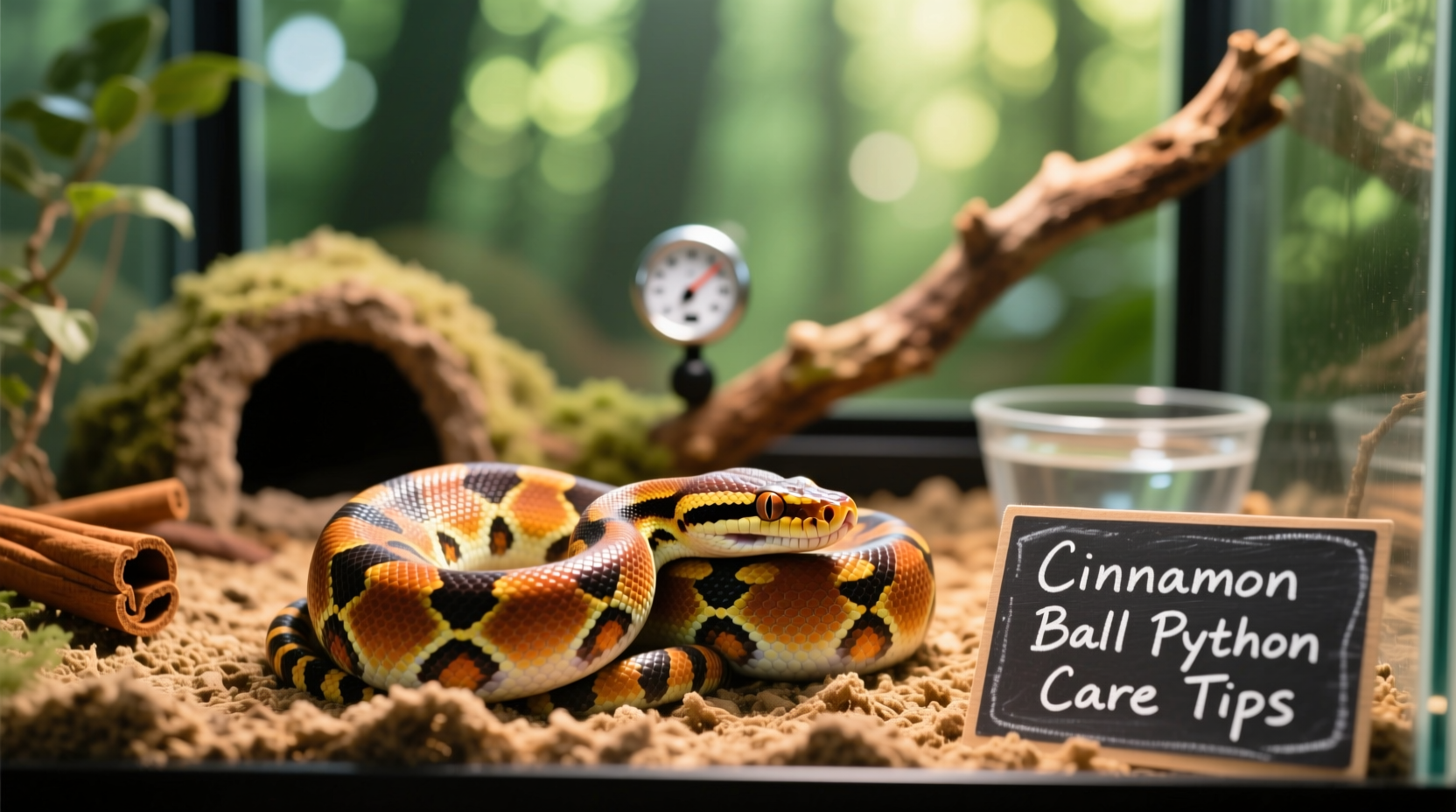
The Cinnamon Ball Python is a selectively bred color morph of the wild-type West African Ball Python. First isolated through captive breeding programs in the late 1990s, this morph is characterized by rich chocolate-brown dorsal patterning on a pale beige or cream background, with reduced black pigmentation and warm reddish undertones—reminiscent of ground cinnamon, hence the name. Unlike albinotic or high-contrast morphs, the Cinnamon retains defined pattern elements while softening overall contrast, making it one of the most aesthetically balanced and naturally appearing designer variants.
Naturally found in savannas, grasslands, and sparsely wooded areas from Senegal to Uganda, the species has evolved as a nocturnal, ambush predator that spends much of its time concealed in burrows or under cover. In captivity, these instincts remain intact, so successful care hinges on replicating key aspects of their native microhabitat: thermal gradients, humidity cycles, secure hiding spaces, and minimal stress exposure.
Key Characteristics
- Coloration: Chocolate-brown to rust-colored markings on a light tan or ivory base; lateral blotches often have softened edges.
- Patterning: Retains typical ball python dorsal and lateral blotch structure but with muted contrast compared to wild types.
- Size: Adults reach 3–5 feet; females typically larger than males.
- Lifespan: 20–30 years with proper care; some individuals exceed 35 years.
- Temperament: Generally calm and tolerant of handling when acclimated; may ball up defensively when stressed.
- Metabolism: Slow; feeds infrequently, especially during cooler months or shedding cycles.
| Attribute | Description |
|---|---|
| Scientific Name | Python regius |
| Morph Type | Co-dominant recessive (visual expression in heterozygous form) |
| Average Adult Length | 3.5–4.5 ft (females); 2.5–3.5 ft (males) |
| Hatchling Size | 10–16 inches |
| Growth Rate | Slow; reaches maturity in 2.5–3.5 years |
| Diet | Rodents (frozen-thawed preferred) |
| Feeding Frequency | Juveniles: every 5–7 days; adults: every 10–14 days |
| Humidity Requirement | 50–60% baseline; up to 70% during shedding |
| Temperature Gradient | Warm side: 88–92°F; cool side: 78–80°F; ambient: 75–80°F |
| UVB Lighting | Not required, but low-level 2% UVB may support circadian rhythm |
Practical Care Guidelines
Successful maintenance of a Cinnamon Ball Python begins with enclosure design that supports thermoregulation, security, and hygiene. Unlike diurnal lizards, snakes rely heavily on environmental cues to regulate digestion, immune function, and activity levels. A poorly set-up habitat can lead to chronic stress, anorexia, respiratory infections, and premature death—even if food and water are provided.
Enclosure Size and Setup
A single adult Cinnamon Ball Python should be housed in a secure, escape-proof vivarium measuring at least 36” x 18” x 12”. Glass terrariums with sliding front doors or PVC enclosures are ideal due to their durability, visibility, and insulation properties. Juveniles can start in smaller 10–20 gallon tanks but should be upgraded within 12–18 months.
The enclosure must include:
- Two fully enclosed hides—one on the warm end, one on the cool end—to allow the snake to thermoregulate while feeling secure.
- A moisture-retaining substrate such as coconut fiber, cypress mulch, or paper-based bedding; avoid sand, gravel, or aromatic woods like pine.
- A sturdy water bowl large enough for soaking, placed on the cooler side to prevent excessive humidity spikes.
- Climbing branches or artificial décor (optional but beneficial for enrichment).
Tip: Never use heat rocks. They pose a severe burn risk due to uneven heating and lack of external regulation. Under-tank heaters controlled by thermostats are safer and more effective.
Thermal Management
Ball pythons are ectothermic, meaning they depend entirely on external heat sources to maintain physiological functions. An inadequate thermal gradient leads to poor digestion, regurgitation, and immunosuppression.
Create a horizontal temperature gradient using an under-tank heater (UTH) or ceramic heat emitter (CHE) connected to a reliable thermostat. Place the heat source on one side of the enclosure only. Measure temperatures at floor level using digital probe thermometers—not infrared guns aimed at glass walls, which yield inaccurate readings.
Avoid overheating: sustained temperatures above 95°F can cause neurological damage. Temperatures below 75°F across the entire enclosure inhibit metabolism and increase susceptibility to infection.
Humidity and Hydration
While not a rainforest species, the Cinnamon Ball Python experiences seasonal humidity fluctuations in its natural range. Maintaining a baseline relative humidity of 50–60% prevents dehydration and facilitates normal shedding. During ecdysis (shedding), raise humidity to 65–70% by misting the enclosure lightly once daily or providing a humid hide filled with damp sphagnum moss.
Signs of improper humidity include:
- Fish-hooked sheds (retained eye caps or tail tip skin)
- Cloudy or prolonged pre-shed phase
- Respiratory wheezing or mucus discharge (indicative of chronic dryness or infection)
Ensure adequate ventilation to prevent stagnant air and mold growth. Screen tops or side vents allow airflow without sacrificing heat retention.
Feeding and Nutrition
The Cinnamon Ball Python is a rodent specialist. In captivity, it should be fed a diet of appropriately sized frozen-thawed mice or rats. Prey width should not exceed 1.25 times the widest part of the snake’s body. Overfeeding leads to obesity and liver disease; underfeeding results in muscle wasting and metabolic slowdown.
- Hatchlings to 1 year: Small fuzzy or hopper mice every 5–7 days.
- Yearlings: Large mice or small rats every 7–10 days.
- Adults: Adult mice or medium rats every 10–14 days.
To thaw prey, place it in warm water (not a microwave) until completely soft—usually 20–30 minutes. Offer food using tongs or hemostats to avoid accidental bites. Feed in the evening or at night, aligning with the snake’s natural feeding rhythm.
Some Cinnamons exhibit feeding reluctance, particularly during winter months or after relocation. Do not force-feed. Instead:
- Ensure thermal and humidity parameters are optimal.
- Try scent transfer (rubbing prey with chicks or gerbils).
- Switch from mouse to rat pup if necessary.
- Offer in a separate, quiet “feeding tub” to reduce distractions.
\"Persistent anorexia in otherwise healthy ball pythons is often environmental, not medical. Before assuming illness, double-check your temps, hides, and stress levels.\" — Dr. Melissa Kaplan, Reptile Husbandry Specialist
Variants and Genetic Combinations
The Cinnamon gene is highly versatile in selective breeding and is frequently combined with other morphs to produce visually stunning hybrids. Understanding genetic inheritance helps owners appreciate their animal’s uniqueness and anticipate care needs.
| Morph Combination | Visual Description | Genetic Expression |
|---|---|---|
| Cinnamon + Albino | Pale yellow and caramel patterns; red eyes | Double recessive |
| Cinnamon + Ghost (Het. Clown) | Enhanced contrast with deeper browns | Recessive + co-dominant |
| Cinnamon + Spider | Wavy pattern, head wobble possible | Co-dominant; neurologic trait present |
| Cinnamon + Banana | Yellow-orange hues with chocolate markings | Co-dominant pairing |
| Cinnamon Het. Scaleless | Normal appearance but carries scaleless gene | Heterozygous carrier |
While appearance varies dramatically, all Cinnamon-inclusive morphs share identical care requirements. No evidence suggests that color genetics influence metabolism, temperament, or lifespan. However, certain combinations involving \"wobble\" genes (e.g., Spider, Champagne) may require modified handling protocols due to balance issues.
Comparison with Similar Morphs
The Cinnamon is sometimes confused with other brown-toned morphs such as Brown Ghost, Kahl’s Stripe, or Bumblebee. Key distinctions lie in pattern clarity, pigment saturation, and genetic lineage.
| Morph | Color Profile | Pattern Style | Eye Color | Genetic Basis |
|---|---|---|---|---|
| Cinnamon | Chocolate-brown on cream | Defined, slightly blurred edges | Black with dark pupils | Co-dominant recessive |
| Brown Ghost | Muted gray-brown | Highly reduced, ghosted pattern | Dark gray | Recessive |
| Kahl’s Stripe | Variable; often golden-brown | Longitudinal stripe with fragmented sides | Black | Line-specific mutation |
| Lesser Platinum | Yellow-white with lavender-gray marks | Blotchy, asymmetrical | Reddish | Co-dominant |
Unlike true amelanistic morphs (which lack black pigment entirely), the Cinnamon retains melanin but shifts its expression toward warmer tones. This makes it distinct from albinos while still offering dramatic visual appeal.
Handling and Behavioral Enrichment
Cinnamon Ball Pythons tolerate handling better than many other snake species, but interaction should always be respectful and limited to healthy, non-stressed animals. Avoid handling within 48 hours of feeding to prevent regurgitation. Limit sessions to 10–15 minutes initially, increasing gradually as the snake becomes accustomed to human contact.
Signs of stress include:
- Constant balling up
- Hissing or striking (rare in Cinnamons)
- Thrashing or attempting to flee
- Regurgitation
Provide mental stimulation through occasional rearrangement of cage décor, introduction of new hides, or supervised exploration in a secure room (under direct supervision). These activities mimic natural foraging behaviors and reduce stereotypic movement.
Health Monitoring and Common Issues
Preventive care is essential. Conduct weekly visual inspections for signs of illness:
- Eyes: Should be clear; cloudiness outside of shedding indicates infection.
- Skin: Look for blisters, discoloration, or mites (tiny moving specks near scales).
- Mouth: No excess saliva, swelling, or “cotton mouth” (sign of infectious stomatitis).
- Feces: Consistent texture; diarrhea may signal parasites or diet issues.
- Respiration: Silent and effortless; wheezing or gaping suggests pneumonia.
Annual veterinary checkups with a reptile-savvy vet are recommended. Fecal exams should be performed biannually to screen for internal parasites such as roundworms or coccidia.
Q: Why isn’t my Cinnamon eating?
A: Most feeding refusals are linked to suboptimal temperatures, recent changes in environment, or seasonal brumation-like behavior. Rule out husbandry errors before suspecting illness. Consider offering food in a neutral container and using scent transfer techniques.
Q: How often does a Cinnamon shed?
A: Juveniles shed every 4–6 weeks during rapid growth; adults every 6–10 weeks. The pre-shed phase lasts about 7–10 days, during which eyes appear milky blue. Do not handle during this time.
Q: Can I house two Cinnamons together?
A: No. Ball pythons are solitary animals. Co-habitation increases stress, competition for resources, and risk of injury or disease transmission.
Q: Is a Cinnamon Ball Python good for beginners?
A: Yes, provided the owner commits to learning proper care. While hardy, they are sensitive to chronic low-grade stress and poor setup. Not suitable for households with inconsistent routines or untrained handlers.
Checklist: Weekly Care Routine
- Check temperature and humidity logs
- Inspect water bowl cleanliness
- Remove fecal matter promptly
- Observe feeding response
- Verify hide integrity and accessibility
- Look for signs of mites or shedding issues
Summary & Key Takeaways
The Cinnamon Ball Python combines aesthetic elegance with manageable care requirements, making it a standout choice for intermediate and dedicated beginner reptile keepers. Its chocolate-and-cream coloration is both distinctive and natural-looking, reflecting decades of selective breeding expertise. However, visual appeal must never overshadow responsibility.
Core success factors include:
- Maintaining a stable thermal gradient with accurate monitoring tools.
- Providing two secure hides and appropriate humidity levels.
- Feeding properly sized, frozen-thawed rodents on a consistent schedule.
- Minimizing stress through predictable routines and careful handling.
- Conducting regular health checks and seeking veterinary care when needed.
Ownership extends far beyond acquisition. With lifespans exceeding two decades, caring for a Cinnamon Ball Python is a pledge to provide consistent, informed stewardship. When done correctly, this relationship offers deep satisfaction—a living testament to patience, observation, and respect for nature’s subtleties.
Ready to deepen your understanding? Consult reputable breeders, join ball python care forums, and document your snake’s growth and behavior to become a truly informed custodian.




 浙公网安备
33010002000092号
浙公网安备
33010002000092号 浙B2-20120091-4
Comments
No comments yet. Why don't you start the discussion?