
In 2025, hardwood floors dominate showrooms, real estate listings, and interior design feeds. Sleek, easy-to-clean surfaces are praised for their modern appeal and longevity. But beneath the polished oak and engineered planks, a quieter choice persists—carpet. Once the default for living rooms and bedrooms, carpet has retreated from center stage. Yet it hasn’t disappeared. In fact, certain households and regions continue to favor carpet for reasons that go beyond aesthetics. So, does anyone still choose carpet in 2025? The answer isn’t a simple yes or no—it depends on lifestyle, climate, budget, and personal priorities.
The Rise of Hardwood—and the Retreat of Carpet
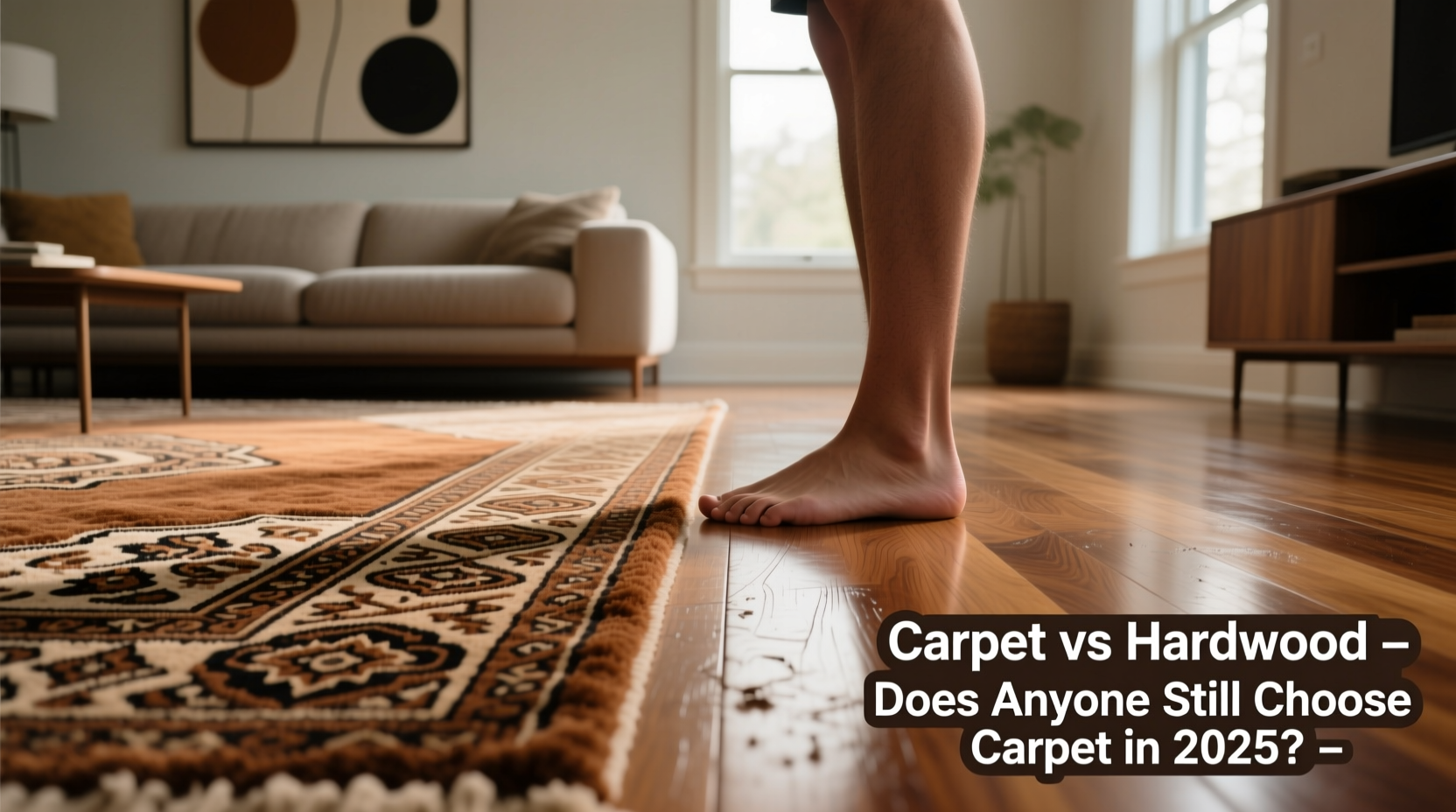
Over the past two decades, hardwood and luxury vinyl plank (LVP) have taken over residential flooring. Open-concept homes, pet-friendly lifestyles, and minimalist design trends have pushed homeowners toward hard surfaces. Real estate agents often advise replacing carpet before listing a home, citing buyer preference for cleanable, allergen-resistant floors.
According to the National Association of Home Builders (NAHB), over 70% of new homes installed hardwood or hybrid flooring in primary living areas in 2024. Meanwhile, carpet sales have declined by nearly 30% since 2015, particularly in kitchens, hallways, and entryways.
“Hardwood is no longer a luxury upgrade—it’s an expectation in mid-to-high-end markets.” — Daniel Reeves, Interior Design Consultant, Boston
Yet carpet maintains a foothold. It remains popular in bedrooms, basements, and homes in colder climates where warmth underfoot matters. Innovations in stain resistance, low-pile textures, and eco-friendly fibers have also given carpet a second life in niche markets.
Carpet vs Hardwood: A Practical Comparison
Choosing between carpet and hardwood isn’t just about style—it’s a functional decision with long-term implications. Consider these key factors:
| Factor | Carpet | Hardwood |
|---|---|---|
| Comfort & Warmth | Excellent—soft, warm, sound-absorbing | Firm and cool; requires rugs for comfort |
| Durability | Moderate—prone to wear, stains, matting | High—can last 25+ years with refinishing |
| Pet & Kid-Friendly | Good cushioning but harder to clean spills | Easier to clean; scratch-prone without finish protection |
| Allergens & Air Quality | Traps dust, dander; needs frequent deep cleaning | Low allergen retention; better for asthma sufferers |
| Cost (per sq ft) | $2–$6 (installed) | $8–$15+ (installed) |
| Lifespan | 5–15 years | 20–100+ years (with refinishing) |
| Noise Reduction | Superior—ideal for upstairs or multi-family units | Minimal; may require underlayment |
Who Still Chooses Carpet in 2025?
Despite the hardwood trend, several groups continue to opt for carpet—often deliberately. These include:
- Families with toddlers: Soft landings matter during early walking stages.
- Homeowners in cold climates: Northern states like Minnesota and Vermont see higher carpet retention due to insulation benefits.
- People prioritizing acoustics: Apartments, condos, and multi-level homes use carpet to minimize noise transfer.
- Budget-conscious buyers: Carpet offers a lower upfront cost, especially when renovating large areas.
- Those seeking sensory comfort: Individuals with sensory processing sensitivities often prefer carpet’s texture and warmth.
Real Example: The Minnesota Family Home
The Petersons, a family of five in Duluth, recently renovated their 1980s split-level. They chose to keep carpet in all three upstairs bedrooms despite pressure from their contractor to switch to LVP.
“We tried hardwood in our last house,” said Sarah Peterson. “It looked great, but by winter, the kids were slipping in socks, and our dog’s nails clicked constantly. Our bedroom felt like a hotel room—sterile. We wanted warmth, quiet, and comfort. Carpet gives us that.”
They selected a tightly woven, solution-dyed nylon carpet with a lifetime pet-stain warranty. It costs less than half what hardwood would have, and they report high satisfaction after 18 months of use.
Modern Carpet: Not Your Parents’ Shag Rug
Today’s carpet technology has evolved significantly. Gone are the days of easily stained Berber or fuzzy, high-pile styles that trapped everything. Modern options include:
- Stain-resistant treatments: Brands like Shaw and Mohawk offer lifetime warranties against pet stains and spills.
- Low-profile loop piles: These resist crushing and matting, ideal for high-traffic areas.
- Sustainable materials: Recycled PET fiber carpets made from plastic bottles are now mainstream.
- Modular carpet tiles: Brands like FLOR allow for replaceable sections—damage doesn’t mean full replacement.
Additionally, many manufacturers now offer antimicrobial backing and hypoallergenic padding, addressing historical concerns about air quality.
Step-by-Step Guide: Choosing the Right Floor for Your Home
Still undecided? Follow this practical process to make the best choice for your space:
- Assess your household: Do you have pets, kids, or elderly residents? Prioritize safety and durability.
- Consider your climate: Cold regions benefit from carpet’s insulation; humid areas may favor moisture-resistant hardwood alternatives.
- Evaluate maintenance willingness: Are you committed to regular vacuuming and professional cleaning? Carpet demands more upkeep.
- Set a realistic budget: Include installation, underlayment, and long-term maintenance. Hardwood may cost more upfront but lasts decades.
- Test samples: Order 1-foot swatches of both carpet and hardwood. Place them in your home for a week. Walk on them barefoot, spill water, test pet access.
- Think long-term: How long do you plan to stay in the home? Resale value favors hardwood, but personal comfort shouldn’t be ignored.
FAQ
Is carpet making a comeback in 2025?
Not broadly—but it’s experiencing a quiet resurgence in specific niches. Bedrooms, basements, and homes in colder regions are seeing renewed interest in high-performance carpet. While it won’t replace hardwood in common areas, it’s far from obsolete.
Can carpet be sustainable?
Yes. Many brands now use recycled materials, low-VOC adhesives, and recyclable backings. Some companies even offer take-back programs to repurpose old carpet. Look for third-party certifications like Cradle to Cradle or NSF International.
What’s the best flooring for homes with dogs?
There’s no one-size-fits-all answer. Hardwood with a durable finish (like aluminum oxide) resists scratches but can be slippery. Carpet provides traction and comfort but risks staining. Many pet owners opt for luxury vinyl plank (LVP)—a middle ground with wood-like appearance and superior water and scratch resistance.
Checklist: Carpet vs Hardwood Decision Tool
Use this checklist to clarify your priorities:
- ☐ Need softness underfoot (e.g., for kids, elderly, or standing fatigue)? → Lean toward carpet.
- ☐ Concerned about allergens or asthma? → Lean toward hardwood.
- ☐ Living in a cold or drafty home? → Carpet adds thermal comfort.
- ☐ Planning to sell within 5 years? → Hardwood typically boosts resale value.
- ☐ Have pets that track in moisture or shed heavily? → Hardwood or LVP may be easier to maintain.
- ☐ Want a quieter home environment? → Carpet reduces echo and footfall noise.
- ☐ On a tight renovation budget? → Carpet usually wins on initial cost.
Conclusion: It’s About Fit, Not Fashion
The debate between carpet and hardwood isn’t about which is universally better—it’s about which fits your life. In 2025, hardwood dominates headlines and listings, but carpet endures where comfort, warmth, and practicality matter most. Dismissing carpet entirely overlooks its functional strengths and emotional appeal.
Smart homeowners don’t follow trends blindly—they assess their needs, test options, and choose what works today and five years from now. Whether you lay down plush wool blend or wide-plank oak, the best floor is the one that feels right under your feet and supports your daily rhythm.




 浙公网安备
33010002000092号
浙公网安备
33010002000092号 浙B2-20120091-4
Comments
No comments yet. Why don't you start the discussion?