
Every driver knows the frustration of stepping into a car with muddy, damp, or snow-covered floor mats. Over time, the battle between carpeted liners and rubber floor mats has evolved—especially with the rise of so-called “all-weather” mats. But is upgrading to these premium rubber options truly worth the investment? For many, the answer depends on climate, lifestyle, vehicle use, and long-term maintenance goals. This guide breaks down the key differences, real-world performance, and hidden costs behind each type to help you make an informed decision.
Understanding the Basics: Carpet vs Rubber Floor Mats
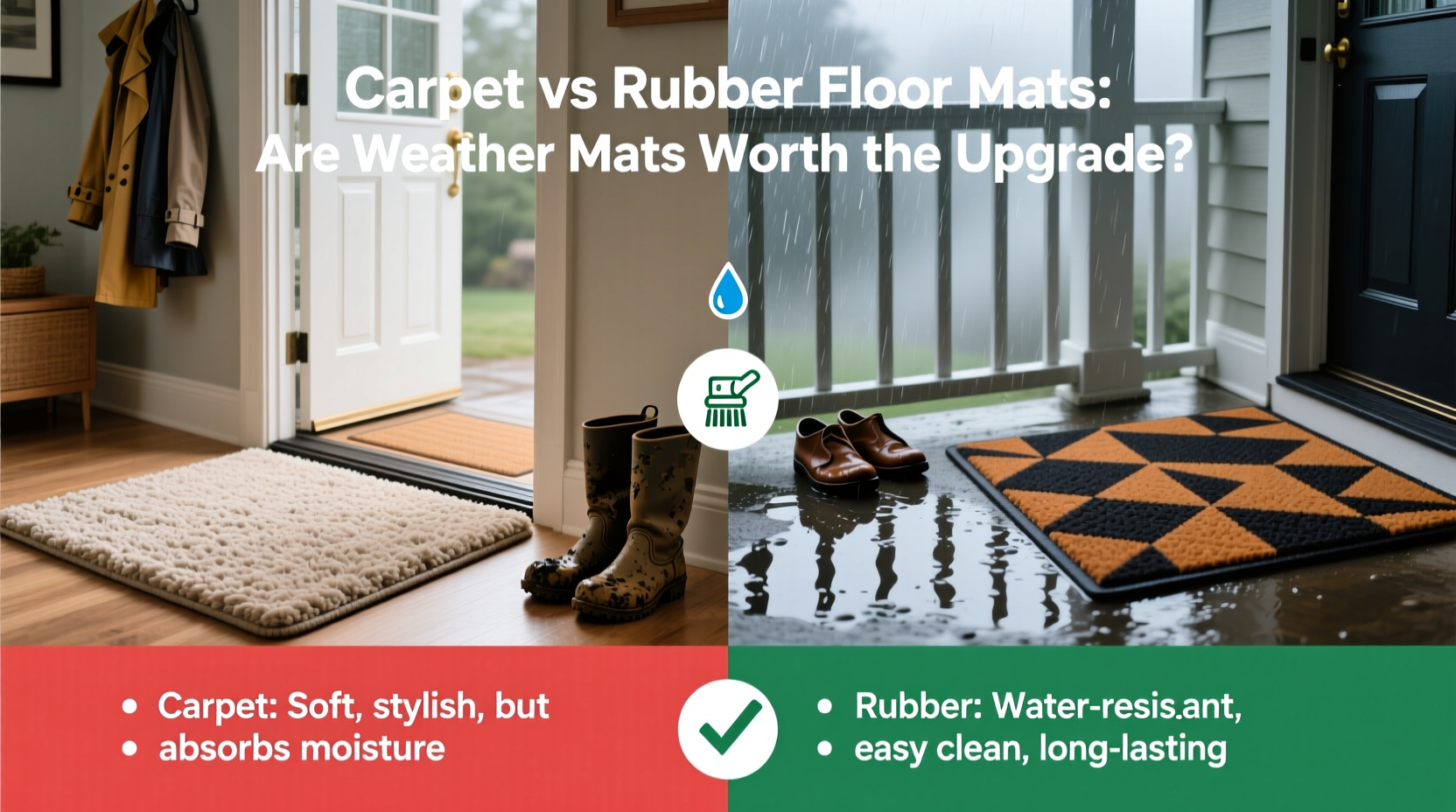
Carpet floor mats are the standard in most factory-equipped vehicles. They offer a soft, fabric-like feel underfoot and often match the interior’s color scheme. Typically made from woven nylon or polyester blends, they’re affordable and widely available. However, their porous nature makes them vulnerable to moisture, stains, and odor buildup.
Rubber floor mats, especially those marketed as “all-weather” or “all-terrain,” are constructed from thermoplastic elastomers (TPE) or similar synthetic compounds. These materials are non-porous, flexible, and designed to withstand extreme temperatures, road salt, mud, and repeated cleaning. Unlike carpet, rubber mats feature deep tread patterns and raised edges that trap liquids and debris before they reach your vehicle’s original flooring.
Performance Comparison: Real-World Conditions
The true test of any floor mat comes during harsh weather. Whether it’s winter slush, summer rain, or off-road adventures, how well your mats perform directly impacts cabin cleanliness and resale value.
In wet conditions, carpet mats absorb water like a sponge. Even after drying, residual moisture can lead to mold, mildew, and persistent odors. Rubber mats, by contrast, allow water and slush to pool in their channels, which can be easily wiped or rinsed away. This makes them ideal for regions with heavy precipitation or frequent snowfall.
Durability is another critical factor. While high-quality carpet mats may last 2–3 years with moderate use, rubber mats typically outlast them by 5+ years due to their resistance to cracking, fading, and wear. They also handle pet claws, dirt, and heavy foot traffic far better than fabric alternatives.
“Rubber all-weather mats are one of the most cost-effective protective upgrades for any vehicle, especially in climates with seasonal extremes.” — Mark Reynolds, Automotive Interior Specialist at DriveShield Labs
Cost Analysis: Upfront Price vs Long-Term Value
At first glance, carpet mats appear more budget-friendly. Factory replacements often cost $20–$50 per set. Aftermarket rubber all-weather mats range from $80 to $180 for a full set, depending on brand and fitment.
However, when evaluating total ownership cost, rubber mats frequently come out ahead. Consider this: replacing stained or mildewed carpet mats every two years adds up. Add in professional detailing to clean soaked underlayment or address mold issues, and the savings from rubber become clear. One high-end rubber mat set can last the life of the vehicle with minimal care.
| Feature | Carpet Mats | Rubber All-Weather Mats |
|---|---|---|
| Average Cost | $20–$50 | $80–$180 |
| Lifespan | 2–3 years | 5–7+ years |
| Cleaning Method | Vacuuming, spot cleaning, occasional steam | Hose off, wipe down, air dry |
| Mold/Mildew Risk | High | Negligible |
| Debris Retention | Poor – spills spread quickly | Excellent – channels contain messes |
Mini Case Study: The Commuter Who Switched to All-Weather Mats
Julie Thompson, a school administrator in upstate New York, drove her 2020 Honda CR-V through four brutal winters with factory carpet mats. Each spring, she noticed a lingering musty smell despite regular vacuuming. By year three, the front passenger mat had visibly degraded, with frayed edges and dark stains from road salt and boots.
She invested $120 in a set of custom-fit rubber all-weather mats. That next winter, she tracked snow daily without worry. At season’s end, she hosed the mats in her driveway and let them dry in the sun. Two years later, they still look nearly new. “I wish I’d done this sooner,” she said. “It’s not just about cleanliness—it’s peace of mind.”
Are All-Weather Mats Really Worth It? A Step-by-Step Evaluation
Deciding whether to upgrade requires assessing your personal needs. Follow this timeline to determine if all-weather mats are right for you:
- Assess Your Climate: Do you experience snow, ice, or heavy rain more than 3 months a year? If yes, rubber mats are highly recommended.
- Evaluate Vehicle Use: Is your car used for commuting, outdoor activities, pet transport, or hauling gear? High-traffic use favors durable rubber.
- Check Resale Goals: Preserving your car’s interior boosts trade-in value. Rubber mats protect factory carpeting underneath.
- Calculate Long-Term Savings: Factor in replacement costs, cleaning products, and potential detailing bills over 5 years.
- Test Fit and Comfort: Some drivers find rubber stiffer underfoot. Try both types if possible, or opt for hybrid models with padded zones.
Common Myths About All-Weather Floor Mats
- Myth: Rubber mats damage the car’s original carpet.
Truth: Most are designed with anti-slip backing and anchors that prevent abrasion. When removed periodically, they actually shield the carpet. - Myth: They’re only for trucks and SUVs.
Truth: Modern designs exist for sedans, hatchbacks, and even EVs like the Tesla Model 3. - Myth: All rubber mats are the same.
Truth: Quality varies significantly. Premium brands like WeatherTech, Husky Liners, and Maxpider use odorless, UV-stabilized materials that won’t warp or crack.
FAQ
Can I use rubber mats over existing carpet mats?
No—this traps moisture and accelerates mold growth. Remove the original carpet mats before installing rubber ones. Ideally, store the factory mats safely for reinstallation if you sell the car.
Do all-weather mats reduce cabin noise?
Some high-density rubber or multi-layer models offer slight sound dampening, but they’re not a substitute for proper acoustic insulation. In fact, loose or poorly fitted mats can create squeaking noises.
How do I clean rubber floor mats?
Remove them from the vehicle, shake off debris, rinse with a hose, scrub with mild soap and a brush if needed, then air dry completely before reinstalling. Avoid pressure washers on low-end models, as they may damage seams.
Final Verdict: Who Should Upgrade?
All-weather rubber floor mats aren’t essential for everyone. If you live in a dry climate, drive sparingly, and maintain a pristine interior, carpet mats may suffice. But for families, pet owners, outdoor enthusiasts, or anyone facing variable weather, the upgrade pays dividends.
The protection they offer extends beyond convenience. They preserve your vehicle’s resale value, reduce long-term maintenance hassles, and eliminate the anxiety of tracking in messes after a hike, beach day, or snowstorm. When viewed as a long-term investment rather than a luxury accessory, all-weather mats prove their worth consistently.
“The best car accessories are invisible until you need them. All-weather mats are exactly that—a silent safeguard for your interior.” — AutoDetail Weekly, 2023 Gear Review Issue
Conclusion
Choosing between carpet and rubber floor mats isn’t just about preference—it’s about practicality, longevity, and protecting your investment. While carpet offers comfort and affordability, rubber all-weather mats deliver unmatched resilience and ease of maintenance. For most drivers, especially those in challenging climates or active lifestyles, the upgrade is not only justified but highly advisable.




 浙公网安备
33010002000092号
浙公网安备
33010002000092号 浙B2-20120091-4
Comments
No comments yet. Why don't you start the discussion?