
Choosing the right bedding isn’t just about matching your room’s decor—it affects sleep quality, mood, and even how often you want to change your sheets. One of the most common debates among homeowners, parents, and interior enthusiasts is whether cartoon bedding with playful prints brings more joy than minimalist solid-colored options. While one promises personality and whimsy, the other offers calm and versatility. So, which truly wins in real-life use?
The answer isn’t as straightforward as preferring Mickey Mouse over matte gray. It depends on lifestyle, age, design goals, and long-term maintenance. Let’s explore both sides in depth to determine when a fun print is worth it—and when simplicity reigns supreme.
Understanding the Appeal of Cartoon Bedding
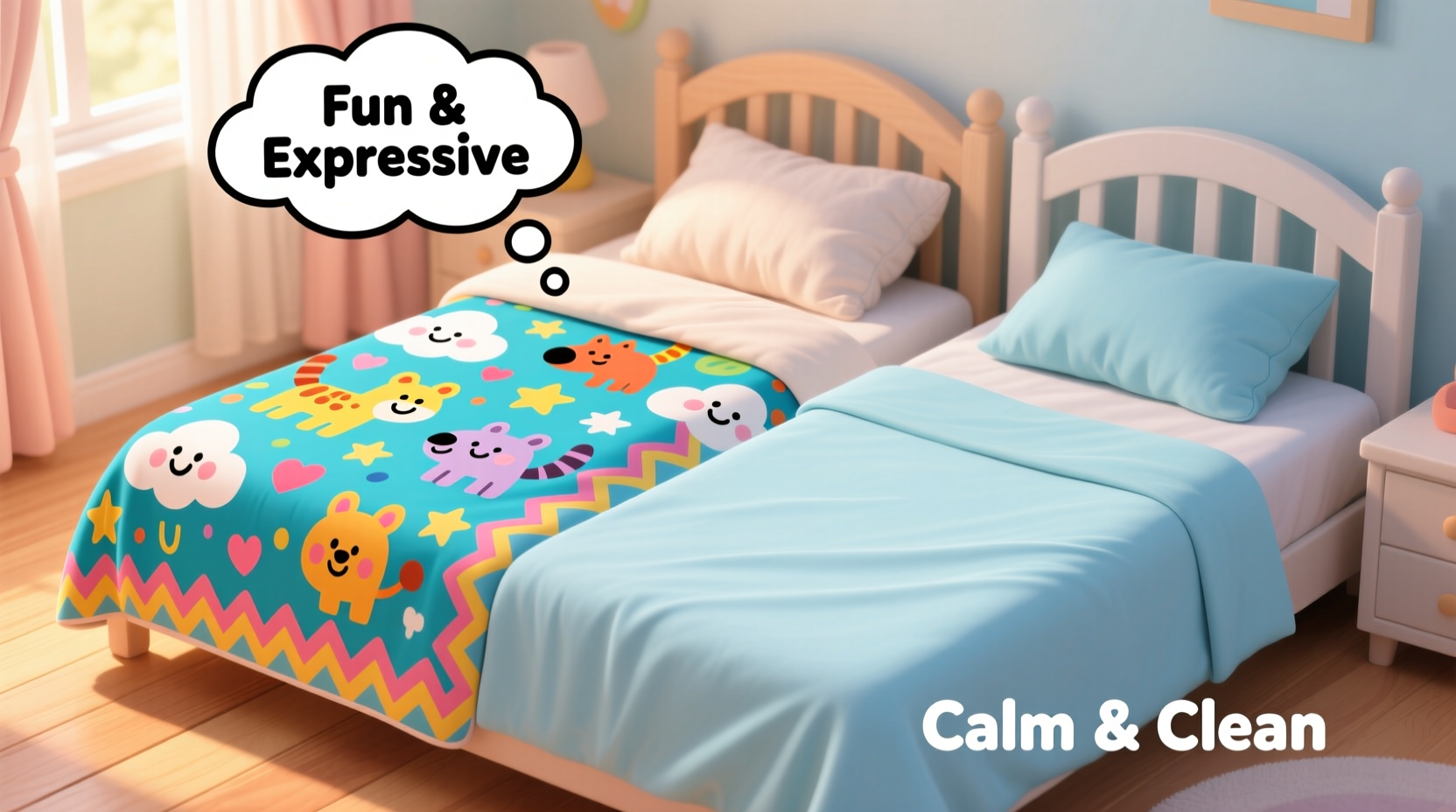
Cartoon bedding—featuring characters from popular animated shows, movies, or original illustrations—is especially popular in children’s rooms. Its appeal lies in emotional connection. For kids, sleeping under a duvet covered in their favorite superhero or animated animal can make bedtime less intimidating and more exciting.
Designers note that themed bedding activates imagination. “Children project themselves into the worlds they see around them,” says Dr. Lena Torres, child psychologist and author of *Spaces That Raise Happy Kids*. “A bed covered in space explorers or underwater creatures doesn’t just look fun—it encourages storytelling and eases transitions like naps or sleeping alone.”
For adults, cartoon bedding has also seen a resurgence as part of the ‘playful minimalism’ trend. Think subtle retro anime prints or vintage Looney Tunes motifs used ironically or nostalgically. In these cases, the print becomes a conversation piece rather than a childish choice.
The Case for Solid-Colored Bedding
Solid bedding remains a staple in high-end interiors and minimalist homes for good reason. Its strength lies in adaptability. A well-chosen shade—like deep navy, warm oat, or soft charcoal—can anchor a room’s color scheme, work across seasons, and transition seamlessly between design styles.
From a practical standpoint, solid colors are easier to coordinate. You don’t need to match specific hues from a busy print when layering throw pillows or blankets. This makes styling simpler and more flexible over time.
Additionally, solid bedding tends to age more gracefully. Faded prints can look dated or worn, while a slightly faded solid tone often retains its sophistication. As interior designer Marcus Bell explains: “A white-on-white textured linen duvet will still feel luxurious after five years. A once-bright SpongeBob sheet set? Not so much.”
Comparing Longevity and Maintenance
Durability is where the differences become tangible. Most cartoon bedding uses reactive printing techniques on cotton or polyester blends. Over time, repeated washing causes ink to crack or fade—especially with cheaper dyes. High-heat drying accelerates this process.
Solid-colored bedding, particularly those dyed with pigment or fiber-reactive methods, generally withstands laundering better. Darker solids may bleed initially, but they maintain consistency longer. Light neutrals show stains more easily, but don’t suffer from pattern distortion.
| Feature | Cartoon Bedding | Solid Bedding |
|---|---|---|
| Wash Durability | Moderate (prints fade over time) | High (color holds longer) |
| Stain Visibility | Lower (patterns hide spills) | Higher (especially light colors) |
| Style Longevity | Short-term (trend-dependent) | Long-term (timeless) |
| Coordination Ease | Challenging (must match themes) | Easy (works with any accent) |
| Emotional Impact | High (personal, joyful) | Moderate (calm, neutral) |
“Printed bedding should be treated like seasonal fashion—fun while it lasts, but not built for decades.” — Simone Reed, Textile Curator at HomeFabric Archive
A Real-Life Scenario: The Thompson Family’s Dilemma
The Thompsons recently redecorated their 7-year-old daughter Mia’s bedroom. They wanted it to feel magical but weren’t sure how long she’d love her current obsession: unicorns and rainbows. They bought a vibrant cartoon duvet set featuring glittery ponies and rainbow clouds.
At first, Mia adored it. She hugged the pillowcases and asked to keep the lights on just to look at the ceiling reflection of the print. But within eight months, her interests shifted to dinosaurs. The unicorn bedding now feels out of place. The parents face a choice: replace it (adding cost and waste) or let it linger until it wears out.
In contrast, their guest room uses solid sage-green bedding. It’s been in rotation for three years, surviving countless visitors, pet accidents, and sun exposure. It still looks fresh and welcoming. The simplicity made it resilient—not just physically, but stylistically.
This example highlights a key insight: fun prints deliver immediate emotional payoff but come with a shorter shelf life, both in relevance and wear.
When to Choose Cartoon Bedding (and When to Avoid It)
Fun prints aren’t inherently bad—they’re situational. Here’s a checklist to help you decide if cartoon bedding is right for your situation:
- You’re decorating a child’s room and want to boost bedtime enthusiasm.
- The theme aligns with a long-standing interest (e.g., a lifelong dinosaur lover).
- You’re using it as an accent (like one printed pillow) rather than full coverage.
- You’re okay with replacing it every 1–2 years.
- You’re embracing nostalgia in an adult space (e.g., vintage Disney prints in a den).
On the flip side, avoid cartoon bedding if:
- You prioritize low-maintenance, timeless interiors.
- The user’s tastes change frequently (common in young children).
- You plan to pass bedding down to siblings or resell.
- You’re aiming for a calming, restful atmosphere (e.g., master bedroom).
Blending Both Worlds: A Balanced Approach
You don’t have to choose sides. Many modern bedrooms successfully combine the best of both. Use solid-colored sheets and duvets as a base, then add cartoon-themed accessories—throw pillows, a bed runner, or a character-shaped nightlight.
This strategy gives you the emotional pop of fun prints without committing the entire bed to a fleeting trend. When interests change, swapping a $15 pillow is far easier than replacing a $120 comforter set.
“Think of bedding like a wardrobe: basics form the foundation, and prints are your statement jewelry.” — Nadia Cho, Interior Stylist
FAQ
Can I mix cartoon and solid bedding?
Absolutely. Pair a solid duvet cover with printed shams or a themed blanket folded at the foot of the bed. This keeps the look cohesive while allowing for fun accents.
Do cartoon sheets damage more easily than solid ones?
Not necessarily in fabric strength, but the print itself degrades faster. The material may last, but the design fades, making it look worn even if it’s functional.
Is solid bedding boring for kids?
Not if styled well. Add colorful blankets, wall art, or themed rugs instead. A solid bed can be a blank canvas for creativity elsewhere in the room.
Step-by-Step Guide: Choosing the Right Bedding Style
- Assess the room’s primary user. Is it a toddler, teen, guest, or adult? Age and preferences matter.
- Determine how long you plan to keep the set. Short-term = fun print; long-term = solid.
- Evaluate your laundry habits. Frequent hot washes? Go solid. Gentle cycles? Prints may survive longer.
- Consider room lighting and size. Busy prints can overwhelm small or dim spaces.
- Test coordination. Lay swatches next to existing furniture and walls. Does the print clash or complement?
- Decide on budget. If replacing often, opt for affordable prints. For investment pieces, choose high-quality solids.
Conclusion
So, is a fun print worth it—or is simple better? The truth is both have merit. Cartoon bedding brings joy, identity, and engagement, especially for children and expressive spaces. But solid bedding offers endurance, elegance, and ease, making it ideal for serene environments and lasting interiors.
The smartest choice isn’t picking one over the other—it’s knowing when to use each. By balancing emotional appeal with practical needs, you create a bedroom that’s not only beautiful today but sustainable tomorrow.




 浙公网安备
33010002000092号
浙公网安备
33010002000092号 浙B2-20120091-4
Comments
No comments yet. Why don't you start the discussion?