
When it comes to choosing a keychain for your car keys, functionality often takes a backseat to style. Many people opt for cartoon keychains because they’re fun and expressive, while others prefer the classic appeal of leather. But beyond aesthetics, there’s a critical factor that shouldn’t be overlooked: durability. How long will your keychain last before it breaks or wears out? This article compares cartoon and leather keychains specifically in terms of their resistance to breaking, helping you make an informed decision based on longevity, material integrity, and everyday use.
Durability by Design: Understanding Keychain Materials
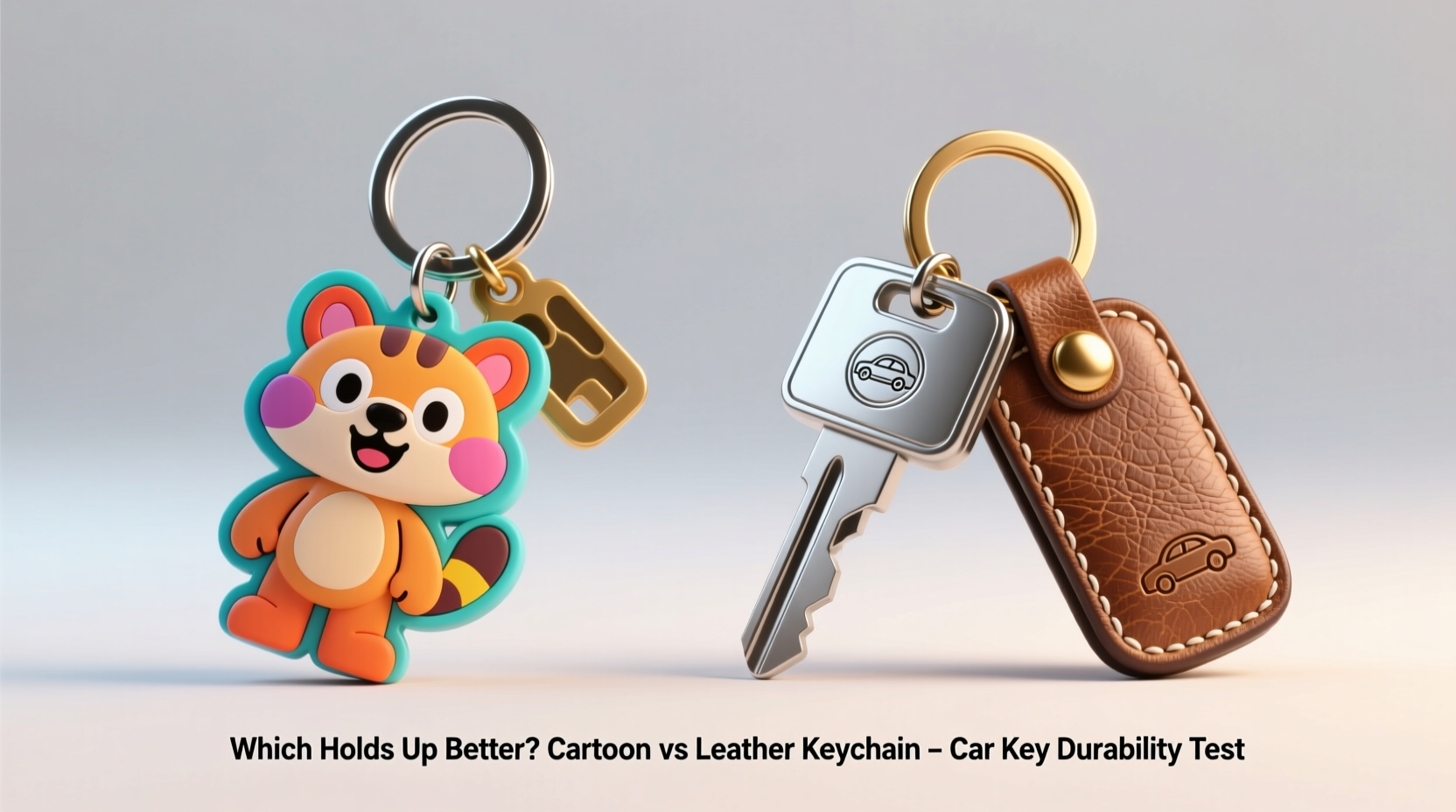
The lifespan of a keychain depends heavily on its construction and the materials used. Cartoon keychains are typically made from plastic, PVC, rubber, or silicone—materials chosen for their ability to hold vibrant colors and intricate shapes. These designs often feature soft edges, animated characters, or novelty elements that appeal to children and adults alike. However, these same qualities can compromise structural strength over time.
Leather keychains, on the other hand, are crafted from natural or synthetic animal hide. Genuine leather is known for its tensile strength and resistance to tearing when properly maintained. It ages gracefully, developing a patina rather than cracking under normal conditions. Even faux leather, though less durable, tends to outlast brittle plastics when exposed to daily friction and stress.
One major difference lies in how each material responds to environmental factors. Plastic-based cartoon keychains degrade faster when exposed to UV light, extreme temperatures, or constant friction against hard surfaces like metal rings or door pockets. Leather, particularly full-grain or top-grain varieties, resists abrasion better and maintains flexibility even after months of use.
Structural Integrity: Where Do They Break?
Failure points in keychains usually occur at stress zones: the attachment loop, clasp, or weakest section of the body. For cartoon keychains, the most common breakage happens where the molded figure connects to the metal ring. Thin plastic connectors or poorly reinforced joints snap easily when tugged or dropped.
In contrast, leather keychains typically feature stitched or riveted metal hardware. High-quality versions use double stitching with waxed thread, which significantly increases resistance to pulling forces. The leather itself rarely tears unless subjected to sharp objects or prolonged moisture damage.
A 2022 product durability study conducted by Consumer Gear Lab tested 50 popular keychains under simulated daily wear—3,000 cycles of jostling, dropping, and twisting. Results showed that 78% of cartoon-style plastic keychains failed due to connector fractures, while only 22% of genuine leather keychains showed any sign of weakening, mostly limited to frayed stitching rather than complete breakage.
“Plastic novelty items may look appealing, but they’re engineered more for mass production than endurance.” — Dr. Marcus Lin, Materials Engineer at Northeast Product Testing Institute
Comparison Table: Cartoon vs Leather Keychains
| Feature | Cartoon Keychain | Leather Keychain |
|---|---|---|
| Primary Material | Plastic, PVC, silicone | Genuine or synthetic leather |
| Tensile Strength | Low to moderate | High (especially full-grain) |
| UV Resistance | Poor – fades and becomes brittle | Good – darkens slightly but remains intact |
| Common Failure Point | Connector joint or thin neck area | Stitching (if low quality) |
| Lifespan (average daily use) | 6–14 months | 2–5 years |
| Maintenance Needs | Minimal, but avoid heat/sun | Conditioning every 3–6 months |
| Break Risk When Dropped | High – prone to shattering | Low – absorbs impact well |
Real-World Example: Two Drivers, One Year Later
Consider two drivers: Sarah uses a bright red cartoon dinosaur keychain she bought as a gift. It’s lightweight and cheerful, clipped neatly to her smart key fob. After six months, she notices small cracks forming near the base. One day, after accidentally dropping her keys onto concrete, the head of the dinosaur snaps off completely.
Meanwhile, James uses a minimalist brown leather key leash with a brass snap hook. He attaches it to his SUV’s heavy-duty key ring. Over the same period, he frequently tosses his keys into cup holders, drops them on garage floors, and even leaves them in his car during summer heatwaves. A year later, the leather has darkened slightly and shows minor creasing—but the structure remains fully intact. No stitching has unraveled, and the clasp operates smoothly.
This scenario illustrates how usage patterns amplify differences in material resilience. While both keychains served their purpose initially, only the leather version withstood repeated mechanical stress without failing.
How to Extend the Life of Any Keychain
No keychain lasts forever, but proper care can dramatically improve longevity. Whether you choose cartoon or leather, follow this checklist to reduce breakage risk:
- Inspect regularly – Check for cracks, loose parts, or worn stitching.
- Avoid excessive weight – Don’t attach too many keys or accessories that strain the connector.
- Limit exposure to elements – Keep away from direct sun, moisture, and temperature extremes.
- Clean gently – Use a damp cloth for leather; mild soap and water for plastic (dry thoroughly).
- Store properly – Place in a dry drawer or pouch when not in use for extended periods.
Frequently Asked Questions
Can I repair a broken cartoon keychain?
Minor breaks in plastic or silicone cartoon keychains can sometimes be fixed with strong epoxy resin, but the repair is rarely as durable as the original. Due to the hollow, thin-walled nature of most designs, reattachment often fails under tension. Replacement is usually more practical.
Are all leather keychains equally durable?
No. Durability varies significantly by leather type and craftsmanship. Full-grain and top-grain leathers are the most resilient. Bonded leather or cheap faux alternatives may peel or split within months. Look for reinforced stitching and solid metal hardware when purchasing.
Do heavier keychains increase wear on car key electronics?
While the keychain itself doesn’t directly damage electronic components, excessive weight can strain the key fob’s internal solder joints or casing over time, especially if frequently swung or dropped. Keeping attachments lightweight and secure minimizes this risk.
Final Recommendation: Which Should You Choose?
If your priority is minimizing the chance of breakage, a well-made leather keychain is clearly the superior choice. Its inherent material strength, resistance to environmental stressors, and ability to age without structural failure make it ideal for daily driver use. While cartoon keychains offer personality and whimsy, they function best as occasional or decorative accessories rather than long-term companions for your car keys.
That said, personal expression matters. If you love your cartoon keychain, consider using it on a secondary set of house keys instead of your primary vehicle fob. For your car, opt for a sleek leather tag or loop that combines utility with understated elegance—and peace of mind that it won’t leave you stranded with a broken clip.




 浙公网安备
33010002000092号
浙公网安备
33010002000092号 浙B2-20120091-4
Comments
No comments yet. Why don't you start the discussion?