
For many cat owners, seeing their feline companion leap with joy, roll ecstatically, or simply relax in contentment is a daily reward. Two popular plant-based options—cat grass and catnip—are often used to enhance feline happiness and mental stimulation. While both are safe and widely available, they serve different purposes and affect cats in distinct ways. Understanding the differences between cat grass and catnip can help you make informed choices that support your cat’s long-term health and emotional well-being.
Catnip (Nepeta cataria) is known for its intoxicating effect on cats, triggering playful or even euphoric behavior in many. Cat grass, typically a blend of oats, barley, rye, or wheat, offers digestive and nutritional benefits. But when it comes to sustained happiness and overall enrichment, which option truly delivers more lasting satisfaction? Let’s explore the science, benefits, and practical applications of each to determine what works best for your cat.
Understanding Catnip: The Feline Euphoria Trigger
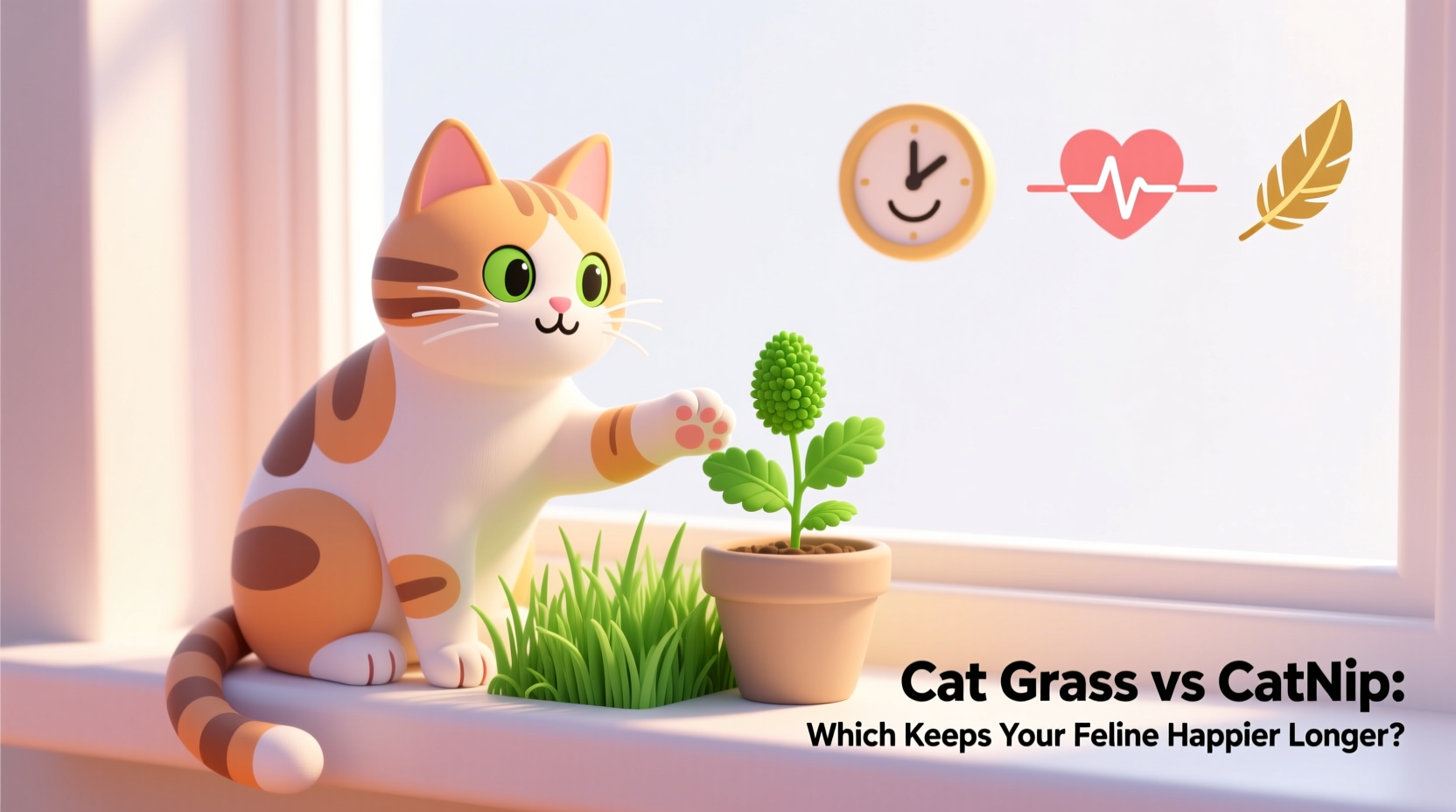
Catnip is a member of the mint family and contains a volatile oil called nepetalactone. When inhaled, this compound binds to receptors in a cat’s nasal tissue, stimulating neurons in the brain that influence mood and behavior. The result? A temporary but often dramatic shift in demeanor—rolling, rubbing, purring, hyperactivity, or zoning out in bliss.
The effects usually last between 5 and 15 minutes. Afterward, cats become temporarily immune to catnip for about 30 minutes to an hour. Interestingly, not all cats respond to catnip—sensitivity is genetic. Studies suggest that only about 50–70% of cats are affected by it. Kittens under six months and senior cats are less likely to react.
Catnip is most effective as a short-term enrichment tool. It excels at encouraging play, reducing stress during transitions, or motivating shy cats to interact with toys. However, because the high is brief and not universally experienced, its ability to provide long-term happiness is limited.
What Is Cat Grass? Nature’s Digestive Aid
Cat grass isn’t a single species but typically refers to young cereal grasses grown from seeds like wheat, oat, barley, or rye. Unlike catnip, cat grass doesn’t produce psychoactive effects. Instead, it supports physical health and satisfies instinctual behaviors.
Cats in the wild often consume grass to aid digestion, help expel hairballs, and obtain trace nutrients such as folic acid. Domestic cats retain this instinct, which is why many will nibble on houseplants—or your lawn—if given the chance. Providing cat grass gives them a safe, controlled outlet for this natural urge.
Nutritionally, cat grass contains chlorophyll, fiber, and certain vitamins that support gut motility and overall wellness. Regular access to cat grass can reduce vomiting from indigestion, decrease carpet chewing, and offer a calming routine activity. Because it’s non-psychoactive, cats can enjoy it daily without habituation or overstimulation.
“While catnip provides a fun burst of excitement, cat grass contributes to a cat’s baseline comfort and digestive health—both important components of long-term happiness.” — Dr. Lena Torres, Feline Behavior Specialist
Comparing Effects: Short-Term Thrills vs. Long-Term Contentment
To determine which plant keeps cats happier longer, it helps to distinguish between momentary excitement and sustained well-being. Catnip delivers the former; cat grass supports the latter.
Think of catnip as the “treat” of the feline world—a delightful indulgence that brings joy in bursts. Cat grass, on the other hand, functions more like a daily wellness supplement. It doesn’t cause euphoria, but its consistent availability promotes routine, reduces anxiety-related chewing, and supports physical comfort.
A cat that regularly nibbles on grass may appear calmer, experience fewer digestive upsets, and show less destructive behavior. These subtle benefits accumulate over time, contributing to a higher quality of life. In contrast, while catnip sessions are fun, their impact fades quickly, and repeated exposure without breaks can lead to desensitization.
Key Differences at a Glance
| Feature | Catnip | Cat Grass |
|---|---|---|
| Active Compound | Nepetalactone | Fiber, chlorophyll, folic acid |
| Effect Duration | 5–15 minutes | Ongoing, daily use |
| Cat Response Rate | 50–70% | Nearly 100% |
| Purpose | Behavioral stimulation, play encouragement | Digestive aid, instinct fulfillment |
| Safety of Daily Use | Limited (risk of overexposure) | Safe and recommended |
| Long-Term Impact | Short-lived excitement | Improved digestion, reduced stress |
Real-World Example: How One Household Balanced Both
Sarah, a cat owner from Portland, noticed her two cats exhibited very different behaviors. Milo, a 3-year-old tabby, went wild for catnip—chasing toys with renewed energy after just a sniff. Luna, a 7-year-old rescue, ignored catnip entirely but would spend minutes each day gently chewing on the oat grass Sarah grew on her windowsill.
Initially, Sarah focused on catnip, thinking it was the key to feline fun. But she observed that Luna seemed restless and occasionally vomited undigested fur. After introducing cat grass consistently, Luna’s vomiting decreased, and she appeared more relaxed. Milo still enjoyed weekly catnip play sessions, but Sarah realized that daily access to grass benefited both cats—regardless of their response to catnip.
This case illustrates a crucial point: happiness isn’t just about excitement. For some cats, peace and physical comfort are equally vital. By offering both options, Sarah created a more balanced environment that addressed both immediate stimulation and long-term well-being.
How to Use Cat Grass and Catnip Effectively
Maximizing the benefits of both plants requires thoughtful use. Here’s a step-by-step guide to integrating them into your cat’s routine:
- Start with cat grass for daily access. Grow a small tray indoors using organic seeds. Place it in a sunny spot and keep the soil lightly moist. Replace every 1–2 weeks as it yellows.
- Introduce catnip sparingly. Offer dried catnip or a catnip-stuffed toy once or twice a week. Observe your cat’s reaction and avoid overuse.
- Rotate varieties. Try different grass types (wheatgrass, oat grass) or alternative herbs like silver vine for cats unresponsive to catnip.
- Monitor behavior and digestion. Note any changes in appetite, vomiting frequency, or activity levels after introducing either plant.
- Keep cat grass pesticide-free. Never allow your cat to eat grass from lawns treated with chemicals.
Common Mistakes to Avoid
- Using catnip daily, leading to diminished response.
- Confusing toxic houseplants with safe cat grass.
- Letting cat grass grow too long or moldy before replacing.
- Assuming all cats should love catnip—many don’t, and that’s okay.
- Overlooking the importance of fresh water and diet when addressing digestive issues.
Your Cat’s Happiness Toolkit: A Practical Checklist
Use this checklist to ensure you’re supporting your cat’s emotional and physical health through smart plant use:
- ✅ Grow fresh cat grass every 1–2 weeks
- ✅ Limit catnip to 1–2 times per week
- ✅ Watch for signs of allergies (excessive sneezing, drooling)
- ✅ Provide multiple grass trays if you have more than one cat
- ✅ Store dried catnip in an airtight container away from light
- ✅ Replace yellowed or wilted grass promptly
- ✅ Consult your vet if your cat vomits frequently despite grass access
Frequently Asked Questions
Is cat grass the same as catnip?
No. Cat grass refers to edible cereal grasses like wheat or oat, grown for digestion and nutrition. Catnip is a mint-family herb that triggers behavioral responses due to nepetalactone. They are different plants with different purposes.
Can I give my cat too much cat grass?
It’s unlikely. Most cats self-regulate their intake. However, overly long or moldy grass can cause stomach upset. Replace trays regularly and avoid chemical fertilizers.
Why doesn’t my cat react to catnip?
Genetics determine catnip sensitivity. Kittens, seniors, and about 30–50% of adult cats don’t respond. This is normal. Try silver vine or valerian root as alternatives.
Which Keeps Cats Happier Longer? The Verdict
When evaluating long-term happiness, cat grass holds a clear advantage. While catnip offers thrilling moments, its effects are fleeting and not universally experienced. Cat grass, in contrast, supports daily comfort, aids digestion, and fulfills a natural instinct—contributing to a stable, contented state over time.
The ideal approach isn’t choosing one over the other, but combining both strategically. Use catnip as an occasional enrichment tool to spark play and bonding. Make cat grass a staple in your home to promote ongoing wellness. Together, they create a holistic environment where your cat feels both stimulated and secure.
Happiness in cats isn’t just about excitement—it’s about balance. A cat that feels physically well, has outlets for natural behaviors, and experiences variety in enrichment is more likely to be genuinely happy, day after day.




 浙公网安备
33010002000092号
浙公网安备
33010002000092号 浙B2-20120091-4
Comments
No comments yet. Why don't you start the discussion?