
Watching your cat struggle to gain weight can be concerning, especially if they appear healthy otherwise. While some cats naturally maintain a lean frame, consistent failure to gain or maintain weight may signal underlying health issues, dietary imbalances, or environmental stressors. Understanding the root causes and knowing how to respond is essential for any responsible pet owner. This guide explores common reasons why cats don’t gain weight and provides actionable steps to support healthy growth and well-being.
Common Medical Reasons for Poor Weight Gain
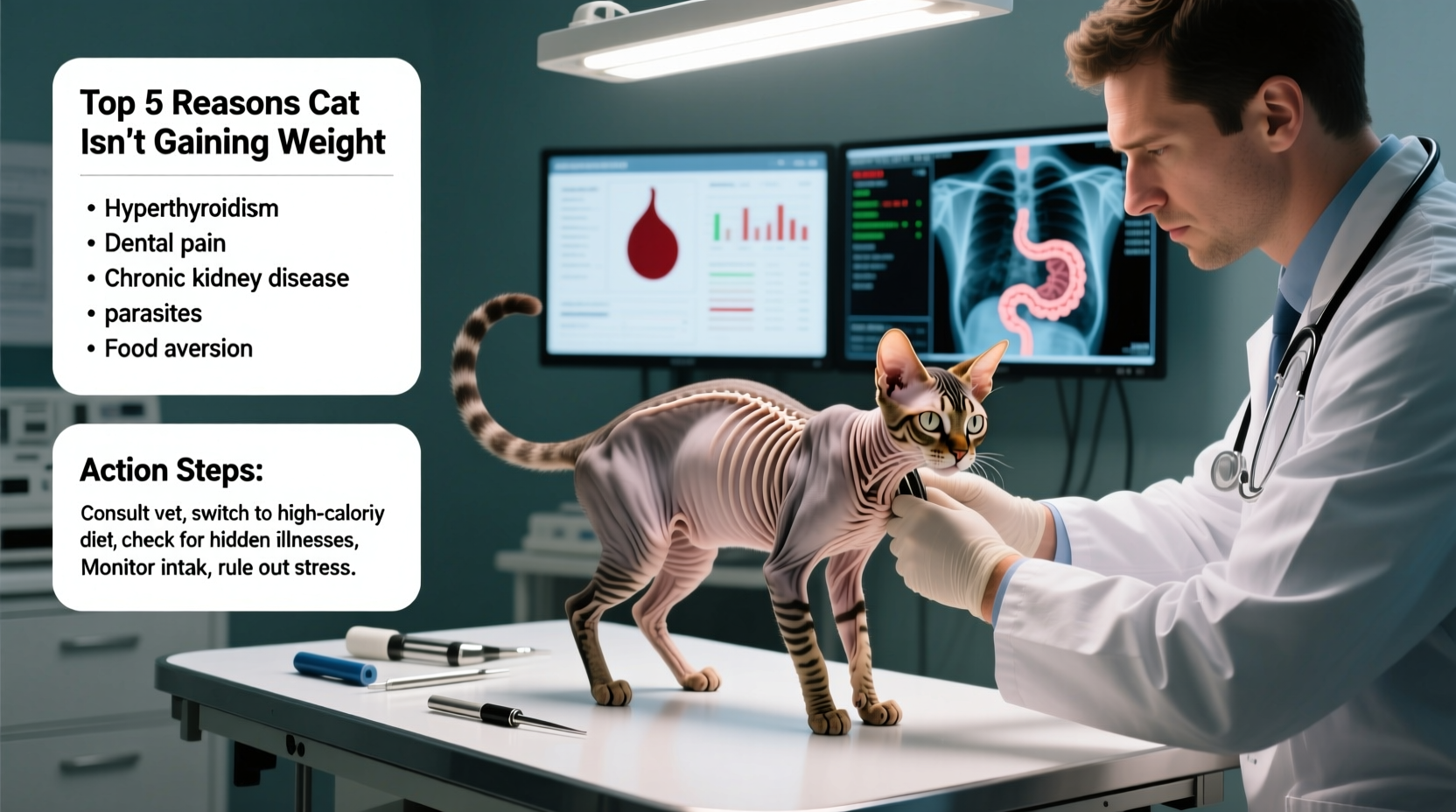
Cats that eat regularly but still fail to gain weight often have undiagnosed medical conditions. Several health issues interfere with nutrient absorption, metabolism, or appetite regulation.
- Parasites: Intestinal worms like roundworms or tapeworms consume nutrients meant for your cat, leading to malnutrition despite adequate food intake.
- Dental Disease: Painful teeth or gum infections make chewing difficult, reducing food consumption even when hunger is present.
- Hyperthyroidism: Common in older cats, this condition speeds up metabolism, causing weight loss despite increased appetite.
- Diabetes: Impaired glucose regulation affects energy storage and muscle mass, often resulting in weight loss.
- Gastrointestinal Disorders: Conditions such as inflammatory bowel disease (IBD) or chronic pancreatitis hinder digestion and nutrient absorption.
- Kidney Disease: Early stages may not show obvious symptoms, but poor appetite and metabolic imbalance contribute to weight stagnation.
“Persistent lack of weight gain in a cat eating normally should never be ignored. It’s one of the earliest signs of systemic illness.” — Dr. Lena Reyes, DVM, Feline Internal Medicine Specialist
Nutritional Factors Affecting Weight Gain
Diet plays a central role in a cat's ability to gain and sustain weight. Cats are obligate carnivores, meaning they require high levels of animal-based protein and specific nutrients like taurine, arachidonic acid, and vitamin A.
Low-quality commercial foods filled with fillers (e.g., corn, soy, by-products) offer little nutritional value. These ingredients provide calories without the essential amino acids needed for muscle development and metabolic function.
Additionally, feeding only dry kibble may not meet caloric needs. Dry food is less energy-dense than wet food and lacks moisture, which can subtly affect hydration and digestion over time.
| Diet Type | Calories per 100g | Protein Quality | Suitable for Weight Gain? |
|---|---|---|---|
| Low-cost dry kibble | 300–350 kcal | Plant-based fillers | No |
| Premium dry food | 380–420 kcal | Moderate animal protein | Limited |
| Wet canned food (grain-free) | 80–100 kcal | High animal protein | Yes (higher volume needed) |
| High-calorie veterinary diets | 120–150 kcal | Optimal digestibility | Yes |
Choosing the Right Food
Look for wet or semi-moist foods where meat (chicken, turkey, beef, or fish) is listed as the first ingredient. Avoid products with unnamed “meat meals” or excessive carbohydrates. For underweight cats, consider calorie-dense prescription diets formulated for recovery, available through veterinarians.
Environmental and Behavioral Influences
Even with proper nutrition and no medical issues, a cat may not gain weight due to stress or competition. Multi-cat households often involve subtle dominance behaviors where one cat restricts another’s access to food.
Cats are sensitive to changes in routine, new pets, loud noises, or unfamiliar people. Chronic stress suppresses appetite and increases cortisol levels, which can break down muscle tissue and inhibit weight gain.
Mini Case Study: Bella the Shy Cat
Bella, a 3-year-old domestic shorthair, lived with two more dominant cats. Despite eating from the same bowls, she remained underweight. Her owner noticed she only approached food when the others were absent. After separating meal times and providing elevated feeding stations, Bella began eating consistently and gained 0.8 lbs over eight weeks—without any dietary change.
Step-by-Step Plan to Help Your Cat Gain Weight
If your cat is not gaining weight, follow this structured approach to identify and resolve the issue:
- Monitor Food Intake: Track how much your cat eats daily using measuring cups or a kitchen scale.
- Switch to High-Calorie, High-Protein Food: Transition gradually to a premium wet food or recovery formula over 5–7 days.
- Feed Multiple Small Meals: Offer 4–6 small portions throughout the day to boost total caloric intake.
- Add Calorie Boosters: Mix in tuna juice (in moderation), cooked egg yolk, or vet-approved nutritional supplements like Nutri-Cal.
- Schedule a Vet Visit: Request bloodwork, urinalysis, fecal exam, and thyroid testing to rule out medical causes.
- Reduce Stress: Use pheromone diffusers (e.g., Feliway), provide hiding spots, and maintain a consistent routine.
- Reassess Monthly: Weigh your cat weekly using the same scale and record progress.
Essential Checklist for Underweight Cats
- ✅ Rule out parasites with a fecal test
- ✅ Check teeth and gums for disease
- ✅ Confirm accurate portion sizes
- ✅ Eliminate food competition
- ✅ Switch to high-protein wet food
- ✅ Monitor daily appetite and stool quality
- ✅ Consult vet if no improvement in 3–4 weeks
Frequently Asked Questions
Why is my cat always hungry but not gaining weight?
A constant appetite with no weight gain strongly suggests a medical issue such as hyperthyroidism, diabetes, or intestinal parasites. These conditions increase metabolic rate or block nutrient absorption. Immediate veterinary evaluation is recommended.
How many calories does an underweight cat need?
An underweight adult cat typically requires 60–80 kcal per kilogram of body weight per day to gain weight safely. For example, a 3 kg (6.6 lb) cat may need 180–240 kcal daily. Severely underweight cats might need higher amounts under veterinary supervision.
Can I give my cat human food to help them gain weight?
Some human foods are safe in small amounts—like plain cooked chicken, turkey, or egg—but avoid seasoning, onions, garlic, or fatty meats. Never rely on human food as a primary diet. Stick to balanced cat-specific nutrition to prevent deficiencies.
When to Seek Veterinary Help
While gradual weight gain is expected over weeks, rapid weight loss, lethargy, vomiting, diarrhea, or visible ribs warrant immediate attention. Even subtle changes in behavior or grooming habits can indicate illness.
Veterinarians may recommend diagnostic imaging, endoscopy, or specialized diets depending on initial findings. Early intervention improves outcomes significantly, especially for conditions like kidney disease or cancer.
Conclusion: Take Action for Your Cat’s Health
A cat not gaining weight isn’t just a cosmetic concern—it’s a potential red flag for deeper health issues. Whether the cause is medical, dietary, or behavioral, timely action makes all the difference. Start by evaluating your cat’s diet, environment, and overall health. Partner with your veterinarian to run necessary tests and create a tailored plan. With patience and consistency, most cats can achieve a healthy weight and thrive for years to come.




 浙公网安备
33010002000092号
浙公网安备
33010002000092号 浙B2-20120091-4
Comments
No comments yet. Why don't you start the discussion?