
Introducing a new litter box should be a simple upgrade, but when your cat suddenly stops using it, the situation can become frustrating—and messy. Cats are creatures of habit, and even minor changes in their environment can disrupt their routine. A refusal to use a new litter box is rarely about defiance; it’s usually a signal that something isn’t right. Whether it's the location, texture, scent, or design, understanding the root cause is essential. This guide breaks down the most effective, veterinarian-backed strategies to help your cat accept the new litter box and restore peace in your home.
Why Cats Reject New Litter Boxes
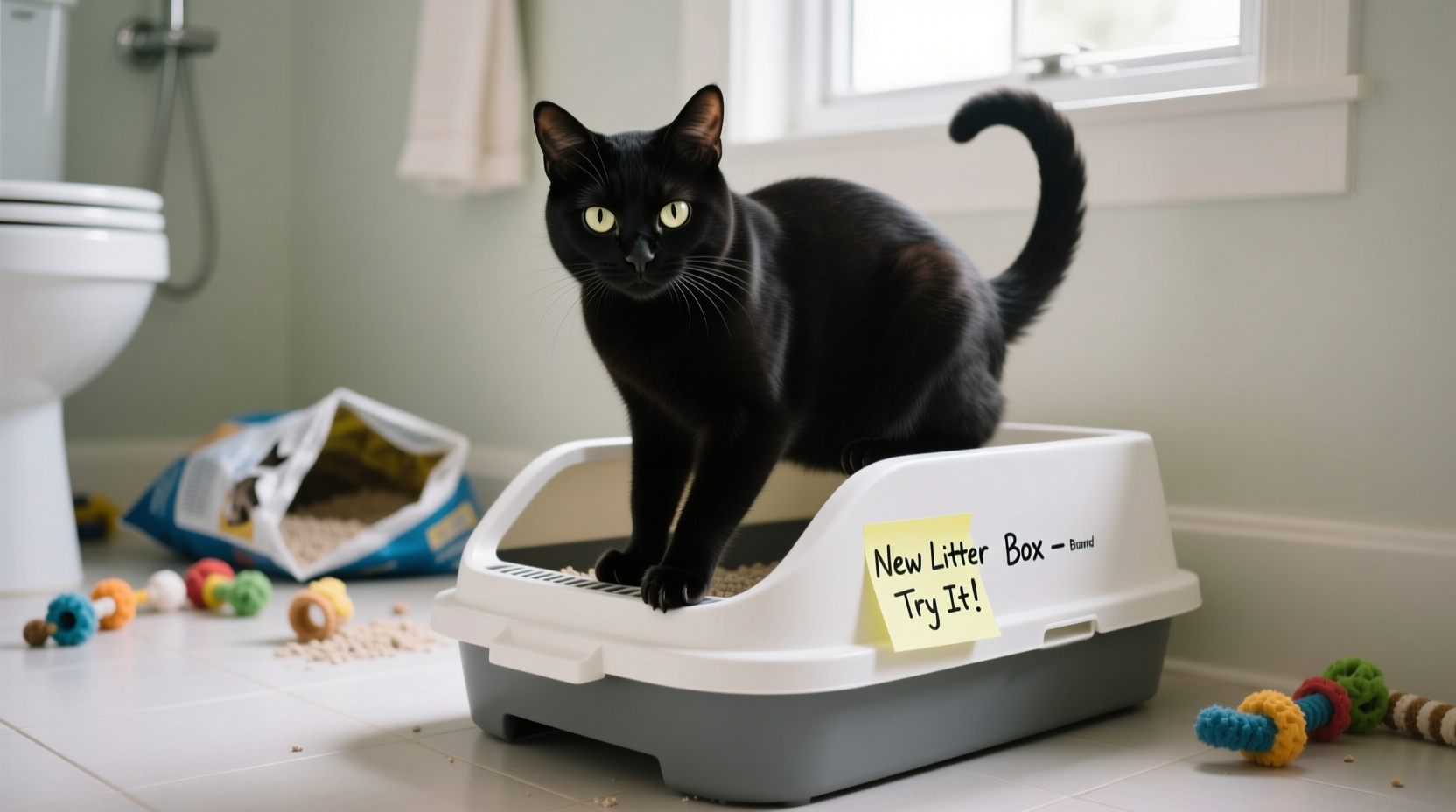
Cats rely heavily on instinct and sensory cues when choosing where to eliminate. Unlike humans, they don’t adapt quickly to changes in their toileting environment. The introduction of a new litter box can trigger stress, confusion, or discomfort—especially if multiple variables change at once. Common reasons include:
- Sudden change in location: Moving the box even a few feet can disorient your cat.
- Different litter texture: Switching from fine clay to crystal or coarse sand can feel unpleasant under sensitive paws.
- Unfamiliar smell: Residual odors from packaging or cleaning products may repel cats with strong noses.
- Box size or style: Covered boxes may trap odors; high walls can deter older or arthritic cats.
- Lack of privacy: High-traffic areas make cats feel exposed and vulnerable.
Dr. Linda Wilson, a feline behavior specialist, explains:
“Cats don’t misbehave out of spite. When a cat avoids the litter box, it’s communicating discomfort. Our job is to listen through observation and adjustment.” — Dr. Linda Wilson, DVM, Feline Behavior Consultant
Step-by-Step Guide to Transition Your Cat Successfully
Moving to a new litter box requires patience and a structured approach. Follow this timeline to minimize resistance and encourage acceptance.
- Keep the old box temporarily: Place the new box beside the old one. Let your cat investigate without pressure.
- Add familiar scent: Transfer a small amount of used litter from the old box into the new one to create continuity.
- Introduce gradually: Allow your cat to use either box for 3–5 days while monitoring preferences.
- Relocate slowly (if needed): If moving the box to a new room, shift it an inch per day toward the target location.
- Phase out the old box: Once consistent use of the new box is observed, remove the old one after a full week.
Choosing the Right Litter Box: Do’s and Don’ts
Not all litter boxes are created equal. The wrong choice can lead to immediate rejection. Use this table to evaluate your options and avoid common pitfalls.
| Factor | Do’s | Don’ts |
|---|---|---|
| Size | Length should be 1.5x your cat’s body length | Too small—cats need space to dig and turn around |
| Entry Height | Low sides for seniors or mobility issues | High rims that require jumping |
| Covered vs. Open | Offer both types if unsure; many prefer open | Assume all cats like covered boxes |
| Material | BPA-free plastic, easy to clean | Flimsy materials that warp or retain odors |
| Location | Quiet, accessible, away from appliances | Near loud washers, food bowls, or foot traffic |
Remember: if you have multiple cats, the general rule is one box per cat, plus one extra. This prevents competition and territorial avoidance.
Common Mistakes That Sabotage Success
Even well-meaning owners often unknowingly create barriers to adoption. These errors are more common than you think:
- Cleaning with strong chemicals: Ammonia-based cleaners mimic urine odor and confuse cats. Use mild soap and water or enzymatic cleaners.
- Changing litter and box simultaneously: Introduce only one variable at a time. Wait 5–7 days before switching litter type.
- Ignoring past trauma: If your cat had a negative experience (e.g., being startled while using the box), it may associate the new setup with fear.
- Over-scrubbing: A completely sterile box smells unnatural. A faint trace of clean litter scent is better than no scent at all.
Real-Life Example: Bella’s Litter Box Resistance
Sarah adopted a 3-year-old rescue cat named Bella who consistently avoided her new top-entry litter box. Despite placing it in a quiet hallway and using premium clumping litter, Bella began eliminating behind the couch. Concerned, Sarah consulted a veterinary behaviorist.
The evaluation revealed two key issues: First, Bella had arthritis in her hips, making the high entry painful. Second, the covered box trapped odors, creating an unpleasant atmosphere. The solution? Sarah replaced the box with a low-entry, open-topped model and moved it to a carpeted corner with natural light.
She also added a pheromone diffuser nearby to reduce anxiety. Within three days, Bella was using the new box consistently. “I thought I was doing everything right,” Sarah said. “But I hadn’t considered how she physically felt using it.”
Checklist: Troubleshooting Your Cat’s Litter Box Refusal
Use this actionable checklist to identify and fix the issue efficiently:
- ✅ Is the box large enough for your cat to move comfortably?
- ✅ Are the sides too high for easy access?
- ✅ Is the location quiet and free from sudden noises?
- ✅ Have you introduced the new box gradually?
- ✅ Is the litter type identical to the previous one?
- ✅ Have you cleaned the box with pet-safe, unscented products?
- ✅ Are there enough boxes for the number of cats in the home?
- ✅ Have you ruled out medical issues with a vet visit?
- ✅ Is the box scooped daily and fully changed weekly?
- ✅ Have you added positive reinforcement near the box?
If every item is checked and your cat still refuses the box, consider reintroducing the old one temporarily while adjusting variables one at a time.
When Medical Issues Are the Real Cause
Before assuming behavioral resistance, rule out health problems. Urinary tract infections, bladder stones, arthritis, or gastrointestinal discomfort can make using the litter box painful. Signs that indicate a medical issue include:
- Straining or crying while urinating
- Frequent trips to the box with little output
- Blood in urine or stool
- Licking the genital area excessively
- Sudden onset of accidents despite prior reliability
A veterinary exam—including urinalysis and possibly X-rays—is crucial. Never punish a cat for inappropriate elimination; it worsens anxiety and delays diagnosis.
FAQ: Common Questions About Litter Box Transitions
How long should I give my cat to adjust to a new litter box?
Most cats adapt within 3 to 7 days if the transition is gradual and stress-free. If resistance lasts beyond 10 days, reassess placement, litter type, and potential medical causes.
Can I force my cat to use the new box by confining them?
Short-term confinement in a small room with the new box can help, but only if the environment is calm and enriched. Never use isolation as punishment. Ensure food, water, toys, and comfort items are available.
Is it okay to mix old and new litter during the switch?
Yes. Begin with 75% old litter and 25% new. Over 7–10 days, gradually increase the proportion of new litter until fully transitioned. This minimizes sensory shock.
Final Tips for Long-Term Success
Sustaining litter box acceptance goes beyond the initial transition. Maintain consistency in cleaning, location, and litter type. Even after successful adoption, sudden changes in usage patterns warrant investigation. Cats thrive on predictability—respecting this need reduces stress and strengthens trust.
Consider using litter box mats to contain scatter, and schedule weekly inspections for wear, odor buildup, or mechanical issues (especially with self-cleaning models). For multi-cat households, stagger box locations to prevent guarding behavior.
“Litter box problems are one of the top reasons cats end up in shelters. But nearly all cases are solvable with empathy and precision.” — International Association of Animal Behavior Consultants (IAABC)
Conclusion: Take Action with Confidence
Your cat’s refusal to use a new litter box isn’t a lost cause—it’s a puzzle waiting to be solved. By addressing environmental factors, respecting feline instincts, and ruling out health concerns, you can guide your cat toward comfortable, consistent use. Start with one change at a time, observe closely, and remain patient. Small adjustments often yield big results.




 浙公网安备
33010002000092号
浙公网安备
33010002000092号 浙B2-20120091-4
Comments
No comments yet. Why don't you start the discussion?