
Cat owners often face the same frustrating scenario: a favorite sofa, gently worn by time and use, suddenly becomes a victim of sharp claws. The fabric is shredded, seams are frayed, and what was once a centerpiece of the living room now looks like it survived a feline war zone. While this behavior can be disheartening, it’s important to remember that scratching isn’t malicious—it’s instinctual. Cats don’t scratch out of spite; they do it because it fulfills biological, psychological, and territorial needs. Understanding the reasons behind the behavior is the first step toward solving it. More importantly, with patience, proper tools, and strategic redirection, you can teach your cat to leave the furniture alone and embrace a designated scratching post instead.
The Natural Instinct Behind Scratching
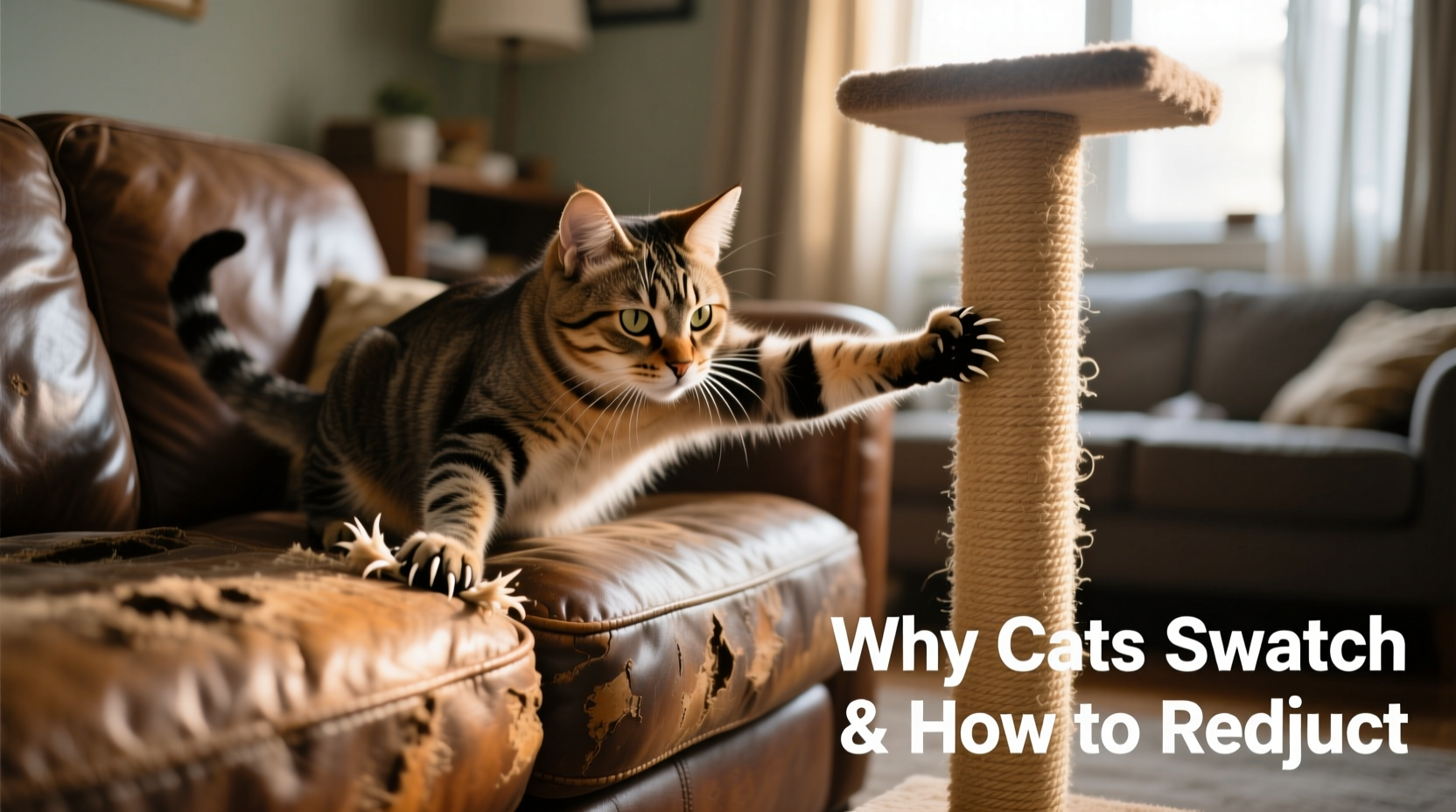
Scratching is hardwired into a cat’s DNA. Even domesticated cats, generations removed from their wild ancestors, retain behaviors essential for survival in the wild. When a cat scratches, they’re not just sharpening claws—they’re engaging in a complex set of actions that serve multiple purposes:
- Claw maintenance: Cats shed the outer layers of their claws through repeated scratching, keeping them sharp and functional.
- Muscle and joint conditioning: The stretching motion involved in scratching helps maintain flexibility and strength in the shoulders and back.
- Scent marking: Cats have scent glands in their paws. Each scratch deposits pheromones, signaling ownership and creating a sense of security.
- Emotional regulation: Scratching can relieve stress, anxiety, or excess energy—much like humans might pace or fidget when nervous.
- Territorial communication: Visible claw marks act as visual signals to other animals (real or perceived) that this space is claimed.
“Scratching isn’t bad behavior—it’s necessary behavior. The goal isn’t to stop it, but to guide it appropriately.” — Dr. Sarah Thompson, Feline Behavior Specialist
When a cat chooses your sofa over a scratching post, it’s rarely about preference for comfort alone. It’s about location, texture, stability, and habit. A post placed in a quiet corner may be ignored if the cat prefers high-traffic areas where they feel most visible and secure. Similarly, a flimsy cardboard tube won’t compete with a sturdy upholstered armrest that allows full-body stretching.
Why Sofas Are Irresistible to Cats
From a cat’s perspective, sofas offer several advantages that make them prime scratching targets:
- Height and stability: Sofas allow cats to stretch vertically or horizontally while maintaining balance—ideal for a full extension.
- Texture: Many upholstery fabrics, especially those with loops or weaves (like tweed or linen), mimic the feel of natural bark or tree trunks.
- Location: Sofas are often centrally located, making them ideal for scent marking in social spaces.
- Habit reinforcement: Once a cat scratches a spot successfully, scent and visual cues encourage repetition.
How to Redirect Scratching Behavior Effectively
Redirecting your cat doesn’t mean punishment—it means persuasion. The key is to make the scratching post more appealing than the sofa. This requires a combination of environmental adjustments, positive reinforcement, and consistency.
Step-by-Step Guide to Transition Your Cat
- Assess your current scratching post: Is it tall enough? Sturdy? Made of a material your cat likes? Replace or upgrade if necessary.
- Place the post near the sofa: Position it directly beside or in front of the targeted furniture so the cat can easily switch.
- Use catnip or silver vine: Sprinkle organic catnip on the post or rub silver vine on the surface to naturally attract interest.
- Encourage interaction: Gently guide your cat’s paws over the post or dangle a toy nearby to simulate scratching.
- Reward immediately: Give treats, praise, or playtime the moment your cat uses the post—even if briefly.
- Gradually move the post: Once consistent use begins, shift the post a few inches per day toward a more permanent location.
- Remove temptation: Cover the sofa with double-sided tape, plastic runners, or slipcovers during training.
This process can take days to weeks, depending on the cat’s age, personality, and history of reinforcement. Patience is critical—success comes from repetition, not force.
Choosing the Right Scratching Post: What Works and What Doesn’t
Not all scratching posts are created equal. Many commercially available options fail because they ignore feline preferences. Use the following table to evaluate options based on real-world effectiveness.
| Feature | Effective Choice | Ineffective Choice |
|---|---|---|
| Height | At least 30 inches tall (allows full stretch) | Short posts under 20 inches |
| Material | Sisal rope, corrugated cardboard, natural wood | Plush fabric or foam |
| Stability | Heavy base or wall-mounted | Wobbly or lightweight models |
| Orientation | Vertical, horizontal, or angled options | Only one orientation |
| Location | Near resting spots, windows, or entryways | Hidden in closets or basements |
Cats often prefer vertical scratching for territory marking and stretching, but some favor horizontal surfaces, especially for paw kneading. Offering variety increases acceptance. Consider investing in multi-level cat trees that combine scratching zones with lounging and hiding areas.
Real-Life Example: Redirecting Luna, a 3-Year-Old Tabby
Luna, a spirited tabby living in a downtown apartment, had been shredding the corner of her owner’s sectional for over a year. Despite deterrents like sprays and covers, she returned nightly. Her owner, Maria, consulted a certified cat behaviorist who identified two issues: the existing scratching post was too short and covered in soft fabric, and it was tucked behind a bookshelf—out of sight, out of mind.
The solution involved three steps:
- A 36-inch sisal-wrapped post was placed directly in front of the damaged sofa corner.
- Maria rubbed silver vine on the post and played with a feather wand above it each evening.
- The sofa corner was temporarily covered with a textured plastic runner (the kind used under rugs).
Within five days, Luna began using the post regularly. By week three, she consistently chose it over the sofa. After six weeks, the plastic cover was removed, and the post was gradually moved to a sunlit window nook—Luna’s new favorite hangout. Today, the sofa remains intact, and Luna has two additional posts in different rooms.
Common Mistakes That Undermine Success
Even well-intentioned efforts can fail due to common pitfalls:
- Using punishment: Hissing, spraying water, or yelling creates fear and damages trust without stopping the behavior.
- Placing posts in low-traffic areas: Cats mark where they spend time. A post in the basement won’t compete with a sofa in the living room.
- Ignoring texture preferences: Some cats hate sisal; others avoid cardboard. Observe what your cat naturally gravitates toward.
- Removing the post too soon: Training must be reinforced until the habit is fully established—typically 4–6 weeks.
- Having only one post: Experts recommend one scratching station per cat, plus one extra, distributed throughout the home.
Frequently Asked Questions
Can I completely stop my cat from scratching?
No—and you shouldn’t try. Scratching is a natural, healthy behavior. The goal is not elimination but redirection to appropriate surfaces.
My cat ignores the scratching post. What should I do?
Reevaluate the post’s height, stability, texture, and location. Try adding catnip, placing treats nearby, or attaching a dangling toy to spark interest. Temporary covering of furniture can also help break the habit.
Is trimming my cat’s claws cruel?
No, when done correctly. Regular nail trims reduce damage to furniture and prevent overgrowth. Always use proper clippers and avoid the quick. If unsure, consult a vet or groomer.
Essential Checklist for Success
- ✅ Identify why your cat is scratching the sofa (location, texture, habit)
- ✅ Purchase or build a sturdy, appropriately sized scratching post
- ✅ Place the post near the targeted furniture initially
- ✅ Use catnip, silver vine, or toys to attract your cat
- ✅ Reward every instance of correct scratching with treats or affection
- ✅ Cover the sofa temporarily with deterrents (double-sided tape, plastic)
- ✅ Gradually relocate the post to a permanent, convenient spot
- ✅ Provide multiple scratching options around the home
- ✅ Be patient—behavior change takes time and consistency
Final Thoughts: Harmony Over Conflict
Your cat isn’t trying to ruin your furniture—they’re simply expressing who they are. With empathy and strategy, you can preserve both your sofa and your peace of mind. The goal isn’t dominance, but coexistence. By providing appealing alternatives and reinforcing good choices, you create an environment where your cat feels secure and understood, and your home stays intact.
Remember: every scratch redirected is a small victory. Celebrate progress, stay consistent, and recognize that lasting change grows from understanding, not frustration.




 浙公网安备
33010002000092号
浙公网安备
33010002000092号 浙B2-20120091-4
Comments
No comments yet. Why don't you start the discussion?