
Cats are naturally clean animals, often grooming themselves meticulously and showing subtle signs of illness. One such sign—frequent sneezing—can be easy to overlook or dismiss as a minor irritation. But when your cat sneezes repeatedly over days or weeks, it may signal an underlying health issue. While occasional sneezing is normal, persistent episodes warrant attention. Understanding the potential causes, recognizing red flags, and knowing when to seek veterinary care can make all the difference in your cat’s well-being.
Common Causes of Cat Sneezing
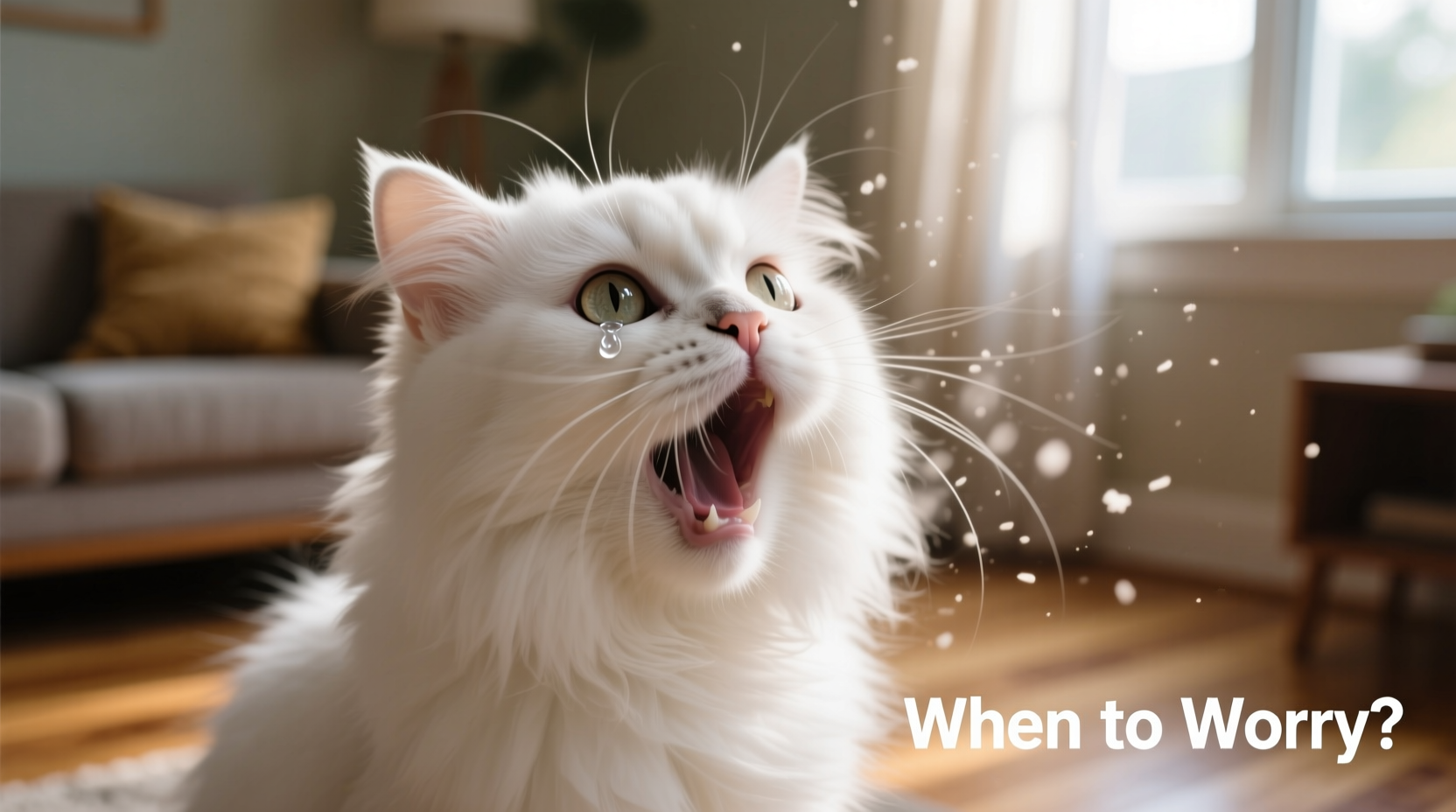
Sneezing in cats is a reflex designed to clear irritants from the nasal passages. Unlike humans, cats don’t typically develop seasonal allergies in the same way, but they are susceptible to a range of environmental and medical triggers.
- Viral infections: Feline herpesvirus (FHV-1) and feline calicivirus (FCV) are leading causes of upper respiratory infections (URIs), especially in multi-cat households or shelters.
- Bacterial infections: Secondary invaders like Chlamydia felis or Bordetella bronchiseptica often follow viral infections.
- Allergens: Dust, pollen, cigarette smoke, perfumes, or household cleaners can trigger mild, intermittent sneezing.
- Nasal foreign bodies: Grass blades, seeds, or small debris can become lodged in the nasal cavity, causing irritation.
- Dental disease: Advanced tooth root infections can spread into the nasal passages, leading to chronic sneezing and discharge.
- Fungal infections: Rare but serious, fungal organisms like Aspergillus can invade nasal tissue, particularly in immunocompromised cats.
- Nasal tumors: Older cats may develop benign or malignant growths that cause one-sided discharge and persistent sneezing.
When to Worry: Red Flags That Require Immediate Attention
Not every sneeze demands a vet visit. However, certain symptoms indicate that sneezing is part of a more serious condition. Watch for these warning signs:
- Persistent sneezing lasting more than 7–10 days
- Thick yellow, green, or bloody nasal discharge
- One-sided nasal discharge
- Loss of appetite or reduced grooming
- Lethargy or hiding behavior
- Squinting, eye discharge, or swelling around the eyes
- Noisy breathing or mouth breathing
- Ulcers on the nose, lips, or tongue
“Sneezing alone might not be alarming, but when combined with ocular or nasal discharge, it’s often a sign of active infection.” — Dr. Lena Torres, DVM, Feline Internal Medicine Specialist
Diagnosis and Veterinary Evaluation Process
If your cat shows any of the above red flags, a veterinary consultation is essential. Diagnosis typically follows a stepwise approach:
- Physical examination: The vet checks the nose, mouth, eyes, ears, and overall condition, looking for discharge, ulcers, or dental issues.
- Medical history: Information about vaccination status, exposure to other cats, recent stressors, or changes in environment helps narrow possibilities.
- Diagnostic testing: Depending on suspicion, tests may include:
- Nasal swabs for PCR testing (to detect viruses or bacteria)
- Blood work to assess immune response
- Radiographs or CT scans for structural abnormalities or tumors
- Rhinotomy (rarely) if a foreign body or mass is suspected
In some cases, especially with chronic or recurrent sneezing, referral to a veterinary internal medicine or ophthalmology specialist may be necessary.
Home Care and Prevention Tips
While professional diagnosis is crucial, there are proactive steps you can take at home to support your cat’s respiratory health and reduce sneezing triggers.
| Do | Don't |
|---|---|
| Use fragrance-free, dust-free litter | Use scented candles or air fresheners near your cat |
| Keep your home well-ventilated | Smoke indoors or expose your cat to secondhand smoke |
| Regularly clean bedding and toys | Allow mold or dampness to accumulate in living areas |
| Ensure vaccinations are up to date | Introduce new cats without quarantine or testing |
Mini Case Study: Bella, the Indoor-Outdoor Cat
Bella, a 4-year-old domestic shorthair, began sneezing frequently after returning from a weekend outdoors. Her owner noticed clear nasal discharge and mild lethargy. Over five days, the discharge turned yellow, and Bella stopped eating her favorite wet food. A vet visit revealed a bacterial sinus infection likely triggered by a grass seed tracked into her nasal passage. After a course of antibiotics and anti-inflammatory medication, Bella recovered fully. This case highlights how outdoor exposure can introduce foreign material or pathogens—and why timely treatment matters.
Treatment Options Based on Cause
Treatment varies widely depending on the underlying cause:
- Viral URIs: Supportive care including fluid therapy, appetite stimulants, and lysine supplements (though evidence is mixed). Antiviral medications like famciclovir may be used in severe herpesvirus cases.
- Bacterial infections: Antibiotics such as doxycycline or clindamycin, prescribed based on culture or clinical judgment.
- Allergies: Identifying and removing allergens; in rare cases, antihistamines under veterinary guidance.
- Dental abscesses: Tooth extraction and antibiotics to resolve infection spreading into nasal cavities.
- Tumors: Biopsy followed by surgery, radiation, or palliative care depending on type and stage.
Never administer human medications like decongestants or antihistamines without veterinary approval—they can be toxic to cats.
Prevention Checklist
Reduce the risk of recurrent sneezing with this actionable checklist:
- ✔ Keep vaccinations current (especially FVRCP for herpesvirus and calicivirus)
- ✔ Minimize stress through consistent routines and safe spaces
- ✔ Use high-quality, low-dust cat litter
- ✔ Avoid aerosol sprays, strong perfumes, and tobacco smoke
- ✔ Schedule annual dental checkups
- ✔ Quarantine new pets for at least two weeks
- ✔ Clean food and water bowls daily
Frequently Asked Questions
Can indoor cats get respiratory infections?
Yes. Even indoor cats can contract viruses via contaminated clothing, shoes, or airborne particles. Stress or weakened immunity can also reactivate latent infections like feline herpesvirus.
Is it normal for cats to sneeze after using the litter box?
Occasionally, yes—especially if the litter is dusty or scented. If sneezing occurs consistently after litter use, switch to a hypoallergenic, low-dust alternative like paper-based or silica gel litter.
How long does a cat cold last?
Mild upper respiratory infections usually resolve within 7–10 days. If symptoms persist beyond two weeks or worsen, veterinary evaluation is necessary to rule out complications.
Conclusion: Take Action Before It Escalates
Frequent sneezing in cats is more than just a quirky habit—it can be a window into their overall health. From simple irritants to serious infections, the causes vary in severity and require different responses. Early observation, informed care, and timely veterinary intervention can prevent minor issues from becoming chronic conditions. Your cat relies on you to notice the subtle shifts in behavior and physical well-being. Don’t wait until appetite loss or labored breathing sets in. Address persistent sneezing now, and give your feline companion the comfort and care they deserve.




 浙公网安备
33010002000092号
浙公网安备
33010002000092号 浙B2-20120091-4
Comments
No comments yet. Why don't you start the discussion?