
Occasional vomiting in cats may not raise concern, but when a cat throws up daily, it signals an underlying issue that warrants attention. Unlike humans, cats cannot always communicate discomfort clearly, so vomiting becomes one of their most noticeable symptoms. While some causes are benign—like hairballs or eating too quickly—others point to serious medical conditions such as kidney disease, inflammatory bowel disease, or intestinal blockages. Understanding the difference between normal and dangerous vomiting is essential for every cat owner.
Common Causes of Daily Vomiting in Cats
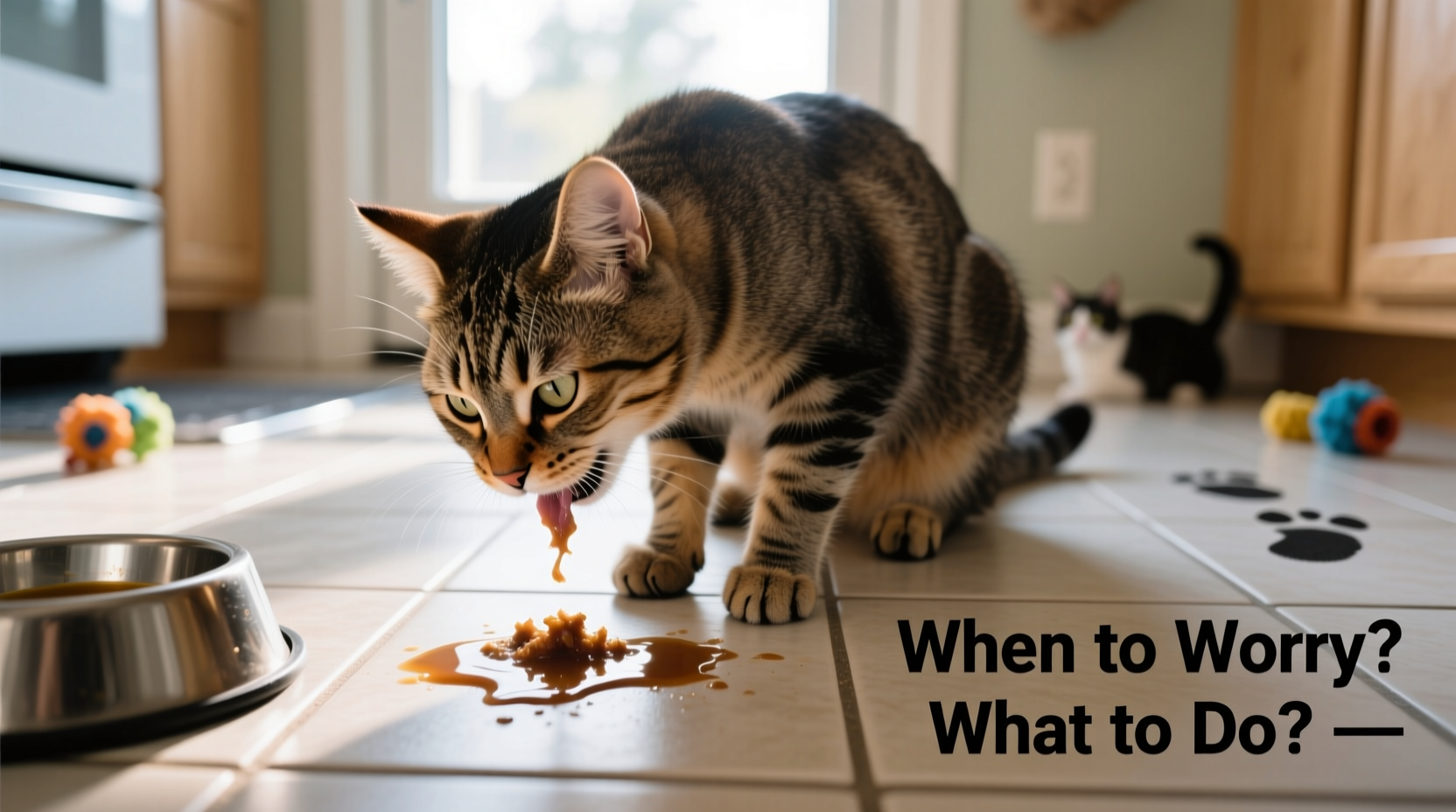
Daily vomiting in cats can stem from a range of issues, from dietary habits to chronic illness. Identifying the root cause is the first step toward effective treatment.
- Hairballs: Frequent grooming leads to ingestion of fur, which can accumulate and be expelled through vomiting. While occasional hairball-related vomiting is normal, daily episodes suggest excessive grooming or poor digestion.
- Dietary indiscretion: Cats may eat spoiled food, houseplants, or non-food items. Sudden diet changes or low-quality ingredients can also irritate the stomach.
- Food intolerance or allergy: Some cats react poorly to certain proteins (e.g., beef, dairy) or fillers in commercial foods, leading to chronic gastrointestinal upset.
- Eating too fast: Rapid eaters often gulp air along with food, triggering regurgitation shortly after meals.
- Gastrointestinal diseases: Conditions like inflammatory bowel disease (IBD), gastritis, or intestinal lymphoma disrupt normal digestive function.
- Organ dysfunction: Chronic kidney disease and hyperthyroidism are common in older cats and frequently present with vomiting.
- Toxins or foreign bodies: Ingestion of toxic substances (lilies, antifreeze) or objects like string or plastic can cause persistent vomiting and require emergency care.
When to Worry: Red Flags That Require Immediate Attention
Not all vomiting is equal. Certain signs indicate a serious condition needing urgent veterinary evaluation.
“Daily vomiting in cats is never normal. Even if your cat seems otherwise healthy, consistent vomiting should prompt a vet visit.” — Dr. Lena Reyes, DVM, Feline Internal Medicine Specialist
Seek immediate veterinary care if your cat shows any of the following:
- Vomiting more than once a day for two or more consecutive days
- Presence of blood in vomit (bright red or coffee-ground appearance)
- Lethargy, dehydration, or refusal to eat
- Weight loss despite normal appetite
- Abdominal pain or bloating
- Constipation or diarrhea accompanying vomiting
- Vomiting bile (yellow fluid), especially on an empty stomach
Chronic vomiting can lead to esophageal damage, malnutrition, and electrolyte imbalances. Delaying treatment increases the risk of complications, particularly in senior cats or those with pre-existing conditions.
Diagnostic Process: What to Expect at the Vet
A veterinarian will conduct a thorough assessment to determine the cause of daily vomiting. The process typically includes:
- Medical history review: Duration of symptoms, diet, litter box habits, exposure to toxins, and recent changes in behavior.
- Physical examination: Checking for abdominal tenderness, dehydration, weight loss, or palpable masses.
- Laboratory tests: Blood work (CBC, chemistry panel), urinalysis, and thyroid testing help identify organ dysfunction or infection.
- Imaging: Abdominal ultrasound or X-rays detect structural abnormalities, obstructions, or tumors.
- Diet trial: A limited-ingredient or hypoallergenic diet may be prescribed to rule out food sensitivities.
- Biopsy: In cases of suspected IBD or cancer, tissue samples may be collected via endoscopy.
| Symptom | May Indicate | Action |
|---|---|---|
| Vomiting yellow bile in the morning | Empty stomach irritation, bilious vomiting syndrome | Feed small late-night meal or switch to frequent feeding schedule |
| Vomiting undigested food shortly after eating | Regurgitation due to eating too fast or esophageal issue | Use slow feeder bowl; rule out megaesophagus |
| Vomiting with weight loss and dull coat | Possible IBD, kidney disease, or hyperthyroidism | Comprehensive vet workup required |
| Vomiting with lethargy and no appetite | Infection, obstruction, or toxicity | Immediate veterinary attention needed |
What You Can Do at Home: Practical Steps for Cat Owners
While professional diagnosis is essential, several supportive measures can help manage and reduce vomiting episodes.
Step-by-Step Guide to Managing Daily Vomiting
- Track symptoms: Keep a journal noting time, frequency, appearance of vomit, and your cat’s behavior before and after.
- Review diet: Transition to a high-quality, easily digestible food. Avoid fillers, artificial additives, and sudden changes.
- Feed smaller, frequent meals: Offer 4–5 small meals daily to prevent stomach overload and bile buildup.
- Introduce a slow feeder: Helps prevent gulping and reduces post-meal vomiting.
- Limit hairball formation: Brush your cat daily, especially if long-haired, and consider a hairball control diet or gel.
- Reduce stress: Environmental enrichment, consistent routines, and safe spaces lower anxiety-related GI disturbances.
- Remove hazards: Keep toxic plants, strings, and small objects out of reach.
Mini Case Study: Bella, a 7-Year-Old Domestic Shorthair
Bella had been vomiting every morning for three weeks. Her owner initially assumed it was hairballs, but the frequency increased to twice daily, and she began losing weight. After a vet visit, blood tests revealed elevated kidney values. An ultrasound confirmed early-stage chronic kidney disease. With a prescription renal diet, subcutaneous fluids, and medication, Bella’s vomiting stopped within two weeks. Her case highlights how daily vomiting can mask progressive internal disease—and why early intervention matters.
Frequently Asked Questions
Is it normal for cats to throw up every day?
No. While an occasional hairball or post-meal regurgitation may occur, daily vomiting is not normal and suggests an underlying medical issue that needs evaluation.
Can changing my cat’s food stop the vomiting?
Sometimes. If the cause is food sensitivity or poor digestibility, switching to a novel protein or hydrolyzed diet under veterinary guidance can resolve the issue. However, abrupt changes can worsen symptoms—transition slowly over 7–10 days.
What’s the difference between vomiting and regurgitation?
Vomiting involves abdominal effort and digested food, often with bile. Regurgitation is passive, occurs soon after eating, and expels undigested food or liquid. Regurgitation may indicate esophageal problems like megaesophagus.
Conclusion: Take Action Before It’s Too Late
Daily vomiting in cats should never be dismissed as routine. Whether it’s due to something manageable like dietary intolerance or a severe condition like kidney failure, early detection improves outcomes significantly. By observing patterns, adjusting feeding practices, and seeking timely veterinary care, you can protect your cat’s long-term health. Don’t wait for symptoms to worsen—your cat’s well-being depends on your vigilance.




 浙公网安备
33010002000092号
浙公网安备
33010002000092号 浙B2-20120091-4
Comments
No comments yet. Why don't you start the discussion?