
Cats are creatures of comfort, curiosity, and instinct. When it comes to choosing furniture for them—especially vertical spaces like cat trees—the decision between a model with a hammock versus a closed condo-style cubby isn’t just about aesthetics or space-saving. It’s about understanding what your cat truly wants. While both designs offer elevated perches and safe retreats, they cater to different aspects of feline psychology and behavior. Whether you’re upgrading your current setup or introducing your first cat tree, knowing the nuances between these two popular styles can make all the difference in how much your cat uses—and enjoys—it.
The Feline Need for Height and Security
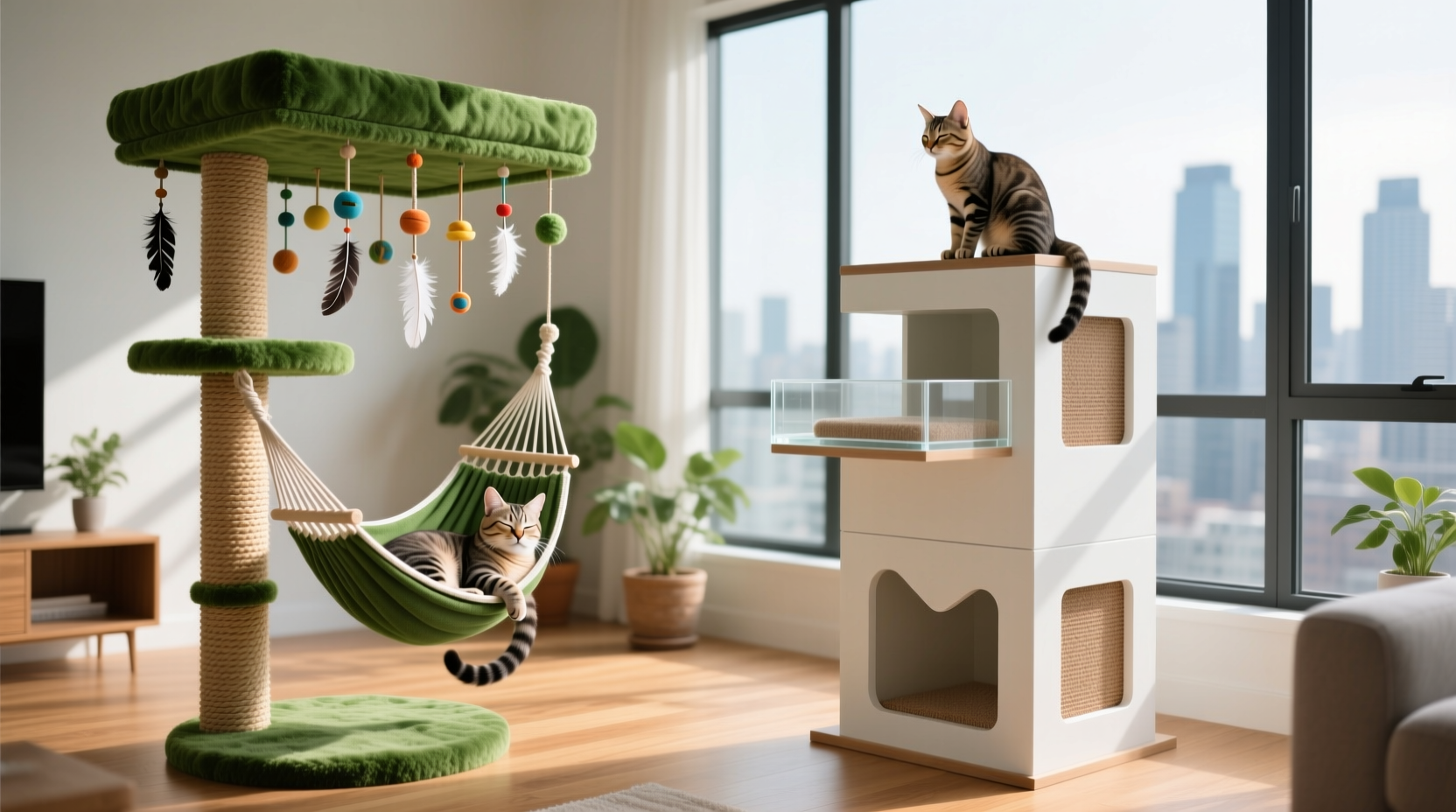
Cats naturally seek high vantage points. In the wild, elevation provides safety from predators and a strategic advantage when hunting. Even domesticated cats retain this instinct. A study published in *Applied Animal Behaviour Science* found that cats given access to vertical space showed lower stress levels and more confident social behaviors in multi-cat households. However, height alone isn’t enough—security matters just as much. A cat must feel protected while observing its surroundings. This is where the design differences between hammocks and condos become critical.
A hammock offers an open, suspended platform that allows panoramic views and airflow. It appeals to cats who enjoy sunbathing, watching birds, or staying engaged with household activity. On the other hand, a condo—a fully enclosed cubby with one or two entry points—mimics a den-like shelter. It provides privacy, warmth retention, and a sense of seclusion, ideal for cats that value safety over visibility.
Design Breakdown: Hammock vs Condo
To understand which option suits your cat better, let’s examine the structural and behavioral implications of each design.
Hammock-Style Perches
Hammocks are typically made from soft fabric stretched between two support poles or attached to a platform. They sag slightly under weight, creating a cradle effect that many cats find soothing. The openness encourages lounging, stretching, and passive observation. Because there’s no back or roof, airflow keeps the surface cooler—ideal during warmer months.
- Pros: Encourages relaxation, promotes thermoregulation, easy access from multiple angles, visually stimulating.
- Cons: Offers little privacy, may feel insecure for shy cats, less suitable in cold environments, potential durability issues with heavy chewers.
Condo-Style Cubbies
Condos are enclosed structures, often box-shaped or dome-like, with padded interiors and small entryways. They simulate a burrow or nest, appealing to a cat’s need for concealment. These units trap body heat, making them cozy in winter. Some models include removable roofs for cleaning or interaction.
- Pros: Provides a secure hideaway, retains warmth, reduces anxiety, ideal for napping and territorial marking.
- Cons: Limited visibility, can get stuffy in summer, harder to clean, may be too confining for larger or claustrophobic cats.
“Cats don’t just choose resting spots based on comfort—they assess risk. An exposed hammock might look inviting, but if the cat doesn’t feel safe entering it, they’ll bypass it entirely.” — Dr. Lydia Chen, Feline Ethologist at the International Companion Animal Behavior Consortium
Comparative Analysis: Which Design Wins?
There is no universal answer. Preference depends on personality, age, environment, and past experiences. However, observational data from pet owners and veterinary behaviorists suggest patterns.
| Factor | Hammock Preference | Condo Preference |
|---|---|---|
| Personality Type | Outgoing, curious, social cats | Shy, anxious, or territorial cats |
| Age | Kittens and young adults | Senior cats seeking warmth |
| Climate | Better in warm or moderate temperatures | Ideal for colder regions |
| Multicat Homes | Risk of dominance disputes over prime view spots | Each cat may claim a condo as territory |
| Usage Frequency | High during daytime activity | Peaks during sleep or rest periods |
The table reveals that neither design dominates across all categories. Instead, the most effective solution often combines both elements. Modern cat trees increasingly integrate hammocks and condos into single units, allowing cats to switch based on mood and time of day.
Real-World Example: Two Cats, Two Preferences
In a documented case from Portland, Oregon, a household with two cats—a 3-year-old tabby named Milo and a 7-year-old Persian mix named Luna—introduced a dual-feature cat tree. The structure included a top-level hammock, a mid-level condo, and a lower scratching post.
Over four weeks, the owner recorded usage patterns using a simple log. Milo, an energetic and people-oriented cat, spent an average of 47 minutes per day lounging in the hammock, particularly in the afternoon when sunlight streamed through the window. He rarely entered the condo, only doing so once after a loud thunderstorm.
Luna, more reserved and sensitive to noise, used the condo for nearly 3 hours daily. She would retreat there after meals and during household activity. She never used the hammock, even when treats were placed inside. Her preference was clear: security over spectacle.
This example illustrates that individual temperament outweighs general trends. Offering both options allowed each cat to self-select their preferred space without competition.
How to Choose the Right Design for Your Cat
Selecting between a hammock and a condo isn’t about guessing—it’s about observing and responding to your cat’s behavior. Follow this step-by-step guide to make an informed decision.
- Observe Your Cat’s Current Habits: Does your cat prefer open shelves, windowsills, or hidden spots under furniture? Open-space lovers likely favor hammocks; those who hide under beds may lean toward condos.
- Assess Environmental Factors: Is your home drafty or cool? A condo will help retain body heat. Do you have large windows with bird activity? A hammock maximizes viewing pleasure.
- Consider Life Stage: Kittens and young adults are more adventurous and may enjoy the novelty of a hammock. Older cats often appreciate the warmth and support of a snug condo.
- Evaluate Multi-Cat Dynamics: In homes with more than one cat, having multiple perches of different types prevents resource guarding. One hammock and one condo can reduce tension.
- Test Before Committing: If possible, rent or borrow a convertible cat tree that includes both features. Monitor usage over 7–10 days before purchasing a permanent unit.
- Prioritize Stability and Safety: Ensure whichever design you choose is sturdy and anchored. Wobbling structures deter use regardless of style.
Checklist: Choosing Between Hammock and Condo
- ✅ Watch where your cat naps currently (open vs. enclosed)
- ✅ Note reactions to new objects (curious vs. cautious)
- ✅ Measure available floor space and ceiling height
- ✅ Confirm material durability (sisal-wrapped posts, non-toxic fabrics)
- ✅ Check ease of assembly and cleaning (removable covers, modular parts)
- ✅ Read reviews focused on actual cat usage, not just human satisfaction
Frequently Asked Questions
Can I add a hammock to an existing condo-style cat tree?
Yes, many third-party hammocks are designed to clip or strap onto standard poles. Look for adjustable models with reinforced stitching and non-slip grips. Ensure the added weight won’t compromise stability.
Do cats really use these structures regularly?
Usage varies widely. A 2022 survey by PetTech Insights found that 68% of cats used their cat tree at least once daily, but only 39% used it for more than 30 minutes. Engagement increases when the tree is placed near natural light or paired with interactive toys.
Which is easier to clean: hammock or condo?
Hammocks typically have removable, machine-washable covers and simpler shapes. Condos can trap fur and dander in corners, requiring more frequent vacuuming and spot-cleaning. Models with zip-off liners are best for hygiene.
Final Recommendation: Why Not Both?
The debate between hammock and condo isn’t a zero-sum game. The most cat-friendly environments offer variety. Just as humans don’t sit in the same chair all day, cats benefit from choices. A well-designed cat tree that incorporates both a hammock and a condo respects the full range of feline needs—observation, relaxation, security, and play.
If space or budget limits you to one option, start with your cat’s dominant personality trait. Outgoing cats usually adapt faster to hammocks; reserved ones gravitate toward condos. But long-term, combining both designs leads to higher engagement, reduced stress, and more natural behavior expression.
Manufacturers are responding to this insight. Brands like GoPetClub, AmazonBasics, and Frisco now offer hybrid models with tiered platforms, integrated condos, and detachable hammocks. These provide flexibility and longevity, growing with your cat’s changing preferences.
“The best cat furniture doesn’t dictate behavior—it accommodates it. When cats have options, they make healthier, more confident choices.” — Dr. Rafael Mendez, DVM, Animal Environment Specialist
Take Action Today
Your cat’s well-being is shaped by more than food and vet visits—it’s influenced by their environment. A thoughtfully chosen cat tree can reduce anxiety, encourage exercise, and strengthen the bond between you. Don’t assume one size fits all. Watch, learn, and respond to your cat’s unique signals. Whether you opt for a sunlit hammock or a snug condo, the goal is the same: a space where your cat feels safe, stimulated, and truly at home.




 浙公网安备
33010002000092号
浙公网安备
33010002000092号 浙B2-20120091-4
Comments
No comments yet. Why don't you start the discussion?