
Cats have a natural instinct to scratch. It’s not just about sharpening their claws—it helps them stretch muscles, mark territory through scent glands in their paws, and relieve stress. But when that instinct turns your sofa into a shredded mess, it’s time to intervene. The good news? You don’t have to choose between a happy cat and intact furniture. Two popular solutions dominate the market: cat trees with integrated scratching posts and standalone scratchers. Each has strengths and limitations. Understanding how they work—and how cats interact with them—can help you make an informed decision to protect your home while supporting your pet’s well-being.
Why Cats Scratch (And Why Furniture Is a Target)
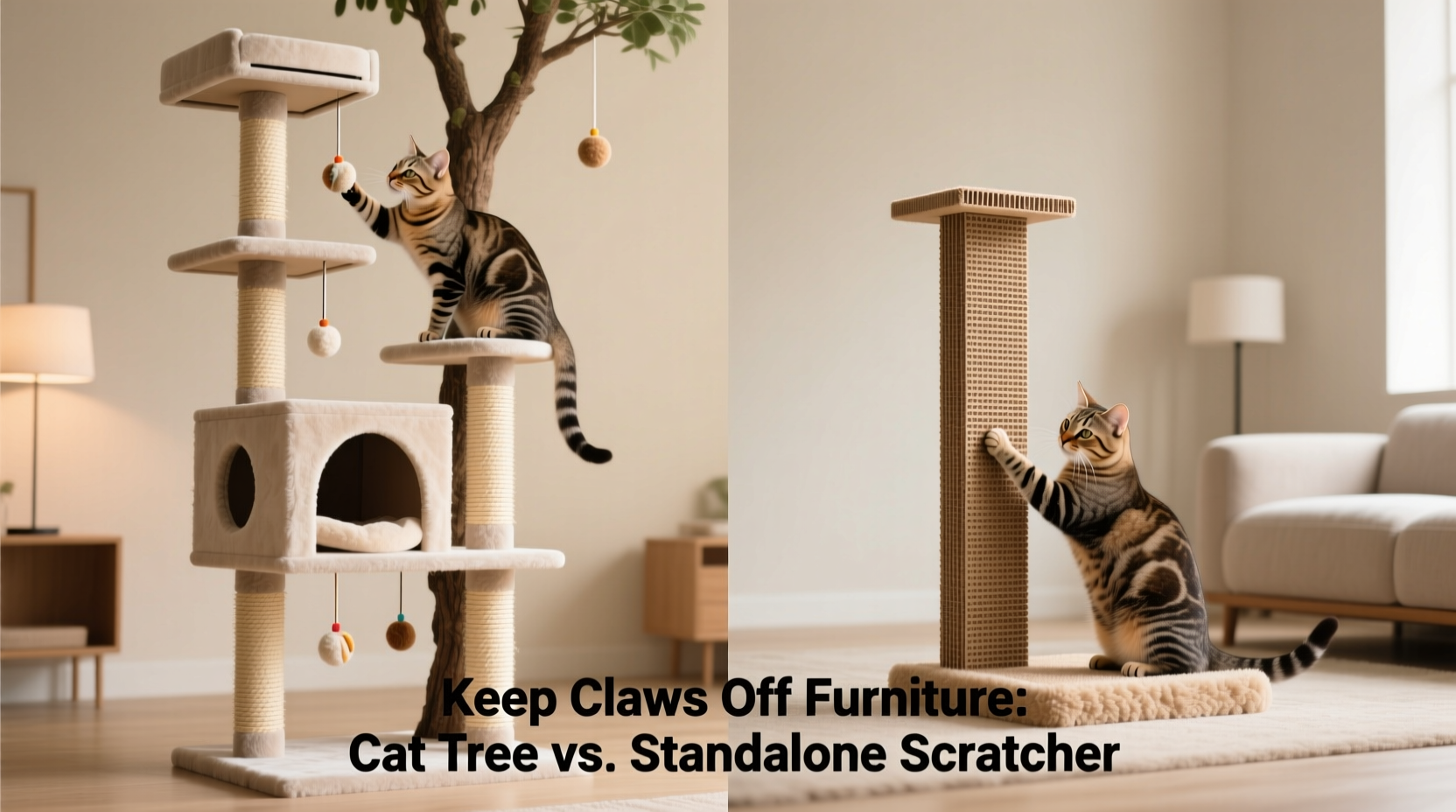
Scratching is hardwired into feline behavior. In the wild, cats scratch to maintain claw health by shedding outer layers, to leave visual and olfactory marks, and to prepare for hunting by stretching shoulder and back muscles. Domestic cats retain these instincts, but their environment often lacks appropriate outlets.
Furniture becomes a prime target because of its height, texture, and location. A tall couch near a window offers both vertical space for stretching and a front-row seat to outdoor activity—making it irresistible. Upholstery materials like sisal-like fabrics or loosely woven textiles mimic the feel of natural scratching surfaces, further increasing appeal.
The solution isn’t suppression; it’s redirection. Providing appealing alternatives reduces unwanted scratching significantly. But not all alternatives are created equal.
Understanding Cat Trees with Scratching Posts
A cat tree with scratching posts combines multiple functions: climbing, lounging, hiding, and scratching. These structures typically feature one or more vertical posts wrapped in sisal rope, carpet, or cardboard, often placed at the base or along support beams.
The advantage lies in integration. A cat tree isn’t just a scratching tool—it’s a destination. By placing it near a window or in a high-traffic family area, you create a multi-purpose hub that satisfies several behavioral needs at once. This increases the likelihood that your cat will use the scratching post regularly.
Sisal-wrapped posts on cat trees tend to be sturdier than many standalone options. Because the entire structure must support climbing weight, the posts are usually anchored securely, allowing cats to apply full-body pressure during scratching—a critical factor in effectiveness.
Pros and Cons of Cat Trees with Scratching Posts
| Advantages | Disadvantages |
|---|---|
| Multifunctional: Combines play, rest, and scratching in one unit | Bulkier footprint: May not fit in smaller spaces |
| Stability: Heavy construction supports vigorous scratching | Cost: Higher upfront investment compared to basic scratchers |
| Behavioral reinforcement: Encourages climbing and territorial use | Limited flexibility: Harder to reposition frequently |
| Durable materials: Often uses sisal or tightly woven fabric | Wear concentration: Posts may degrade faster if heavily used |
Standalone Scratchers: Simplicity and Flexibility
Standalone scratchers come in various forms: vertical posts, horizontal pads, angled boards, and even cardboard tubes. They’re typically lighter, more affordable, and easier to place around the home.
These units excel in accessibility. You can position a scratcher directly beside a problem area—like next to a favorite chair—and condition your cat to shift behavior without altering major furniture layout. Their modular nature allows owners to experiment with textures and orientations until they find what their cat prefers.
Cardboard scratchers, in particular, are highly effective due to the satisfying “give” they provide under claws. Many cats favor corrugated cardboard because it shreds slightly, mimicking the sensation of tearing bark or prey skin. Horizontal scratch mats also appeal to cats who prefer low-stretch scratching after naps.
“Cats are creatures of habit, but they’re also opportunistic. Placing multiple scratchers in key zones gives them convenient, acceptable outlets exactly where they want to scratch.” — Dr. Lena Torres, Feline Behavior Specialist
Types of Standalone Scratchers
- Vertical Sisal Posts: Tall, narrow posts anchored in a base. Ideal for full-body stretches.
- Horizontal Cardboard Mats: Flat or slightly curved surfaces perfect for paw kneading and post-sleep scratching.
- Angled Boards: Mounted at 45-degree angles, combining vertical and horizontal appeal.
- Tunnel Scratchers: Combine play and scratching, often made of compressed cardboard.
- Hanging Scratchers: Door-mounted or wall-mounted options that save floor space.
Their portability makes standalone scratchers excellent for targeted training. If your cat scratches the arm of your loveseat every morning, placing a vertical sisal post right beside it—and rewarding use—can redirect the habit within weeks.
Comparing Effectiveness: Which Actually Protects Furniture?
Research and anecdotal evidence suggest that neither option alone guarantees success. What matters most is strategic placement, material preference, and consistency.
A 2022 survey by the American Association of Feline Practitioners found that homes using a combination of cat trees and multiple standalone scratchers reported a 78% reduction in furniture damage, compared to 43% in homes relying solely on one type.
Why does variety matter? Cats often develop preferences based on mood, time of day, and physical need. A cat might use a tall scratching post on a cat tree for morning stretching but prefer a soft, horizontal mat for midday paw maintenance.
Additionally, durability plays a role. While cat trees offer stability, their scratching surfaces wear down over time. Once the sisal frays or the carpet loosens, cats may abandon the post. Standalone scratchers, especially cardboard ones, are replaceable and easy to refresh—keeping them appealing longer.
Real-Life Example: The Johnson Household Fix
The Johnsons adopted a two-year-old tabby named Milo, who quickly developed a habit of shredding the corner of their linen sectional. After trying sprays and deterrents with little success, they consulted a certified cat behaviorist.
The recommendation? A dual approach. They installed a tall cat tree with sisal-wrapped posts near the living room window—Milo’s favorite lookout. At the same time, they placed a horizontal cardboard scratcher directly beside the damaged couch arm and another vertical post near his sleeping perch.
Using positive reinforcement—clicker training paired with treats—they rewarded Milo each time he used any scratcher. Within three weeks, furniture scratching dropped by 90%. After six weeks, it stopped entirely. The key was offering choices and making the right behavior rewarding.
Step-by-Step Plan to Redirect Scratching Behavior
Whether you choose cat trees, standalone scratchers, or both, follow this timeline to train your cat effectively:
- Week 1: Assess & Map – Observe where your cat scratches now. Note height, surface texture, and timing. Identify 2–3 high-priority areas to target.
- Week 2: Deploy Alternatives – Place a cat tree or standalone scratcher directly in front of or beside each problem spot. Use sisal or cardboard, as these are most effective.
- Week 3: Encourage Use – Sprinkle catnip on the scratcher or use a wand toy to guide your cat into scratching motions. Reward with treats immediately after use.
- Week 4: Discourage Furniture Access – Cover scratched areas with double-sided tape, aluminum foil, or plastic runners. These textures are unpleasant but harmless.
- Week 5–6: Relocate Gradually (if needed) – Once your cat consistently uses the scratcher, slowly move it a few inches per day to a more convenient location.
- Ongoing: Maintain & Replace – Clean scratchers monthly. Replace worn surfaces promptly to keep them attractive.
Checklist: Choosing the Right Scratching Solution
- ✅ Observe your cat’s preferred scratching height and direction (vertical vs. horizontal)
- ✅ Choose scratchers made of sisal, corrugated cardboard, or natural fiber
- ✅ Place scratchers near existing problem furniture—at least initially
- ✅ Ensure stability: wobbly posts discourage use
- ✅ Offer variety: include at least one vertical and one horizontal option
- ✅ Use positive reinforcement, never punishment
- ✅ Replace worn scratchers before they lose appeal
- ✅ Consider combining a cat tree with supplemental standalone units
Frequently Asked Questions
Can I stop my cat from scratching altogether?
No—and you shouldn’t try. Scratching is a natural, healthy behavior essential to your cat’s physical and emotional well-being. The goal is not elimination but redirection to appropriate surfaces.
Which material do cats prefer: sisal, cardboard, or carpet?
Most cats favor sisal and cardboard. Sisal provides strong resistance for deep scratching, while cardboard offers a satisfying shredding texture. Carpet is less ideal because it resembles household upholstery, potentially reinforcing furniture scratching.
How many scratchers should I have in my home?
Veterinarians and behaviorists recommend at least one scratching option per cat, plus extras in high-traffic or multi-level homes. Ideally, place them near sleeping areas, windows, and existing scratch zones.
Final Recommendation: Use Both Strategically
The debate between cat trees with scratching posts and standalone scratchers isn’t about superiority—it’s about strategy. Cat trees provide stable, durable, and enriching hubs that support overall feline wellness. Standalone scratchers offer flexibility, affordability, and targeted placement to intercept problem behaviors.
The most effective approach combines both. Use a sturdy cat tree as a central scratching and climbing station, then supplement with standalone scratchers in key locations—especially near previously damaged furniture. This layered system respects your cat’s instincts while safeguarding your home.
Remember: consistency and observation are key. Pay attention to your cat’s preferences. Adjust placement, texture, and reinforcement methods as needed. With patience and the right tools, you can preserve your furniture without compromising your cat’s happiness.




 浙公网安备
33010002000092号
浙公网安备
33010002000092号 浙B2-20120091-4
Comments
No comments yet. Why don't you start the discussion?