
Cats are notoriously picky about their water. Some lap from the sink, others ignore their bowl entirely, while a few seem to survive on moisture from wet food alone. This behavior has led many pet owners to invest in cat water fountains—devices that continuously circulate and filter water. But do they actually encourage better hydration compared to a standard bowl? And if so, by how much? The answer isn't just about preference; it touches on feline physiology, behavioral habits, and long-term urinary and kidney health.
Hydration is critical for cats, especially those on dry-food diets. Chronic mild dehydration contributes to urinary tract issues, kidney disease, and bladder stones—all common ailments in domestic cats. While both water bowls and fountains serve the same basic purpose, their design, maintenance, and sensory appeal differ significantly. Understanding these differences helps determine whether switching to a fountain is a meaningful upgrade or simply a trendy accessory.
Why Hydration Matters for Cats
Cats evolved as desert animals, which means they have a naturally low thirst drive. Unlike dogs, who drink frequently and visibly, cats often don’t feel compelled to consume large volumes of water—even when they need it. Their bodies are adapted to extract moisture from prey, making them less likely to seek out water sources independently.
This biological trait becomes problematic in modern households where cats eat primarily dry kibble, which contains only 5–10% moisture compared to the 70–80% found in raw prey or canned food. Without adequate water intake, cats are at higher risk for:
- Chronic kidney disease (CKD)
- Feline lower urinary tract disease (FLUTD)
- Bladder crystals and stones
- Constipation due to reduced intestinal motility
Veterinarians consistently emphasize increasing water consumption as a preventive measure. One of the most effective strategies? Making water more appealing—both visually and sensorially.
How Cat Water Fountains Work
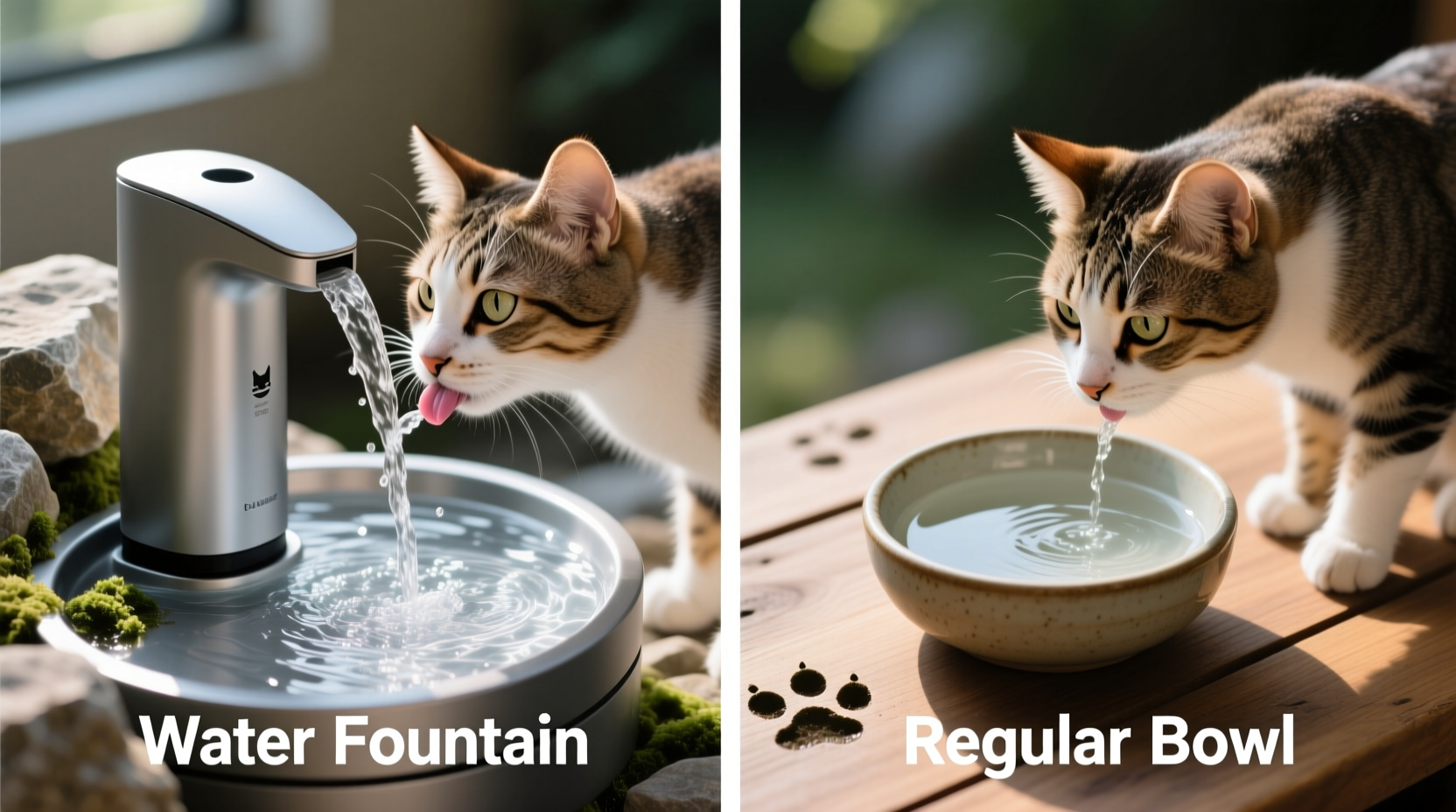
A cat water fountain is a motorized device that pumps water from a reservoir through a filtration system and back into a flowing stream or cascading surface. Most models use replaceable carbon and foam filters to remove impurities, odors, and debris. The constant movement creates several advantages:
- Oxygenation: Moving water picks up oxygen, improving taste and freshness.
- Visual appeal: Cats are drawn to motion, mimicking natural streams they would drink from in the wild.
- Temperature regulation: Circulation prevents stagnation and can keep water slightly cooler.
- Odor reduction: Filters trap organic compounds that cause unpleasant smells.
Unlike a static bowl, where dust, fur, and saliva accumulate quickly, fountains maintain cleaner water for longer periods—assuming proper maintenance. However, this benefit comes with trade-offs: noise, electricity use, and the need for regular cleaning and filter replacements.
“Cats are instinctively wary of stagnant water. A fountain taps into their natural preference for fresh, moving sources.” — Dr. Lena Patel, DVM, Feline Wellness Specialist
Comparing Fountains and Bowls: A Detailed Breakdown
To evaluate whether fountains truly improve hydration, it’s essential to compare them directly with traditional bowls across key categories. The table below outlines the main differences:
| Feature | Cat Water Fountain | Regular Water Bowl |
|---|---|---|
| Water Freshness | High – constantly filtered and aerated | Low – degrades within hours |
| Appeal to Cats | High – motion and sound attract curiosity | Variable – depends on location and cleanliness |
| Maintenance Frequency | Weekly cleaning, monthly filter changes | Daily rinsing recommended |
| Cost Over Time | Moderate to high (device + filters) | Low (one-time purchase) |
| Bacterial Growth Risk | Low if cleaned regularly; high if neglected | High – especially in plastic bowls |
| Noise Level | Low hum or trickle (varies by model) | Silent |
| Energy Use | Requires electricity | None |
The data suggests fountains offer superior water quality and sensory engagement, but only when maintained properly. A dirty fountain can become a breeding ground for bacteria and algae, potentially doing more harm than good. In contrast, a clean ceramic or stainless steel bowl changed daily may suffice for some cats—especially those already inclined to drink regularly.
Do Cats Actually Drink More From Fountains?
Multiple observational studies and veterinary reports indicate that cats do tend to drink more when using fountains. A 2020 study published in the *Journal of Feline Medicine and Surgery* observed a 30–50% increase in daily water intake among cats given access to flowing water versus still water in bowls.
Behaviorally, cats are intrigued by movement. Many will paw at faucets or stare intently at dripping taps—a sign they prefer dynamic water sources. Fountains replicate this experience indoors, reducing hesitation to drink. Additionally, the cooling effect of evaporation from flowing water makes it more palatable, especially in warm environments.
However, individual preferences vary. Some cats show no interest in fountains, while others develop strong attachments. Factors like age, past experiences, and household stress levels influence acceptance.
Mini Case Study: Bella the Picky Drinker
Bella, a 6-year-old domestic shorthair, was diagnosed with early-stage kidney insufficiency during a routine checkup. Her veterinarian noted concentrated urine and recommended increasing her water intake. Bella’s owner tried placing multiple glass bowls around the house, but she drank minimally—only about 100 ml per day.
After introducing a stainless steel fountain with a quiet pump, Bella began investigating it within hours. Within three days, she was drinking consistently from it. Over the next two weeks, her intake rose to 160 ml/day. Urine specific gravity tests showed improved hydration levels, and her owner reported fewer trips to the litter box with smaller clumps.
While not a cure, the fountain played a key role in managing Bella’s condition through non-invasive means. Her owner credits the change in water presentation—not flavor or placement—as the turning point.
Choosing the Right Option: A Step-by-Step Guide
Deciding between a fountain and a bowl shouldn’t be arbitrary. Follow this timeline to make an informed choice based on your cat’s needs:
- Observe current drinking habits (Days 1–3): Note how often your cat drinks, preferred locations, and any avoidance behaviors.
- Assess diet type: If your cat eats mostly dry food, increased water intake is more urgent.
- Evaluate medical history: Cats with urinary or kidney issues benefit more from consistent hydration support.
- Test a fountain (Week 1): Borrow or purchase a mid-range model with adjustable flow. Place it near—but not next to—the current bowl.
- Monitor usage (Weeks 2–3): Track water level drops, signs of interest (pawing, licking), and overall activity near the fountain.
- Compare results: If intake increases or your cat shows clear preference, keep the fountain. Otherwise, optimize bowl placement and material instead.
- Commit and maintain: Whether you choose a fountain or bowl, consistency in cleaning and refilling is crucial.
Common Mistakes to Avoid
Even with the best intentions, pet owners often undermine their efforts. Here are frequent missteps:
- Using plastic bowls: These scratch easily and harbor biofilm, causing “whisker fatigue” and bacterial buildup.
- Placing water next to food: Cats instinctively avoid drinking near their eating area due to contamination fears.
- Ignoring filter replacement: Old filters lose effectiveness and may leach trapped contaminants back into the water.
- Allowing algae growth: Direct sunlight on fountains accelerates algae formation—keep units in shaded areas.
- Overlooking noise sensitivity: Some cats flee from even quiet humming. Test different models if rejection occurs.
FAQ: Common Questions About Cat Water Solutions
Do all cats prefer water fountains?
No. While many cats are attracted to moving water, others show no preference or may even be startled by the sound. Individual temperament and early life experiences play a major role. Always allow time for adjustment and never force interaction.
Can I use tap water in a cat fountain?
Yes, but consider your local water quality. High mineral content (hard water) can lead to scale buildup and white deposits on the pump. Using filtered or distilled water reduces maintenance and prolongs device life. Avoid softened water, as it contains added sodium unsuitable for cats.
How often should I clean a cat water fountain?
Full disassembly and cleaning should occur every 7–10 days. Rinse the bowl and pump housing weekly. Replace filters according to manufacturer guidelines—typically every 2–4 weeks. Regular upkeep prevents mold, slime, and mechanical failure.
- Provide at least two water stations per floor
- Use ceramic, stainless steel, or glass containers
- Place water away from food and litter boxes
- Clean bowls daily; scrub fountains weekly
- Replace fountain filters monthly
- Monitor your cat’s drinking patterns monthly
- Consult your vet if intake drops suddenly
Final Verdict: Are Fountains Worth It?
The evidence strongly supports that cat water fountains can improve hydration—but only under the right conditions. For cats on dry diets, those with urinary concerns, or individuals who ignore still water, a well-maintained fountain offers tangible benefits. The combination of freshness, movement, and filtration addresses core reasons why cats avoid drinking.
That said, a fountain is not a magic solution. A clean, thoughtfully placed bowl made of non-porous material can also meet hydration needs, particularly for cats already accustomed to still water. The key factor isn’t the vessel itself, but the consistency of access, cleanliness, and appeal.
Ultimately, the goal is simple: get your cat to drink more water, however possible. Whether through a whisper-quiet fountain or a strategically positioned ceramic dish, success lies in observation, adaptation, and ongoing care.




 浙公网安备
33010002000092号
浙公网安备
33010002000092号 浙B2-20120091-4
Comments
No comments yet. Why don't you start the discussion?