
For health-conscious shoppers and home cooks seeking versatile, plant-forward ingredients, Trader Joe’s has become a go-to destination—and few vegetables are as well-represented in their frozen and refrigerated aisles as cauliflower. Once relegated to crudité platters or steamed side dishes, cauliflower has undergone a culinary renaissance, thanks in large part to its neutral flavor, high fiber content, and remarkable adaptability. At Trader Joe’s, it appears in forms that stretch far beyond the whole head: riced, mashed, breaded, roasted, and even transformed into meatless alternatives. Understanding what’s available, how these products differ, and how to use them effectively can elevate everyday meals while saving time and reducing food waste.
This guide explores the full range of cauliflower-based offerings at Trader Joe’s, detailing each product’s composition, texture, shelf life, and optimal culinary applications. Whether you're looking to reduce carbohydrate intake, increase vegetable consumption, or simply streamline weeknight cooking, these cauliflower products deliver convenience without sacrificing flavor—when used wisely.
Definition & Overview
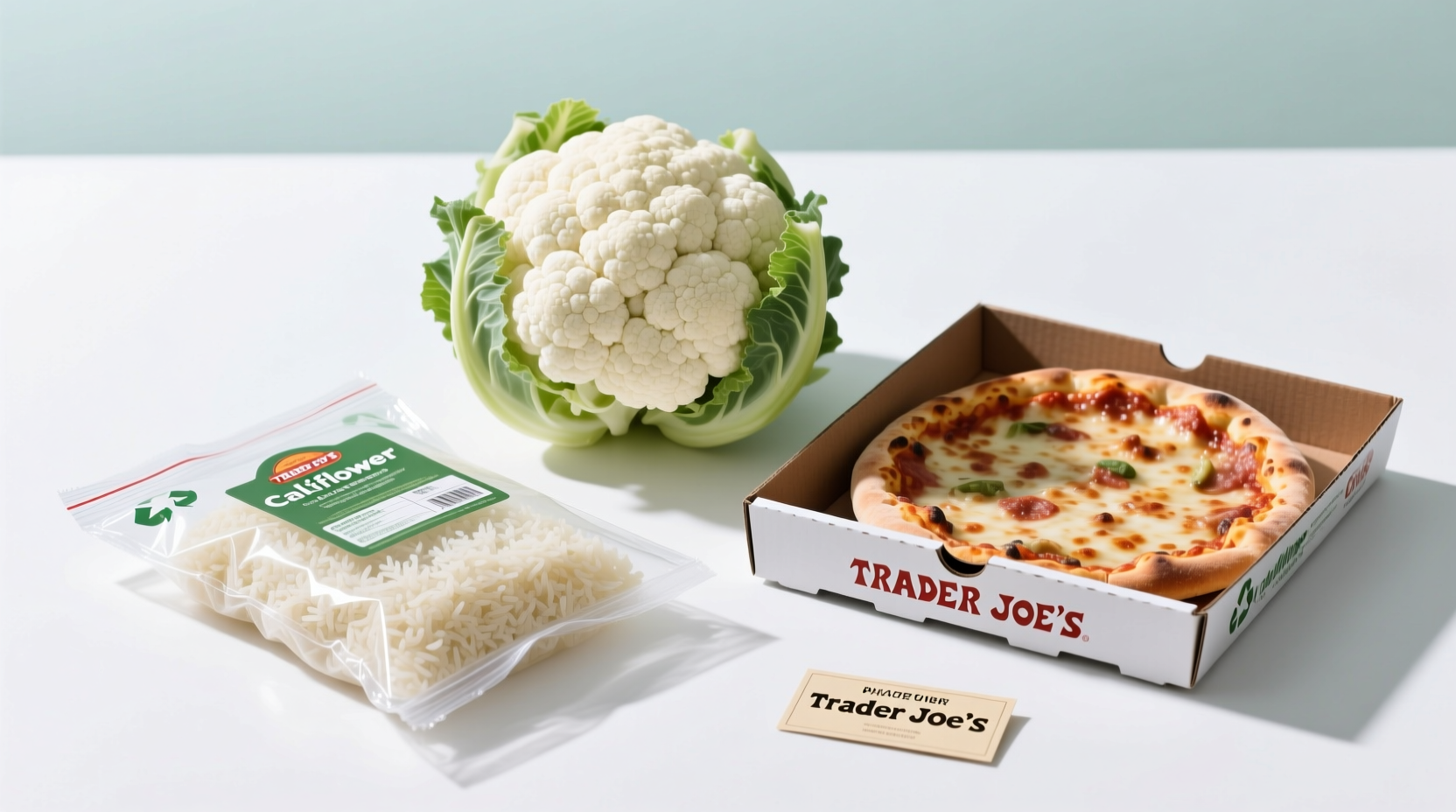
Cauliflower (Brassica oleracea var. botrytis) is a cruciferous vegetable closely related to broccoli, Brussels sprouts, and cabbage. Native to the eastern Mediterranean and cultivated for centuries, modern cauliflower is prized for its compact, edible inflorescence—commonly called the “curd”—which ranges in color from classic ivory white to vibrant purple, green, and orange variants rich in phytonutrients.
The vegetable’s mild, slightly nutty flavor and ability to absorb seasonings make it an ideal base for culinary innovation. In recent years, food manufacturers and retailers have capitalized on this versatility by processing cauliflower into alternative staples such as rice, flour, mash, and even pizza crusts. Trader Joe’s has been at the forefront of this trend, offering a rotating but consistently innovative lineup of cauliflower-based items designed to meet consumer demand for low-carb, gluten-free, and plant-based options.
These products fall into several categories: minimally processed (such as pre-cut florets), semi-prepared (like riced or mashed versions), and fully formulated (including breaded bites and hybrid blends). Each serves a distinct purpose in the kitchen, from quick stir-fries to hearty comfort food makeovers.
Key Characteristics of Trader Joe’s Cauliflower Products
The appeal of Trader Joe’s cauliflower line lies not only in variety but also in thoughtful formulation. Most products prioritize simplicity—short ingredient lists, minimal additives, and clear labeling—while maintaining quality and performance. Below is a summary of key attributes across major product types:
| Product Type | Flavor Profile | Texture | Heat Level | Shelf Life | Culinary Function |
|---|---|---|---|---|---|
| Riced Cauliflower (Frozen) | Neutral, faintly earthy | Grain-like, tender when cooked | None | 12 months (frozen) | Rice substitute, grain bowl base |
| Cauliflower Gnocchi | Savory, cheesy (if Parmesan-added) | Dense yet pillowy; holds shape | None | 3–5 days (refrigerated) | Pasta alternative, skillet entrée base |
| Cauliflower Breaded Bites | Buttery, garlicky, umami-rich | Crispy exterior, soft interior | Mild (optional spicy variant) | Freezer: 6 months | Snack, salad topper, appetizer |
| Mashed Cauliflower | Creamy, buttery, subtly vegetal | Smooth, velvety | None | Refrigerated: 7 days | Potato substitute, side dish |
| Pre-Cut Fresh Florets | Fresh, crisp, clean | Firm raw, tender-crisp roasted | None | Refrigerated: 10–14 days | Roasting, grilling, steaming |
| Cauliflower Pizza Crust | Earthy, slightly toasted | Crisp outer edge, tender center | None | Freezer: 3 months | Low-carb pizza base |
Practical Usage: How to Use Trader Joe’s Cauliflower Products
Each cauliflower product from Trader Joe’s performs best under specific conditions. Knowing how to prepare and incorporate them ensures optimal texture and flavor integration into meals.
Riced Cauliflower (Frozen)
This is one of the most widely used cauliflower products, functioning as a direct substitute for cooked rice. To use: thaw partially, then sauté in a nonstick pan over medium heat for 5–7 minutes until moisture evaporates. Avoid overcrowding the pan to prevent steaming. Season with soy sauce, lime juice, garlic, or herbs to create a pilaf-style base. Ideal for burrito bowls, fried “rice,” or as a bed for curries and grilled proteins.
Pro Tip: For fluffier results, spread frozen riced cauliflower on a baking sheet and roast at 400°F (200°C) for 15–20 minutes, stirring once. This method removes excess water more efficiently than stovetop cooking.
Cauliflower Gnocchi
A standout refrigerated item, Trader Joe’s cauliflower gnocchi features a blend of mashed cauliflower, potato starch, and Parmesan cheese. Unlike traditional potato gnocchi, these hold up better to pan-frying. Cook by boiling for 2–3 minutes or searing directly in olive oil or butter until golden brown. Toss with pesto, browned butter and sage, or marinara. Pairs exceptionally well with roasted cherry tomatoes and wilted spinach.
Cauliflower Breaded Bites
These bite-sized morsels come breaded and seasoned, typically with garlic, parsley, and Parmesan. Bake at 425°F (220°C) for 18–22 minutes until crispy. Do not fry unless specified—many are pre-baked and may splinter if deep-fried. Serve with ranch, marinara, or lemon-dill yogurt dip. They also work well chopped and added to grain salads or folded into wraps.
Mashed Cauliflower
Sold in chilled tubs, this ready-to-eat mash combines steamed cauliflower with butter, cream, and salt. Reheat gently on the stovetop or in the microwave. Stir in roasted garlic, chives, or grated sharp cheddar for variation. Substitute 1:1 for mashed potatoes in shepherd’s pie, casseroles, or as a side with roasted meats.
Pre-Cut Fresh Florets
Available in clear clamshells, these florets are ideal for roasting, air frying, or adding to soups and stir-fries. Toss with olive oil, smoked paprika, and cumin; roast at 425°F (220°C) for 20–25 minutes until caramelized. Alternatively, blanch briefly and purée with warm milk and nutmeg for a rustic soup.
Cauliflower Pizza Crust
Found in the freezer section, this single-serving crust requires pre-baking before topping. Follow package instructions: bake plain crust for 12–15 minutes, then add sauce, cheese, and toppings, returning to oven for another 5–7 minutes. Due to lower structural integrity than wheat crusts, keep toppings light to avoid sogginess. Excellent for personal pies with arugula, prosciutto, and balsamic glaze.
Variants & Types
Trader Joe’s offers multiple iterations of cauliflower-based foods, often rotating seasonal or limited-edition versions. The core permanent lineup includes:
- Frozen Riced Cauliflower: Plain, unseasoned, vacuum-sealed bags. Occasionally supplemented with turmeric-riced versions for color and anti-inflammatory claims.
- Cauliflower Gnocchi: Refrigerated, sold in ~12 oz trays. A perennial favorite, though availability may fluctuate regionally.
- Breaded Cauliflower Bites: Typically labeled “Cauliflower Gnocchi” in some markets—confusingly—but distinct in form and preparation. Often marketed as “plant-based bites.”
- Mashed Cauliflower: Chilled, shelf-stable for about a week. Contains dairy, so not vegan.
- Whole or Pre-Cut Fresh Cauliflower: Standard white heads or ready-to-cook florets in recyclable containers.
- Cauliflower Pizza Crust: Individually wrapped frozen crusts. No-frills, no-cheese formula focused on minimal ingredients.
In the past, Trader Joe’s has tested additional formats such as cauliflower tots, cauliflower-almond flour blend crackers, and even cauliflower-based mac 'n' cheese alternatives. While not all remain in permanent rotation, their experimentation signals ongoing investment in vegetable-forward convenience foods.
Comparison with Similar Ingredients
Cauliflower products are often compared to other vegetable-based or low-carb substitutes. Understanding differences helps avoid substitution errors and improves meal outcomes.
| Product | vs. Cauliflower Rice | vs. Cauliflower Gnocchi | vs. Cauliflower Crust |
|---|---|---|---|
| Broccoli Rice | Stronger flavor, greener hue, higher sulfur notes. Less neutral; may dominate delicate dishes. | N/A | N/A |
| Zucchini Noodles | Higher moisture, softer texture. Requires salting/draining; not interchangeable in baked dishes. | N/A | N/A |
| Traditional Potato Gnocchi | N/A | Heavier, denser, more delicate when cooked. Less suitable for pan-frying. | N/A |
| Chickpea Pasta | N/A | Higher protein, nuttier taste. Not analogous in texture or use case. | N/A |
| Almond Flour or Coconut Flour Crust | N/A | N/A | Sweeter profile, crumblier texture. Better for paleo desserts than savory pizza. |
“The brilliance of cauliflower lies in its ability to disappear into a dish while contributing nutrition and bulk. At Trader Joe’s, they’ve mastered the balance between convenience and integrity—few brands offer such clean-label veggie swaps that actually perform well in real kitchens.” — Chef Elena Rodriguez, plant-based cuisine instructor, Institute of Culinary Education
Practical Tips & FAQs
How do I prevent riced cauliflower from becoming soggy?
Excess moisture is the main culprit. Always cook it in a hot, dry pan without covering. Microwave reheating traps steam—use stovetop or oven instead. For best results, squeeze thawed riced cauliflower in a clean towel to remove water before cooking.
Can I freeze mashed cauliflower after opening?
Yes, but texture may degrade slightly upon thawing due to separation. Transfer to an airtight container, press plastic wrap directly on the surface, and freeze for up to two months. Reheat slowly with a splash of milk or broth to restore creaminess.
Are Trader Joe’s cauliflower products gluten-free?
Most are, but always check labels. The riced cauliflower, florets, and pizza crust are certified gluten-free. However, breaded bites and gnocchi may be produced in facilities with wheat. The gnocchi contains potato starch and cheese but no wheat flour—still, those with celiac disease should verify current packaging.
What’s the best way to store fresh cauliflower florets?
Keep refrigerated in the original container or transfer to a breathable produce bag. Place a dry paper towel inside to absorb moisture. Consume within 10–14 days. Do not wash until ready to use.
Can I use cauliflower gnocchi in soups?
Proceed with caution. While they can be added to brothy soups, prolonged simmering causes disintegration. Add during the last 3–5 minutes of cooking just to heat through.
Is riced cauliflower nutritionally equivalent to brown rice?
No—and that’s the point. Per cup (cooked), riced cauliflower has about 25 calories and 5g carbohydrates versus 215 calories and 45g carbs for brown rice. It’s lower in protein and fiber but significantly reduced in glycemic load. Best for carb moderation, not macronutrient replacement.
How do I enhance flavor in bland cauliflower products?
Layer seasonings at multiple stages. Sauté aromatics (onion, garlic) first, then add the cauliflower product. Finish with acid (lemon juice, vinegar), umami boosters (soy sauce, nutritional yeast), fresh herbs, or toasted nuts. A sprinkle of flaky salt elevates perception of richness.
Storage Checklist:
✔ Riced cauliflower: Keep frozen until use
✔ Gnocchi: Refrigerate; use within 5 days of opening
✔ Breaded bites: Freeze if not using immediately
✔ Mashed cauliflower: Store in coldest part of fridge; consume within 7 days
✔ Pizza crust: Return unused portions to freezer promptly
Summary & Key Takeaways
Trader Joe’s offers one of the most accessible and diverse selections of cauliflower-based convenience foods on the market. From riced and mashed forms to innovative hybrids like gnocchi and breaded bites, these products empower home cooks to integrate more vegetables into daily meals without sacrificing speed or satisfaction.
The cornerstone of success lies in understanding each product’s limitations and strengths. Riced cauliflower excels as a low-carb base but must be properly dried before use. Cauliflower gnocchi shines when pan-seared, not boiled. Pizza crusts require careful topping to maintain structure. And fresh florets remain a flexible canvas for roasting, blending, or snacking.
While not perfect replacements for their traditional counterparts, these items serve a vital role in modern kitchens—especially for those managing dietary restrictions, seeking plant-based alternatives, or navigating time-constrained routines. With proper technique and seasoning, Trader Joe’s cauliflower products transition from novelty to necessity.
Next time you’re in the store, pick up two cauliflower items: one familiar (like riced) and one new (perhaps the breaded bites). Test them side by side in your usual recipes and note the differences in prep time, texture, and family approval. You might find a new staple hiding in the freezer aisle.




 浙公网安备
33010002000092号
浙公网安备
33010002000092号 浙B2-20120091-4
Comments
No comments yet. Why don't you start the discussion?