
Humidity is often associated with moisture, so it seems counterintuitive that people living in tropical or subtropical regions still struggle with dry scalp. Yet, millions experience flaking, itching, and tightness despite high ambient moisture. The paradox lies in the difference between environmental humidity and actual scalp hydration. While the air may be damp, external aggressors, lifestyle habits, and product misuse can disrupt the scalp’s delicate lipid barrier—leading to dehydration even in wet climates.
Understanding this disconnect is essential for anyone seeking long-term relief. Treating dry scalp isn’t just about adding moisture; it’s about preserving the scalp’s natural oils while addressing root causes. Stripping these oils with harsh shampoos or over-washing only worsens the condition, creating a cycle of irritation and imbalance.
Why Dry Scalp Happens in Humid Climates
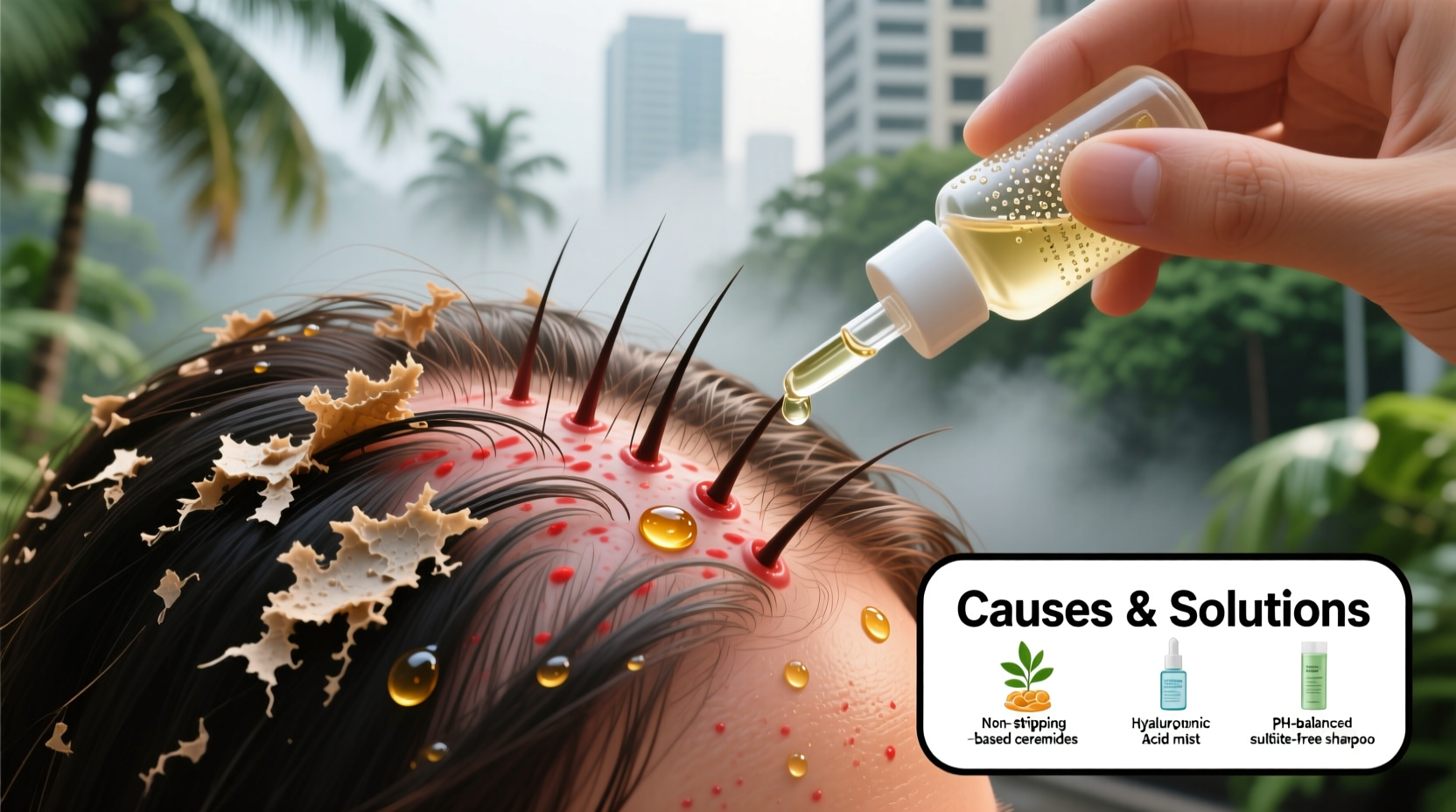
Dry scalp in humid environments defies common logic, but several factors explain its prevalence:
- Excessive sweating: High humidity increases perspiration. Sweat contains salt and metabolic byproducts that can irritate the scalp and disrupt pH balance, leading to inflammation and compromised barrier function.
- Poor air circulation: In stagnant, muggy conditions, sweat doesn’t evaporate efficiently. This creates a breeding ground for microbes like Malassezia yeast, which feed on sebum and contribute to dandruff-like symptoms.
- Overwashing due to greasiness: Many people wash their hair daily to combat oiliness caused by heat and sweat. However, frequent shampooing—even with mild formulas—can deplete essential lipids and impair the scalp’s ability to retain moisture.
- Hard water exposure: In many humid regions, tap water is mineral-rich (hard water), which leaves residue on the scalp, clogs follicles, and interferes with moisture absorption.
- UV and pollution damage: Tropical climates often come with intense sun exposure and elevated pollution levels. Both degrade the scalp’s protective lipid layer and accelerate transepidermal water loss.
- Use of drying styling products: Gels, sprays, and alcohol-based serums are commonly used to manage frizz in humidity but can accumulate on the scalp and cause dryness over time.
The result? A scalp that’s simultaneously oily from excess sebum production and dry from impaired barrier function—a condition sometimes called “dehydrated seborrhea.”
How Harsh Cleansing Worsens the Problem
Many turn to clarifying shampoos or anti-dandruff formulas containing sulfates, salicylic acid, or strong antifungals to address flaking. While these ingredients can offer short-term relief, they often do more harm than good when used excessively.
Sulfate-based cleansers like sodium lauryl sulfate (SLS) remove not only dirt and buildup but also the scalp’s natural sebum—the very substance needed to maintain hydration. Repeated use leads to:
- Stripped lipid barrier
- Increased trans-epidermal water loss (TEWL)
- Rebound oil production as the scalp tries to compensate
- Chronic inflammation and micro-tears in the skin
This sets up a vicious cycle: dryness triggers over-cleansing, which worsens dryness, prompting further cleansing.
“Aggressive scalp treatments often backfire. The goal should be balance—not sterility. A healthy scalp hosts beneficial microbes and maintains a slightly acidic pH of around 5.5.” — Dr. Lena Torres, Dermatologist & Hair Health Specialist
Treatment Strategies That Preserve Natural Oils
Effective treatment focuses on restoring the scalp’s moisture-lipid balance without disrupting its ecosystem. The key is gentle, consistent care tailored to humid environments.
1. Choose Sulfate-Free, Low-Foaming Cleansers
Replace high-lather shampoos with sulfate-free alternatives that cleanse gently. Look for amino acid-based surfactants like cocamidopropyl betaine or decyl glucoside, which lift impurities without stripping oils.
| Do | Avoid |
|---|---|
| Cleansers with glycerin, panthenol, or ceramides | Products listing SLS, SLES, or ammonium laureth sulfate |
| Low-foaming washes applied only to the scalp | Lathering shampoo through the entire length daily |
| Rinsing thoroughly with filtered or distilled water if hard water is an issue | Leaving residue from conditioner or styling products on the scalp |
2. Pre-Wash Oil Treatments (Scalp Oiling)
Applying nourishing oils before washing helps protect the scalp from dehydration during cleansing. Contrary to myth, oils do not clog pores when used correctly—they reinforce the lipid barrier.
Use lightweight, non-comedogenic oils such as:
- Jojoba oil (mimics human sebum)
- Squalane (derived from olives or sugarcane)
- Argan oil (rich in vitamin E and fatty acids)
Apply 1–2 teaspoons directly to the scalp 30–60 minutes before washing. Massage gently to improve circulation and dislodge flakes.
3. Hydrating Actives in Leave-In Products
Incorporate leave-in toners or serums with humectants that attract moisture without heaviness. Ideal ingredients include:
- Hyaluronic acid (low molecular weight for penetration)
- Aloe vera juice (soothes and hydrates)
- Allantoin (supports healing and softening)
- Niacinamide (strengthens barrier function)
Apply to damp scalp after washing. These ingredients pull moisture from the air—effective even in humidity—while calming irritation.
4. Limit Washing Frequency
Wash every 2–3 days instead of daily. On off-days, refresh with a water-only rinse or diluted apple cider vinegar spray (1 part ACV to 4 parts water) to maintain pH and reduce buildup.
Step-by-Step Weekly Care Routine for Humid Climates
Follow this balanced regimen to heal dry scalp while adapting to high moisture environments:
- Day 1 – Pre-Wash Oil Treatment: Apply jojoba or squalane oil to scalp. Wait 45 minutes, then proceed to wash.
- Day 1 – Gentle Cleansing: Use a sulfate-free shampoo. Focus on the scalp, massage for 60 seconds, and rinse thoroughly with lukewarm water.
- Day 1 – Post-Wash Hydration: Towel-dry hair and apply a lightweight scalp serum with hyaluronic acid or aloe.
- Day 3 – Refresh: Rinse scalp with cool water. Spray with pH-balancing mist (e.g., diluted ACV or rosewater).
- Day 5 – Clarify (Weekly): Use a mild clarifying shampoo (once weekly max) to remove buildup. Follow immediately with a hydrating mask on lengths only—avoid the scalp.
- Day 7 – Assess: Check for improvements in flaking, itch, and comfort. Adjust frequency or products as needed.
This routine prevents over-cleansing while ensuring regular detoxification and hydration.
Mini Case Study: Maria’s Journey in Miami
Maria, a 34-year-old graphic designer in Miami, struggled with persistent scalp flaking despite living in 80%+ humidity. She washed her hair daily with a tea tree shampoo, believing it would “clean” her oily roots. Over time, her scalp became increasingly itchy and sensitive, with visible white flakes reappearing within hours of washing.
After consulting a trichologist, she learned her routine was the culprit. The daily tea tree shampoo—though marketed as “natural”—contained sulfates and high concentrations of menthol, which were stripping her scalp and triggering inflammation.
She adopted a new protocol: washing every other day with a sulfate-free cleanser, pre-oiling with squalane twice weekly, and using a niacinamide-based scalp toner. Within three weeks, flaking reduced significantly. By week six, her scalp felt balanced—neither tight nor greasy.
“I thought I needed to scrub harder because it was so humid,” Maria said. “But really, I just needed to stop fighting my scalp and start supporting it.”
Checklist: Healing Your Dry Scalp in Humidity
Use this actionable checklist to ensure you’re on the right track:
- ✅ Switch to a sulfate-free, low-foaming shampoo
- ✅ Limit shampooing to 2–3 times per week
- ✅ Pre-treat scalp with jojoba or squalane oil before washing
- ✅ Use a leave-in hydrating serum with humectants
- ✅ Install a shower filter if you have hard water
- ✅ Avoid alcohol-based styling products near the scalp
- ✅ Protect scalp from UV with hats or UV-filtering sprays
- ✅ Monitor improvement weekly and adjust as needed
Frequently Asked Questions
Can humidity cause dry scalp?
Yes. While humidity adds moisture to the air, factors like excessive sweating, poor ventilation, hard water, and over-cleansing can dehydrate the scalp despite the damp environment. The scalp may produce more oil to compensate, but this doesn’t equate to proper hydration.
Is it safe to oil my scalp in a humid climate?
Yes, if you choose the right oils. Lightweight, non-comedogenic options like jojoba, squalane, or argan absorb quickly and strengthen the lipid barrier without causing buildup. Avoid heavy oils like coconut unless used sparingly and removed properly.
How do I know if my scalp is dry or just flaky from fungus?
Dry scalp typically presents with small, white, powdery flakes and a tight, itchy sensation. Fungal-related dandruff (often from Malassezia) tends to produce larger, yellowish, greasy flakes with redness and persistent scaling. A dermatologist can confirm via examination. However, both conditions benefit from reduced irritation and balanced cleansing.
Conclusion: Restore Balance, Not Just Moisture
Dry scalp in humid climates isn’t a contradiction—it’s a sign of imbalance. The solution isn’t more washing or stronger actives, but smarter, gentler care that respects the scalp’s biology. By preserving natural oils, using targeted hydration, and avoiding common pitfalls, you can achieve lasting relief without compromising scalp health.
Start today by auditing your current routine. Replace one harsh product with a gentler alternative. Introduce a pre-wash oil or hydrating serum. Small changes compound into significant improvements. Your scalp doesn’t need to be stripped to be clean—it needs to be nurtured to be healthy.




 浙公网安备
33010002000092号
浙公网安备
33010002000092号 浙B2-20120091-4
Comments
No comments yet. Why don't you start the discussion?