
As temperatures drop and indoor heating kicks in, many people begin to notice flaking, itching, and tightness on their scalp. What often gets mistaken for dandruff is actually dry scalp—a condition exacerbated by seasonal changes. Unlike dandruff, which stems from an overgrowth of yeast or skin conditions like seborrheic dermatitis, dry scalp results from a lack of moisture in the skin. The good news? It can be managed effectively without relying on harsh, stripping shampoos. Understanding the root causes and adopting gentle, science-informed care strategies can restore comfort and health to your scalp all winter long.
Why Winter Worsens Scalp Dryness
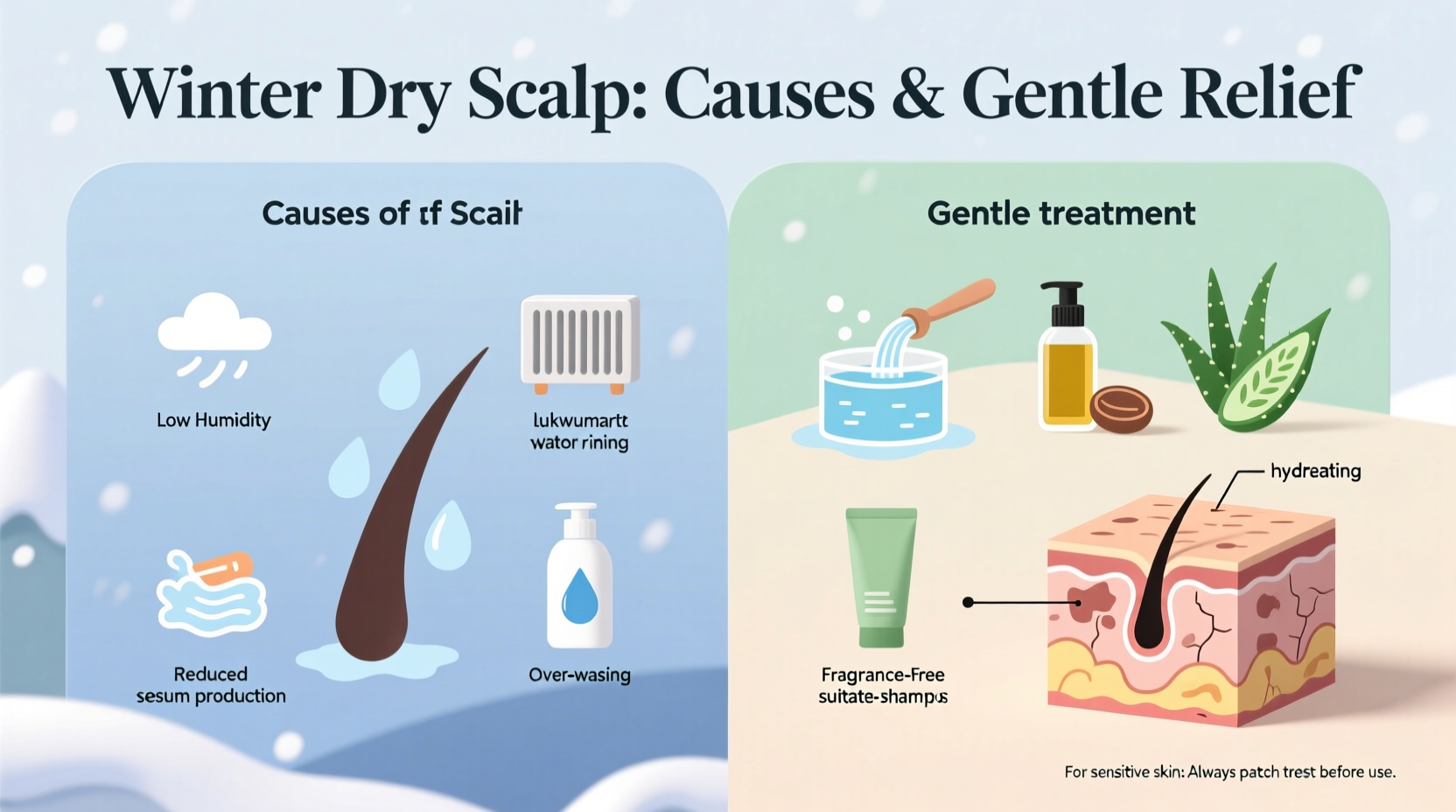
The shift from fall to winter brings environmental changes that directly impact skin hydration. Cold outdoor air holds less moisture, while indoor heating systems further reduce humidity levels—often dropping indoor relative humidity below 30%, far below the ideal 40–60%. This dry environment pulls moisture from the skin, including the scalp, leading to dehydration, irritation, and visible flaking.
Additionally, people tend to wash their hair more frequently in winter, sometimes with hot water, which strips natural oils. Overwashing or using sulfates and alcohol-based products accelerates moisture loss. The scalp’s protective lipid barrier weakens, making it more vulnerable to environmental stressors and microbial imbalances.
“Winter is one of the most challenging seasons for scalp health. The combination of cold exposure and heated interiors disrupts the skin’s natural moisture balance.” — Dr. Lena Patel, Dermatologist and Hair & Scalp Specialist
Common Causes of Dry Scalp in Winter
Dry scalp isn’t just about weather—it’s often the result of multiple overlapping factors. Identifying these can help you tailor your approach more effectively.
- Low humidity: Both outdoor cold and indoor heating create arid conditions that dehydrate the skin.
- Overwashing or improper cleansing: Frequent shampooing, especially with sulfates, removes sebum needed to protect the scalp.
- Hot showers: While comforting, high water temperature opens pores and strips natural oils rapidly.
- Poor diet: Deficiencies in omega-3 fatty acids, zinc, and vitamins A and E impair skin barrier function.
- Wearing hats and scarves: Friction from wool or synthetic fabrics can irritate the scalp and increase flaking.
- Underlying skin conditions: Conditions like eczema, psoriasis, or contact dermatitis may flare in winter and mimic dry scalp.
Gentle, Effective Treatments Without Harsh Shampoos
Avoiding harsh ingredients doesn’t mean sacrificing effectiveness. Many plant-based, nourishing alternatives can soothe and hydrate the scalp while supporting its natural microbiome.
1. Use Oil-Based Pre-Wash Treatments
Scalp oils such as jojoba, argan, or coconut oil mimic the skin’s natural sebum and form a protective layer. Applying them before washing locks in moisture and prevents excessive dryness during cleansing.
Warm a tablespoon of oil and massage into the scalp 30 minutes before showering. Cover with a shower cap if possible to enhance absorption. Rinse thoroughly before using a mild, sulfate-free cleanser.
2. Switch to Sulfate-Free, Cream-Based Cleansers
Sulfates (like sodium lauryl sulfate) are strong surfactants that remove oil aggressively. In winter, they do more harm than good. Instead, opt for cream or lotion-based shampoos labeled “hydrating” or “for dry scalp.” Look for ingredients like glycerin, ceramides, panthenol, and aloe vera.
| Treatment Type | Recommended Ingredients | Frequency |
|---|---|---|
| Pre-wash oil treatment | Jojoba, argan, coconut oil | 1–2 times/week |
| Shampoo | Glycerin, ceramides, oat extract | 2–3 times/week |
| Scalp mist or toner | Witch hazel (alcohol-free), rosewater, hyaluronic acid | Daily or as needed |
| Night-time serum | Squalane, niacinamide, shea butter | 2–3 times/week |
3. Hydrate with Leave-In Scalp Serums
Leave-in treatments provide sustained hydration. Lightweight serums containing hyaluronic acid or squalane deliver moisture without greasiness. Apply a few drops directly to the scalp after washing, focusing on dry or flaky areas.
4. Humidify Your Environment
Using a humidifier in your bedroom at night can significantly improve scalp and skin hydration. Maintaining indoor humidity above 40% reduces trans-epidermal water loss and supports overall skin barrier integrity.
Step-by-Step Winter Scalp Care Routine
Consistency is key. Follow this daily and weekly routine to prevent and treat dry scalp without harsh chemicals.
- Weekly Oil Treatment (1–2 times): Apply warm jojoba or argan oil to the scalp. Massage gently for 5 minutes. Cover and leave for 30 minutes before washing.
- Cleansing (2–3 times/week): Use a sulfate-free, creamy shampoo. Lather only once, and avoid scrubbing aggressively. Focus on the roots but don’t linger too long.
- Rinse with Lukewarm Water: Never use hot water. Finish with a cool rinse to seal cuticles and calm irritation.
- Apply Scalp Serum (after every wash): Use a dropper to apply a hydrating serum directly to dry patches.
- Night-Time Nourishment (2–3 times/week): Apply a thicker balm or butter-based product (like shea or kokum butter) and cover with a soft cotton cap overnight.
- Daily Moisture Boost: Spritz an alcohol-free scalp mist with rosewater and glycerin during the day if itching or tightness occurs.
- Diet & Hydration: Drink at least 2 liters of water daily. Include foods rich in omega-3s (chia seeds, walnuts, salmon) and vitamin E (spinach, almonds).
Avoid These Common Mistakes
Even with good intentions, certain habits can worsen dry scalp. Be mindful of these pitfalls:
- Using anti-dandruff shampoos unnecessarily: If you don’t have fungal dandruff, ingredients like ketoconazole or zinc pyrithione may over-dry the scalp.
- Scratching the scalp: This damages the skin barrier and increases inflammation.
- Wearing tight hats constantly: Trapped sweat and friction aggravate dryness.
- Skipping conditioner: Even oily-haired individuals benefit from applying conditioner only to the ends, avoiding the scalp.
- Ignoring internal health: Chronic dehydration or nutrient deficiencies manifest on the skin first.
“Treating dry scalp isn’t just topical—it’s systemic. You need the right external care and internal support to see lasting improvement.” — Dr. Nadia Reyes, Holistic Trichologist
Real-Life Example: Sarah’s Winter Scalp Journey
Sarah, a 34-year-old teacher from Chicago, struggled with persistent flaking every winter. She assumed it was dandruff and used medicated shampoos twice a week. Instead of improving, her scalp became increasingly itchy and sensitive.
After consulting a dermatologist, she learned her issue wasn’t fungal—it was severe dryness caused by overwashing, hot showers, and indoor heating. She switched to a new routine: pre-wash oil treatments, a sulfate-free cleanser, and nightly application of a squalane-based serum. She also started using a humidifier in her bedroom.
Within three weeks, flaking reduced dramatically. By week six, her scalp felt balanced and comfortable. “I wish I hadn’t spent years punishing my scalp with harsh shampoos,” she said. “Gentle care made all the difference.”
Checklist: Your 7-Day Dry Scalp Recovery Plan
Follow this actionable checklist to reset your scalp health in one week:
- ✅ Replace your current shampoo with a sulfate-free, hydrating formula.
- ✅ Buy a bottle of jojoba or argan oil for pre-wash treatments.
- ✅ Set up a humidifier in your bedroom.
- ✅ Lower your shower temperature to lukewarm.
- ✅ Prepare a simple scalp serum (3 drops squalane + 1 tsp aloe vera gel).
- ✅ Eliminate scratching—even when it itches.
- ✅ Add one omega-3-rich food to your daily meals (e.g., chia pudding, walnuts).
Frequently Asked Questions
Is dry scalp the same as dandruff?
No. Dry scalp is caused by lack of moisture and results in small, white flakes. Dandruff is often due to an overgrowth of Malassezia yeast and produces larger, oily, yellowish flakes accompanied by redness and greasiness. Treatment approaches differ significantly.
Can I use apple cider vinegar on a dry scalp?
Use with caution. While ACV can help remove buildup, its acidity may irritate a compromised, dry scalp. If you choose to use it, dilute one part vinegar with four parts water and apply only occasionally—never on broken or inflamed skin.
How long does it take to heal a dry scalp?
With consistent care, most people see improvement within 2–3 weeks. Full recovery typically takes 4–6 weeks, depending on severity and adherence to a gentle regimen.
Conclusion: Treat Your Scalp with Kindness This Winter
Your scalp is living skin, not just an extension of your hair. Treating it with harsh chemicals may offer short-term fixes but leads to long-term damage, especially in winter. By understanding the true causes of dryness and shifting to gentler, more holistic care methods, you can maintain a healthy, flake-free scalp all season.
Start today: swap out that drying shampoo, pick up a bottle of nourishing oil, and commit to one small change at a time. Your scalp will respond quickly to kindness and consistency. Healthy skin isn’t about aggression—it’s about balance, protection, and respect.




 浙公网安备
33010002000092号
浙公网安备
33010002000092号 浙B2-20120091-4
Comments
No comments yet. Why don't you start the discussion?